
The Expanding Global Market for Sustainable Growing Media
As global agriculture continues to evolve toward sustainability and environmental responsibility, the demand for renewable growing media has entered a phase of rapid expansion. Traditional soil-based cultivation is gradually being replaced by soilless growing systems, particularly in greenhouse farming, hydroponics, and high-value horticulture.
In recent years, growers worldwide have been actively seeking eco-friendly, consistent, and high-performance substrates. This shift is driven not only by environmental concerns but also by the need for higher yields, better crop quality, and controlled growing conditions. As a result, renewable growing media such as coco peat, perlite, and rock wool have gained significant traction.
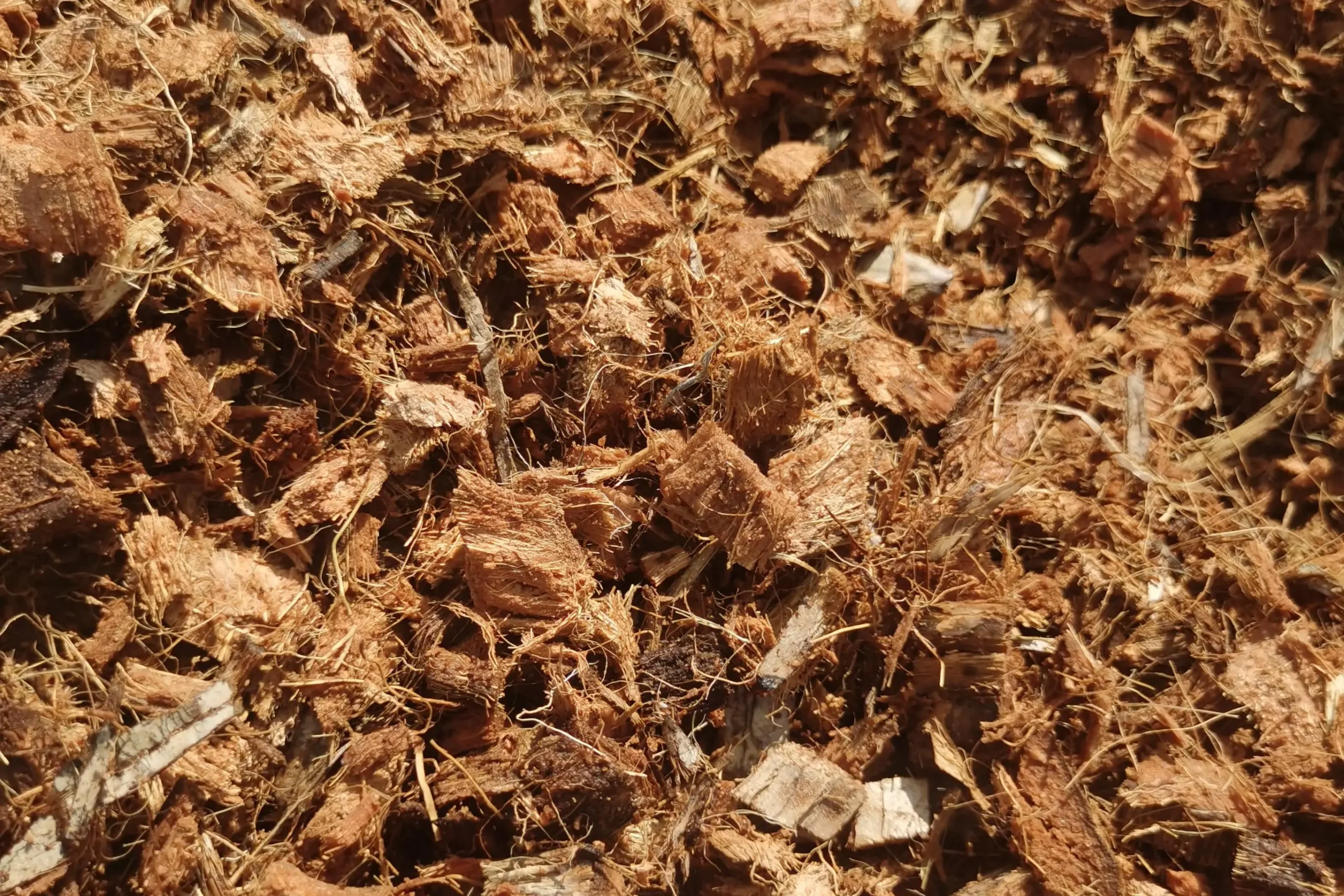
Among these, coco peat (coir pith) stands out due to its sustainability, availability, and superior agronomic performance. With the global push toward green agriculture, coco peat is rapidly becoming one of the most promising and in-demand growing substrates in international markets.
Peat Restrictions in Developed Countries Driving Explosive Demand
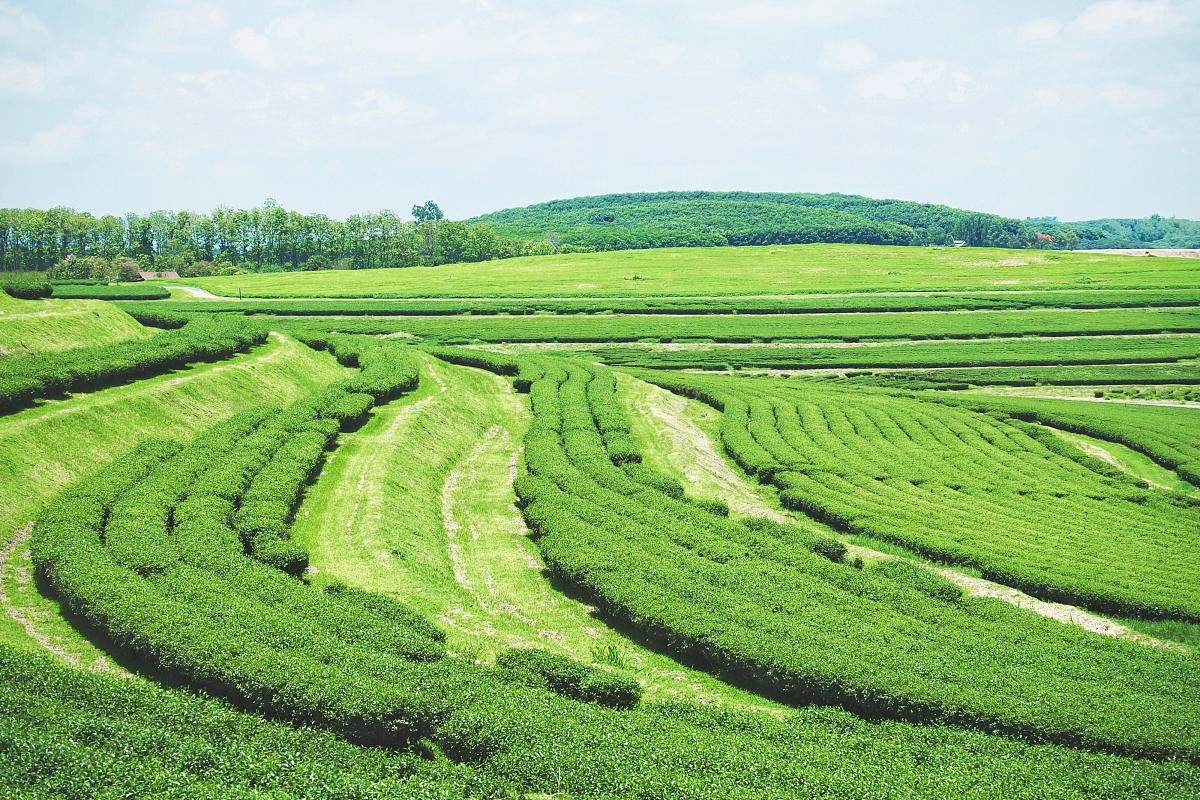
One of the key factors fueling the surge in coco peat demand is the tightening regulation of peat extraction in developed regions such as Europe and North America.
Peat moss, traditionally a dominant growing medium, is harvested from peatlands—ecosystems that play a critical role in carbon storage and biodiversity. Recognizing the environmental damage caused by peat extraction, many countries have introduced strict regulations or outright bans on peat harvesting.
For example, several European nations have announced timelines to phase out peat use in horticulture entirely. This has created a massive supply gap in the growing media market, leading to an urgent need for sustainable alternatives.
Coco peat has emerged as the leading substitute due to its renewable nature and comparable (or even superior) performance characteristics. As a result, import demand from Europe and North America has surged dramatically, creating a strong and stable international market for coco peat producers.
Superior Properties of Coco Peat in Modern Cultivation
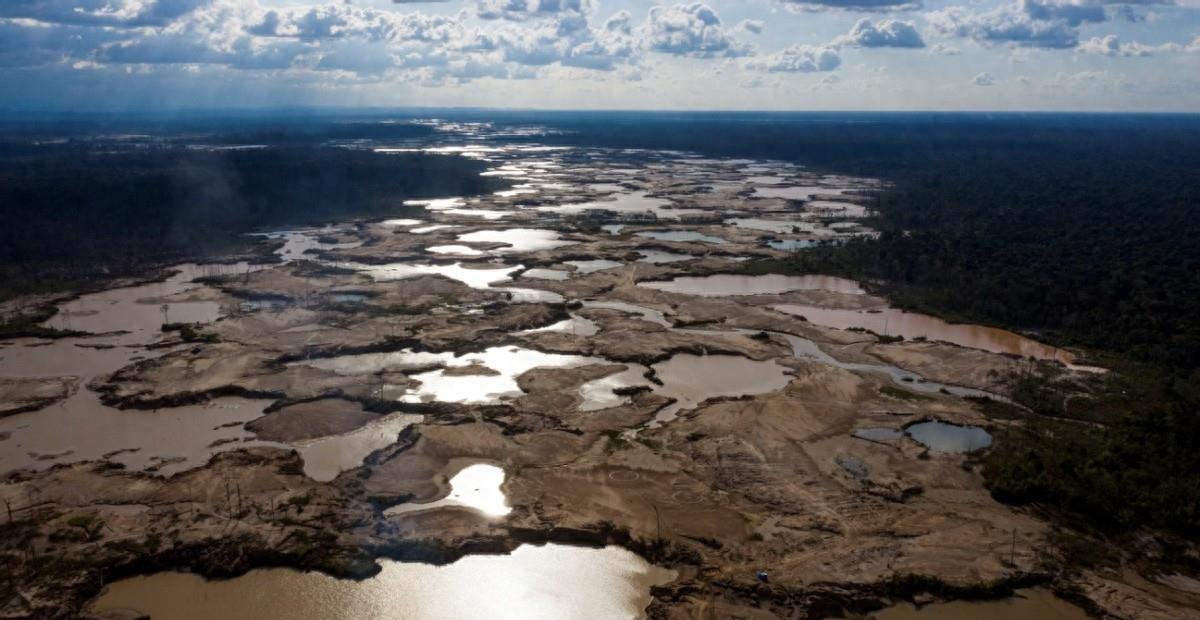
Coco peat offers a unique combination of physical and chemical properties that make it ideal for modern agriculture and horticulture applications.
One of its most notable advantages is its excellent water retention capacity. Coco peat can hold water up to 8–10 times its own weight, ensuring a consistent moisture supply to plant roots. At the same time, it provides outstanding aeration and drainage, preventing root suffocation and promoting healthy root development.
In addition, coco peat has a stable structure, slow decomposition rate, and good buffering capacity. It is also naturally resistant to fungal growth when properly processed.
These characteristics make coco peat highly suitable for:
- Greenhouse cultivation
- Hydroponic systems
- Seedling nurseries
- Soil conditioning
With proper processing, including desalination and drying, coco peat can meet strict export standards required by international markets. This further enhances its value and positions it as a premium growing medium globally.
Southeast Asia: From Coconut Waste to High-Value Resource
Southeast Asia, particularly countries like Indonesia, India, Vietnam, and Sri Lanka, is one of the largest coconut-producing regions in the world. Historically, coconut husks were considered agricultural waste or used only for low-value applications such as fuel or rough fiber products.
However, with advancements in processing technology and the rise of global demand, coconut husks are now being transformed into valuable products, including coco fiber and coco peat.
The process of converting coconut waste into coco peat represents a classic example of turning waste into wealth. Through crushing, washing, decomposing, drying, and compressing, what was once discarded material is now a highly sought-after agricultural input.
This transformation not only adds significant economic value but also contributes to environmental sustainability by reducing waste and promoting resource recycling.
As global demand continues to rise, Southeast Asia is poised to become the core production hub for coco peat, with immense growth potential in both volume and value.
Current Challenges: Limited Processing Capacity and Quality Constraints
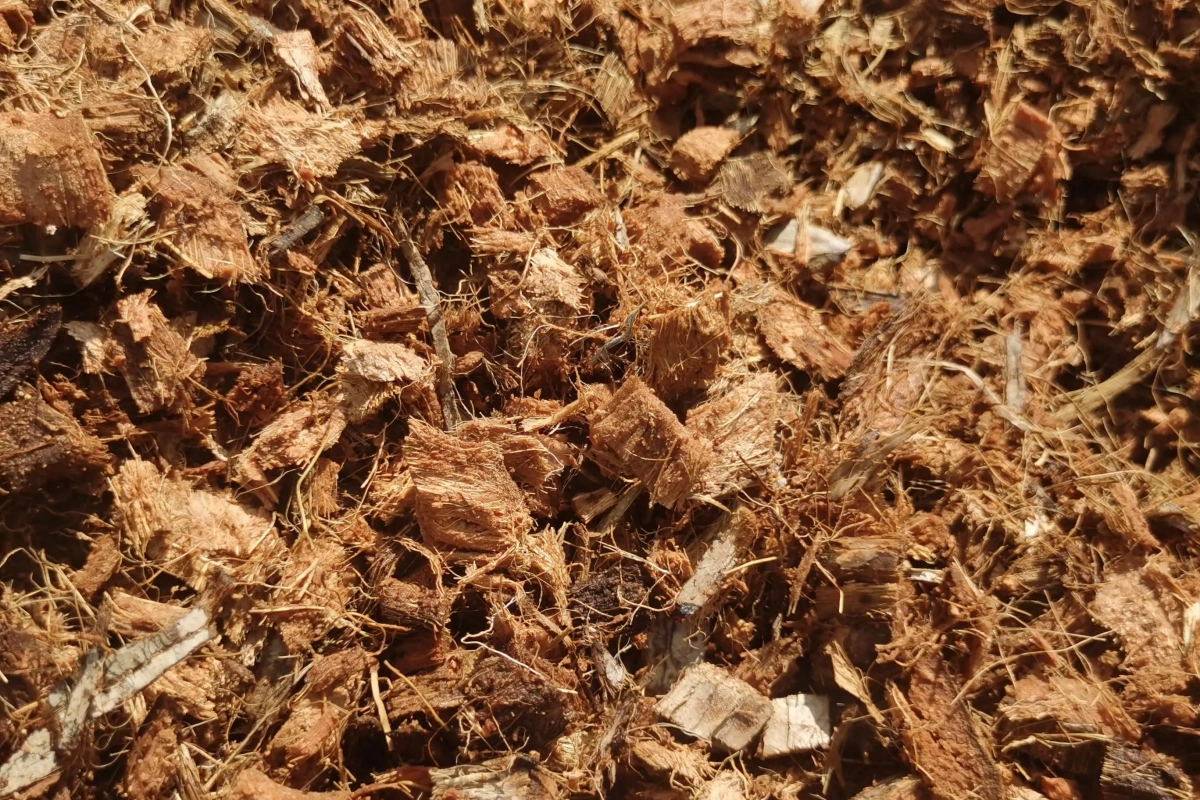
Despite the strong demand and abundant raw materials, the coco peat industry in Southeast Asia still faces significant challenges—particularly in processing technology and production efficiency.
Many producers rely on manual or semi-automated methods, especially in key stages such as:
- Washing and desalination
- Drying
- Screening and grading
One of the most critical issues is the lack of efficient cocopeat desalination systems. High salt content (EC levels) is a major barrier for export, especially to European markets. Without proper washing and buffering processes, coco peat cannot meet international standards.
Additionally, inadequate drying methods—often dependent on weather conditions—lead to inconsistent moisture levels, affecting product quality, storage, and transportation.
The absence of fully automated cocopeat processing lines results in:
- Low production efficiency
- Inconsistent product quality
- Higher labor costs
- Limited scalability
These limitations directly impact the final selling price and competitiveness in the global market.
Our Solution: Fully Automated Cocopeat Processing Line with High ROI
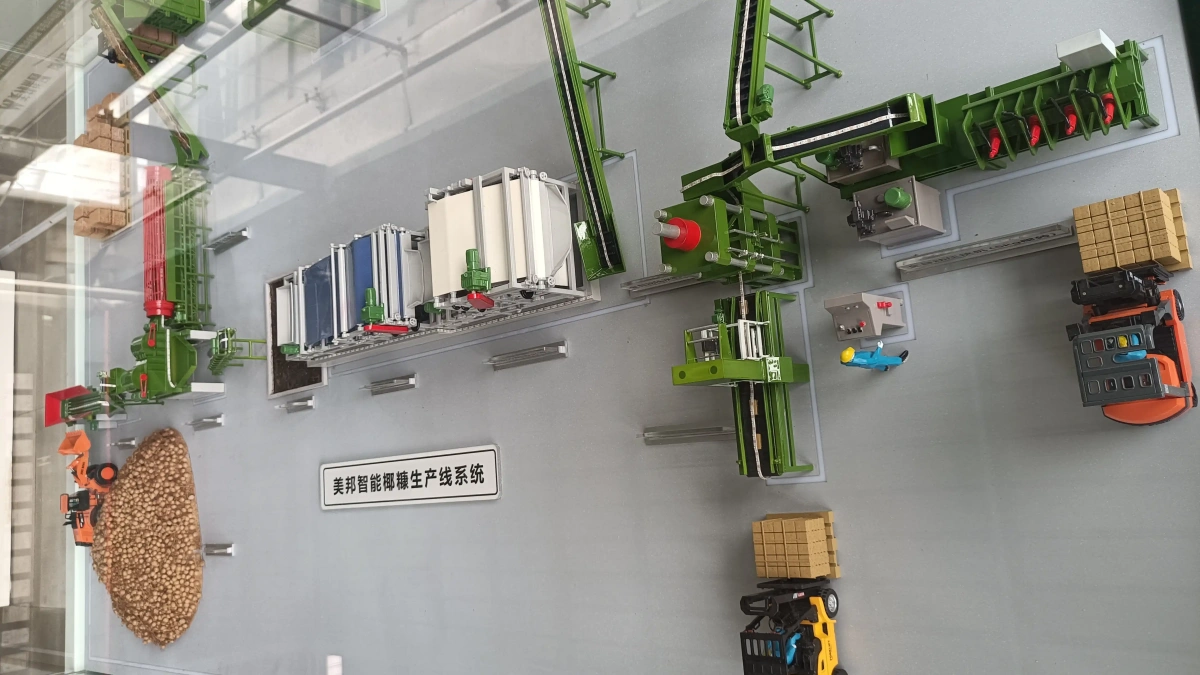
To address these challenges, we provide a complete cocopeat processing solution, designed to help producers achieve high efficiency, consistent quality, and strong profitability.
Our system includes:
- Crushing and screening equipment
- Advanced desalination and washing system
- High-efficiency drying equipment
- Automated conveying and handling
- Cocopeat block making machine
The entire cocopeat production line is fully customizable based on your raw material condition, target market, and production capacity.
Key Advantages:
- Production of low EC, export-grade coco peat
- Stable and continuous operation
- Significant reduction in labor dependency
- Consistent product quality
- Scalable design for future expansion
Investment & Return:
- Total investment: approximately RMB 1 million
- Daily output: 20 tons
- Profit per ton: RMB 1200–1500
- Payback period: 3–6 months
With stable production and strong global demand, this project offers one of the most attractive returns in the current agricultural processing sector.

Conclusion: One of the Hottest Investment Opportunities Today
Driven by global sustainability trends, regulatory changes, and increasing demand for high-quality growing media, coco peat has become a rapidly growing industry with immense potential.
From agricultural waste to high-value export product, the coco peat industry perfectly embodies the concept of turning waste into wealth. For investors and manufacturers in Southeast Asia, this represents a rare opportunity to capitalize on both environmental and economic benefits.
With the right technology and equipment—especially a fully automated cocopeat processing line—it is possible to achieve high efficiency, premium product quality, and exceptional financial returns.
Now is the time to enter this booming market and secure a competitive advantage in one of the most promising sectors in modern agriculture.