
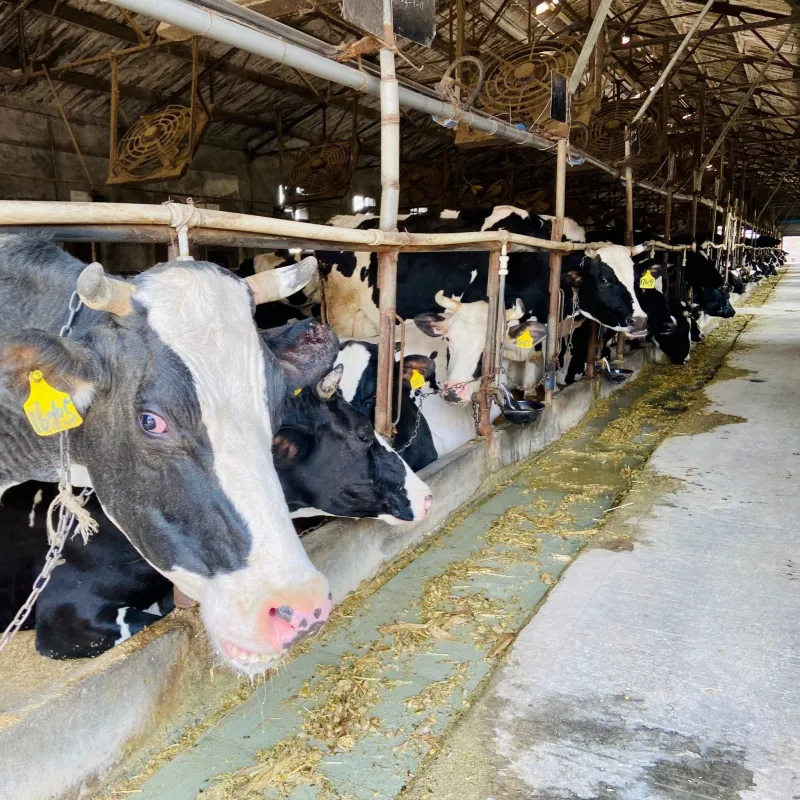

For modern dairy and beef farms, manure is no longer simply a waste disposal problem. It has become a valuable agricultural resource that can generate additional revenue, reduce operating costs, and improve environmental compliance. However, none of these opportunities can be fully realized without one essential step: effective manure dewatering.
Fresh cattle manure typically contains 80–90% moisture. At this moisture level, transportation is expensive, storage requires large areas, odors are severe, and further processing becomes inefficient. By reducing the moisture content to approximately 45–70%, farms dramatically reduce manure volume while creating a stable raw material suitable for multiple downstream applications.
Today, many commercial livestock farms consider manure dewatering the first step in building a profitable circular economy.
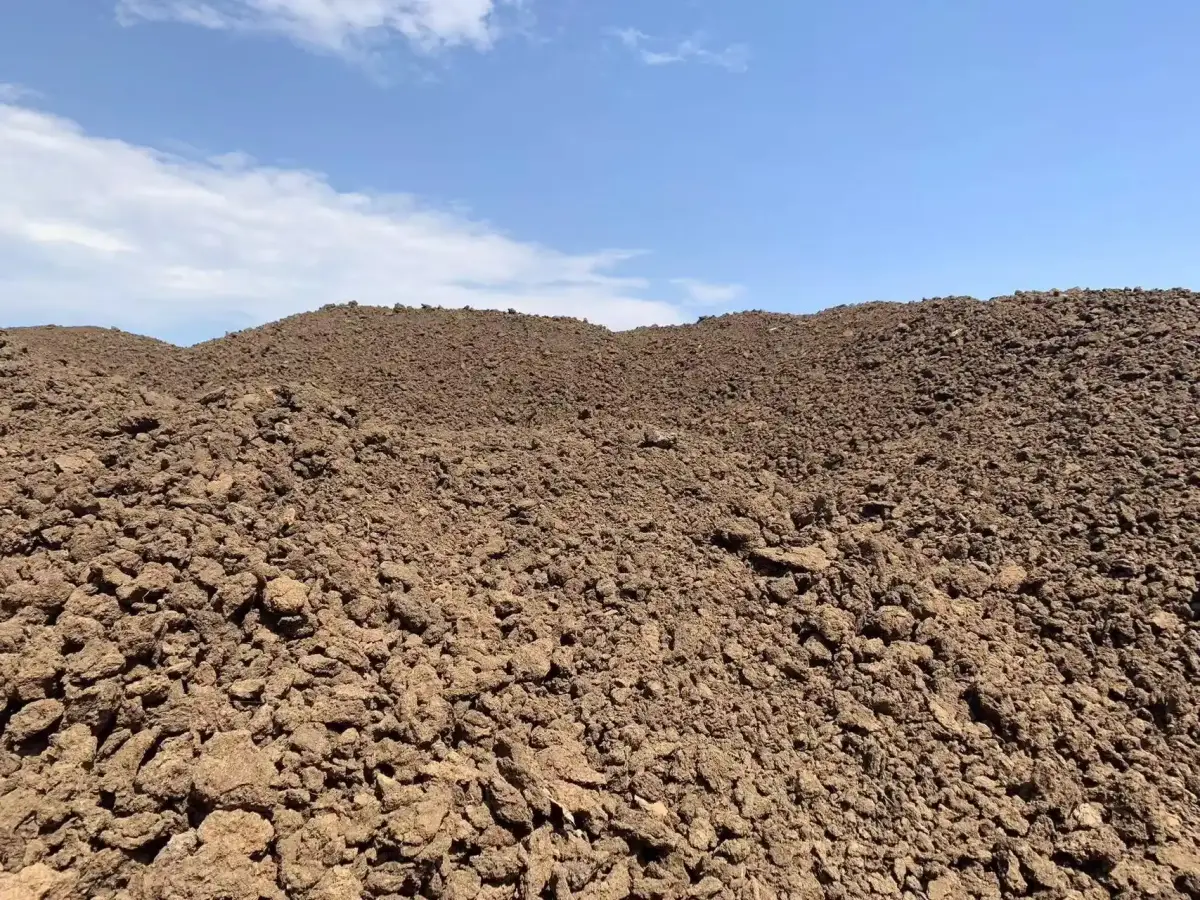
Why Dewatering Is the Most Important Step
Before discussing how dewatered cattle manure is used, it is important to understand why moisture reduction creates so much value.
Removing excess water can reduce manure volume by more than 60%, making storage and transportation significantly cheaper. Lower moisture also minimizes odor emissions, reduces pathogen risks after composting, and improves handling with conventional loaders and conveyors.
Most importantly, almost every value-added utilization method—including organic fertilizer production, bedding recycling, biomass fuel manufacturing, mushroom cultivation, and biogas production—requires partially dewatered manure instead of raw slurry.
Without efficient dewatering, these downstream industries become less economical.
1. Recycled Dairy Bedding: The Fastest Return on Investment
One of the most common applications is producing recycled dairy bedding.
After dewatering to approximately 50–60% moisture, cattle manure undergoes high-temperature aerobic composting. Proper composting destroys harmful bacteria, parasite eggs, and mastitis pathogens while producing a soft, dry bedding material.
Many large dairy farms successfully replace sand, sawdust, wood shavings, or rice husks with recycled bedding.
The advantages include:
- Lower bedding costs
- Improved cow comfort
- Reduced dependence on purchased bedding materials
- Lower manure transportation requirements
- Closed-loop nutrient recycling on the farm
After the bedding reaches the end of its service life, it can be composted again and converted into organic fertilizer, creating a complete recycling system.
For large dairy operations, recycled bedding often provides the shortest payback period for manure dewatering equipment.
2. Organic Fertilizer Production: The Largest Commercial Market
Organic fertilizer remains the largest market for dewatered cattle manure.
The solid fraction contains valuable organic matter, nitrogen, phosphorus, potassium, humic substances, and beneficial microorganisms. After mixing with crop straw or other carbon-rich materials, the manure is aerobically composted for several weeks before being processed into powdered or granulated organic fertilizer.
Finished fertilizer is widely used in:
- Vegetable production
- Fruit orchards
- Greenhouse cultivation
- Landscaping
- Forestry
- Soil rehabilitation
- Mine reclamation projects
Compared with raw manure, dewatered material composts faster, produces fewer odors, and requires less turning during fermentation.
As demand for sustainable agriculture continues to grow worldwide, organic fertilizer manufacturers increasingly seek stable supplies of dewatered cattle manure.
3. Vermiculture and High-Value Biological Products
Another profitable application is vermiculture.
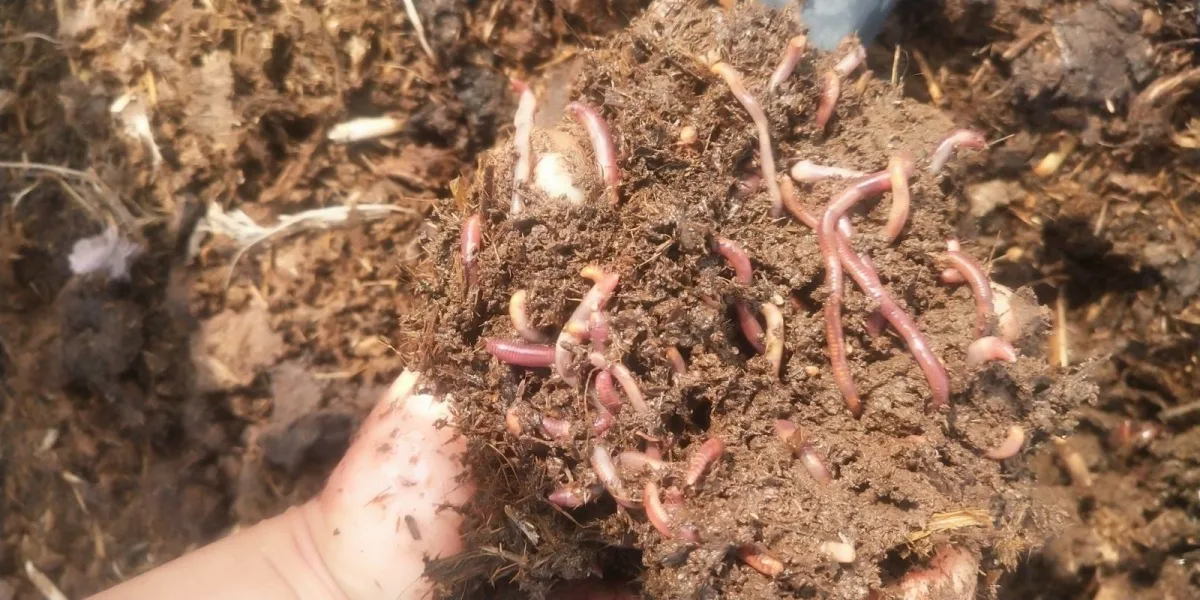
After a short pre-composting process, dewatered manure becomes an excellent bedding material for earthworms. Earthworms convert organic matter into nutrient-rich vermicompost while simultaneously producing live worms for aquaculture and animal feed.
Compared with ordinary compost production, vermiculture can generate considerably higher economic value.
The quality of the initial dewatering process directly influences worm survival, fermentation stability, and final vermicompost quality.
4. Mushroom Substrate and Growing Media
Dewatered cattle manure is widely used in commercial mushroom cultivation.
After composting, it can be blended with straw, sawdust, or other agricultural residues to produce substrates for mushrooms and other edible fungi.
Similarly, composted manure is incorporated into nursery growing media for flowers, vegetables, and fruit seedlings.
Its benefits include:
- Improved soil aeration
- Better moisture retention
- Slow nutrient release
- Reduced dependence on peat-based growing media
Because moisture content strongly affects substrate formulation, consistent dewatering significantly improves product quality.
5. Biomass Fuel and Renewable Energy
As renewable energy markets continue expanding, cattle manure is increasingly viewed as a biomass fuel resource.
When further dried below approximately 20–25% moisture, dewatered manure can be processed into:
- Biomass pellets
- Fuel briquettes
- Solid biofuel
- Carbonized biochar
These products can replace coal or agricultural residues in industrial boilers, district heating systems, and biomass power plants.
Large livestock farms often combine manure drying with waste heat recovery, creating an additional revenue stream while reducing greenhouse gas emissions.
Although fuel production requires additional drying after mechanical dewatering, removing the majority of water mechanically is far more energy-efficient than relying solely on thermal drying.
6. Biogas Production and Nutrient Recovery
Not all dewatered manure becomes a solid product.
The separated liquid fraction remains valuable.
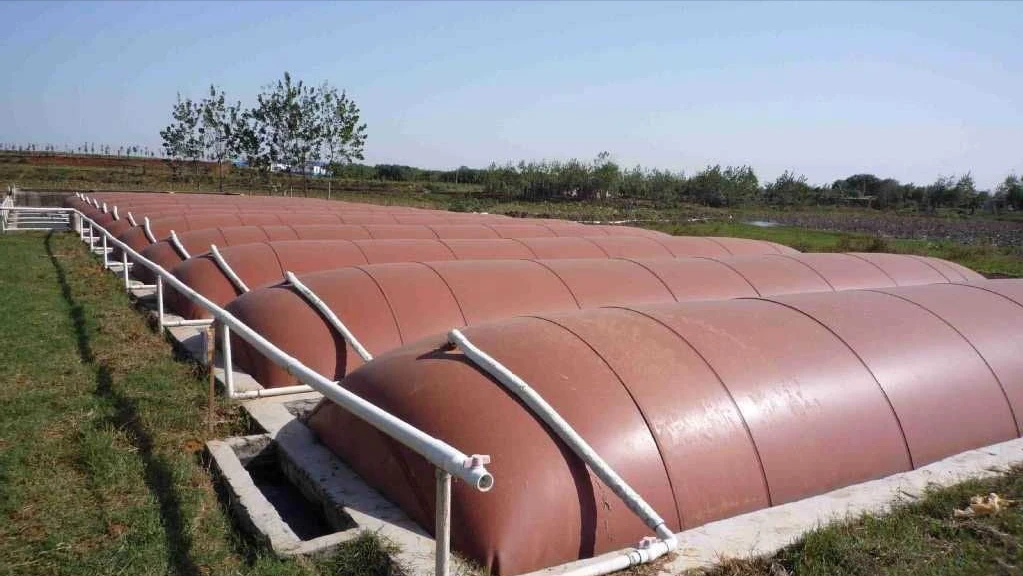
It can be directed to anaerobic digesters for biogas production, generating methane for electricity, heating, or cooking fuel.
After digestion, the remaining digestate can be applied as liquid fertilizer through fertigation systems or further processed into commercial fertilizer products.
Meanwhile, the solid fraction can enter composting or other value-added processing routes.
This integrated utilization maximizes nutrient recovery while minimizing waste disposal costs.
Choosing the Right Moisture Content for Different Applications
Different downstream industries require different moisture levels.
Generally:
- 60–70% moisture is suitable for composting, recycled bedding, and biogas feedstock.
- 45–55% moisture is ideal for organic fertilizer production, mushroom substrate, and short-term storage.
- Below 25% moisture is preferred for biomass pellets, biochar, and commercial dry fertilizer products.
Achieving these target moisture levels consistently depends largely on selecting reliable dewatering equipment.
Why High-Capacity Multi-Roller Belt Presses Are Becoming the Preferred Solution
As dairy farms continue increasing in size, traditional screw presses often struggle with processing capacity, moisture consistency, and fiber recovery.
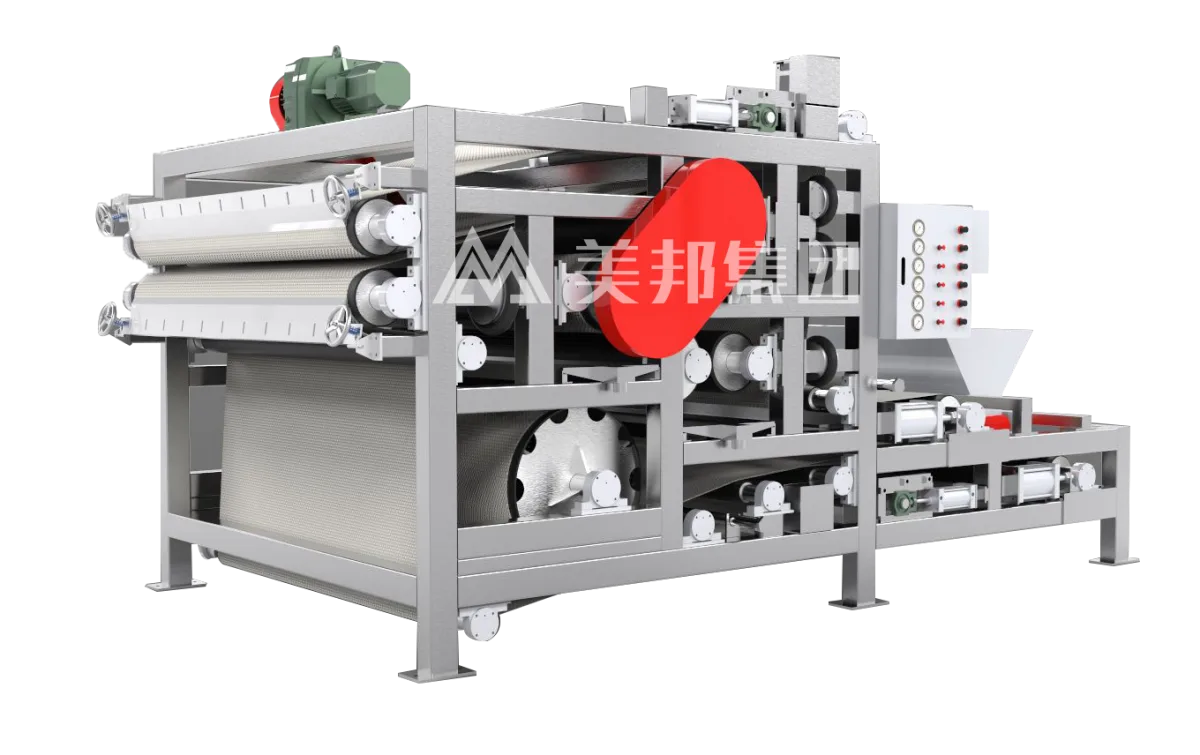
For medium and large livestock operations, multi-roller belt press machines have become one of the most efficient solutions for continuous cattle manure dewatering.
Compared with conventional systems, a high-capacity Belt Press Dewatering Machine offers several advantages:
- Continuous automatic operation
- High throughput for large farms
- Lower operating energy consumption
- Stable final moisture content
- Reduced labor requirements
- Easy integration into composting, fertilizer, and biogas production lines
The progressive pressure generated by multiple rollers efficiently separates liquid from solids while preserving valuable organic fibers needed for downstream applications.
For farms processing hundreds of tons of manure per day, this continuous operation significantly reduces operational costs compared with batch-type equipment.
Turning Manure into a Profitable Resource
The future of livestock farming is increasingly based on resource recovery rather than waste disposal.
Whether producing recycled bedding, organic fertilizer, mushroom substrate, biomass fuel, vermicompost, or renewable energy, every successful utilization pathway begins with efficient manure dewatering.
By investing in reliable dewatering technology, livestock producers can reduce transportation costs, improve environmental compliance, create new revenue streams, and establish a more sustainable circular production system.
As environmental regulations become stricter and nutrient recycling gains greater importance worldwide, high-capacity multi-roller belt press systems are becoming an essential part of modern manure management strategies, helping farms transform cattle manure from an environmental burden into a valuable economic asset.