
How to Start a Coco Peat Processing Plant
The global demand for sustainable growing media has increased significantly in recent years. Among the most popular organic substrates is coco peat, a natural material derived from coconut husks. Widely used in horticulture, hydroponics, and soil improvement, coco peat has become an essential product for modern agriculture. As coconut-producing regions continue to expand, many entrepreneurs are exploring opportunities to establish a coco peat processing plant.
If you are planning to enter this promising industry, understanding the production process, required machinery, and market opportunities is essential. This guide explains how to start a coco peat processing plant and build a profitable operation.
Understanding Coco Peat and Its Market Potential
Coco peat, also known as coir pith, is a byproduct of coconut husk processing. Traditionally considered agricultural waste, it is now recognized as a valuable growing medium because of its excellent water retention, aeration, and sustainability.
Coco peat is obtained after crushing coconut husk fibers, and its demand has grown rapidly across Europe, North America, the Middle East, and Southeast Asia. Greenhouses, nurseries, and hydroponic farms increasingly prefer coco peat over traditional peat moss due to its environmental advantages.
Some of the key benefits of coco peat include:
- Excellent moisture retention
- Good air porosity for root development
- Renewable and environmentally friendly
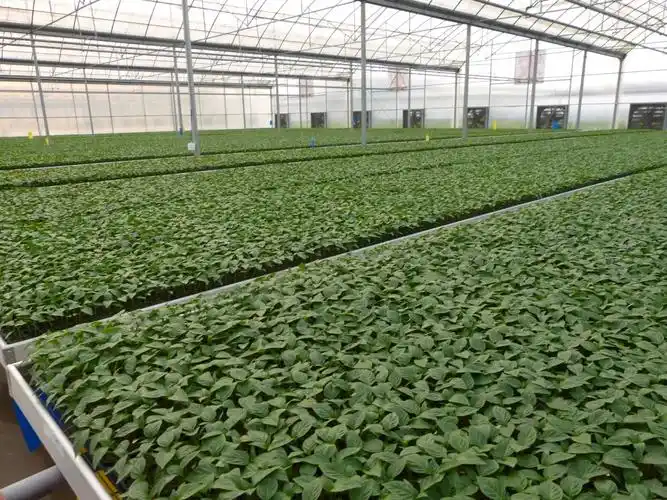
- Suitable for hydroponics and greenhouse cultivation
With the global horticulture industry expanding, the market for coco peat products such as blocks, briquettes, and grow bags continues to rise. This creates a strong opportunity for investors who want to establish a coco peat processing business.
Raw Materials for Coco Peat Production
The primary raw material for coco peat production is coconut husk. Coconut-producing countries such as Indonesia, India, Sri Lanka, Vietnam, and the Philippines generate large quantities of husks each year.
During coconut fiber extraction, the husk is separated into:
- Coir fiber
- Coco peat (coir pith)
The coco peat portion is collected, processed, washed, dried, and compressed into export-ready products.
Because coconut husks are abundant and relatively inexpensive, the raw material supply for a coco peat processing plant is generally stable in tropical regions.

Key Equipment for a Coco Peat Processing Plant
A modern coco peat processing plant relies on specialized machinery to ensure efficiency, consistent quality, and high production capacity. These machines are collectively known as coco peat equipment.
1. Coconut Husk Crushing Machine
The first step is crushing the coconut husk into smaller particles. A coco peat machine is used to break down the husk and separate fiber from coco peat. This step prepares the material for further processing and screening.
2. Screening Machine
After crushing, the material passes through a screening machine to separate fine coco peat from long fibers. Screening improves product consistency and ensures uniform particle size.
3. Washing and Desalination System
High-quality coco peat must have low salt content. A washing system removes excess salts and impurities from the material. This step is especially important for horticultural-grade coco peat used in greenhouse cultivation.
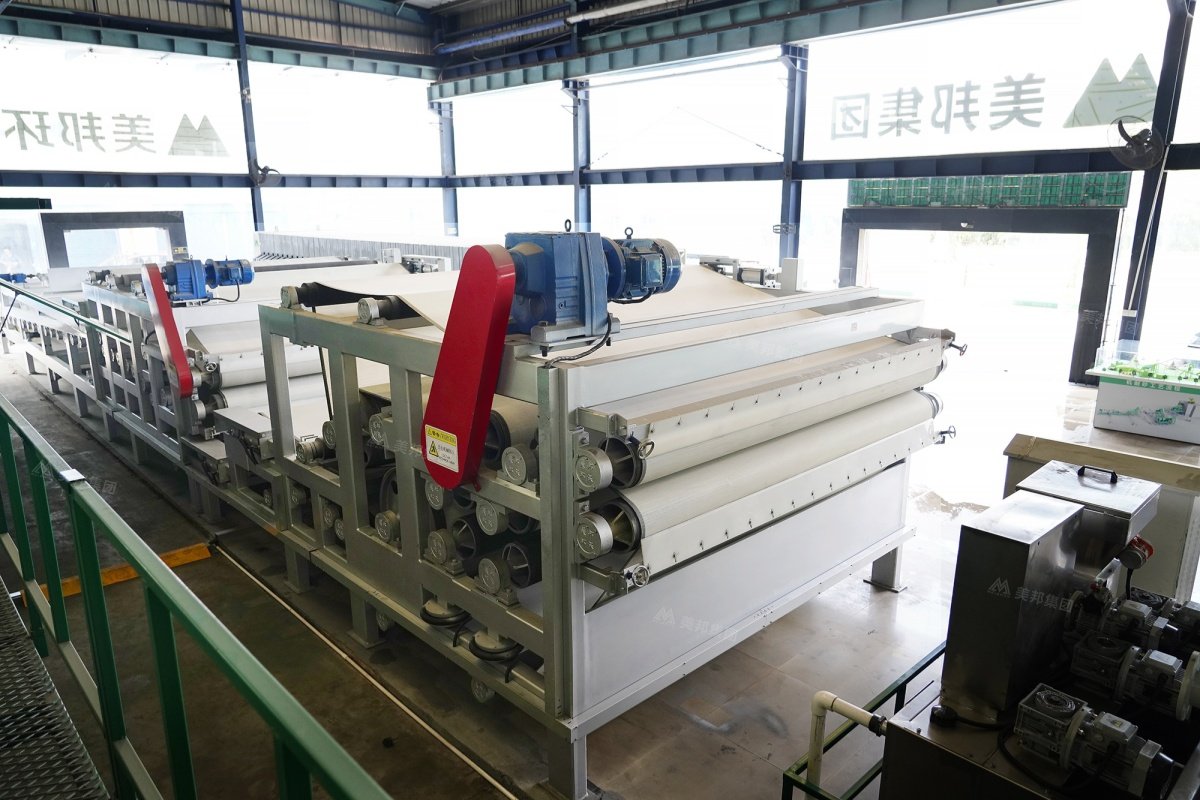
4. Coco Peat Dewatering Machine
One of the most important machines in the process is the coco peat dewatering machine. After washing, coco peat contains a large amount of water. The dewatering machine removes excess moisture, reducing drying time and improving production efficiency.
Efficient dewatering also lowers transportation costs because less water is contained in the material.
5. Drying System
The dewatered coco peat is then dried to reach the appropriate moisture level for compression and packaging. Depending on the production scale, drying can be done through natural sun drying or mechanical dryers.
6. Compression and Packaging Machine
The final step is compressing coco peat into blocks or briquettes for export. Compression machines reduce the product volume significantly, making it easier and cheaper to transport internationally.
Building an Automated Coco Peat Production Line
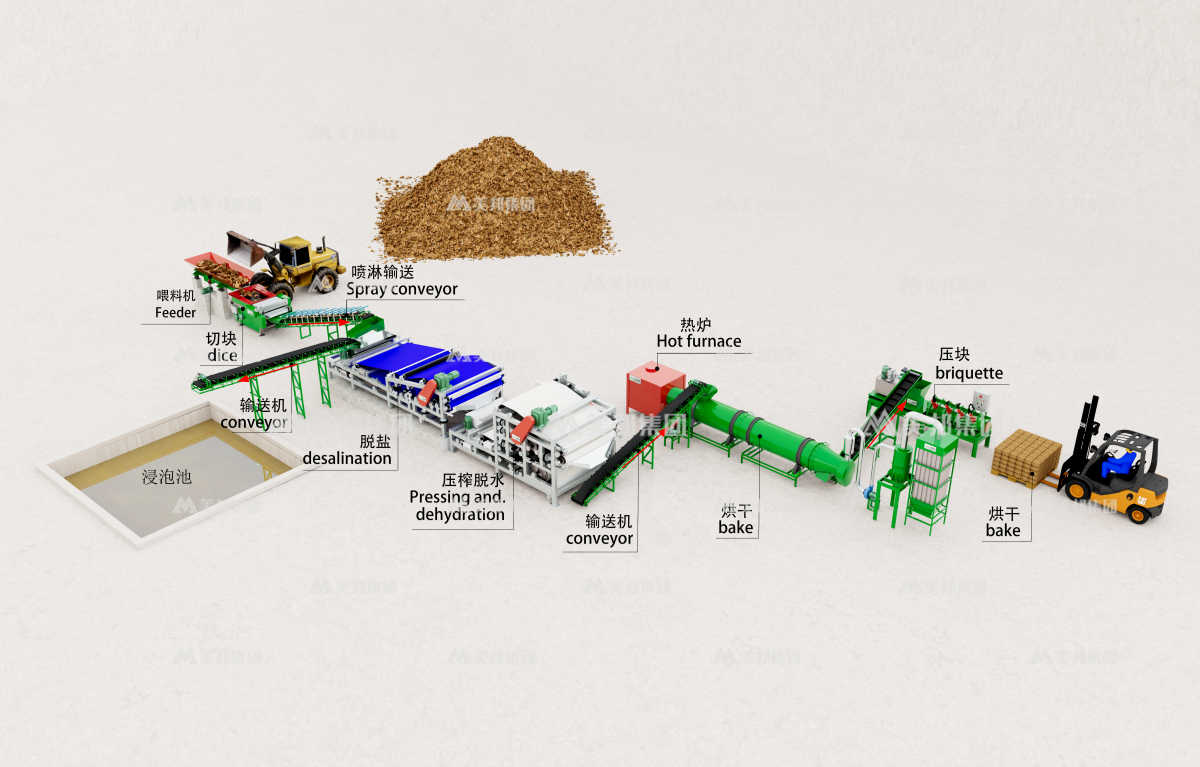
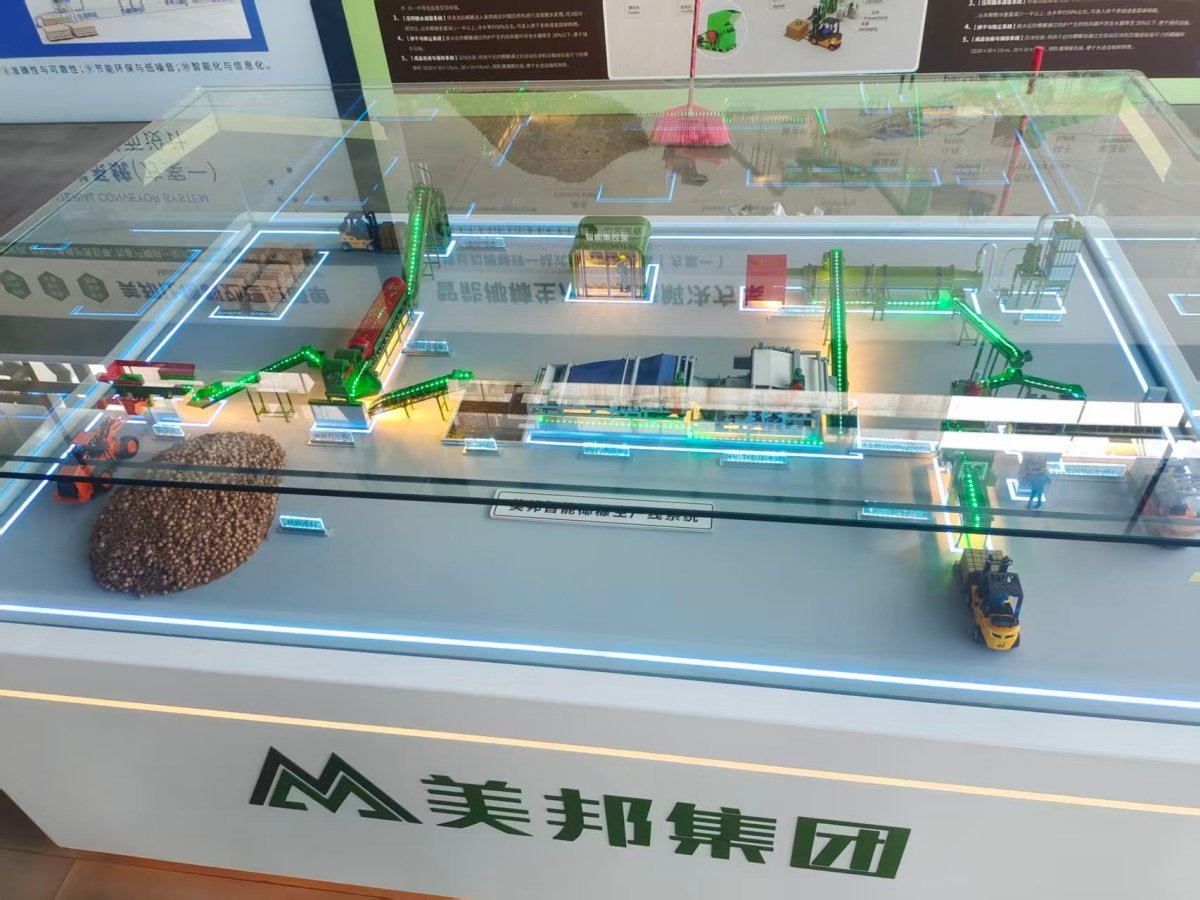
For large-scale operations, many factories invest in a coco peat automatic production line. Automation increases production efficiency and reduces labor costs.
A typical automated production line includes:
- Raw material feeding system
- Crushing and fiber separation machines
- Screening equipment
- Washing and desalination tanks
- Coco peat dewatering machines
- Drying equipment
- Compression and packaging machines
By integrating these machines into a coco peat automated production line, manufacturers can process large quantities of raw material with minimal manual handling.
Automation also improves product consistency, which is essential for exporting coco peat to international markets.
Choosing the Right Location
Location is a critical factor when establishing a coco peat processing plant.
Ideal locations usually have:
- Abundant coconut husk supply
- Access to water for washing processes
- Convenient transportation for exports
- Adequate land for storage and drying areas
Many successful coco peat factories are located near coconut plantations or coconut processing industries. This reduces raw material transportation costs and ensures a stable supply.
Investment and Production Capacity
The investment required for a coco peat processing plant depends on the scale of production and the level of automation.
A small-scale plant may require:
- Basic crushing and screening equipment
- Manual drying areas
- Simple compression machines
Larger plants often invest in advanced coco peat equipment and fully automated production lines.
Typical production capacities range from:
- 5 tons per hour for small factories
- 10–20 tons per hour for medium-scale plants
- 30 tons per hour or more for industrial operations
Choosing the right capacity depends on your target market and raw material availability.
Quality Control and Export Standards
To compete in the international market, coco peat products must meet certain quality standards.
Key parameters include:
- Low electrical conductivity (EC)
- Proper pH level
- Uniform particle size
- Controlled moisture content
Using reliable coco peat machines and a well-designed processing line helps maintain consistent quality. Export buyers often require laboratory test reports before placing large orders.
Marketing Coco Peat Products
Once production begins, the next step is marketing your products to global buyers.
Common export products include:
- Coco peat blocks
- Coco peat briquettes
- Coco grow bags
- Loose coco peat for soil mixing
Major markets include:
- Europe
- United States
- Middle East
- Japan
- South Korea
Building partnerships with agricultural distributors and greenhouse suppliers can help expand your sales network.
Conclusion
Starting a coco peat processing plant is a promising business opportunity in the growing sustainable agriculture industry. With abundant coconut resources and increasing demand for organic growing media, coco peat production has strong global market potential.
By investing in reliable coco peat equipment, including crushing machines, screening systems, and coco peat dewatering machines, manufacturers can build efficient and profitable operations. Implementing a coco peat automated production line further improves productivity and product quality.
With the right planning, equipment selection, and market strategy, a coco peat processing plant can become a successful long-term investment in the agricultural sector.