
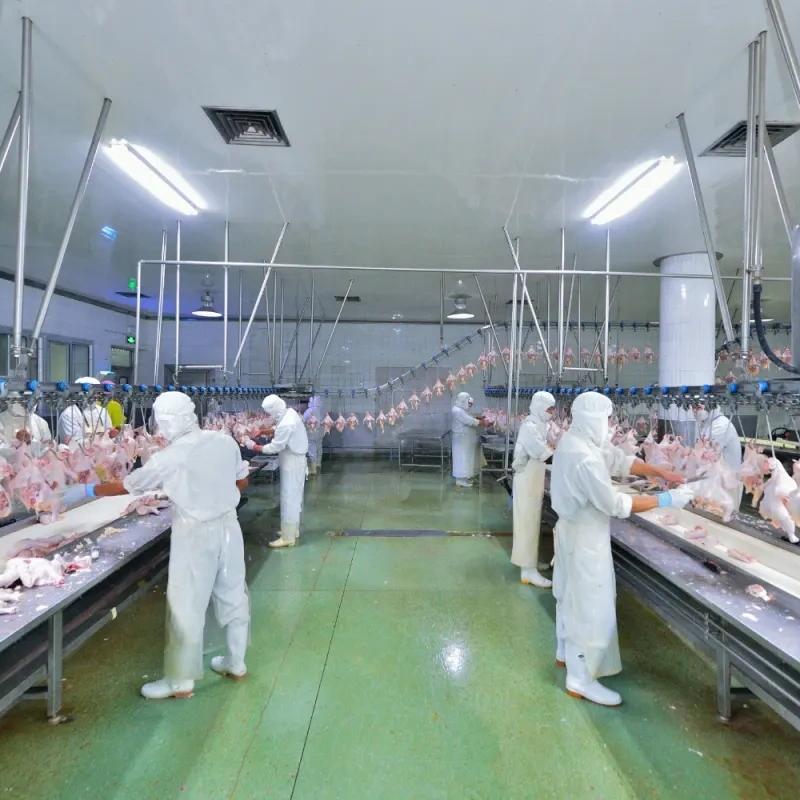
The meat processing industry faces increasing pressure to control wastewater treatment costs while meeting stricter environmental regulations. Whether processing poultry, pork, beef, or other livestock products, slaughterhouses generate large volumes of wastewater containing blood, fats, proteins, suspended solids, and organic matter. As treatment systems remove these contaminants, significant quantities of sludge are produced.
For many slaughterhouse operators, sludge management has become one of the largest operating expenses within the wastewater treatment process. Transportation, disposal, labor, chemicals, and energy consumption can all contribute to rising costs.
One of the most effective ways to reduce overall slaughterhouse wastewater treatment costs is through efficient sludge dewatering. By removing more water from sludge before disposal, facilities can significantly reduce handling expenses while improving operational efficiency.
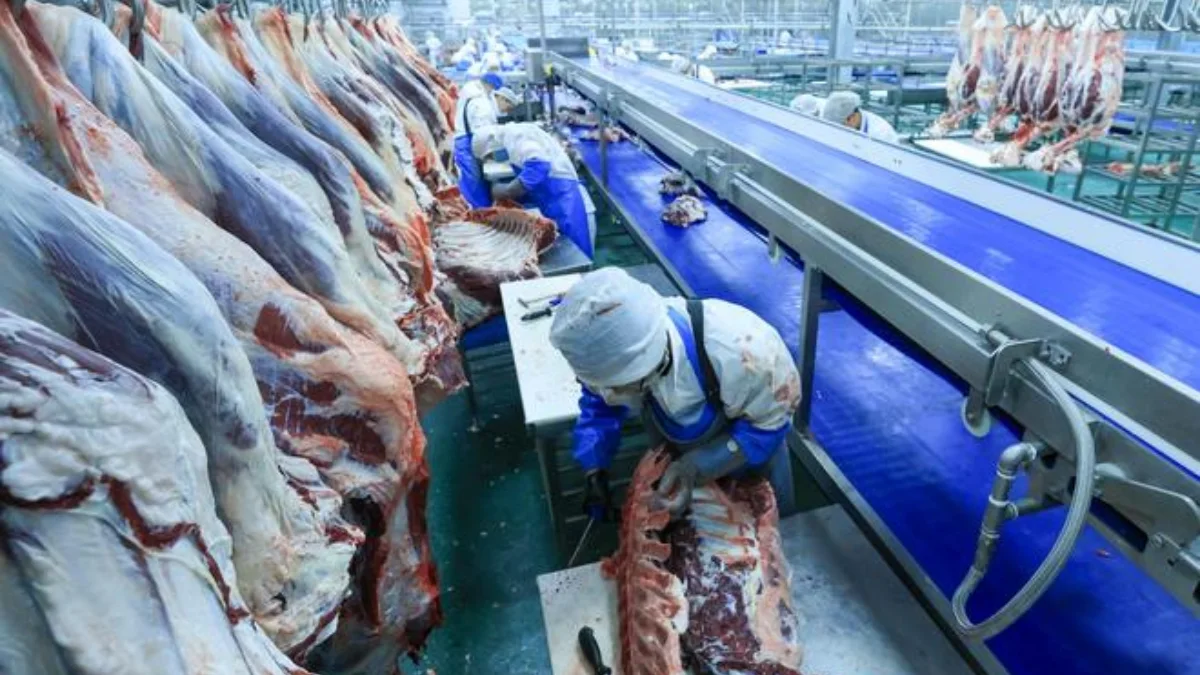
Why Sludge Management Is a Major Cost Factor
A typical slaughterhouse wastewater treatment plant may include:
- Screening systems
- Dissolved Air Flotation (DAF)
- Equalization tanks
- Biological treatment
- Clarification systems
- Sludge treatment units
While these processes successfully remove pollutants from wastewater, they also generate large amounts of sludge.
The challenge is that untreated sludge often contains 95% to 99% water. Transporting and disposing of water is expensive. Many facilities pay disposal fees based on weight or volume, meaning excessive moisture directly increases operating costs.
In some cases, sludge handling and disposal can account for 30% to 60% of the total wastewater treatment budget.
Reducing sludge volume before transportation is therefore one of the fastest ways to lower operating expenses.
The Hidden Cost of Poor Sludge Dewatering
Many slaughterhouses continue using outdated sludge management methods, including settling ponds, drying beds, or undersized dewatering equipment.
These approaches often result in:
- High sludge transportation costs
- Frequent disposal requirements
- Increased labor demand
- Odor problems
- Larger storage areas
- Higher environmental risks
For example, if sludge cake moisture content remains above 85%, the facility may need twice as many truckloads compared with sludge dewatered to lower moisture levels.
Over time, transportation and landfill costs can exceed the original investment in improved dewatering equipment.
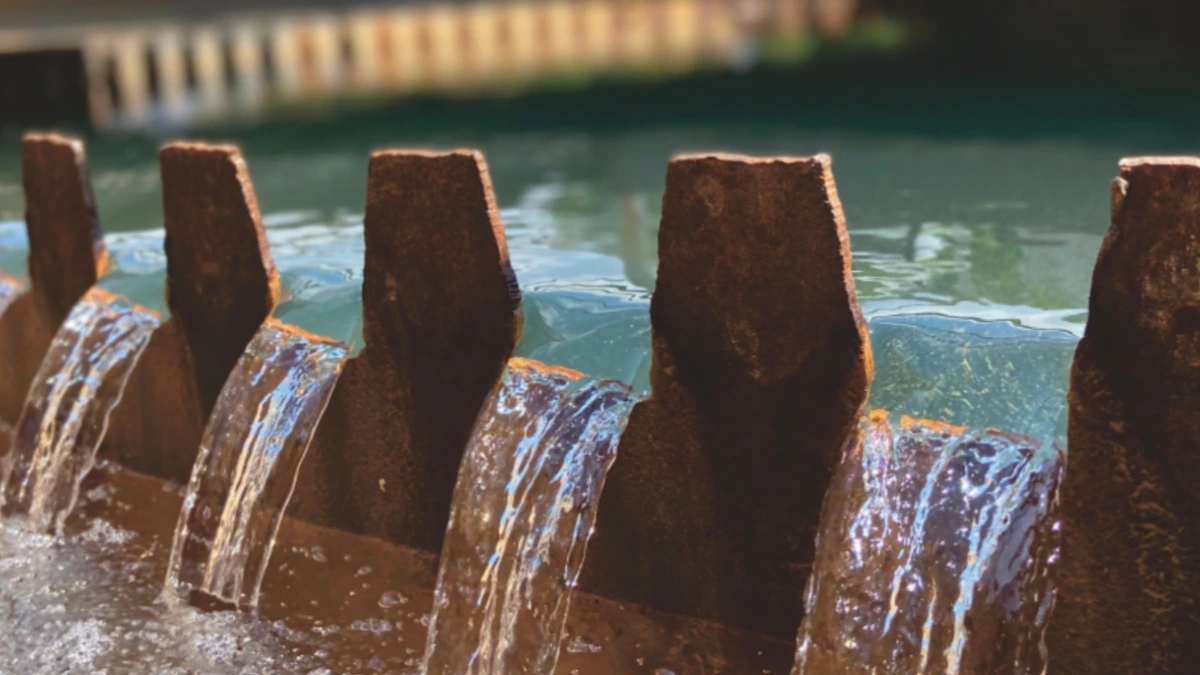
How Efficient Sludge Dewatering Reduces Costs
Efficient sludge dewatering focuses on maximizing water removal while minimizing energy and operating costs.
Benefits include:
Reduced Sludge Volume
The less water contained in sludge, the less material needs to be transported and disposed of.
Many slaughterhouse facilities achieve substantial volume reduction through mechanical dewatering, reducing disposal frequency and lowering transportation expenses.
Lower Disposal Fees
Disposal contractors typically charge based on weight.
Every percentage point of moisture removed from sludge translates into lower disposal costs over the life of the facility.
Improved Plant Efficiency
Well-dewatered sludge is easier to handle, store, and transport.
Operators spend less time managing sludge accumulation and can focus more on core production activities.
Better Environmental Compliance
Effective sludge management helps facilities meet environmental regulations while reducing risks associated with leakage, odor, and secondary pollution.
Choosing the Right Sludge Dewatering Equipment
Several technologies are commonly used in slaughterhouse wastewater treatment plants:
Screw Press
Screw presses are compact and easy to operate.
However, they are generally more suitable for smaller treatment plants with moderate sludge volumes.
Decanter Centrifuge
Centrifuges provide continuous operation and relatively high automation.
However, they typically consume more energy and require higher maintenance costs compared with belt dewatering systems.
Belt Filter Press
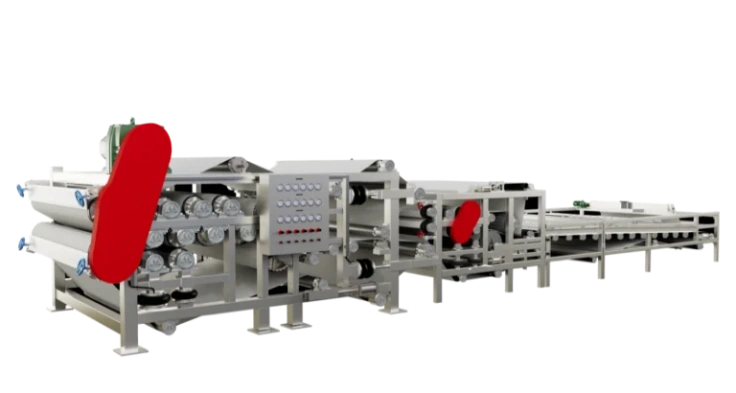
For medium to large wastewater treatment facilities, the belt filter press remains one of the most cost-effective sludge dewatering solutions.
Its advantages include:
- Continuous operation
- Low energy consumption
- High throughput capacity
- Simple maintenance
- Lower operating costs
- Stable dewatering performance
These characteristics make belt filter presses particularly attractive for slaughterhouses processing large wastewater volumes every day.
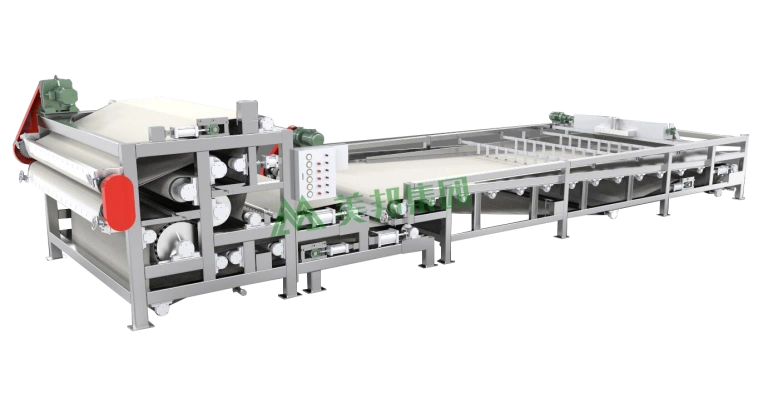
Why Large Belt Filter Presses Are Gaining Attention
As slaughterhouse operations expand, wastewater treatment systems must handle increasing sludge volumes.
Many traditional dewatering units become bottlenecks as production capacity grows.
Large belt filter presses provide a practical solution by offering significantly higher processing capacity without dramatically increasing operating costs.
Modern designs can process large volumes of biological sludge, DAF sludge, and mixed industrial sludge continuously throughout the day.
Compared with multiple small dewatering units, a large-capacity belt filter press can reduce equipment quantity, simplify maintenance, and improve overall plant efficiency.
Advantages of a Large Belt Filter Press for Slaughterhouse Sludge
For facilities seeking to reduce wastewater treatment costs, a large belt filter press offers several key benefits.
High Throughput Capacity
Large slaughterhouses often generate substantial quantities of sludge every day.
A high-capacity belt filter press can handle these volumes efficiently while maintaining continuous operation.
Lower Energy Consumption
Energy costs are an important consideration for industrial wastewater treatment.
Compared with some alternative dewatering technologies, belt filter presses typically consume less electricity per ton of sludge processed.
Continuous Automatic Operation
Modern systems can operate automatically with minimal operator intervention.
This reduces labor requirements while improving process consistency.
Lower Lifecycle Cost
Equipment investment is only part of the equation.
Maintenance, spare parts, energy usage, and operating reliability all influence total ownership cost.
A well-designed belt filter press can provide significant savings over years of operation.
Reduced Sludge Disposal Costs
By producing a drier sludge cake, facilities can substantially decrease transportation and disposal expenses.
This is often the largest source of financial return from a sludge dewatering upgrade.
A Strategic Investment for Long-Term Savings
Many slaughterhouse operators focus primarily on wastewater treatment compliance. However, reducing sludge management costs can deliver substantial financial benefits year after year.
Rather than viewing sludge dewatering as a secondary process, forward-thinking facilities increasingly recognize it as a critical cost-control strategy.
Investing in efficient sludge dewatering equipment allows slaughterhouses to:
- Reduce disposal costs
- Improve operational efficiency
- Lower energy consumption
- Simplify sludge handling
- Support environmental compliance
- Improve long-term profitability
Conclusion
As wastewater treatment costs continue to rise across the meat processing industry, efficient sludge dewatering has become one of the most effective ways to improve plant economics.
For medium and large slaughterhouse wastewater treatment plants, a large belt filter press offers an attractive combination of high processing capacity, low energy consumption, continuous operation, and reduced sludge disposal costs.
By upgrading sludge dewatering performance, slaughterhouses can achieve both environmental compliance and measurable cost savings, creating a more sustainable and profitable wastewater treatment operation for years to come.