
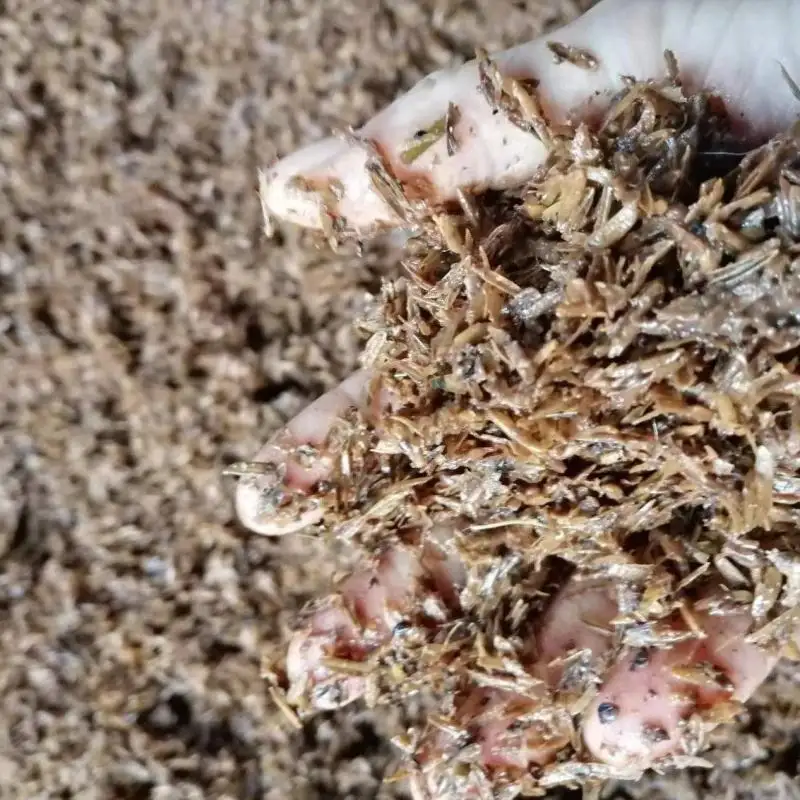

In modern corn ethanol plants, DDGS drying is often one of the largest energy consumers in the entire production process. As natural gas and steam costs continue to rise globally, ethanol producers are under increasing pressure to reduce operating expenses while maintaining stable DDGS quality and production capacity.
For many ethanol plants, improving the efficiency of the DDGS dewatering stage before thermal drying has become one of the most effective ways to lower overall energy consumption.
A properly designed mechanical dewatering system can significantly reduce the moisture load entering the dryer, helping plants decrease fuel usage, improve dryer performance, and reduce long-term operating costs.
Why DDGS Drying Consumes So Much Energy
DDGS (Distillers Dried Grains with Solubles) is a valuable byproduct of corn ethanol production. After fermentation and distillation, the remaining solids contain protein, fiber, oil, and residual moisture.
In many ethanol facilities, wet distillers grains may contain moisture levels as high as 65% to 70%. Before DDGS can be stored, transported, or sold as animal feed, the moisture content must be reduced significantly.
Most plants rely heavily on thermal drying systems, including rotary dryers or ring dryers. However, evaporating water using heat is extremely energy intensive.
In fact:
Removing water mechanically is usually far cheaper than evaporating the same amount of water thermally.
This is why more ethanol producers are focusing on mechanical dewatering technologies before the drying stage.
The Importance of Mechanical Dewatering Before DDGS Drying
A high-efficiency DDGS dewatering system can reduce the moisture content of wet distillers grains before they enter the dryer. Lower incoming moisture directly reduces dryer fuel demand.
Benefits include:
- Lower natural gas consumption
- Reduced steam usage
- Lower dryer operating temperature
- Increased dryer throughput
- Reduced maintenance costs
- Improved energy efficiency
- Lower carbon emissions
For large-scale corn ethanol plants, even a small reduction in moisture can translate into substantial annual energy savings.
For example, reducing DDGS moisture from 65% to 55% before thermal drying can significantly decrease the evaporation load on downstream equipment.
Why Large Belt Filter Presses Are Becoming Popular in Ethanol Plants
Traditional dewatering systems such as screw presses are widely used in the ethanol industry. However, many plants face limitations including:
- Insufficient dewatering performance
- High wear rates
- Limited throughput
- High maintenance frequency
- Inconsistent cake moisture
As ethanol production capacity increases, many facilities are looking for more robust and energy-efficient dewatering equipment.
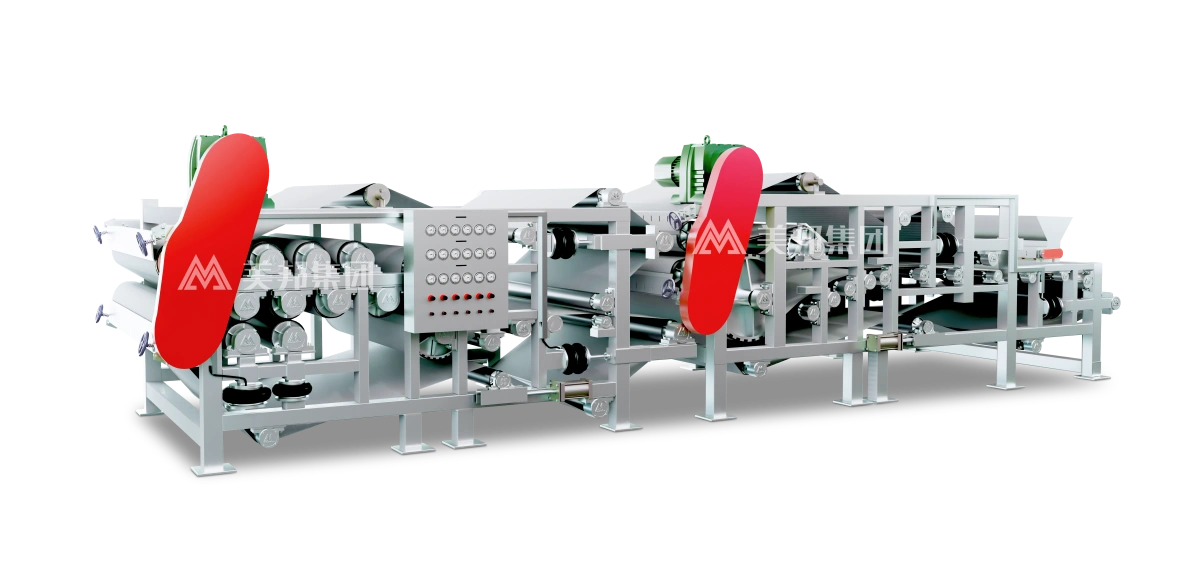
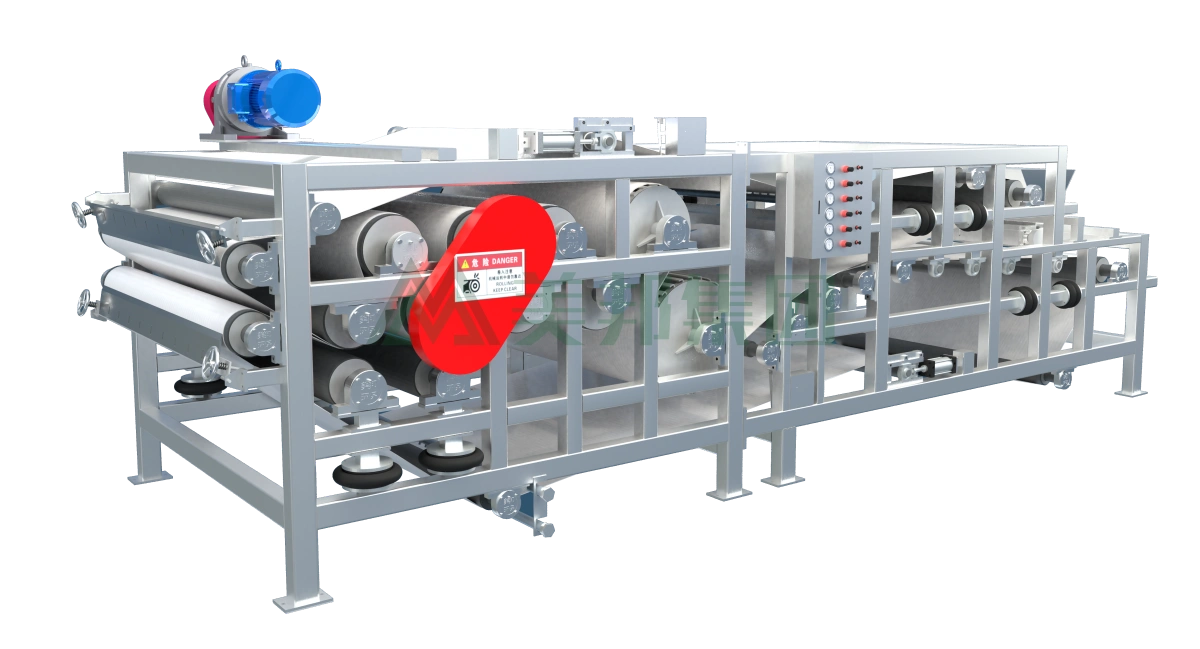
This is where ultra-large dual-motor belt filter presses are gaining attention.
Compared with smaller dewatering systems, a large-scale belt press can provide:
- Higher processing capacity
- More stable continuous operation
- Better pressure distribution
- Improved moisture reduction
- Lower energy consumption per ton processed
For high-volume DDGS processing lines, large belt filter presses are particularly suitable for continuous industrial operation.
Advantages of Dual-Motor Belt Filter Press Technology
In large corn ethanol plants, equipment reliability is critical. Unplanned shutdowns can result in major production losses.
A dual-motor belt filter press is designed for heavy-duty continuous operation. Compared with conventional single-drive systems, dual-motor configurations offer several important advantages.
1. Higher Torque and Stable Operation
Large volumes of wet distillers grains require strong and stable driving force. Dual motors provide better torque distribution, especially under high-load conditions.
This helps maintain stable belt speed and pressure during continuous DDGS dewatering.
2. Better Performance for High-Moisture Materials
Wet distillers grains can be sticky and difficult to handle. A high-pressure belt press system improves water removal efficiency while maintaining smooth material discharge.
3. Lower Long-Term Operating Costs
Efficient mechanical dewatering reduces the thermal load on downstream dryers. Over time, this can significantly lower fuel costs and improve overall plant profitability.
4. Large Processing Capacity
Ultra-large belt filter presses are designed for industrial-scale ethanol production lines. With wider belts and longer pressing zones, they can handle high throughput continuously.
This is especially important for modern ethanol plants operating 24/7.
How Reduced Moisture Improves DDGS Processing
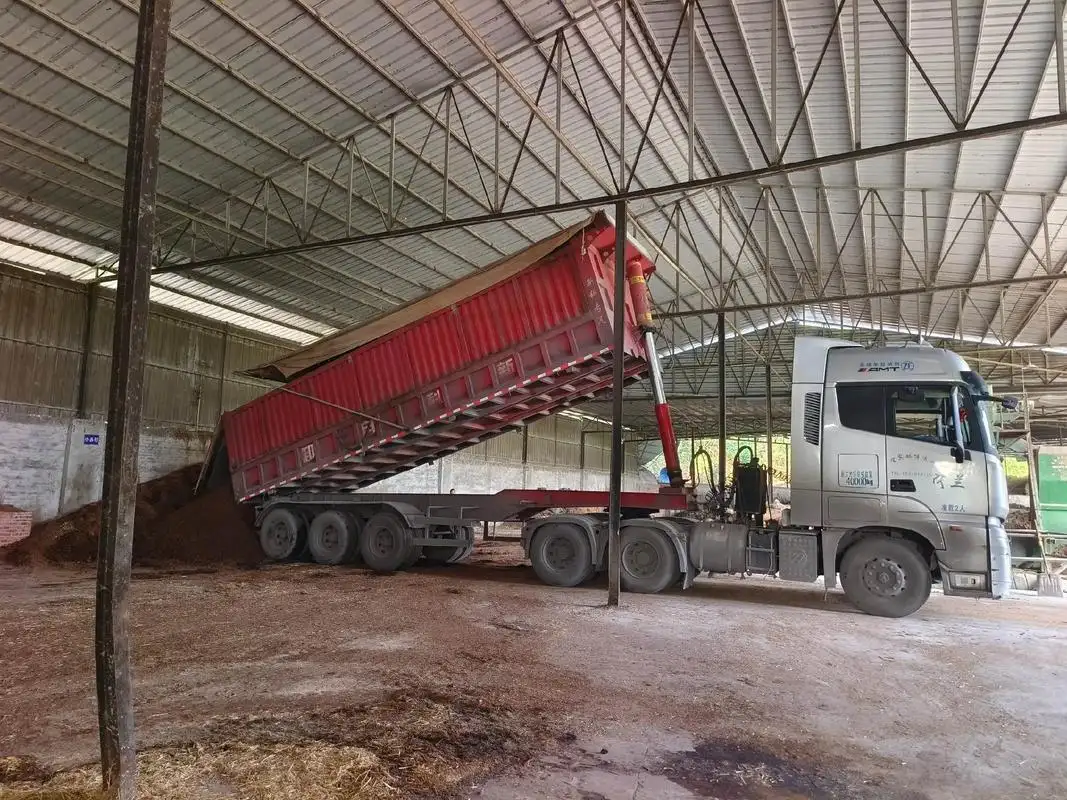
Lower DDGS moisture content affects more than just energy consumption.
Improved dewatering can also help solve common operational problems such as:
- Sticky material handling
- Conveyor blockages
- Dryer overload
- Product inconsistency
- Storage difficulties
Better moisture control also improves downstream DDGS quality and handling performance.
For feed producers, stable moisture content is important for storage stability and transportation efficiency.
Energy Saving Opportunities in Brazil’s Corn Ethanol Industry
Brazil’s corn ethanol industry has expanded rapidly in recent years. As more ethanol plants are built, energy efficiency is becoming a major focus for plant operators.
In many facilities, reducing DDGS drying costs is now considered a key strategy for improving overall profitability.
Mechanical dewatering systems such as high-pressure belt filter presses can help Brazilian ethanol producers:
- Reduce natural gas consumption
- Lower drying system load
- Improve operational efficiency
- Reduce maintenance downtime
- Increase DDGS production stability
As energy costs continue to fluctuate, investment in efficient DDGS dewatering equipment is becoming increasingly attractive.
Choosing the Right DDGS Dewatering Equipment
When selecting a DDGS dewatering system for a corn ethanol plant, operators should consider several important factors:
Processing Capacity
Large ethanol facilities require equipment capable of handling continuous high-volume production.
Moisture Reduction Performance
The effectiveness of moisture removal directly impacts downstream energy consumption.
Equipment Reliability
Continuous operation requires durable industrial-grade components and stable drive systems.
Energy Efficiency
The ultimate goal is to reduce total drying energy consumption and operating costs.
Maintenance Requirements
Lower maintenance frequency helps reduce downtime and labor costs.
The Future of DDGS Dewatering in Ethanol Plants
As ethanol producers continue seeking ways to improve plant efficiency, mechanical dewatering will play an increasingly important role in DDGS processing systems.
High-capacity dual-motor belt filter presses are becoming an effective solution for reducing dryer energy consumption while supporting stable large-scale production.
For modern corn ethanol plants, improving DDGS dewatering is no longer simply a processing upgrade — it is an important strategy for reducing operational costs and improving long-term competitiveness.
Plants that successfully reduce moisture before thermal drying can achieve significant savings in fuel, energy, and maintenance over the lifetime of the production system.