
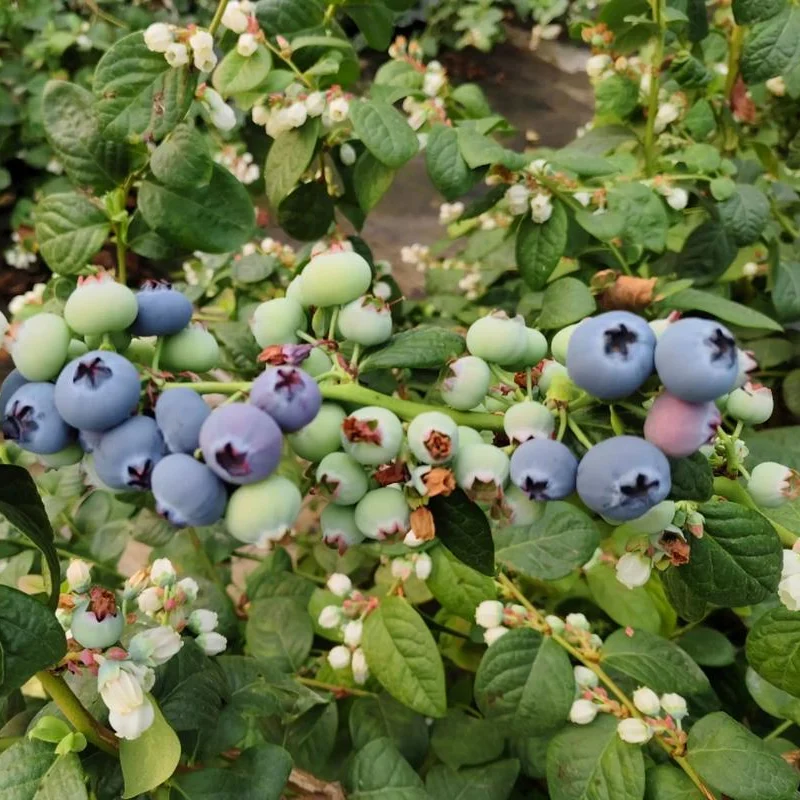
Blueberries have become one of the fastest-growing commercial fruit crops worldwide. Rising consumer demand for fresh berries, expanding protected cultivation, and the increasing adoption of substrate-based production systems have encouraged growers to invest in high-quality growing media that can deliver consistent yields and premium fruit quality.
Unlike many other fruit crops, blueberries have relatively shallow root systems and require a unique root environment. The ideal substrate must provide excellent water retention while maintaining sufficient aeration. It must also offer a stable acidic pH, low soluble salt levels, and a uniform physical structure. For this reason, professional blueberry growers rarely rely on a single substrate material. Instead, they commonly use carefully formulated blends of peat moss and coco peat, combining the strengths of both materials to create an optimal growing medium.
While much attention is often given to substrate formulas and mixing ratios, the quality of the raw materials themselves is equally important. Moisture content, salt concentration, and fiber structure all influence the performance of the final growing media. As a result, proper processing of peat moss and coco peat has become an essential step in modern substrate manufacturing.
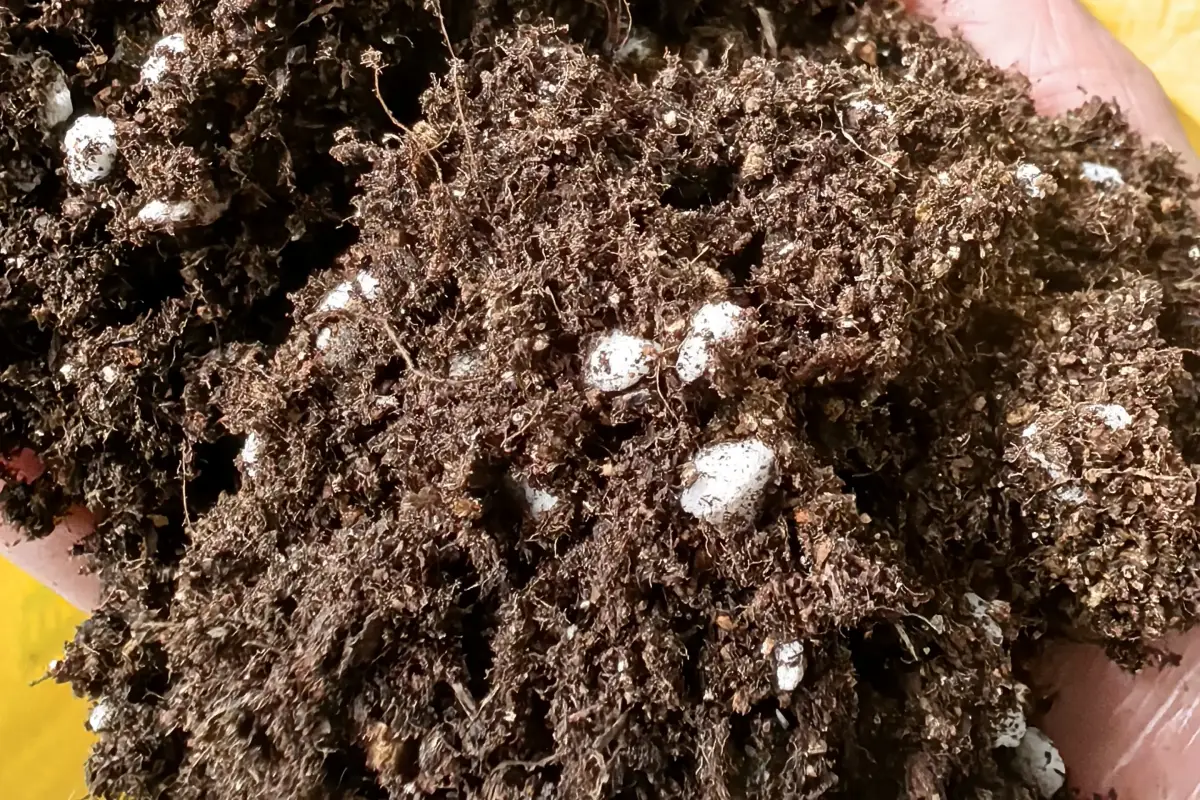
Why Blueberry Growing Media Depends on Both Peat Moss and Coco Peat
Peat moss has long been recognized as one of the best substrate materials for blueberry cultivation.
Its naturally acidic pH typically falls within the range preferred by blueberry roots, reducing the need for additional acidifying agents. Peat moss also possesses excellent water-holding capacity, allowing it to retain sufficient moisture while supplying water gradually to the root zone. In addition, its high organic matter content and stable structure help create a healthy growing environment throughout multiple growing seasons.
Coco peat, on the other hand, contributes different but equally valuable characteristics.
Produced from processed coconut husks, coco peat improves air porosity and root oxygen availability while maintaining excellent moisture retention. Its fibrous structure enhances drainage and prevents substrate compaction, making it an ideal partner for peat moss in commercial growing media.
When blended together in appropriate proportions, peat moss and coco peat create a balanced substrate capable of supporting vigorous root development, stable moisture distribution, and healthy blueberry growth.
However, producing a premium growing medium requires far more than simply mixing these two materials.
Moisture Control Starts with Peat Moss Processing
Freshly harvested peat moss contains a significant amount of natural moisture. Depending on harvesting conditions, moisture content may reach 80% to 90%.
Such high moisture levels create several challenges for commercial substrate manufacturers.
Excess water increases transportation weight, raises logistics costs, and reduces storage efficiency. Wet peat is also more difficult to screen, blend, and package consistently during industrial production.
Traditionally, many peat producers reduce moisture through natural field drying before further processing. This remains an effective approach in regions with suitable climate conditions.
However, natural drying is not always sufficient. Weather conditions, production schedules, and transportation requirements may require additional moisture control before peat enters the next processing stage.
In these situations, mechanical dewatering can help remove excess free water, improving handling efficiency while reducing transportation costs per usable ton of peat.
Rather than replacing traditional drying methods, mechanical dewatering serves as a practical complement that helps manufacturers achieve more consistent production and better logistics performance.
Why Coco Peat Requires Desalination Before Use
Unlike peat moss, freshly processed coco peat cannot normally be used directly as a blueberry growing substrate.
Because coconut husks are often exposed to seawater or naturally contain soluble mineral salts, raw coco peat frequently exhibits elevated electrical conductivity (EC). Excess sodium, potassium, and chloride can negatively affect blueberry root development and nutrient uptake.
For this reason, commercial coco peat production includes a desalination process before the material reaches the growing media factory.
During washing, large quantities of clean water pass through the coco peat to remove soluble salts and lower EC to horticultural standards.
While this process successfully improves substrate quality, it introduces another challenge.
After washing, coco peat absorbs substantial amounts of water, resulting in extremely high moisture content. Without efficient moisture removal, transportation, storage, drying, and subsequent blending become significantly more expensive and less efficient.
Mechanical dewatering therefore becomes a critical processing step immediately after desalination.
The Importance of Mechanical Dewatering
Whether processing peat moss or washed coco peat, controlling moisture content offers important operational advantages.
Reducing excess water lowers transportation costs by decreasing shipment weight. It also shortens drying time, improves production efficiency, and enables more consistent raw material handling during blending and packaging.
For substrate manufacturers processing large production volumes every day, efficient moisture management contributes directly to lower operating costs and improved product consistency.
Mechanical dewatering is especially valuable when production lines require continuous operation and predictable material quality.
Why Belt Filter Presses Are Well Suited for Growing Media Production
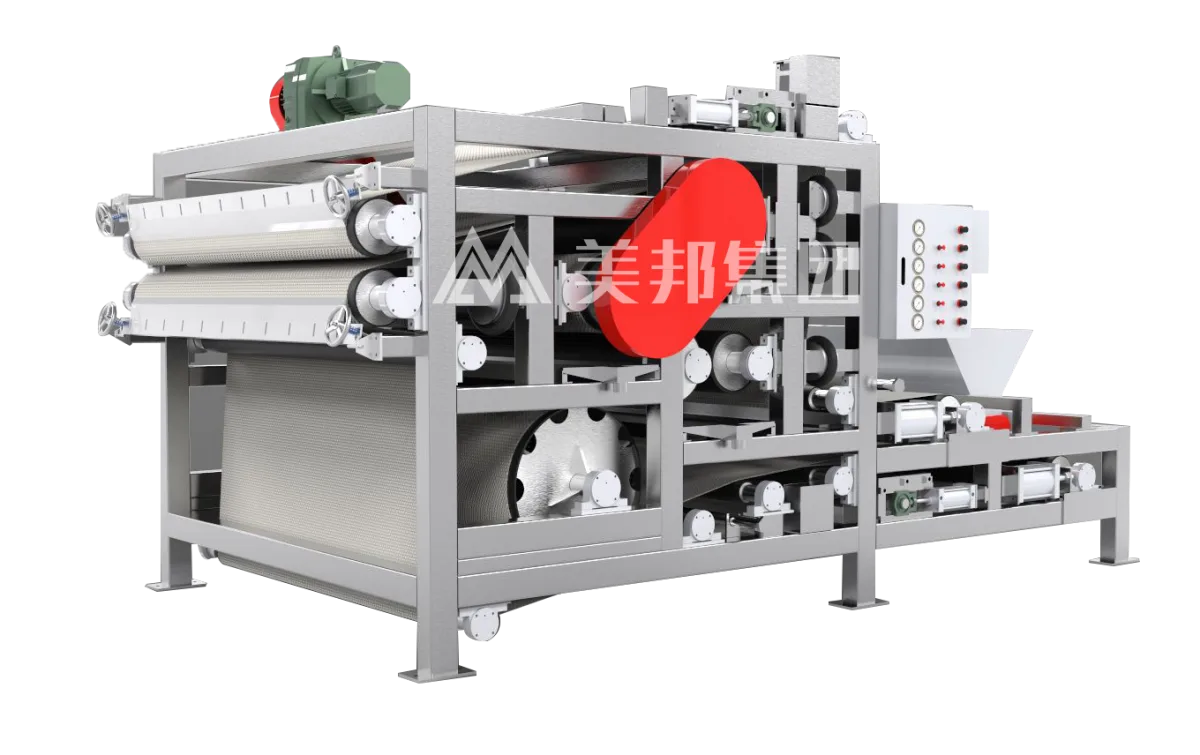
Among various mechanical dewatering technologies, belt filter presses provide several advantages for processing fibrous horticultural materials such as peat moss and coco peat.
Unlike batch equipment, a belt filter press operates continuously, allowing substrate manufacturers to process large volumes without frequent interruptions.
The material first passes through a gravity drainage zone where free water is removed naturally. It then enters multiple pressure zones where water is gradually squeezed from the material between moving filter belts.
This progressive dewatering process helps preserve the fiber structure that is essential for high-quality growing media.
For coco peat producers, maintaining fiber integrity is particularly important because the physical structure directly affects aeration, water retention, and long-term substrate stability.
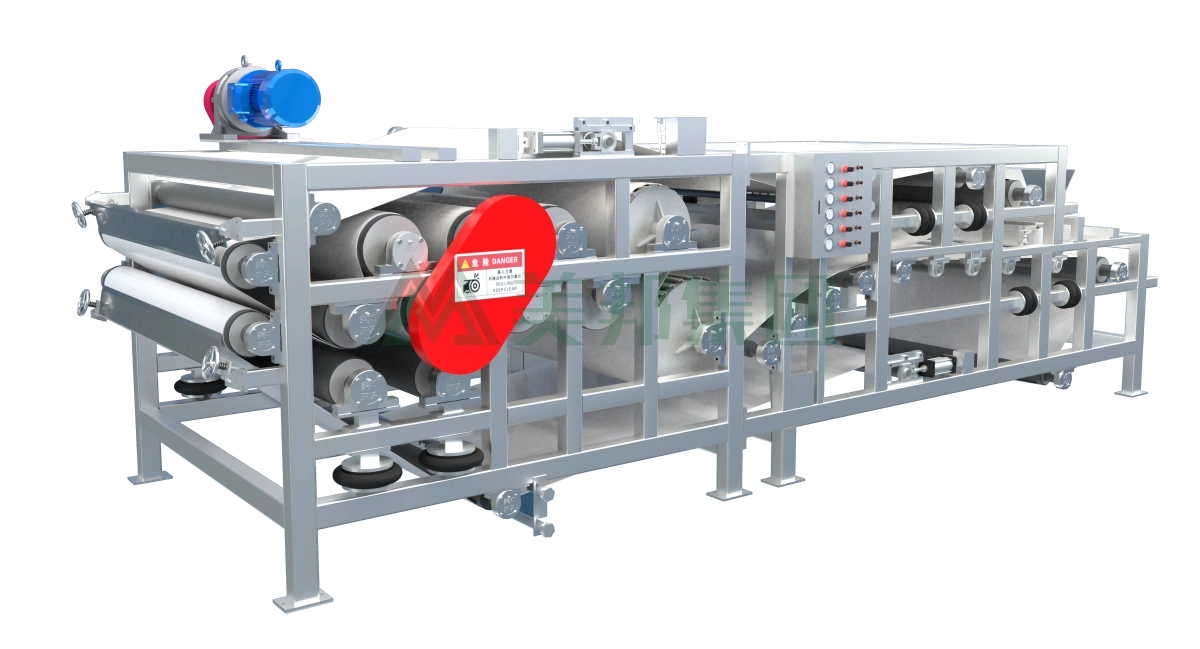
High-capacity belt filter presses also offer additional benefits, including:
- Continuous industrial operation
- Large processing capacity
- Low energy consumption
- Stable moisture reduction
- Simple maintenance
- High automation
- Lower operating costs
These characteristics make belt filter presses suitable for both peat processing facilities and coco peat production lines where large quantities of fibrous material require reliable mechanical dewatering.
Better Raw Materials Produce Better Growing Media
The quality of commercial blueberry substrates depends not only on the proportion of peat moss and coco peat but also on the consistency of the raw materials entering the mixing process.
If peat contains excessive free water, blending becomes less uniform and transportation costs increase.
If washed coco peat retains too much moisture, drying efficiency decreases while packaging and storage become more difficult.
Likewise, inadequate desalination may leave salt concentrations too high for sensitive blueberry roots.
Each processing stage influences the physical and chemical characteristics of the final substrate.
By combining properly processed peat moss with thoroughly desalinated and mechanically dewatered coco peat, substrate manufacturers can produce growing media with more consistent moisture characteristics, lower EC, improved structure, and better long-term performance.
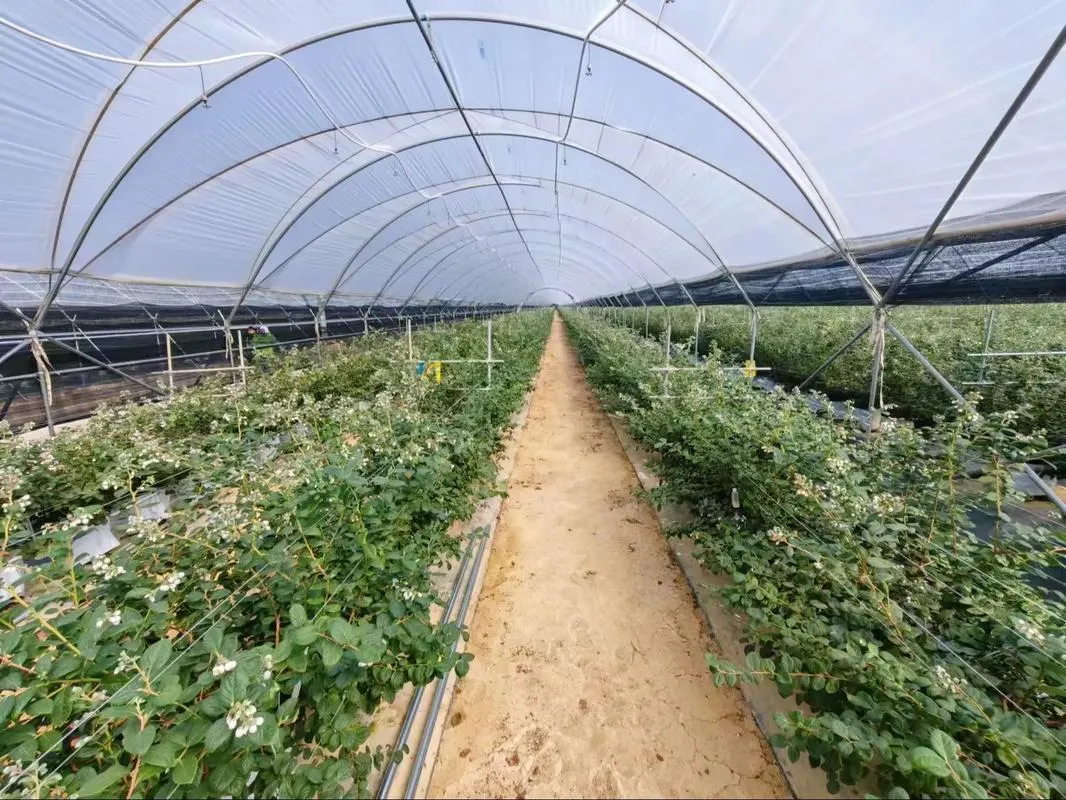
Supporting the Future of Commercial Blueberry Production
As commercial blueberry cultivation continues expanding across North America, Europe, South America, China, and other emerging production regions, growers are placing greater emphasis on substrate consistency and production efficiency.
This trend is creating new opportunities for substrate manufacturers to improve both product quality and operational performance.
From peat harvesting and moisture management to coco peat desalination, mechanical dewatering, blending, and packaging, every processing step contributes to the overall quality of blueberry growing media.
For manufacturers seeking to improve production efficiency while maintaining premium substrate quality, high-capacity belt filter presses provide an effective solution for moisture control in both peat moss and coco peat processing.
As demand for premium horticultural substrates continues to grow, efficient dewatering technology will remain an important part of producing reliable growing media that supports healthy blueberry roots, consistent crop performance, and sustainable commercial cultivation.