
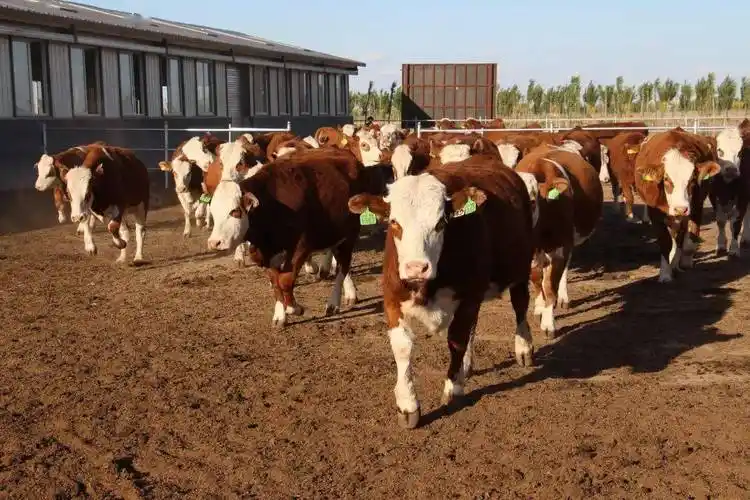

Feed accounts for the largest portion of cattle production costs worldwide. Whether raising beef cattle or dairy cows, livestock producers continuously search for affordable feed ingredients that can maintain animal performance while reducing operating expenses. In many cassava-producing countries, dewatered cassava pulp has emerged as an increasingly valuable feed ingredient that helps achieve this balance.
Traditionally viewed as a by-product of starch production, cassava pulp is now gaining recognition as a practical energy feed ingredient for cattle. Through efficient cassava pulp dewatering, starch plants can transform wet processing waste into a useful agricultural product, while cattle producers gain access to a cost-effective feed resource.
As feed prices fluctuate and pressure on farm profitability increases, the role of dewatered cassava pulp in livestock production is becoming more important.
What Is Cassava Pulp?
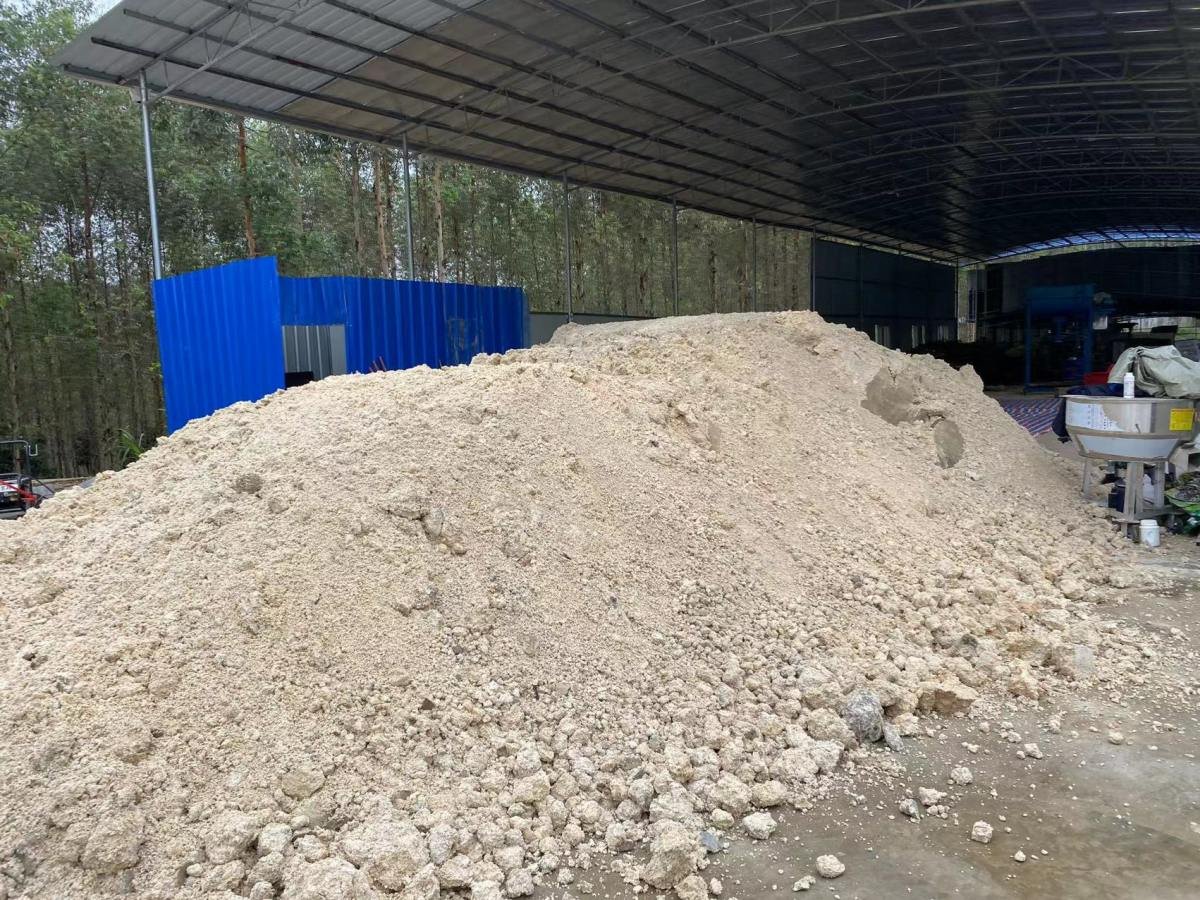
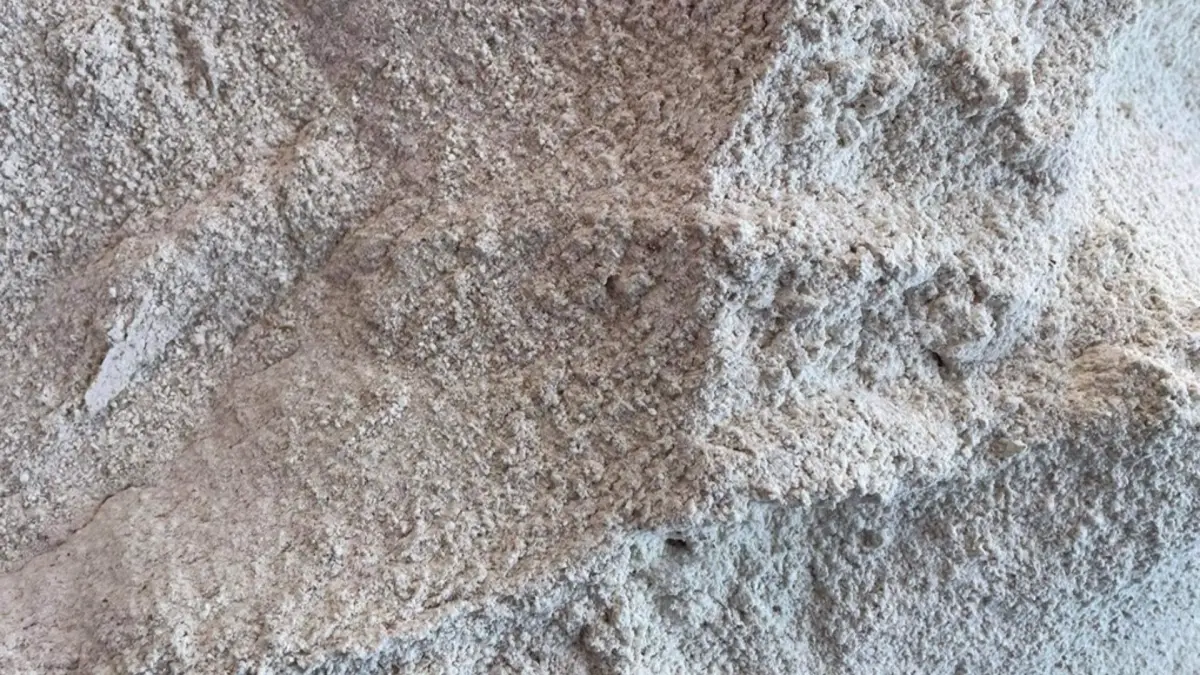
Cassava pulp is the fibrous residue remaining after starch extraction from cassava roots. Although most of the starch is removed during processing, the pulp still contains residual carbohydrates, digestible fiber, and useful energy that can contribute to cattle nutrition.
Large cassava starch plants generate significant quantities of cassava pulp every day. In major cassava-producing regions such as Thailand, Vietnam, Indonesia, Brazil, and Nigeria, this material has become an important component of local agricultural supply chains.
However, fresh cassava pulp typically contains between 75% and 85% moisture. At this moisture level, transportation and storage become expensive and inefficient. This is why cassava pulp dewatering has become a critical step in maximizing its economic value.
Why Moisture Content Matters
Many people focus on the nutritional value of feed ingredients but overlook the impact of moisture on overall feeding costs.
Fresh cassava pulp may appear inexpensive, but transporting large quantities of water can significantly increase logistics expenses. For example, a truckload of cassava pulp containing 80% moisture carries only a small percentage of useful dry matter.
By reducing moisture through mechanical dewatering, producers can transport more feed value per truckload. This directly lowers transportation costs and improves supply chain efficiency.
Dewatered cassava pulp also offers several practical advantages:
- Reduced transportation expenses
- Improved storage stability
- Lower spoilage risk
- Easier handling and loading
- Reduced drying requirements
For both starch factories and livestock producers, these benefits create measurable economic value.
Cassava Pulp as an Energy Feed Ingredient
Unlike soybean meal or other high-protein feed ingredients, cassava pulp is primarily used as an energy feed ingredient.
In cattle diets, energy is essential for:
- Weight gain
- Milk production
- Maintenance requirements
- Feed conversion efficiency
Many cattle producers rely heavily on grains and other energy-rich ingredients. However, rising grain prices often place pressure on farm profitability.
Cassava pulp for cattle feed offers an alternative source of dietary energy that can help reduce overall ration costs. When incorporated into balanced feed formulations alongside protein sources, forage, and mineral supplements, cassava pulp can contribute to efficient cattle production at a lower cost.
This is one reason why feed manufacturers across Southeast Asia continue to expand their use of dewatered cassava pulp.
How Cassava Pulp Dewatering Creates Value
The value of cassava pulp increases significantly once excess moisture is removed.
Without cassava pulp dewatering, starch producers often face disposal costs and logistical challenges. After dewatering, the same material becomes easier to market and transport.
Modern cassava pulp dewatering equipment allows processors to recover a useful agricultural product while reducing waste management expenses.
The benefits include:
- Lower disposal costs
- Higher by-product value
- Expanded market opportunities
- Improved sustainability
- Better resource utilization
For many starch plants, dewatered cassava pulp has become an additional revenue stream rather than a waste product.
Why Belt Filter Presses Are Widely Used
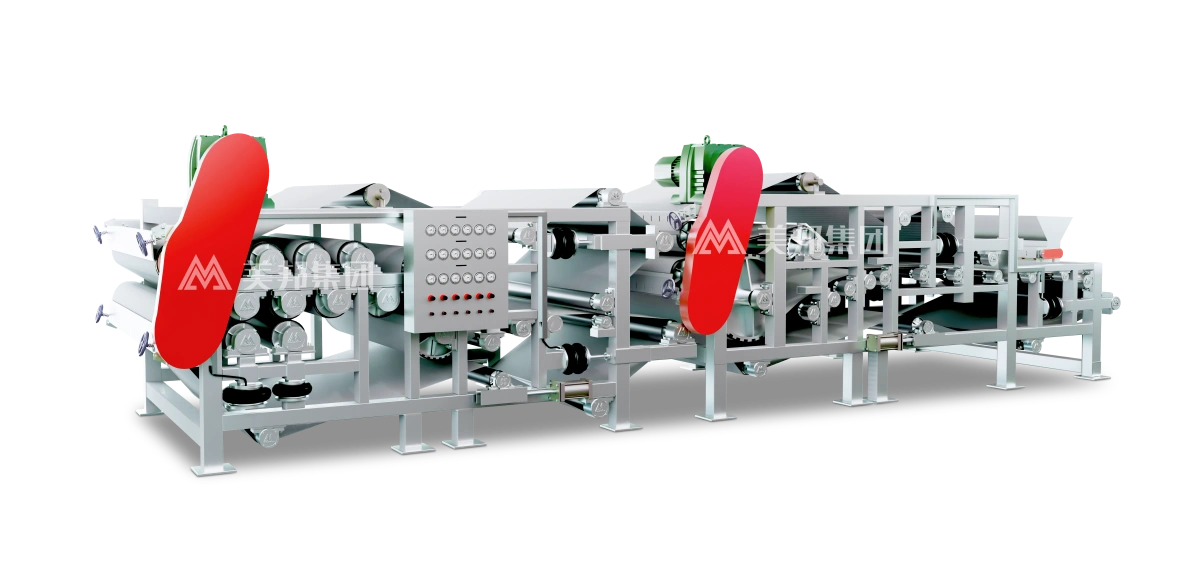
Among available dewatering technologies, the belt filter press has become one of the most effective solutions for cassava pulp processing.
Cassava pulp contains fibrous material that responds well to continuous mechanical dewatering. Unlike batch systems that interrupt production, a belt filter press operates continuously and can process large volumes of material throughout the day.
This makes belt filter press technology particularly suitable for cassava starch plants operating around the clock.
Major advantages include:
- Continuous operation
- High processing capacity
- Low energy consumption
- Reduced labor requirements
- Reliable performance
As production volumes increase, these advantages become even more important.
The Role of Dual-Motor Belt Filter Presses
Large cassava starch plants often generate hundreds of tons of wet pulp every day. Processing these volumes efficiently requires equipment designed for industrial-scale operation.
High-capacity dual-motor belt filter presses are increasingly used for cassava pulp dewatering because they provide stable operation and high throughput.
Compared with conventional designs, dual-motor systems offer:
Higher Processing Capacity
Wide belts and long pressing zones allow more material to be processed continuously, reducing production bottlenecks.
Better Moisture Reduction
Multiple dewatering stages help remove water progressively, producing a more manageable final product.
Lower Operating Costs
Mechanical water removal consumes significantly less energy than thermal drying, reducing overall processing expenses.
Stable Long-Term Operation
Dual-motor drive systems provide consistent belt movement and reliable performance during continuous operation.
For large cassava starch plants, these advantages contribute directly to profitability.
Supporting Sustainable Livestock Production
The livestock industry faces growing pressure to improve resource efficiency and reduce production costs.
Utilizing dewatered cassava pulp supports both objectives. Instead of discarding a valuable agricultural by-product, starch plants can supply feed manufacturers and cattle farms with a useful feed ingredient.
This approach helps create a more circular agricultural economy where processing by-products are converted into productive resources.
At the same time, cattle producers benefit from lower feed costs and greater flexibility in feed formulation.
As sustainability becomes increasingly important across agriculture, cassava pulp utilization is expected to continue expanding.
Conclusion
Feed costs remain one of the most important factors affecting cattle production profitability. As livestock producers search for economical feed ingredients, dewatered cassava pulp is becoming an increasingly attractive option.
Through efficient cassava pulp dewatering, starch plants can transform a high-moisture by-product into a valuable feed ingredient while reducing transportation costs, improving storage stability, and creating additional revenue opportunities.
For large-scale operations, modern dual-motor belt filter presses provide an effective solution for cassava starch plant dewatering, helping maximize resource utilization and improve overall profitability.
By converting cassava processing waste into a useful cattle feed ingredient, dewatering technology creates value for both starch producers and livestock farmers.