
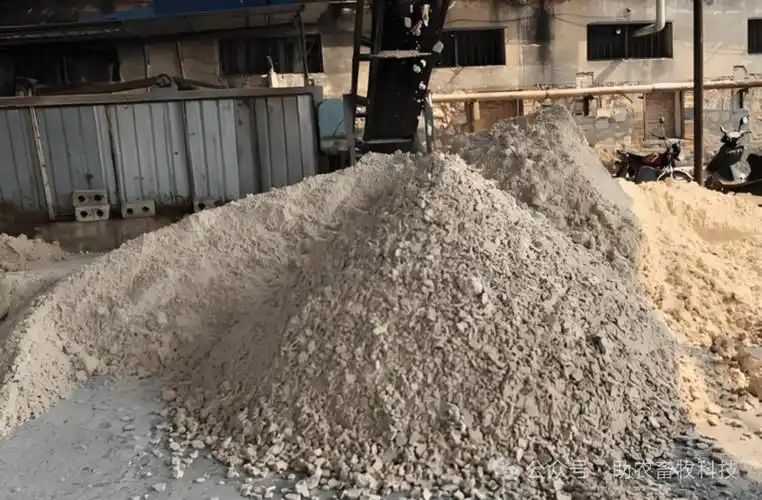

For many cassava starch plants, managing cassava pulp is becoming an increasingly important operational challenge. Every ton of cassava processed for starch production generates a significant amount of wet pulp, and this by-product often contains 75% to 85% moisture. As disposal costs rise and livestock producers seek affordable feed ingredients, more manufacturers are discovering that cassava pulp dewatering can transform a low-value waste stream into a profitable product.
Instead of treating cassava pulp as a disposal problem, modern starch producers are using cassava pulp dewatering equipment to reduce moisture, lower transportation costs, and create a valuable raw material for cattle feed production.
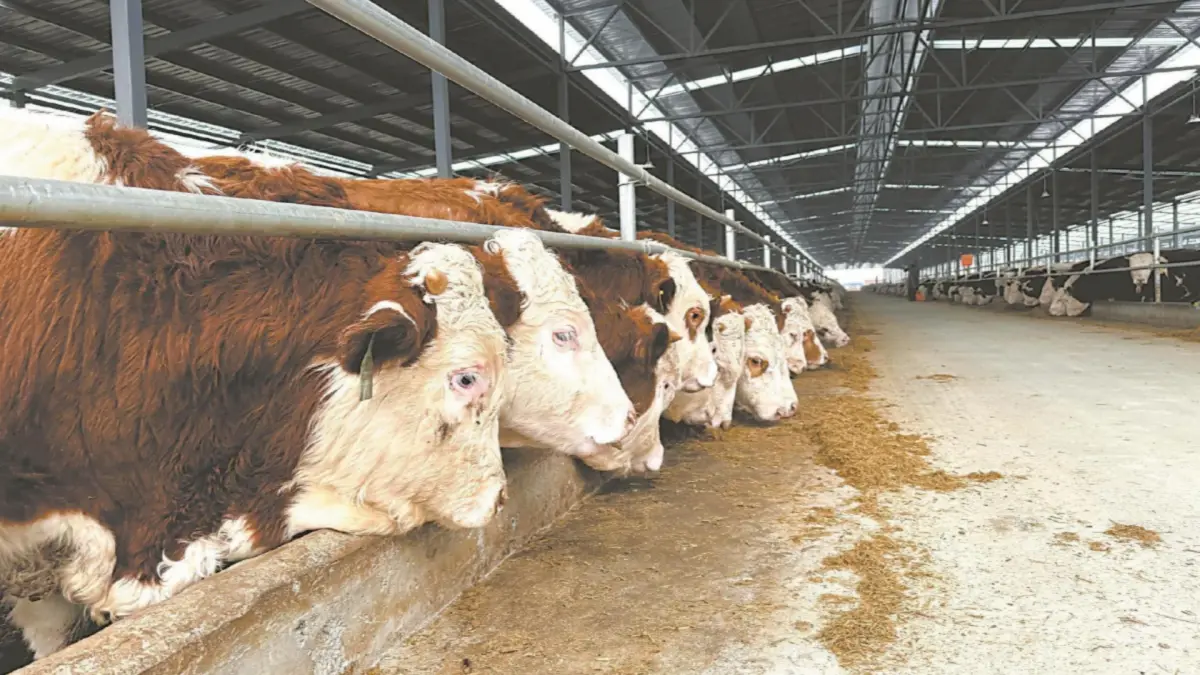
What Is Cassava Pulp?
Cassava pulp is the fibrous residue remaining after starch extraction. Although most of the starch has been removed, the pulp still contains residual carbohydrates, digestible fiber, and useful energy that can be utilized in livestock feed.
In major cassava-producing countries such as Thailand, Vietnam, Indonesia, Brazil, and Nigeria, cassava pulp has become an important agricultural by-product. Many feed manufacturers incorporate processed cassava pulp into cattle feed formulations as a cost-effective energy source.
However, before cassava pulp can be transported, stored, or sold efficiently, its moisture content must be reduced.
Why Cassava Pulp Dewatering Matters
Fresh cassava pulp is extremely heavy because most of its weight is water.
Consider a cassava starch plant producing 300 tons of wet cassava pulp per day at 80% moisture. Only about 60 tons represent actual dry solids, while the remaining 240 tons are water.
This creates several challenges:
- High transportation costs
- Limited storage life
- Increased spoilage risk
- Higher drying expenses
- Difficult material handling
Without proper cassava pulp dewatering, starch plants often spend money moving and managing water rather than valuable feed material.
By reducing moisture mechanically, producers can significantly improve the economics of cassava pulp utilization.
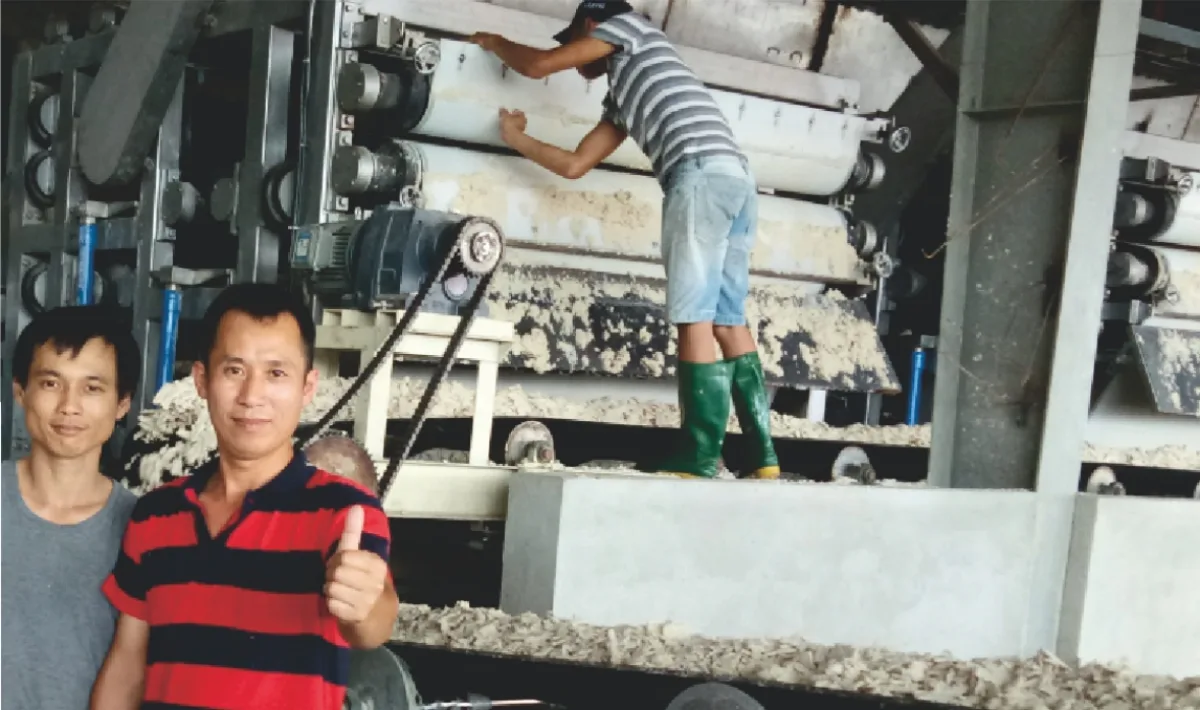
Growing Demand for Cassava Pulp in Cattle Feed
Feed costs remain one of the largest expenses for cattle producers worldwide. As a result, livestock operations are increasingly looking for alternative feed ingredients that can help reduce feeding costs without sacrificing performance.
Cassava pulp for cattle feed has gained attention because it provides an economical source of digestible energy and fiber. While it is not a high-protein feed ingredient like soybean meal, it can be incorporated into balanced rations alongside forage, protein supplements, and mineral additives.
For feed manufacturers, dewatered cassava pulp offers several advantages:
- Lower raw material costs
- Improved handling characteristics
- Easier transportation
- Better storage stability
- Consistent supply from cassava starch plants
These benefits have created growing demand for processed cassava pulp across many livestock-producing regions.
Mechanical Dewatering vs. Traditional Disposal
Historically, some starch factories relied on simple storage ponds or direct disposal methods to manage cassava pulp. While these approaches may appear inexpensive initially, they often create long-term operational and environmental challenges.
Modern cassava starch plant dewatering systems provide a more sustainable alternative.
Mechanical dewatering allows producers to:
- Recover valuable by-products
- Reduce waste management costs
- Improve plant efficiency
- Minimize environmental impact
- Create additional revenue streams
Instead of paying for disposal, manufacturers can sell dewatered cassava pulp into agricultural markets.
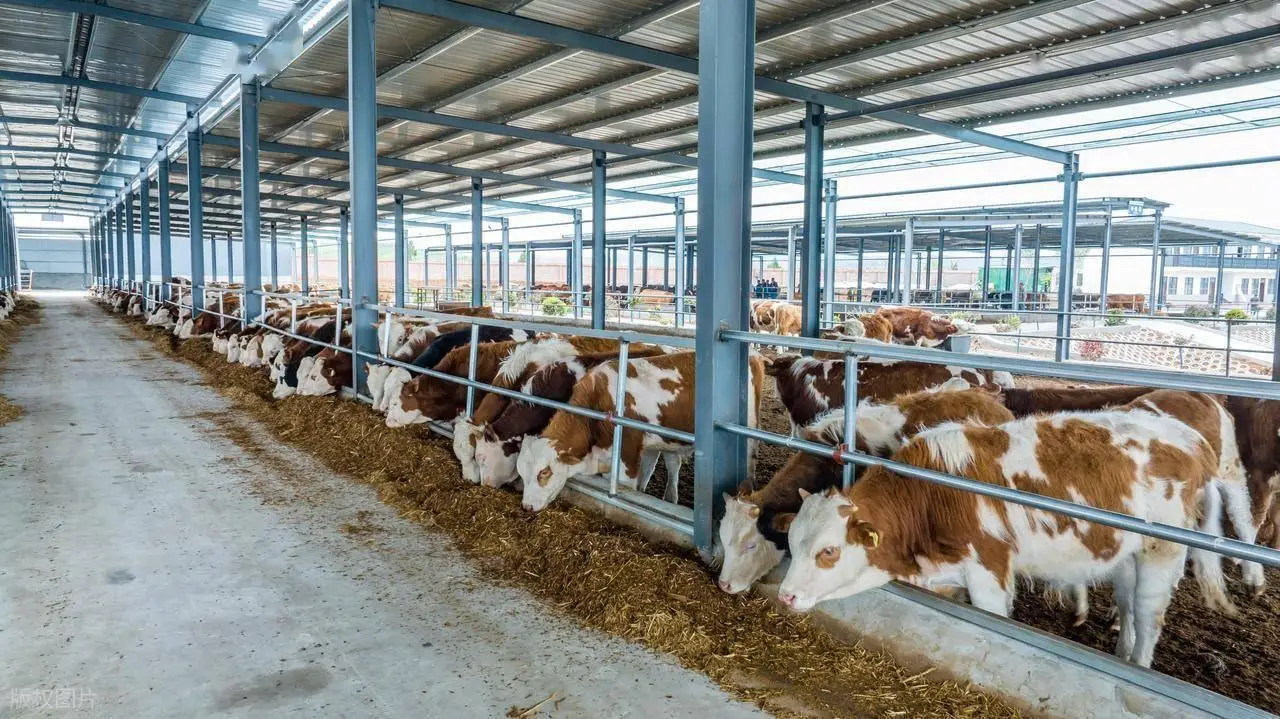
Why Belt Filter Presses Are Ideal for Cassava Pulp Dewatering
Among the available technologies, the belt filter press has become one of the most widely used solutions for cassava pulp dewatering.
Cassava pulp contains a significant amount of fibrous material, making continuous mechanical dewatering particularly effective. Unlike batch filtration systems, a belt filter press can operate continuously throughout the production day, matching the output of modern starch plants.
Key advantages include:
- Continuous operation
- High processing capacity
- Low energy consumption
- Reduced labor requirements
- Reliable performance
For facilities processing hundreds of tons of cassava roots every day, continuous operation is often essential.
High-Capacity Dual-Motor Belt Filter Presses for Large Starch Plants
As cassava processing facilities expand production, standard dewatering equipment may struggle to keep pace with increasing pulp volumes.
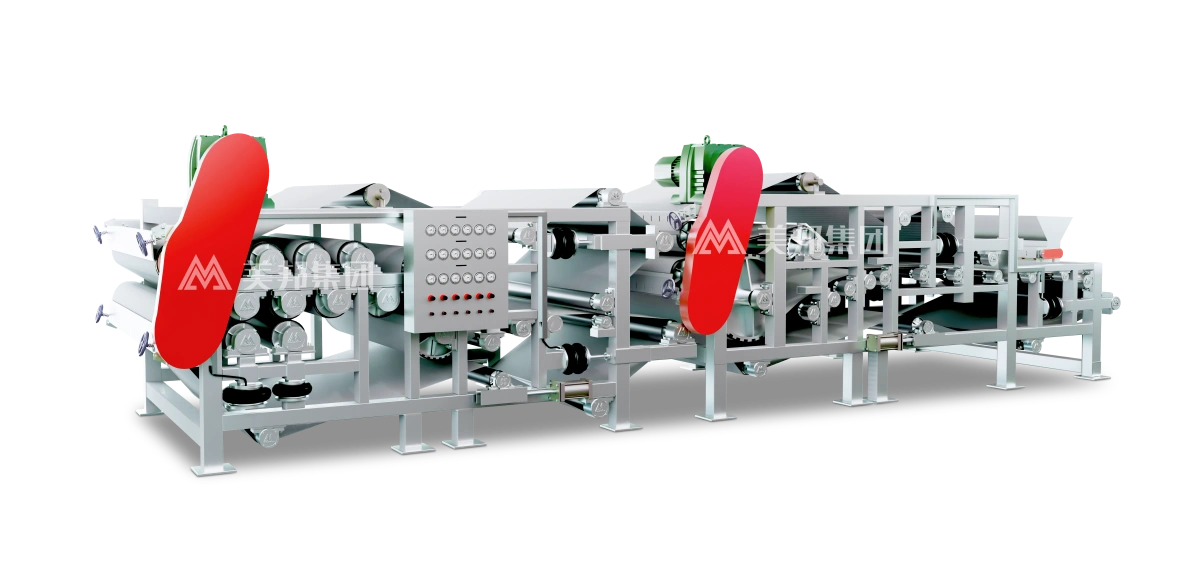
High-capacity dual-motor belt filter presses are designed specifically for demanding industrial applications where large quantities of cassava pulp must be processed efficiently.
Compared with conventional equipment, dual-motor designs offer greater stability and more consistent belt operation under heavy loads.
For large cassava starch plants, these systems provide several practical advantages:
Higher Throughput
Extra-wide belts and extended pressing zones allow the machine to process large volumes of cassava pulp continuously. This helps prevent bottlenecks in production.
Improved Moisture Reduction
Multiple pressing stages gradually remove water from the pulp, producing a more manageable material for transportation or further drying.
Lower Operating Costs
Mechanical dewatering requires significantly less energy than thermal drying. Removing water before drying can substantially reduce fuel consumption and operating expenses.
Reduced Labor Requirements
Modern belt filter presses operate automatically and require minimal operator intervention, helping plants lower labor costs while maintaining productivity.
Reliable 24-Hour Operation
Many starch factories operate around the clock. A robust dual-motor drive system supports stable long-term performance in continuous production environments.
Increasing the Value of Cassava Processing By-Products
The economics of cassava processing are changing.
Today, successful manufacturers focus not only on starch production but also on maximizing the value of every by-product generated during processing.
Cassava pulp dewatering plays a critical role in this strategy. By reducing moisture content and improving material quality, starch plants can access new revenue opportunities in the livestock feed market.
What was once considered waste can become a valuable commodity.
For many producers, the investment in cassava pulp dewatering equipment is justified not only by reduced disposal costs but also by the ability to generate additional income from dewatered cassava pulp sales.
Conclusion
Cassava pulp is no longer simply a by-product of starch production. With proper cassava pulp dewatering, it can become a valuable resource for the cattle feed industry.
As demand for economical livestock feed ingredients continues to grow, more cassava starch plants are investing in belt filter press technology to improve resource utilization and profitability.
For large-scale operations, high-capacity dual-motor belt filter presses provide an efficient solution for reducing moisture, lowering transportation costs, improving storage stability, and transforming cassava pulp into a marketable agricultural product.
By turning waste into value, cassava pulp dewatering helps starch producers improve both sustainability and profitability.