
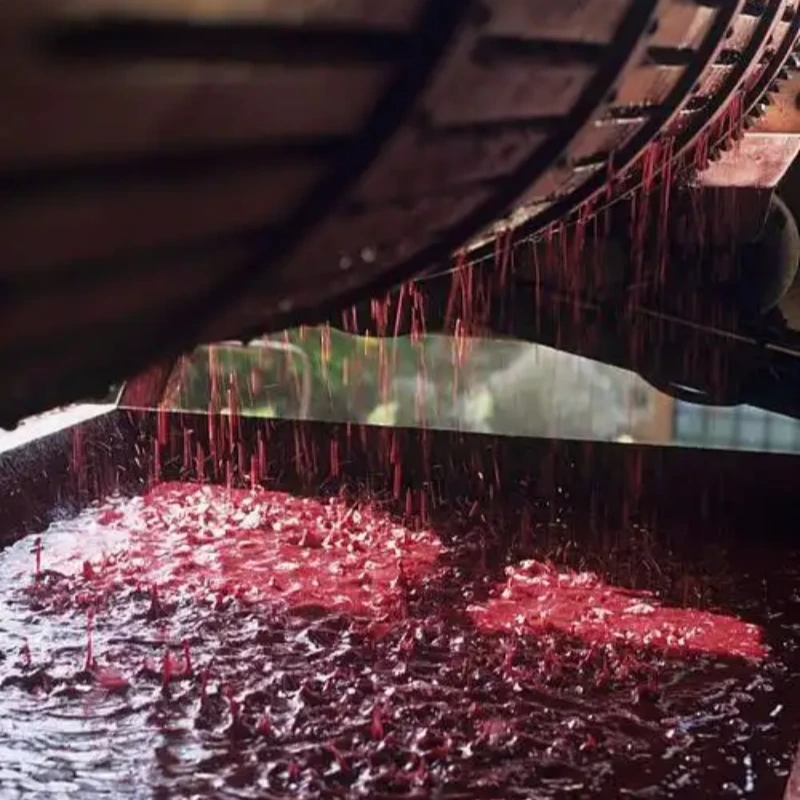

Food and beverage processing generates large quantities of wet by-products every day. Fruit pomace, wine lees, brewery spent grain, vegetable pulp, cassava pulp, and other organic residues often contain a large amount of water after processing. While these materials are not necessarily waste, their high moisture content makes them difficult and expensive to handle, transport, store, and further utilize.
For food processors, effective food & beverage by-product dewatering is therefore more than a waste management issue. It can reduce transportation costs, improve storage conditions, recover valuable liquid, and prepare organic by-products for animal feed, composting, biomass utilization, extraction, or other downstream applications.
The challenge is choosing the right dewatering equipment for each type of material. Different food by-products have very different fiber structures, particle sizes, and moisture characteristics. A solution that works well for wastewater sludge may not perform well on fruit pomace or brewery spent grain.
Why High-Moisture Food By-Products Are Difficult to Handle
Many food processing by-products leave the production line with a high water content. Fruit pomace, for example, contains a mixture of water, fiber, pulp, skins, seeds, and other organic solids. Brewery spent grain has a fibrous structure and can retain significant amounts of water. Cassava pulp is another typical high-moisture material that becomes difficult to transport economically without mechanical dewatering.
High moisture creates several practical problems.
First, transportation becomes expensive because processors are effectively paying to move water. A truck carrying wet organic residues may contain a relatively small amount of recoverable dry solids.
Second, storage becomes more difficult. Wet organic materials can ferment, develop unpleasant odors, and deteriorate quickly if they remain untreated for extended periods.
Third, high moisture can limit downstream utilization. Many applications require a relatively stable solid material with lower moisture before drying, composting, pelletizing, extraction, or long-distance transportation.
This is where mechanical dewatering can make a significant difference.
What Should a Food By-Product Dewatering System Achieve?
The purpose of mechanical dewatering is not simply to remove as much water as possible. A practical system should balance moisture reduction, throughput, energy consumption, operating cost, and the characteristics of the final product.
For a large food processing plant, several factors should be considered.
1. Processing capacity
Large factories may generate tens or even hundreds of tons of wet by-products per day. A dewatering system must be able to operate continuously and handle fluctuations in production.
2. Material characteristics
Fiber content is particularly important. Some fruit and vegetable residues form a relatively loose structure, while others contain long fibers that can make conventional filtration difficult.
3. Final moisture requirement
The required moisture level depends on what happens after dewatering. Material intended for animal feed may have different requirements from material going to composting, biomass processing, or further drying.
4. Liquid recovery
In some applications, the separated liquid has economic value. Recovering juice, process water, or other liquid fractions can improve the overall efficiency of the production process.
5. Hygiene and cleaning
When the equipment handles food or beverage by-products, hygienic design and easy cleaning become increasingly important. Materials in contact with the product stream should be selected appropriately, and the equipment should be designed to minimize material accumulation and simplify routine washing.
Common Technologies for Food By-Product Dewatering
There is no single dewatering technology suitable for every food processing application. Depending on the material and production scale, processors may consider screw presses, centrifuges, filter presses, or belt filter presses.
Screw presses are relatively simple and can work well with certain fibrous materials. They are particularly attractive when moderate dewatering performance and simple operation are more important than maximum throughput.
Centrifuges can provide efficient separation and occupy relatively little floor space. However, their power consumption and maintenance requirements can become significant in large continuous operations.
Plate and frame filter presses can achieve strong dewatering performance and are widely used in food and beverage processing. They are especially useful when batch operation is acceptable and a relatively dry filter cake is required. However, the intermittent cycle and cake discharge process may be less attractive for very large quantities of wet organic by-products.
For high-volume applications, a belt filter press can offer a different approach.
Why Belt Filter Presses Are Suitable for High-Volume Food By-Products
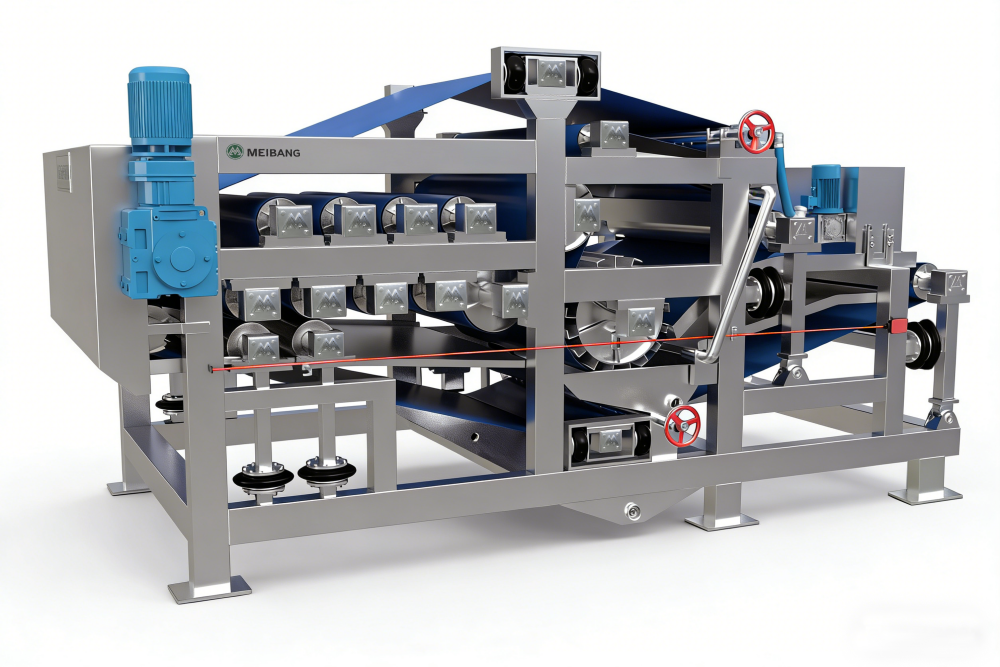
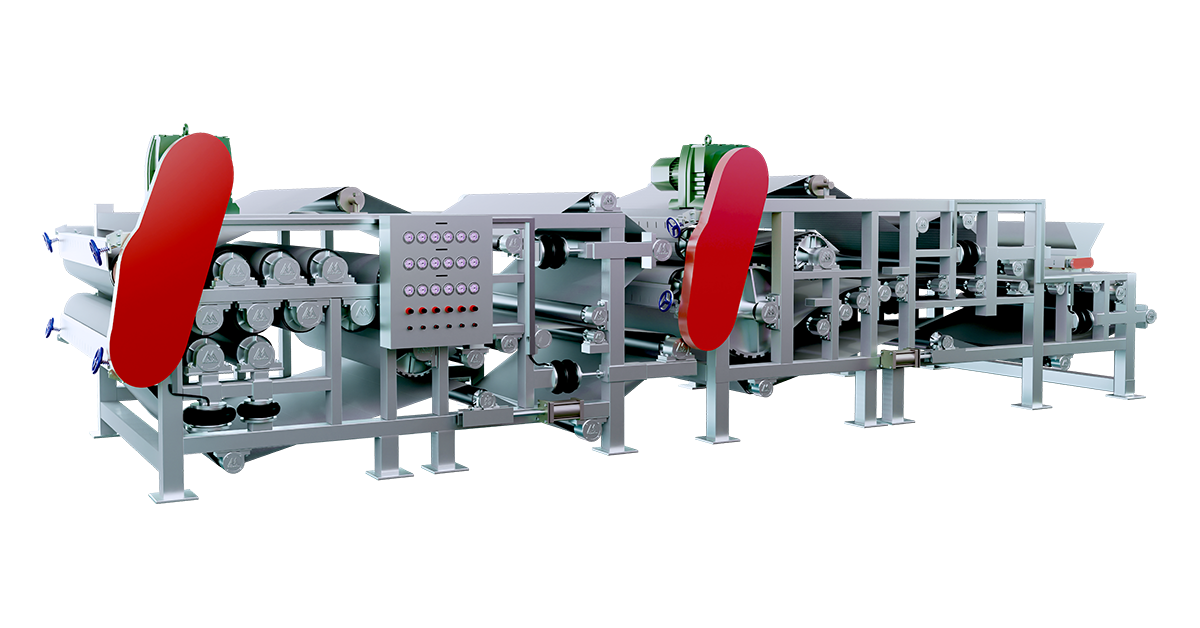
A belt filter press is a continuous industrial dewatering machine that combines gravity drainage with mechanical pressure. Wet material is distributed onto a moving filter belt, allowing free water to drain before the material passes through successive pressure zones.
The process is continuous:
Feeding → Gravity Dewatering → Compression → Shear/Pressure Dewatering → Cake Discharge
This operating principle makes the belt filter press particularly suitable for factories that generate large amounts of wet by-products every day.
Instead of filling a filter press, stopping the machine, opening the plates, removing the cake, and restarting the cycle, a belt filter press can continuously receive material and discharge dewatered solids.
This difference becomes increasingly important as production capacity increases.
High-Fiber Materials Require More Than Simple Filtration
Food processing residues are often much more challenging than conventional liquid sludge.
Fruit pomace and vegetable pulp contain fibers that can retain water inside their structure. Brewery spent grain also has a fibrous composition that affects drainage and compression. Simply applying higher pressure does not always produce better dewatering.
The feed preparation stage is therefore critical.
Depending on the material, the system may require:
- Size reduction or crushing
- Slurry conditioning
- Polymer or other flocculant conditioning
- Controlled feed distribution
- Gravity drainage
- Multiple-stage mechanical pressing
A properly designed belt filter press uses these stages together rather than relying on pressure alone.
This is particularly valuable for high-fiber food by-products where maintaining a stable filter cake is essential.
Applications Across the Food and Beverage Industry
The potential applications of food and beverage by-product dewatering are broad.
Wine Pomace and Wine Lees
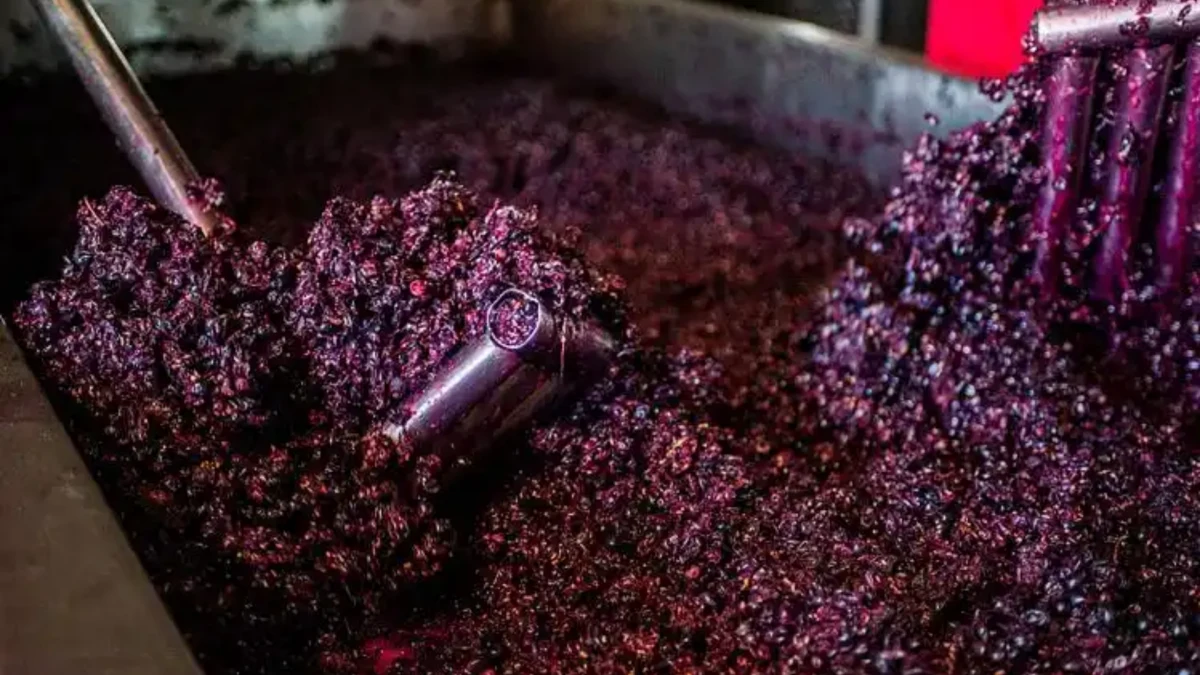
Wineries generate grape pomace and wine lees during pressing and fermentation. Mechanical dewatering can reduce the volume of these materials and recover additional liquid before the solids are sent for further utilization.
Fruit Pomace
Apple, pear, berry, and other fruit processing operations generate large volumes of wet pomace. A belt filter press can continuously reduce moisture before the material is transported or processed into animal feed, compost, biomass, or other products.
Citrus Processing Residues
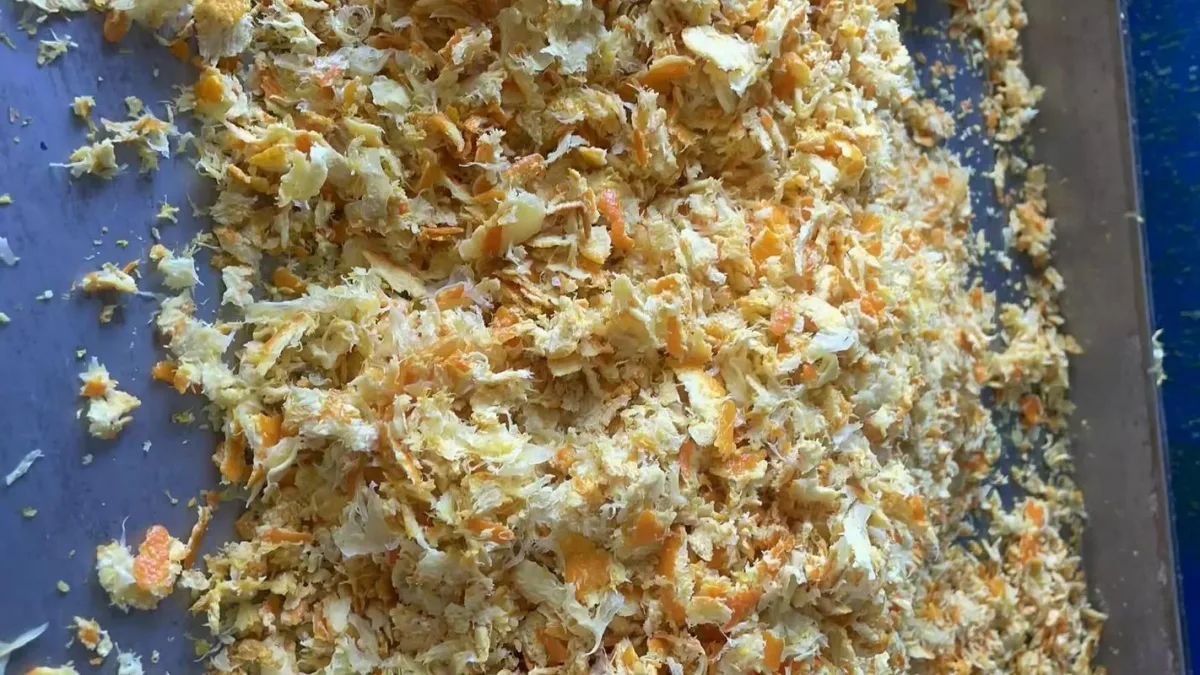
Citrus processing generates pulp, peel fragments, and other wet residues. Depending on the process, mechanical dewatering can help recover liquid and reduce the amount of water contained in the solid fraction.
Brewery Spent Grain
Spent grain is one of the most familiar high-moisture by-products in the beverage industry. Its high fiber and organic content make mechanical dewatering an attractive option for breweries that need to reduce handling and transportation costs.
Cassava Pulp
Cassava starch production generates large quantities of wet cassava pulp. Because the pulp contains substantial moisture and fiber, efficient dewatering can significantly improve transportation, storage, and subsequent utilization.
Vegetable and Food Processing Pulp
Potato pulp, tomato residues, vegetable pulp, and other processing by-products can also be considered for continuous mechanical dewatering when the production volume justifies industrial equipment.
How to Select the Right Dewatering Equipment
Choosing a machine based only on the initial moisture content is not enough. A proper equipment selection should start with the complete process.
The first question is:
How much wet material is generated per hour or per day?
The second is:
What is the material’s fiber content and physical structure?
The third is:
What final moisture level is required?
Finally, the processor should consider what happens to the dewatered material after it leaves the machine.
For a small batch application requiring very low cake moisture, a filter press may be the better choice. For a large factory producing a continuous stream of fibrous by-products, a belt filter press may provide a better balance between capacity, operating cost, automation, and footprint.
Pilot testing is highly recommended because two materials with similar moisture content can behave very differently during mechanical dewatering.
From Waste Treatment to Resource Recovery
The biggest change in modern food processing is that organic by-products are increasingly viewed as resources rather than simple waste.
After dewatering, a high-moisture by-product becomes easier to handle and transport. The recovered liquid may be returned to the production process or treated separately, while the dewatered solids can be directed toward different utilization routes.
Depending on the material, these may include:
Animal feed → Compost → Biomass → Extraction → Anaerobic digestion → Further drying
Dewatering is therefore often the first step in a broader resource recovery process.
For large food and beverage processors, reducing the amount of water transported with organic solids can also lower logistics costs and reduce the environmental burden associated with waste management.
A Practical Approach to Industrial Food By-Product Dewatering
There is no universal solution for every food processing plant. The most effective dewatering equipment should be selected according to the material, production capacity, required cake moisture, downstream application, and hygiene requirements.
For high-volume applications involving fibrous and high-moisture materials, a continuous belt filter press can be an effective alternative to batch filtration systems. Its continuous operation, relatively simple mechanical structure, and ability to handle large volumes make it suitable for many food and beverage by-product applications.
The objective is not simply to install a machine that removes water. A well-designed system should integrate feeding, conditioning, dewatering, liquid collection, cake discharge, cleaning, and downstream utilization into one practical process.
As food processors look for ways to reduce waste, lower transportation costs, and recover more value from production residues, Food & Beverage By-Product Dewatering is becoming an increasingly important part of modern food processing.
For wineries, breweries, fruit processors, juice manufacturers, starch producers, and other food manufacturers, the right industrial dewatering solution can turn a difficult high-moisture by-product into a more manageable and potentially valuable resource.
Contact us on WhatsApp to get the pomace dewatering process for free
whatsapp: +86 13926233800