
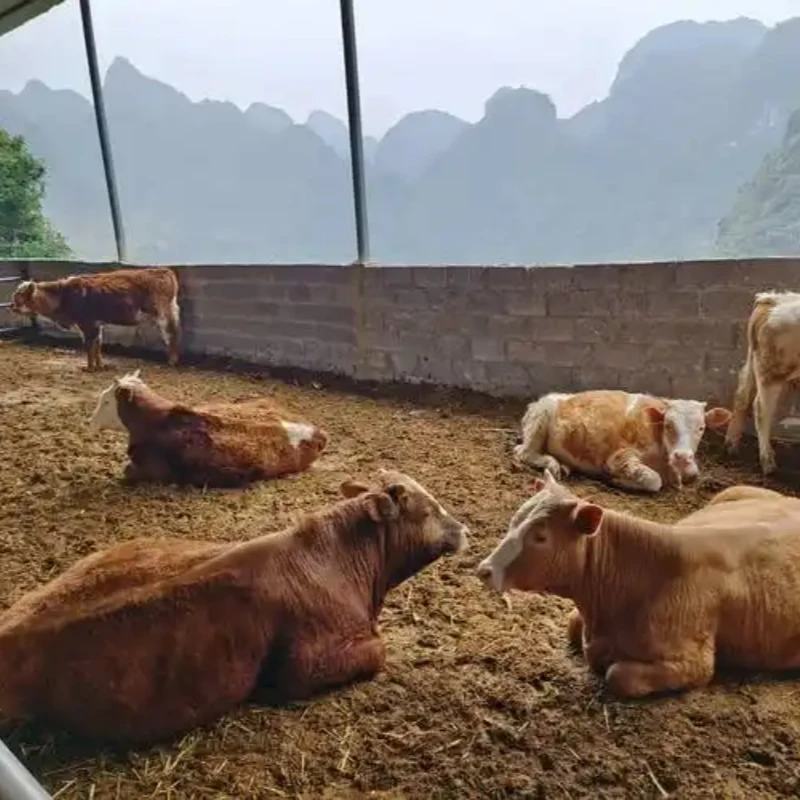

Introduction: Turning Cow Manure into a Valuable Farm Resource
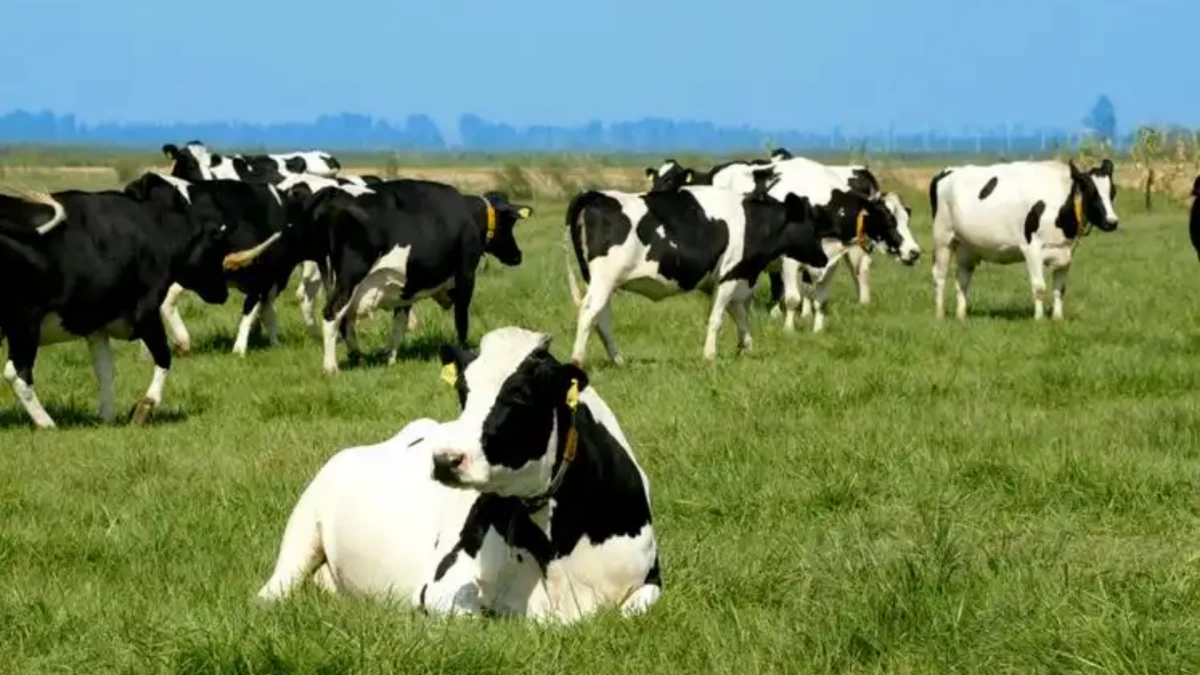
With the rapid development of large-scale dairy farming, manure management has become one of the biggest operational challenges for modern dairy farms. A large dairy farm with thousands of cows can generate hundreds of tons of manure every day, creating significant pressure on storage capacity, transportation, odor control, and environmental compliance.
Traditionally, cow manure has been treated as waste and stored in lagoons or transported for land application. However, as sustainability requirements increase and farming costs continue to rise, more dairy farms are exploring ways to transform manure into valuable resources.
One of the most promising solutions is cow manure dewatering for recycled manure bedding. Through advanced manure dewatering technology, the solid fraction of cow manure can be separated, reduced in moisture content, and reused as recycled manure solids (RMS) bedding for dairy cows.
For large-scale dairy operations, especially farms with thousands of cattle, a high-capacity cow manure dewatering system equipped with an industrial belt filter press provides an efficient solution for continuous manure processing, reducing waste handling costs while supporting a circular farming model.
The Growing Demand for Recycled Manure Bedding in Dairy Farms
In modern dairy farming, comfortable and hygienic cow bedding directly affects animal health, milk production, and farm profitability.
Traditional bedding materials such as:
- Sand
- Sawdust
- Wood chips
- Straw
are widely used in free-stall dairy barns. However, these materials have several challenges:
- Increasing purchase costs
- Limited availability in some regions
- High transportation expenses
- Additional waste management requirements
For large dairy farms, bedding expenses can become a significant operating cost.
Recycled manure bedding offers an alternative approach. Instead of purchasing external bedding materials, farms can recover the fibrous solids from their own manure and reuse them inside cow barns.
This creates a closed-loop system:
Cow manure → Solid-liquid separation → Manure dewatering → Recycled manure bedding → Dairy production cycle
By converting manure into a useful bedding material, farms can reduce waste volume, lower operating costs, and improve overall sustainability.
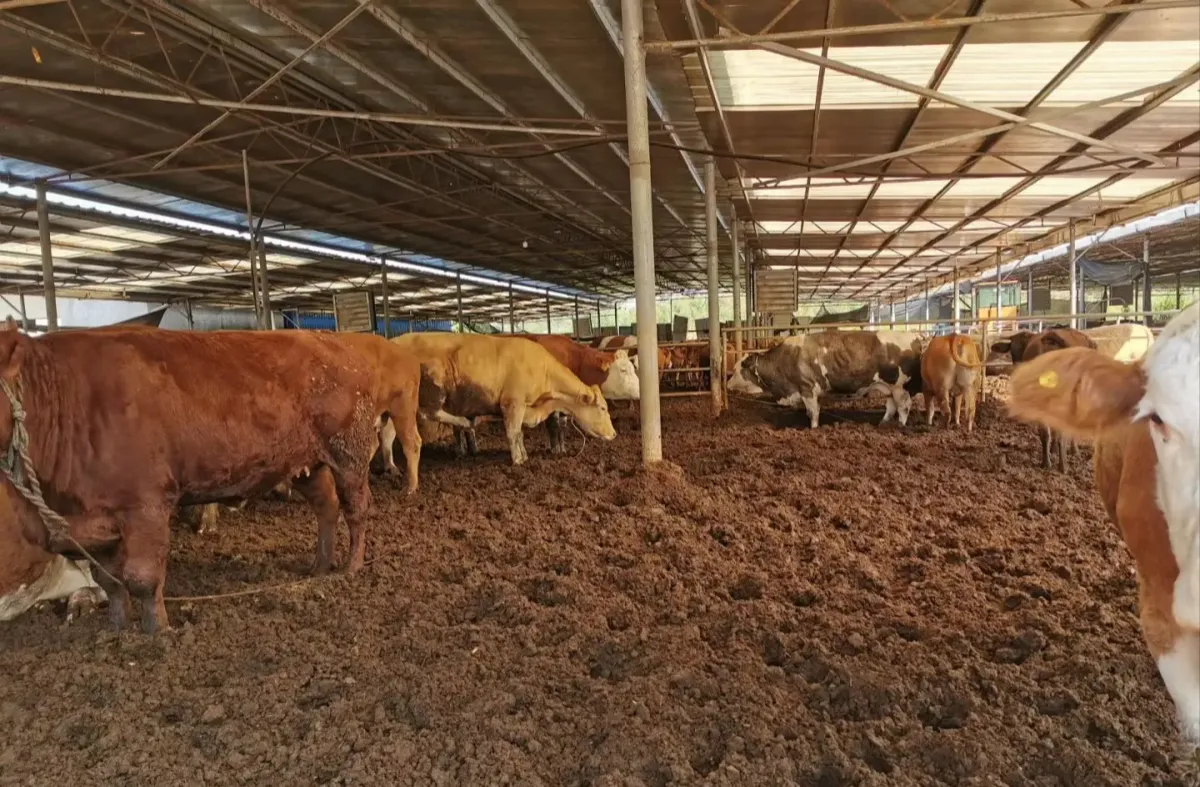
Why Cow Manure Dewatering Is Essential for Recycled Bedding Production
Fresh cow manure contains a high percentage of water. Directly using untreated manure as bedding is not practical because of:
- Excessive moisture
- Strong odor
- Poor handling characteristics
- Potential pathogen risks
Therefore, an effective cow manure dewatering process is required.
The typical treatment process includes:
1. Manure Collection and Transportation
Liquid manure from dairy barns is collected through flushing systems, scrapers, or manure channels and transported to the treatment area.
2. Solid-Liquid Separation
A manure separator removes part of the liquid fraction, producing a solid material containing valuable organic fibers.
3. Mechanical Dewatering
The separated manure solids are further processed through a manure dewatering machine to reduce moisture content and improve physical properties.
4. Bedding Preparation
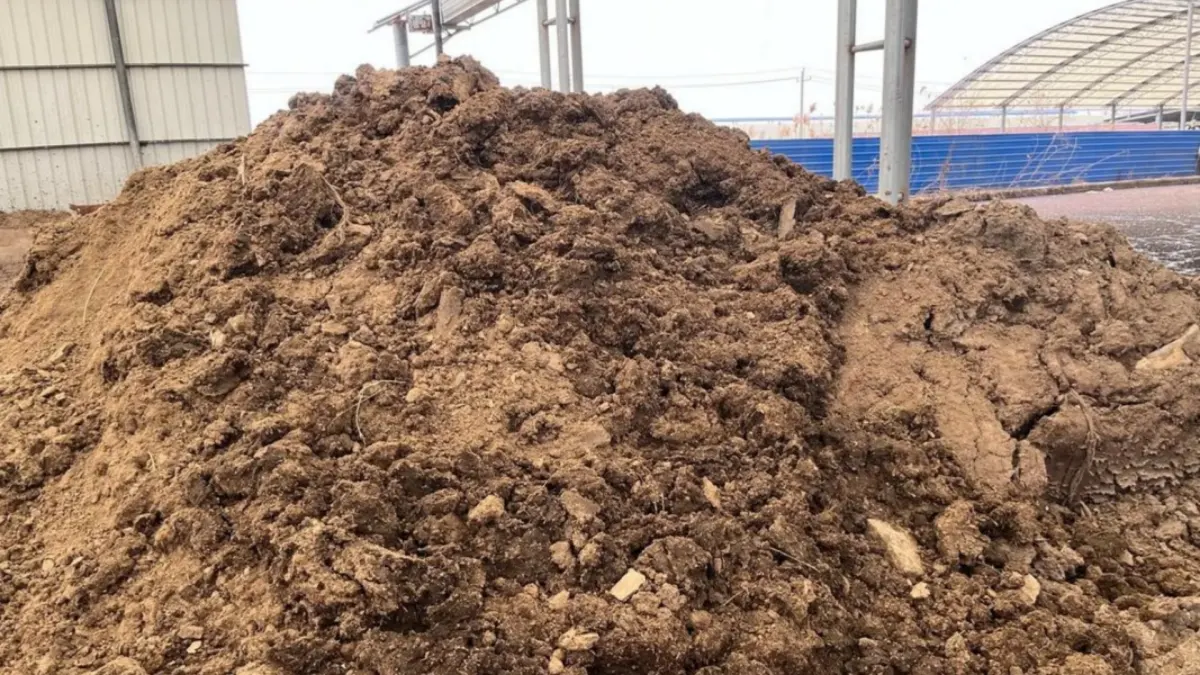
After proper treatment, the recycled manure solids become a soft, absorbent bedding material suitable for dairy cow stalls.
For large farms, the key challenge is not only achieving acceptable moisture content but also processing the huge daily manure volume. This is where industrial-scale dewatering equipment becomes critical.
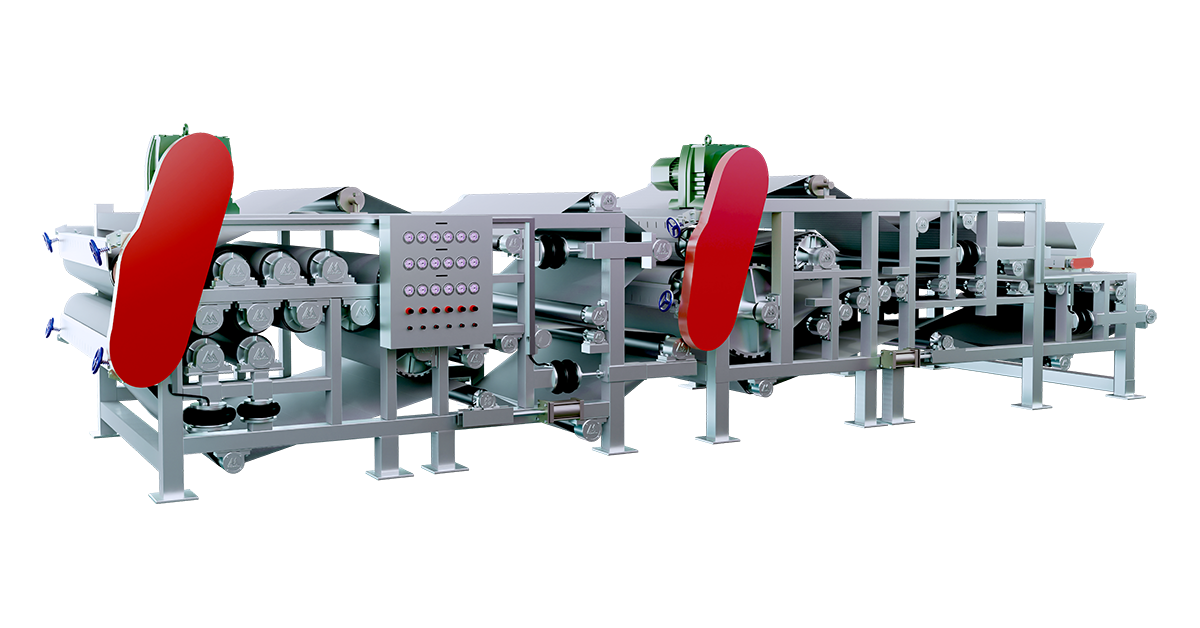
Large-Capacity Belt Filter Press for High-Volume Cow Manure Dewatering
Small farms may use screw presses or simple separators, but they often cannot meet the requirements of modern mega dairy farms.
A large dairy farm producing hundreds of tons of manure daily needs a continuous, high-throughput cow manure dewatering system.
A large industrial belt filter press provides several advantages:
1. High Processing Capacity
Unlike batch-type equipment, a belt filter press operates continuously and can handle large quantities of manure without frequent stopping.
For large dairy farms, customized belt filter press systems can achieve processing capacities suitable for industrial-scale manure management, making them ideal for farms with thousands of cows.
The continuous operation capability allows farms to process manure generated throughout the day while maintaining stable performance.
2. Efficient Moisture Reduction
A high-performance belt filter press combines:
- Gravity dewatering
- Low-pressure squeezing
- Multi-roller pressing
- Mechanical compression
to gradually remove water from manure solids.
Compared with traditional separation equipment, a multi-stage belt pressing system provides deeper dewatering performance, producing solids with improved structure and handling characteristics.
The final manure solids are:
- Easier to transport
- Less prone to leakage
- More suitable for composting or bedding applications
3. Lower Energy Consumption Compared with Thermal Drying
Some manure treatment methods rely on thermal drying, which requires significant energy input.
Mechanical dewatering using a belt filter press removes water through physical pressure instead of heat, resulting in:
- Lower energy consumption
- Lower operating costs
- Reduced carbon emissions
This makes belt filter press technology especially attractive for sustainable dairy farming projects.
Advantages of Using Dewatered Cow Manure as Bedding Material
Reduced Bedding Costs
For large dairy farms, bedding consumption is a continuous expense. Producing recycled manure bedding from farm-generated manure reduces dependence on purchased materials.
Reduced Manure Transportation Volume
After dewatering, manure volume is significantly reduced. Less water means:
- Lower transportation costs
- Smaller storage requirements
- Easier handling
Improved Waste Management Efficiency
Instead of storing large volumes of wet manure, farms can convert manure into a manageable solid resource.
This helps reduce pressure on manure lagoons and improves environmental management.
Supporting Sustainable Dairy Production
Recycled manure bedding represents a practical example of circular agriculture:
Waste materials are recovered, processed, and returned to the production system.
This aligns with global trends toward:
- Sustainable livestock farming
- Resource recovery
- Carbon reduction
- Environmental protection
Belt Filter Press: A Better Choice for Large Dairy Operations
When selecting a cow manure dewatering machine, processing capacity is one of the most important considerations.
Small separators may work for family farms or small livestock operations, but large dairy farms require industrial solutions.
A large-scale belt filter press for cow manure dewatering offers:
- Continuous 24/7 operation
- High processing capacity
- Stable dewatering performance
- Reduced labor requirements
- Lower operating costs
- Long service life
For dairy farms with thousands of cows, investing in a high-capacity manure dewatering system can significantly improve manure management efficiency.
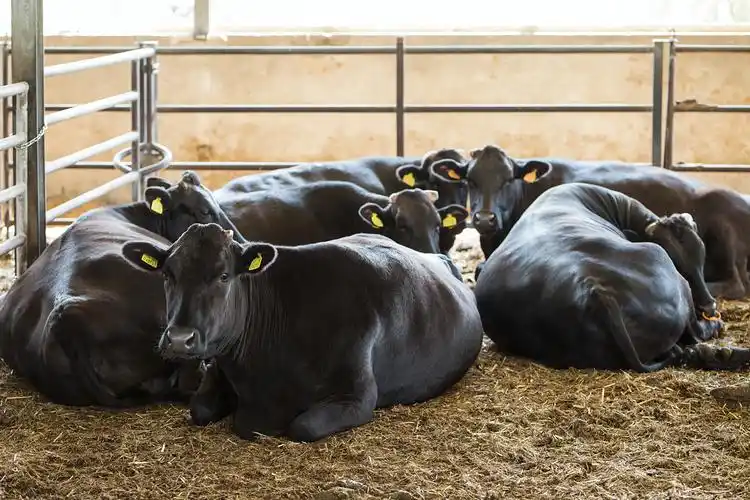
Conclusion: Building a Sustainable Future for Dairy Farms
The transformation of cow manure into recycled manure bedding represents an important step toward sustainable dairy farming.
Through advanced cow manure dewatering technology, dairy farms can reduce waste, lower bedding costs, and create a more efficient resource recycling system.
For large-scale dairy operations, a high-capacity belt filter press provides the necessary processing ability to handle massive manure volumes while delivering reliable dewatering performance.
As environmental regulations become stricter and the demand for sustainable agriculture increases, recycled manure bedding combined with industrial manure dewatering equipment will continue to play an important role in the future of modern dairy farming.
By turning cow manure from a waste challenge into a valuable resource, dairy farms can achieve both economic benefits and environmental sustainability.