
Coco Peat Desalting and Dewatering Technology
Introduction to Coco Peat Production
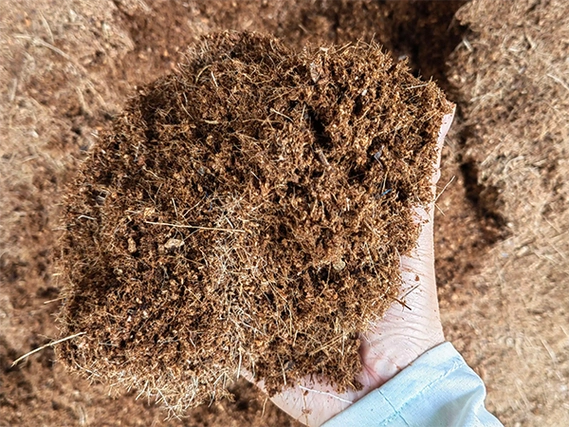
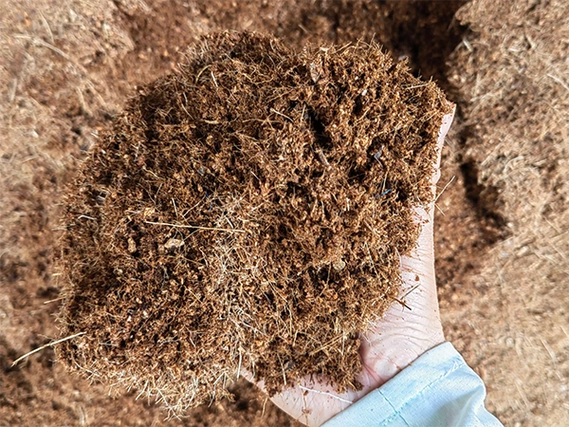
Coco peat, also known as coir pith, is a byproduct of coconut husk processing widely used in horticulture, agriculture, and hydroponic systems. With the growing demand for sustainable and efficient growing media, the coco peat production industry has experienced significant growth. Ensuring the quality and moisture content of coco peat is critical for its market value and usability. The coco peat dewatering process plays a pivotal role in producing high-quality coco peat suitable for commercial use.
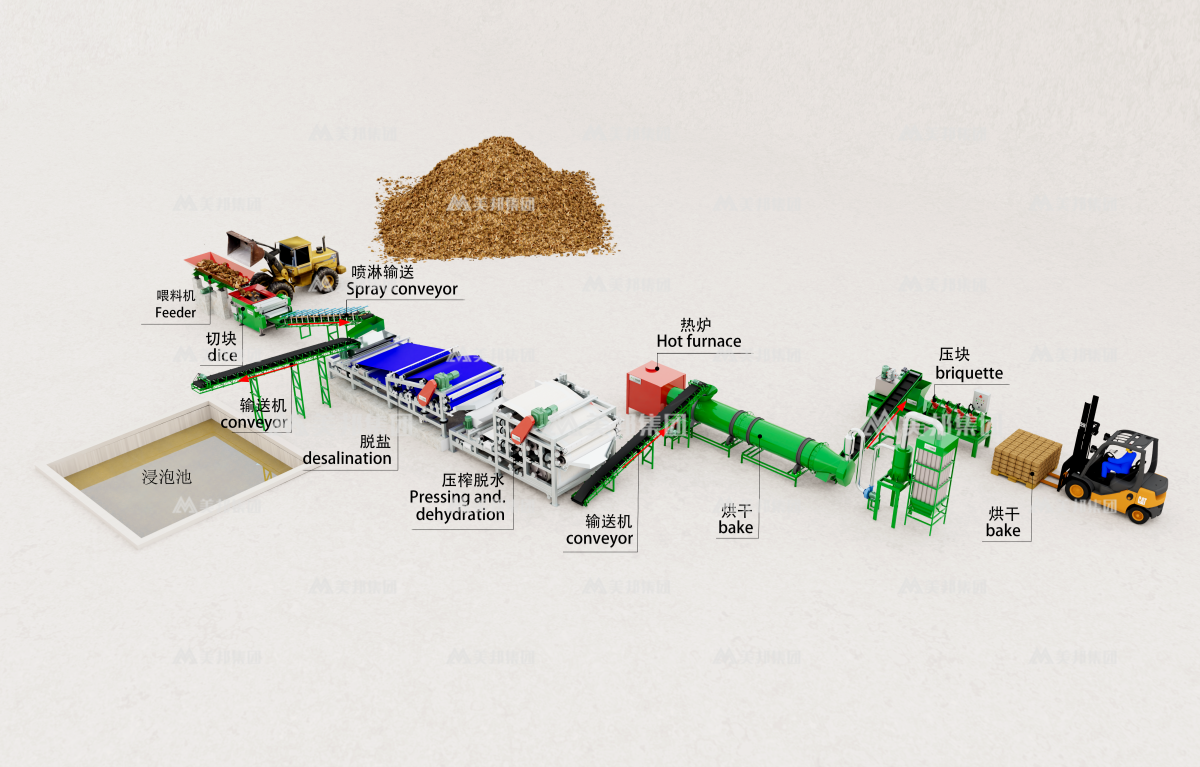
In modern production facilities, integrating specialized machinery such as the coco peat dewatering machine and coco peat press machine into a coco peat automated production line can greatly enhance efficiency while maintaining consistent product quality. Understanding these technologies is essential for producers and investors interested in the coco peat market.
The Coco Peat Dewatering Process
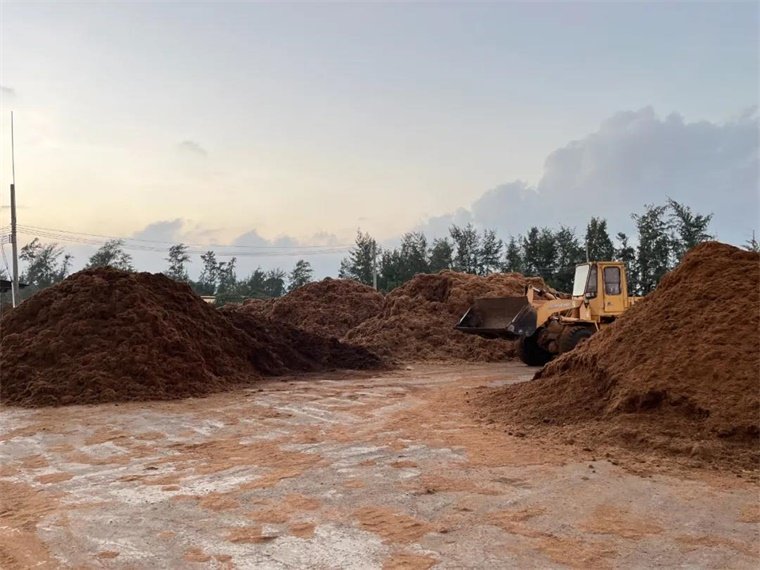
The coco peat dewatering process is a key step in transforming raw coconut husk fibers into usable growing media. The process typically involves removing excess water to produce dry, spongy coco peat blocks or loose peat. High moisture content can lead to microbial growth and reduced shelf life, so efficient dewatering is crucial.
Modern facilities utilize advanced coco peat dewatering machines, which apply mechanical pressure to extract water effectively. In many cases, a coco peat press machine is employed, which can compact wet coir pith into dense blocks, making storage and transportation easier. Combining these machines into a coco peat automated production line allows producers to handle large volumes consistently, reducing labor costs and minimizing manual intervention.
Equipment Used in Coco Peat Dewatering
Coco Peat Dewatering Machine
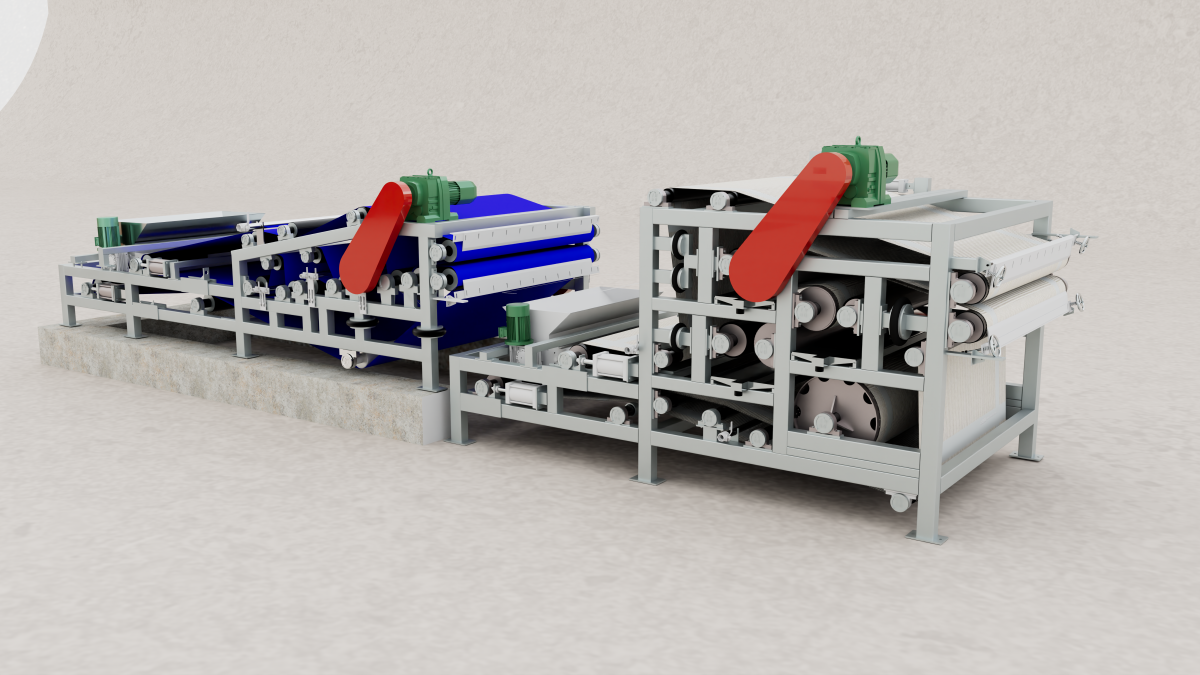
A coco peat dewatering machine is designed to remove moisture from coir pith quickly and efficiently. These machines typically feature:
- Adjustable pressure settings
- Stainless steel construction for durability
- Continuous feeding capability for high throughput
By controlling the pressure and speed, producers can achieve optimal moisture content suitable for block formation or loose peat.
Coco Peat Press Machine
The coco peat press machine is often used after initial dewatering. Its purpose is to compress the peat into uniform blocks, reducing volume and enhancing storage efficiency. Key features include:
- High compression ratio
- Energy-efficient operation
- Integrated with conveyors for seamless workflow
The press machine ensures that the final product meets industry standards for size, density, and moisture, which is crucial for both domestic and export markets.
Advantages of an Automated Coco Peat Production Line
Integrating coco peat dewatering machines and press machines into a coco peat automated production line offers multiple advantages:
- Higher Efficiency: Automation reduces manual labor and speeds up production cycles.
- Consistent Quality: Machines maintain uniform moisture content and block density.
- Cost Savings: Reduced labor and energy consumption lead to lower production costs.
- Scalability: Automated lines can be adjusted to meet increasing demand in the coco peat market.
Producers aiming for large-scale operations benefit greatly from a fully integrated system, which ensures smooth operations from raw coconut husks to finished peat blocks.
Market Trends in Coco Peat Production
The coco peat market has been expanding rapidly due to increasing global interest in sustainable horticulture and soil-less farming. Key trends include:
- Growing demand for high-quality coco peat with low moisture content
- Adoption of automated production lines to meet volume requirements
- Export opportunities in Europe, North America, and the Middle East
- Focus on eco-friendly and biodegradable growing media
Investors and producers monitoring the coco peat market should prioritize production efficiency, as competitive pricing and consistent product quality are essential for success.
Best Practices for Effective Dewatering
To optimize the coco peat dewatering process, producers should consider the following:
- Pre-wash the raw coco peat to remove salts and impurities.
- Use a suitable dewatering machine to reduce moisture content efficiently.
- Employ a press machine to compact the peat, reducing storage volume.
- Integrate equipment into an automated production line for continuous operation.
- Monitor moisture content regularly to maintain product quality for both domestic and export markets.
Adhering to these practices ensures that coco peat production remains efficient, cost-effective, and aligned with market standards.

Conclusion
The coco peat dewatering process is a critical step in producing high-quality growing media. Leveraging modern machinery such as coco peat dewatering machines and coco peat press machines, especially when integrated into a coco peat automated production line, allows producers to meet increasing demand while maintaining consistent quality. Understanding the coco peat market trends and applying best practices ensures a sustainable and profitable operation in this growing industry.
Investing in the right equipment and optimizing the coco peat production workflow will help businesses remain competitive and deliver premium-quality products to both domestic and international markets.