
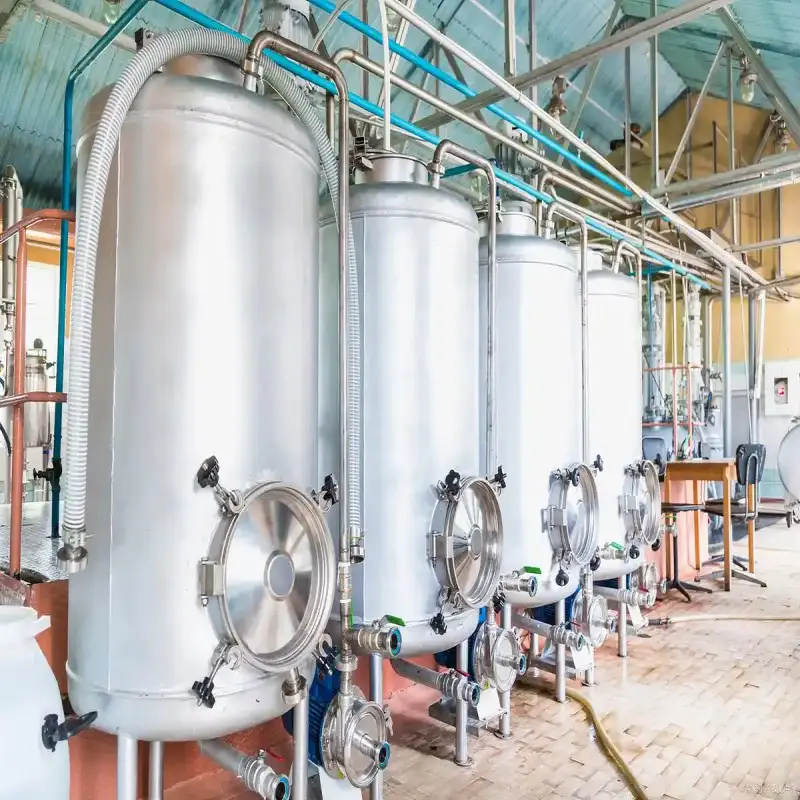

As the global bioenergy industry continues to expand, corn cob ethanol production has become an important part of second-generation biofuel development. Compared with traditional starch-based ethanol, cellulosic ethanol made from agricultural waste offers better sustainability and higher biomass utilization efficiency.
However, one of the biggest operational difficulties in cellulosic ethanol plants is solid-liquid separation. During biomass pretreatment, enzymatic hydrolysis, fermentation, and residue recovery processes, large quantities of high-moisture biomass slurry are generated. Efficient biomass slurry dewatering directly affects production efficiency, energy consumption, and operating costs.
For many ethanol producers, selecting the right solid-liquid separation equipment has become a critical factor in maintaining stable industrial operation.
Characteristics of Corn Cob Biomass Slurry
Corn cobs are rich in cellulose, hemicellulose, and lignin. After pretreatment and hydrolysis, the material forms a complex fibrous slurry with challenging filtration properties.
Unlike ordinary wastewater sludge, corn cob ethanol slurry contains:
- Long fibrous particles
- High suspended solids
- Strong viscosity
- High organic content
- Variable particle sizes
- Residual lignocellulosic materials
These characteristics create significant challenges for conventional dewatering systems.
In many cellulosic ethanol plants, standard sludge dewatering equipment cannot maintain stable long-term operation under such demanding conditions.
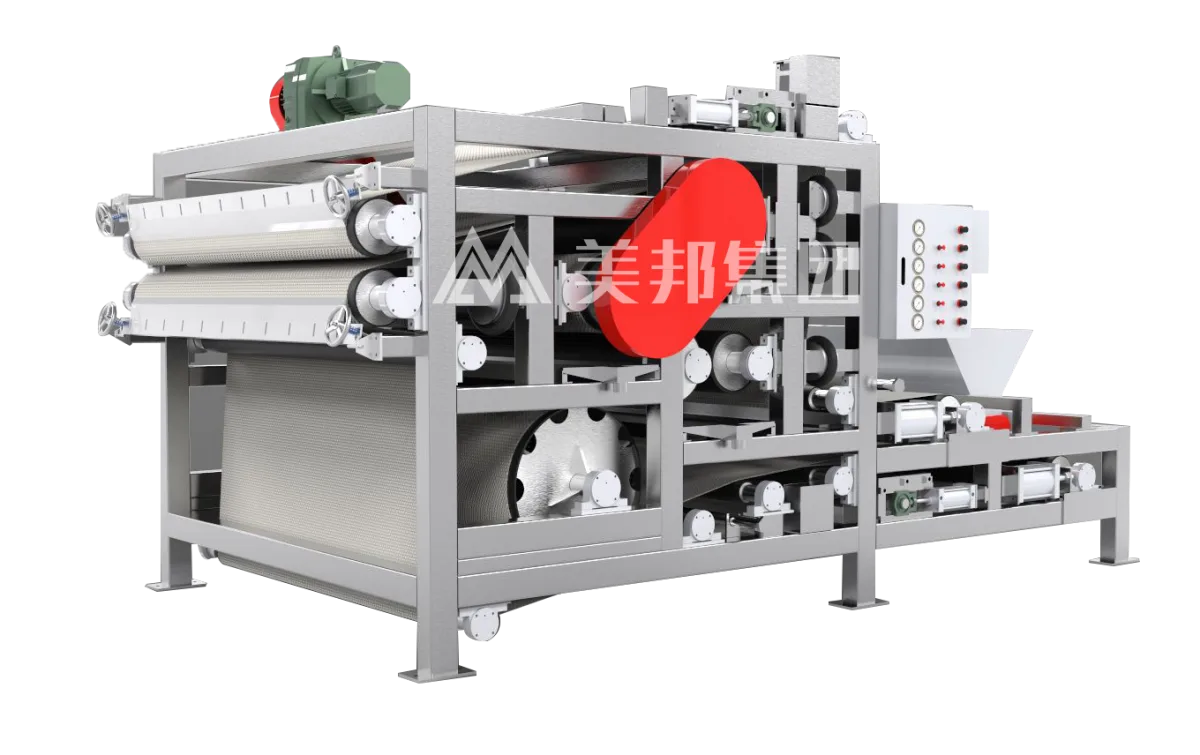
High Fiber Content Creates Filtration Difficulties
One of the primary challenges in corn cob ethanol solid-liquid separation is the high fiber content of the biomass slurry.
Long fibers tend to:
- Block drainage channels
- Reduce filtration efficiency
- Cause uneven material distribution
- Increase filter belt deviation risks
- Create material accumulation on rollers
Fibrous biomass can also wrap around rotating components, increasing maintenance frequency and reducing equipment reliability.
For this reason, ethanol plants often require specially designed biomass dewatering systems rather than standard municipal sludge equipment.
High Moisture Content Increases Energy Consumption
Cellulosic ethanol production generates large amounts of high-moisture residue during processing. If the slurry is not efficiently dewatered before evaporation or drying, downstream energy consumption increases significantly.
Excessive moisture directly leads to:
- Higher steam consumption
- Increased drying costs
- Greater thermal energy demand
- Higher transportation costs
- Reduced overall plant efficiency
As energy prices continue to rise globally, improving mechanical dewatering efficiency has become increasingly important for biomass ethanol plants.
Efficient belt filter press systems can remove a substantial amount of free water before thermal treatment, helping reduce operational costs.

Acidic Pretreatment Conditions
Many corn cob ethanol production processes involve acidic pretreatment technologies designed to break down lignocellulosic biomass structures.
However, acidic operating conditions create serious challenges for dewatering equipment.
Conventional materials may suffer from:
- Corrosion
- Filter belt degradation
- Roller surface damage
- Reduced equipment lifespan
Therefore, high-quality acid-resistant filter belts and corrosion-resistant structural materials are essential for long-term stable operation in biomass ethanol applications.
Industrial-grade belt filter press systems designed for cellulosic ethanol production typically use specialized materials capable of handling harsh chemical environments.
Elevated Operating Temperatures
Another challenge in biomass slurry dewatering is elevated process temperature.
Pretreated corn cob slurry often enters the solid-liquid separation stage at relatively high temperatures. Standard filter belts may deform or lose mechanical strength under continuous thermal exposure.
High-temperature operating conditions can result in:
- Reduced filtration performance
- Faster filter belt aging
- Increased maintenance costs
- Unexpected production downtime
For this reason, many ethanol plants require high-temperature-resistant filter belts specifically designed for biomass processing industries.
Continuous Industrial Operation Requirements
Modern cellulosic ethanol plants typically operate continuously to maximize production efficiency.
This creates strict requirements for dewatering systems, including:
- Stable continuous operation
- Automatic belt tracking
- Reliable roller systems
- Low maintenance frequency
- Consistent filtration performance
Equipment instability can interrupt the entire ethanol production process, resulting in production losses and increased operating costs.
Heavy-duty multi-roller belt filter press systems are often preferred because they provide stable operation under continuous industrial conditions.
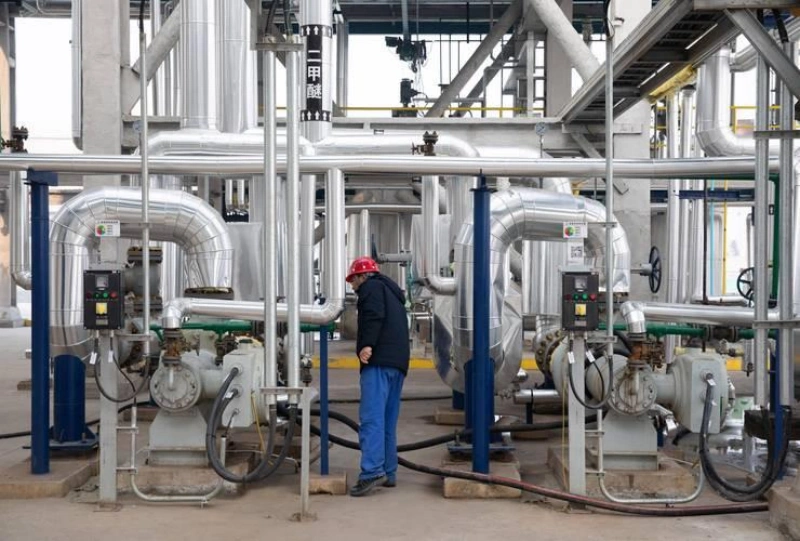
Importance of Mechanical Dewatering in Ethanol Production
Mechanical dewatering plays a much larger role in ethanol production than many people realize.
In biomass processing industries, every percentage reduction in moisture content can significantly reduce downstream thermal energy consumption.
Efficient solid-liquid separation offers several advantages:
- Lower evaporation energy demand
- Reduced drying costs
- Improved residue handling
- Lower transportation expenses
- Better thermal recovery efficiency
As the biofuel industry focuses more heavily on energy efficiency and carbon reduction, advanced biomass slurry dewatering technologies are becoming increasingly important.
Selecting the Right Dewatering Equipment
Choosing suitable solid-liquid separation equipment for corn cob ethanol production requires careful consideration of several factors.
Important considerations include:
- Fiber handling capability
- Filtration efficiency
- Chemical resistance
- High-temperature performance
- Continuous operation stability
- Maintenance requirements
In many large-scale ethanol projects, customized multi-roller belt filter press systems provide better performance than conventional sludge treatment equipment.
Specialized biomass dewatering systems can better handle the unique characteristics of lignocellulosic slurry while maintaining stable industrial operation.
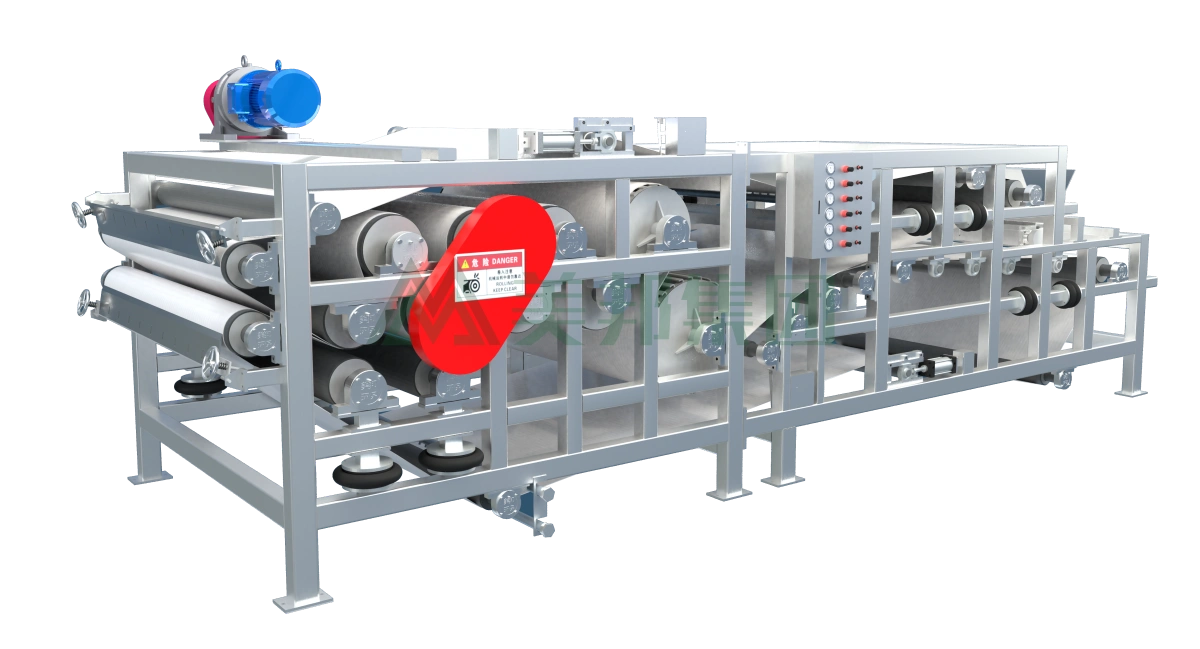
Future Trends in Biomass Dewatering
As global renewable energy demand continues to increase, cellulosic ethanol production is expected to expand rapidly in the coming years.
This growth will also increase demand for advanced solid-liquid separation technologies capable of handling difficult biomass materials.
Future biomass dewatering systems will likely focus on:
- Higher energy efficiency
- Improved automation
- Better corrosion resistance
- Enhanced fiber handling
- Lower operating costs
Efficient mechanical dewatering technologies will continue to play a critical role in improving the economic viability of large-scale biomass ethanol production.
Conclusion
Solid-liquid separation remains one of the most challenging stages in corn cob ethanol production. High fiber content, acidic conditions, elevated temperatures, and continuous industrial operation requirements create significant demands on biomass dewatering equipment.
To achieve stable and efficient operation, ethanol plants increasingly rely on customized belt filter press systems specifically designed for lignocellulosic biomass slurry applications.
As the cellulosic ethanol industry continues to develop, advanced mechanical dewatering technologies will become even more important for reducing energy consumption, lowering operating costs, and supporting sustainable biofuel production worldwide.