
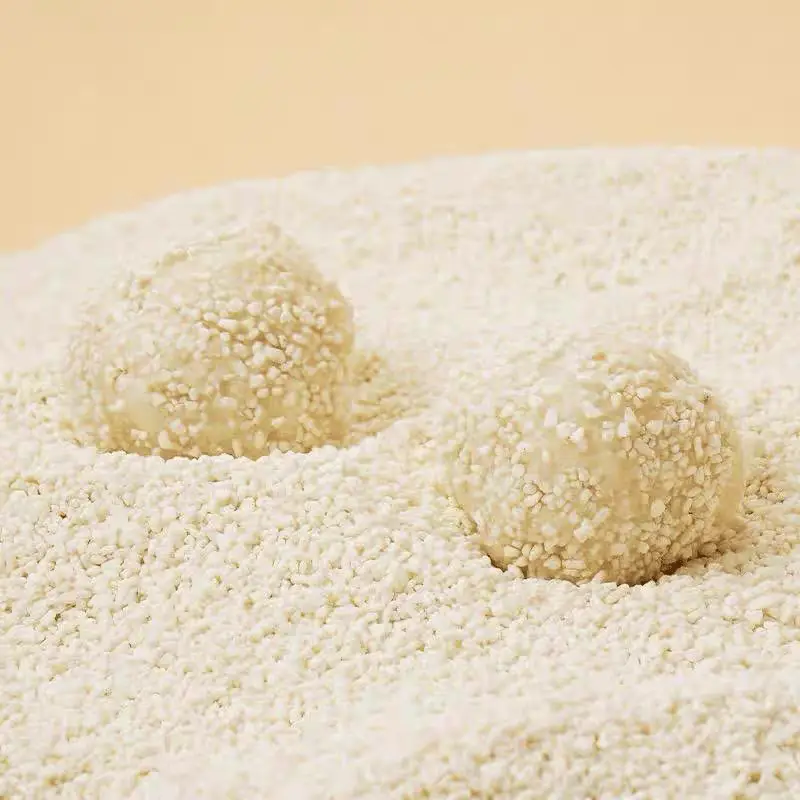

As the global pet industry continues to grow, demand for eco-friendly cat litter is increasing rapidly. Plant-based cat litter products made from cassava residue, tofu, corn, and other biodegradable materials are gradually replacing traditional clay cat litter in many markets.
Among these materials, cassava residue has become an increasingly attractive raw material due to its excellent water absorption, biodegradability, and low production cost. However, fresh cassava residue contains extremely high moisture content, making efficient dewatering and drying essential before cat litter production.
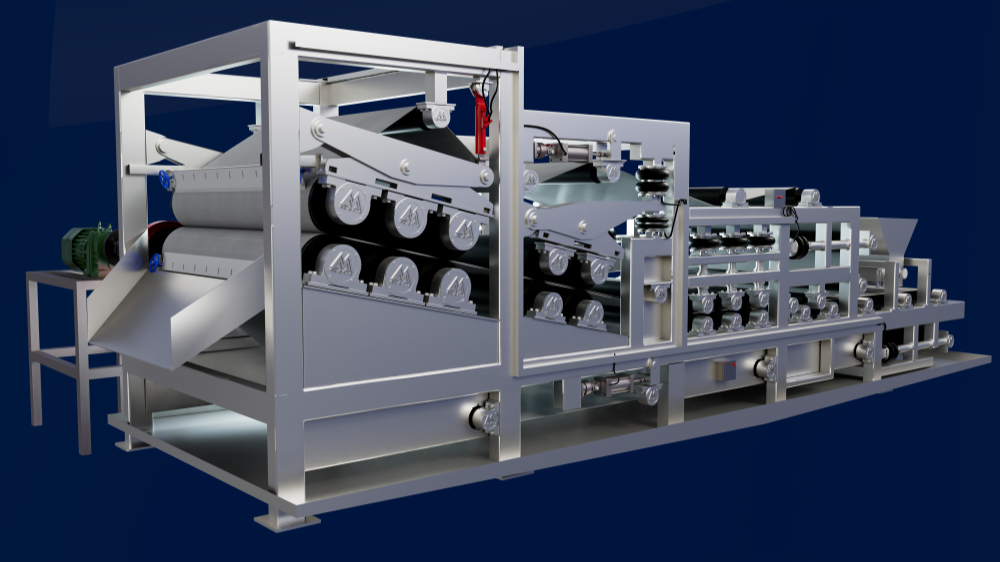
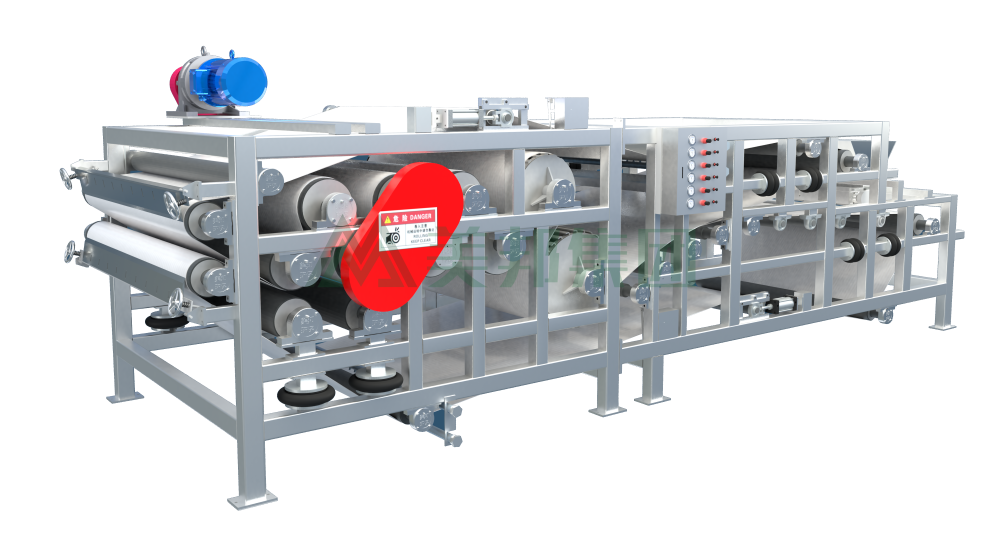
Modern hydraulic belt filter press systems play an important role in reducing moisture content, lowering drying costs, and improving production efficiency in cassava residue cat litter manufacturing.
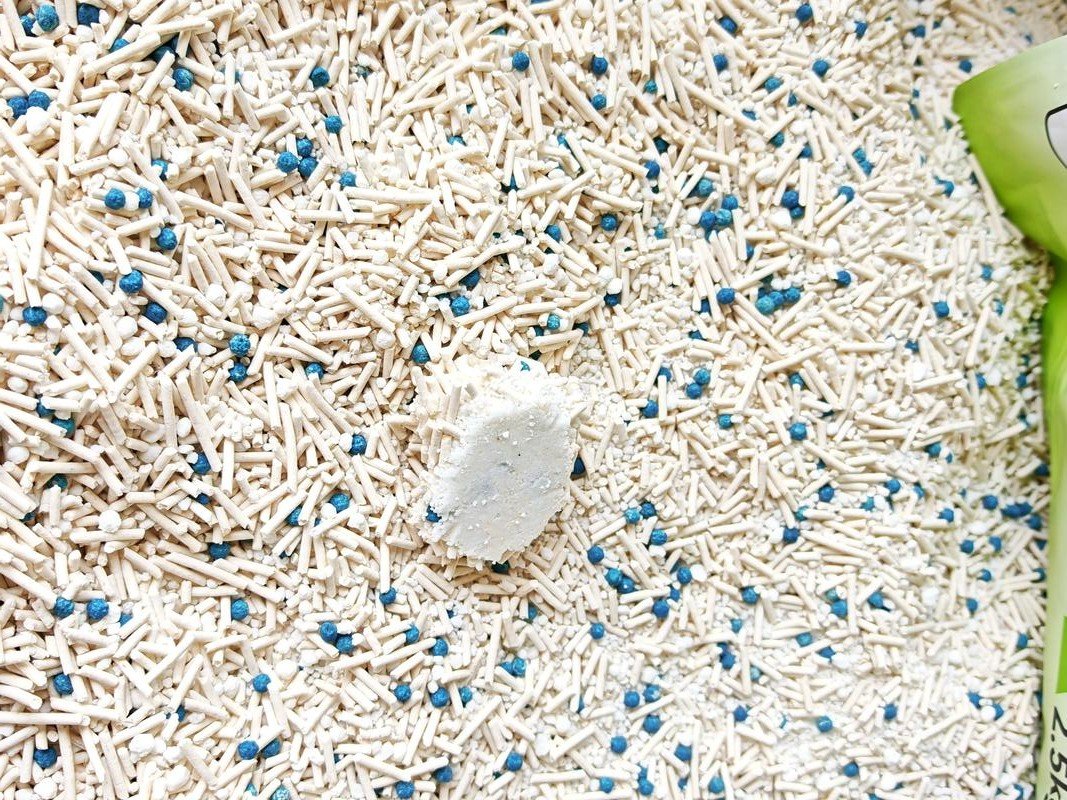
Why Cassava Residue Is Suitable for Cat Litter Production
Cassava residue is a fibrous by-product generated during cassava starch extraction. It contains:
- Natural starch
- Cellulose
- Organic fiber
- Residual nutrients
These characteristics make cassava residue highly suitable for producing biodegradable cat litter with good clumping performance and water solubility.
Compared with traditional mineral cat litter, cassava-based cat litter offers several advantages:
- Flushable and water-soluble
- Environmentally friendly
- Low dust generation
- Lightweight
- Renewable raw material source
As consumers become more environmentally conscious, cassava cat litter is emerging as a fast-growing segment in the pet care industry.
The Importance of Dewatering Cassava Residue
Fresh cassava residue usually contains more than 80% moisture. Without proper dewatering treatment, it presents several challenges:
- High transportation cost
- Difficult storage
- Mold growth risk
- Increased drying energy consumption
- Reduced pelletizing efficiency
This is why hydraulic belt filter press machines are widely used in cassava residue processing lines.
By mechanically removing excess water before thermal drying, factories can significantly reduce operating costs and improve production efficiency.
Cassava Residue Cat Litter Production Process
1. Raw Material Collection
Fresh cassava residue is collected from cassava starch processing plants or food processing facilities.
Because the material is highly wet and fibrous, rapid dewatering is necessary to prevent fermentation and odor generation.
2. Mechanical Dewatering
The cassava residue first enters a hydraulic belt filter press system.
During this process:
- Free water is removed
- Material volume is reduced
- Moisture content decreases significantly
- Transportation and drying become easier
Compared with traditional manual drying methods, belt filter press systems provide continuous operation and lower labor requirements.
For high-fiber materials like cassava residue, hydraulic belt filter presses offer stable performance and high processing capacity.
3. Thermal Drying
After mechanical dewatering, the material enters a drying system to further reduce moisture content to approximately 10%–15%.
Proper drying is critical for:
- Preventing mold growth
- Improving pellet quality
- Extending storage life
- Enhancing clumping performance
Lower initial moisture content from belt press dewatering can substantially reduce drying fuel consumption.
Formula and Mixing Process
The dried cassava residue powder is mixed with various additives to improve physical performance.
Common Ingredients
- Cassava residue
- Corn starch
- Sodium carboxymethyl starch
- Baking soda
- Salt
- Functional additives
Corn starch helps improve:
- Water absorption
- Particle strength
- Clumping ability
Baking soda can improve odor control performance.
Proper mixing ensures stable pellet quality during extrusion.
Extrusion Pelletizing Process
The mixed material enters a twin-screw extrusion granulator.
Under pressure and friction:
- Starch gelatinization occurs
- Loose powder forms into pellets
- Granules achieve better structural strength
The final cat litter can be produced in different shapes, including:
- Granular pellets
- Long-strip pellets
- Crushed particles
Secondary Drying and Cooling
Freshly extruded pellets still contain residual moisture.
The material therefore passes through:
- Drying systems
- Vibrating cooling machines
Cooling improves particle hardness and prevents deformation during packaging and transportation.
Screening and Packaging
Finished cat litter products are screened to remove:
- Dust
- Fine particles
- Broken pellets
The final product is then packaged for commercial sale.
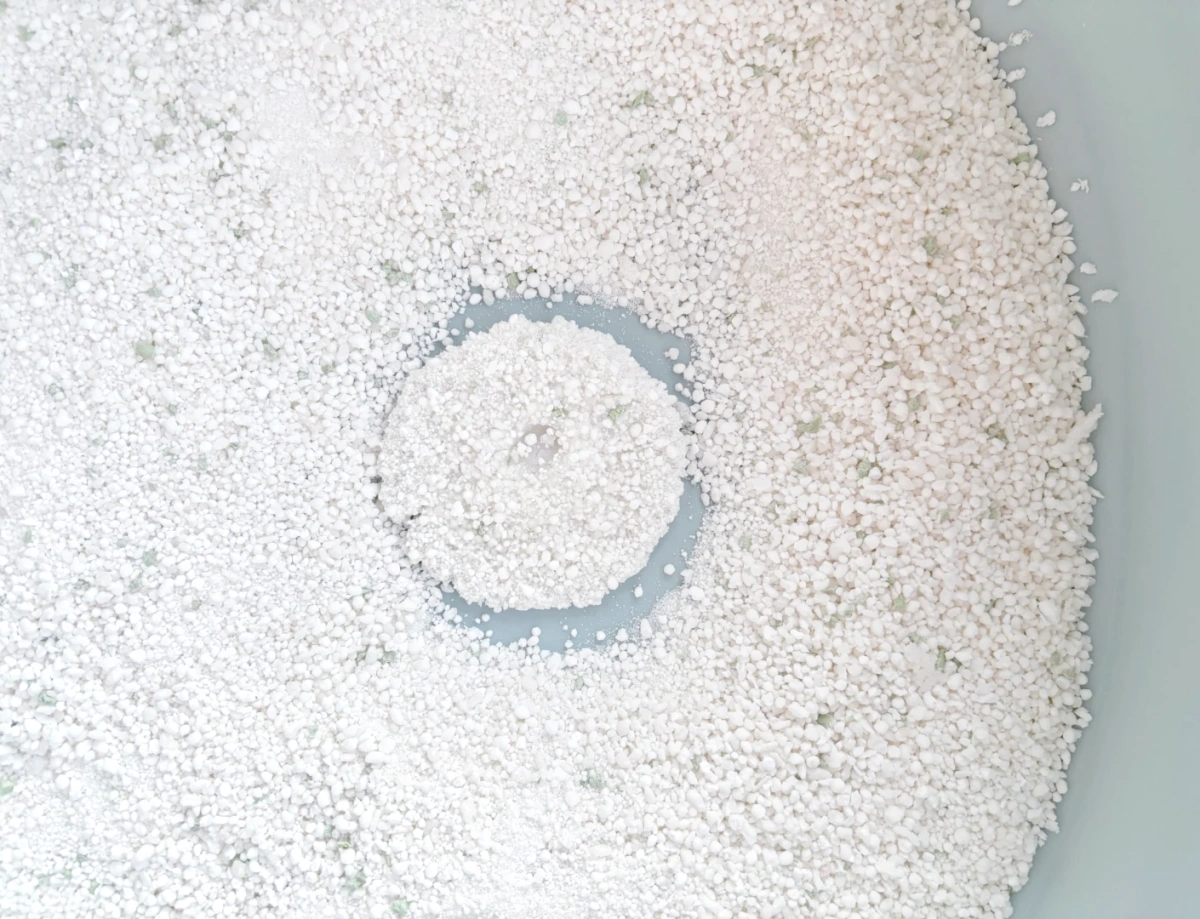
Advantages of Cassava Cat Litter
Water Solubility
Cassava-based cat litter dissolves quickly in water and can often be flushed directly into toilets, improving convenience for pet owners.
Eco-Friendly and Biodegradable
Unlike mineral cat litter, cassava residue cat litter is produced from renewable agricultural waste.
This supports sustainable manufacturing and circular economy development.
Excellent Clumping Performance
With proper formulation, cassava cat litter offers strong water absorption and fast clumping performance.
Reduced Dust
Compared with traditional wood or clay cat litter, cassava cat litter can achieve lower dust levels.
Improved Odor Control
Combined with baking soda and other additives, cassava cat litter provides effective odor masking capability.
Market Trends and Future Potential
The global pet care industry continues to expand rapidly, especially in environmentally conscious markets.
Plant-based cat litter products are becoming mainstream due to:
- Growing pet ownership
- Environmental awareness
- Demand for biodegradable products
- Convenience of flushable cat litter
Cassava cat litter is increasingly considered an upgraded alternative to traditional tofu cat litter products.
Why Hydraulic Belt Filter Presses Are Important for Cassava Cat Litter Production
Efficient dewatering directly affects the profitability of cassava cat litter production.
Hydraulic belt filter press systems offer several advantages:
Continuous Operation
Suitable for large-scale industrial production lines.
Lower Drying Cost
Mechanical dewatering significantly reduces energy consumption during thermal drying.
High Capacity
Capable of processing large volumes of cassava residue continuously.
Suitable for High-Fiber Materials
Cassava residue contains difficult fibrous materials that conventional dewatering systems may struggle to handle efficiently.
Reduced Labor Requirement
Automatic operation lowers labor costs and improves production efficiency.
Conclusion
Cassava residue cat litter production represents a high-value recycling solution for agricultural processing waste.
By combining efficient dewatering, drying, extrusion, and pelletizing technologies, manufacturers can transform cassava residue into environmentally friendly, biodegradable cat litter products with strong market demand.
For cassava processing plants and pet product manufacturers, hydraulic belt filter press systems provide an effective solution for reducing moisture content, lowering drying costs, and improving overall production efficiency in cassava cat litter manufacturing.