
Africa’s Growing Cassava Industry and Seasonal Processing Pressure
Cassava has become one of the most important agricultural crops in Africa, supporting food security, rural employment, and the development of agro-processing industries. Countries such as Nigeria, Ghana, Côte d’Ivoire, the Democratic Republic of Congo, Tanzania, and Mozambique have established large cassava cultivation areas, supplying raw materials for cassava starch, cassava flour, animal feed, ethanol production, and other value-added products.
Unlike seasonal crops such as maize or wheat, cassava offers greater flexibility because it can remain underground for months after maturity. However, for industrial cassava processing plants, harvesting periods still create significant operational challenges. When farmers and cooperatives concentrate harvesting activities during peak seasons, cassava factories often receive large volumes of fresh cassava roots within a short period.
This seasonal increase in raw material supply brings higher production opportunities but also creates a major challenge: the rapid accumulation of wet cassava pulp and processing residues.
For cassava starch factories and cassava processing plants, efficient cassava waste management has become increasingly important to maintain production efficiency, reduce environmental pressure, and improve resource utilization.
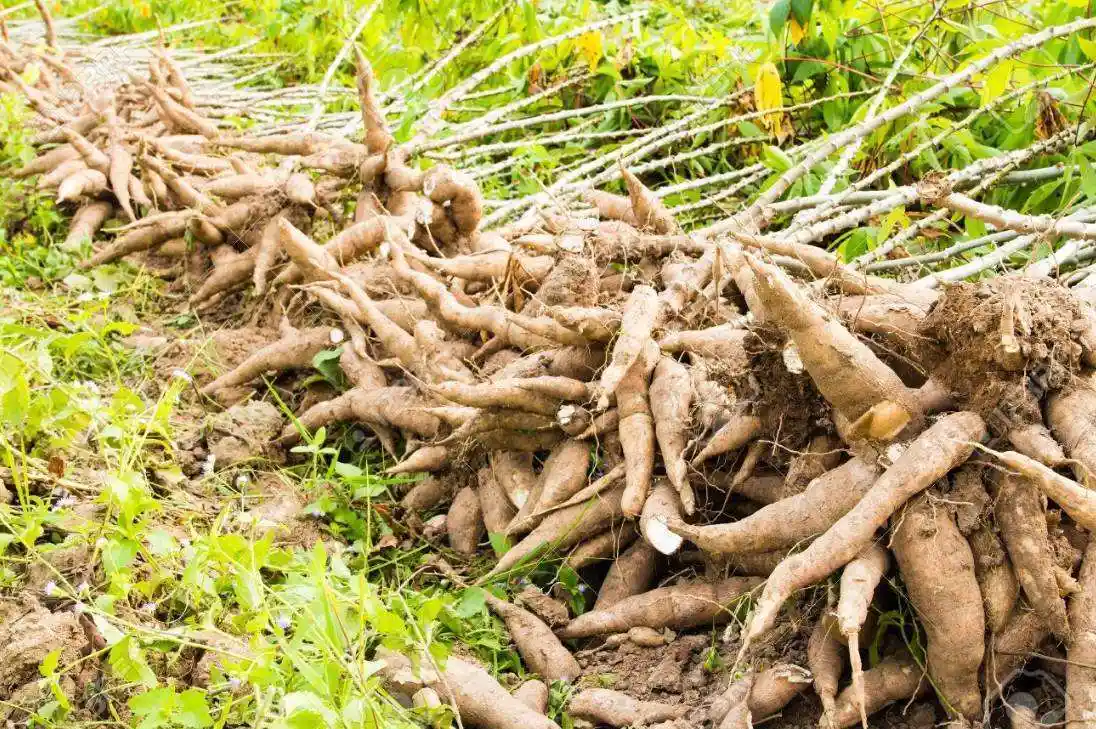
Cassava Harvest Seasons Across Major African Producing Regions
The cassava production cycle in Africa varies by region due to differences in rainfall patterns and climate conditions.
In West Africa, especially Nigeria, Ghana, and Côte d’Ivoire, cassava planting usually follows the beginning of the rainy season, mainly from March to June. The major harvesting period generally occurs from October to the following March. During this period, cassava processing factories often operate at high capacity to handle increased supplies of fresh cassava roots.
Nigeria, as the world’s largest cassava producer, has a well-established cassava processing industry. Many commercial cassava starch factories and cassava flour plants operate near major cultivation areas. However, during peak harvest periods, the large quantity of cassava residue generated from processing becomes a serious management issue.
In Central Africa, including the Democratic Republic of Congo and Cameroon, cassava production is often distributed throughout the year due to favorable tropical conditions. However, seasonal rainfall and transportation conditions can still lead to fluctuations in raw material availability.
In East Africa, countries such as Tanzania and Uganda experience two main rainfall periods, allowing farmers to cultivate cassava in different cycles. This creates opportunities for year-round processing but also requires factories to have reliable waste handling systems.
For industrial processors, understanding cassava harvesting seasons is essential for planning production capacity, storage systems, and cassava pulp treatment solutions.
Why Cassava Processing Generates Waste Management Challenges
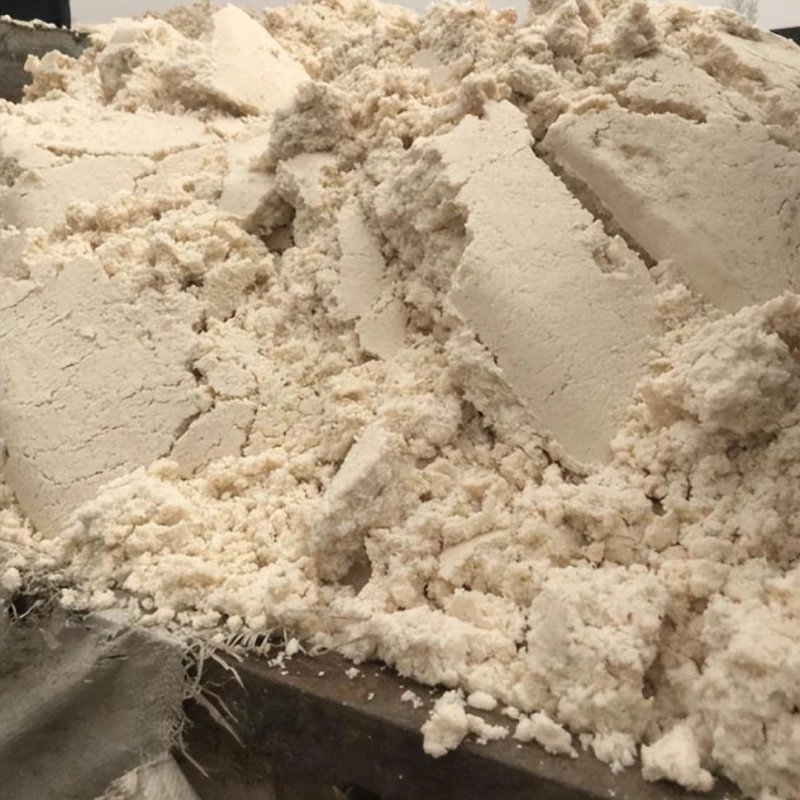
During cassava starch production, fresh cassava roots are washed, crushed, and separated into starch and fibrous residues. The remaining cassava pulp, also known as cassava residue or cassava bagasse, contains a high amount of moisture.
Fresh cassava pulp typically has a moisture content of more than 80%, making transportation, storage, and disposal difficult.
Traditional disposal methods, such as open dumping or uncontrolled storage, can create several problems:
- Rapid fermentation and unpleasant odors;
- Wastewater generation during rainy periods;
- Increased transportation costs due to high water content;
- Loss of potential value from organic materials;
- Environmental risks around cassava processing facilities.
As African cassava processing industries continue to expand, factories are increasingly looking for solutions that can transform cassava waste from an environmental burden into valuable resources.
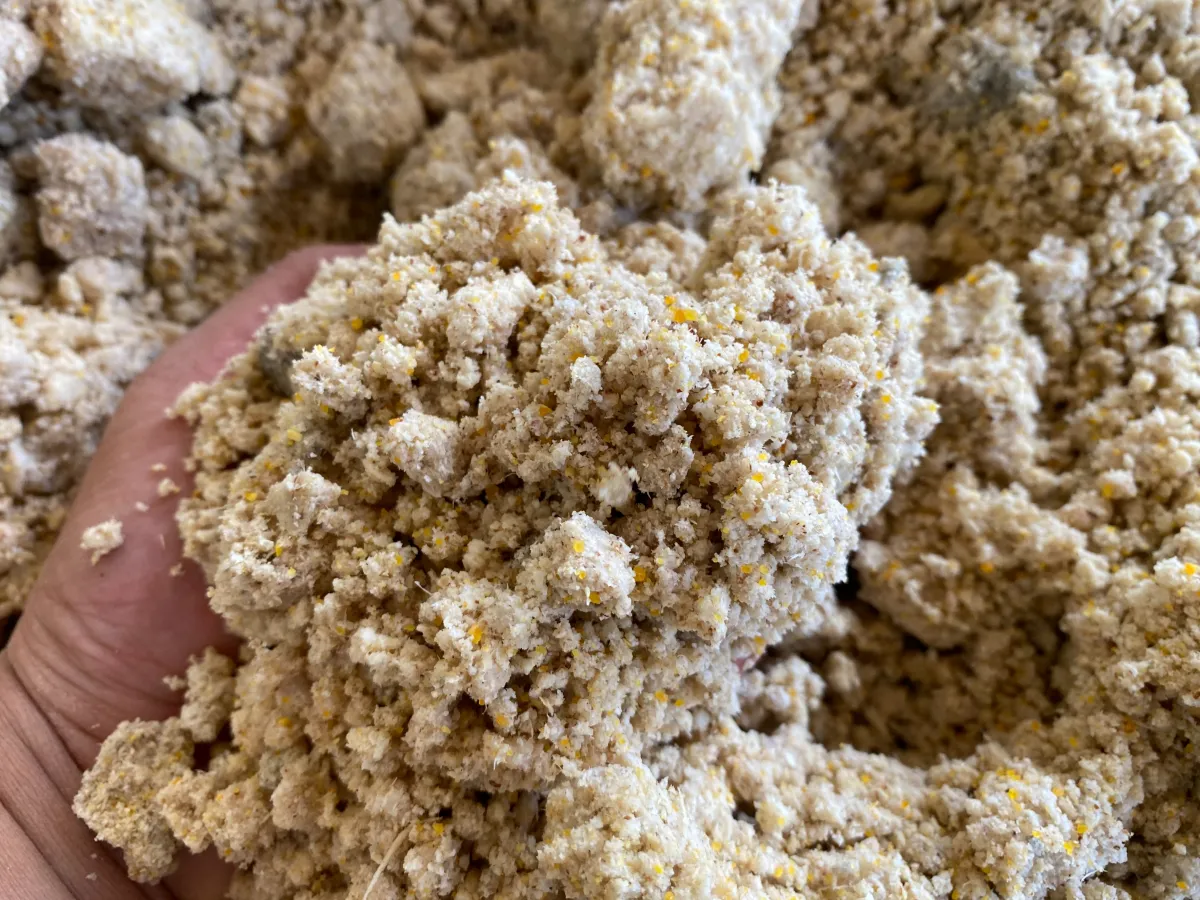
Turning Cassava Pulp into Valuable Resources
Cassava pulp is not simply agricultural waste. After effective dewatering and processing, it can become a valuable raw material for various applications.
Animal Feed Production
Dewatered cassava pulp can be further dried and processed into animal feed ingredients. Removing excess moisture reduces transportation costs and improves storage stability.
Biomass Fuel Production
Cassava residue contains organic matter that can be utilized as biomass fuel. After reducing moisture content, cassava pulp becomes easier to handle and suitable for energy recovery applications.
Organic Fertilizer Production
Processed cassava residues can also be used as a component of organic fertilizers, supporting circular agriculture and sustainable farming practices.
However, achieving these applications requires efficient industrial cassava pulp dewatering technology.
Multi-Roller Press Technology for Cassava Pulp Dewatering
For medium and large-scale cassava processing plants, traditional mechanical dewatering equipment often struggles with high-fiber materials. Cassava pulp contains fine fibers and a high amount of bound water, requiring stronger mechanical squeezing performance.
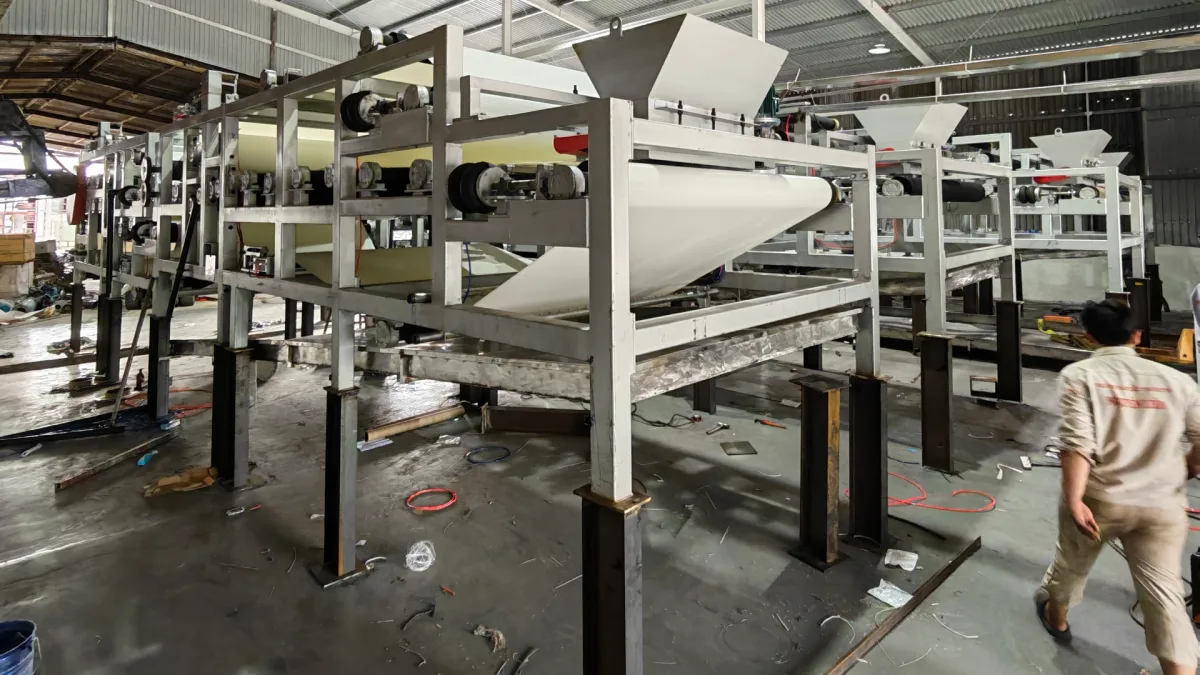
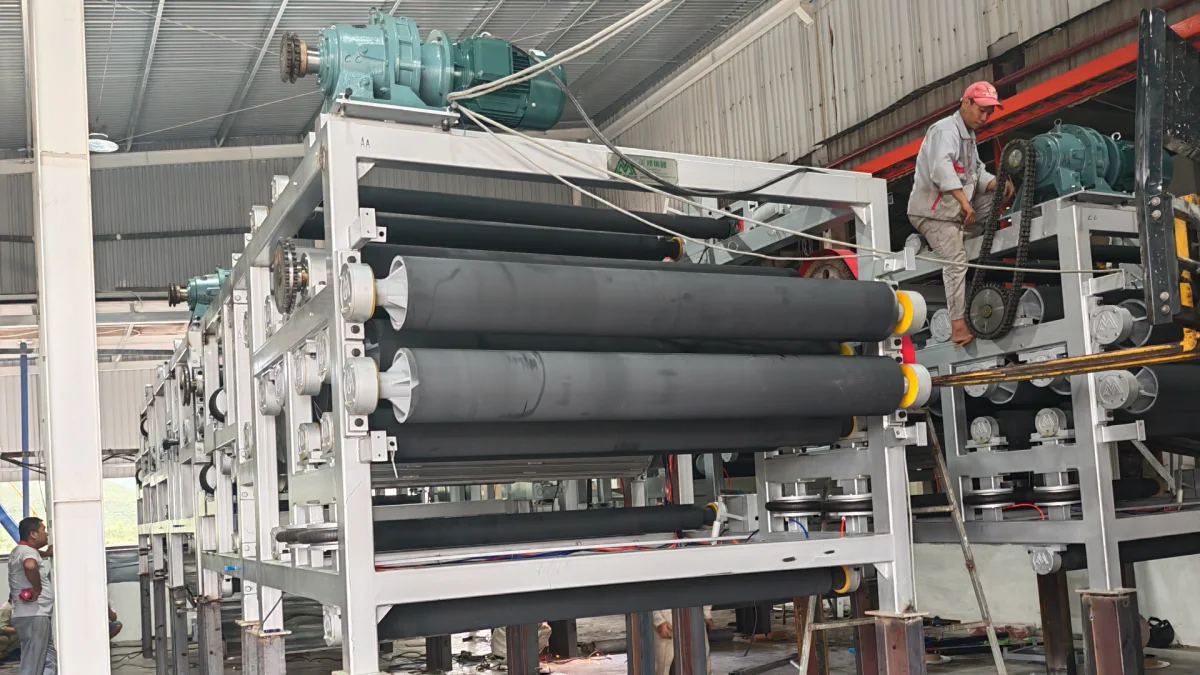
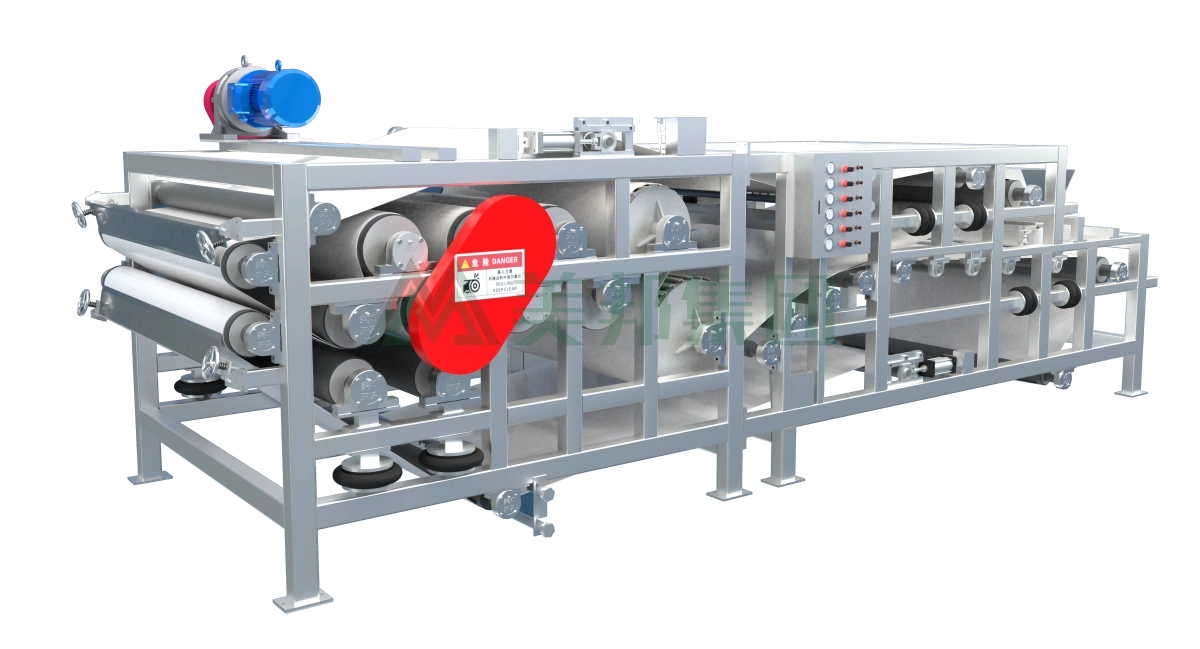
A multi-roller press with a 2-meter filter belt width provides an efficient solution for cassava pulp dewatering applications.
Compared with conventional dewatering methods, a high-capacity multi-roller press offers several advantages:
Continuous Operation for Industrial Processing
Cassava factories often operate continuously during harvest seasons. The 2-meter belt width design provides a large filtration area, allowing stable processing capacity while reducing downtime.
Strong Mechanical Squeezing Performance
Multiple pressing rollers gradually increase pressure on cassava pulp. This multi-stage squeezing process improves water removal efficiency while maintaining stable operation for high-fiber materials.
Lower Transportation and Storage Costs
By significantly reducing the moisture content of cassava residue, factories can decrease waste volume, reduce transportation expenses, and improve downstream utilization.
Adaptability to Different Cassava Residue Conditions
Cassava pulp properties can vary depending on cassava varieties, processing methods, and starch extraction efficiency. A multi-roller press can be adjusted according to different material characteristics to achieve optimized dewatering performance.
Supporting Sustainable Cassava Processing in Africa
The future development of Africa’s cassava industry will not only depend on increasing cultivation and processing capacity but also on improving resource efficiency.
As cassava starch factories expand, effective cassava waste management will become a key factor influencing operational costs and environmental performance.
Installing advanced cassava pulp dewatering equipment allows processors to:
- Reduce wet waste accumulation during peak harvest seasons;
- Improve factory cleanliness and environmental compliance;
- Create additional revenue opportunities from cassava residue;
- Build a more sustainable circular economy model.
For cassava processing companies in Nigeria, Ghana, Congo, Tanzania, and other African markets, investing in industrial dewatering solutions can help overcome seasonal waste challenges while maximizing the value of cassava resources.
Conclusion
Africa’s cassava industry is entering a new stage of development, driven by increasing demand for starch, food ingredients, animal feed, and renewable biomass resources. However, peak harvest seasons bring significant challenges for cassava processing plants, especially in handling large quantities of high-moisture cassava pulp.
Advanced cassava pulp dewatering technology provides an effective solution by reducing moisture, improving transportation efficiency, and enabling waste valorization.
A 2-meter filter belt width multi-roller press offers cassava processors a reliable, continuous, and efficient method for managing cassava residue during high-production periods. By integrating modern dewatering equipment into cassava processing lines, African cassava factories can transform waste management challenges into new opportunities for sustainable growth.