

1. Turning Orange Processing Waste into Valuable Animal Feed
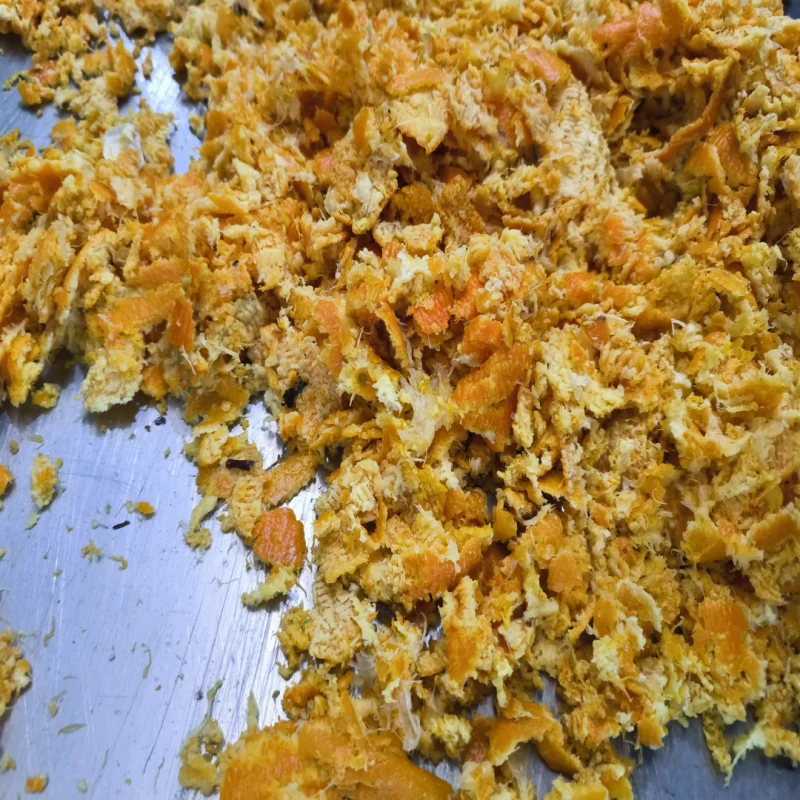
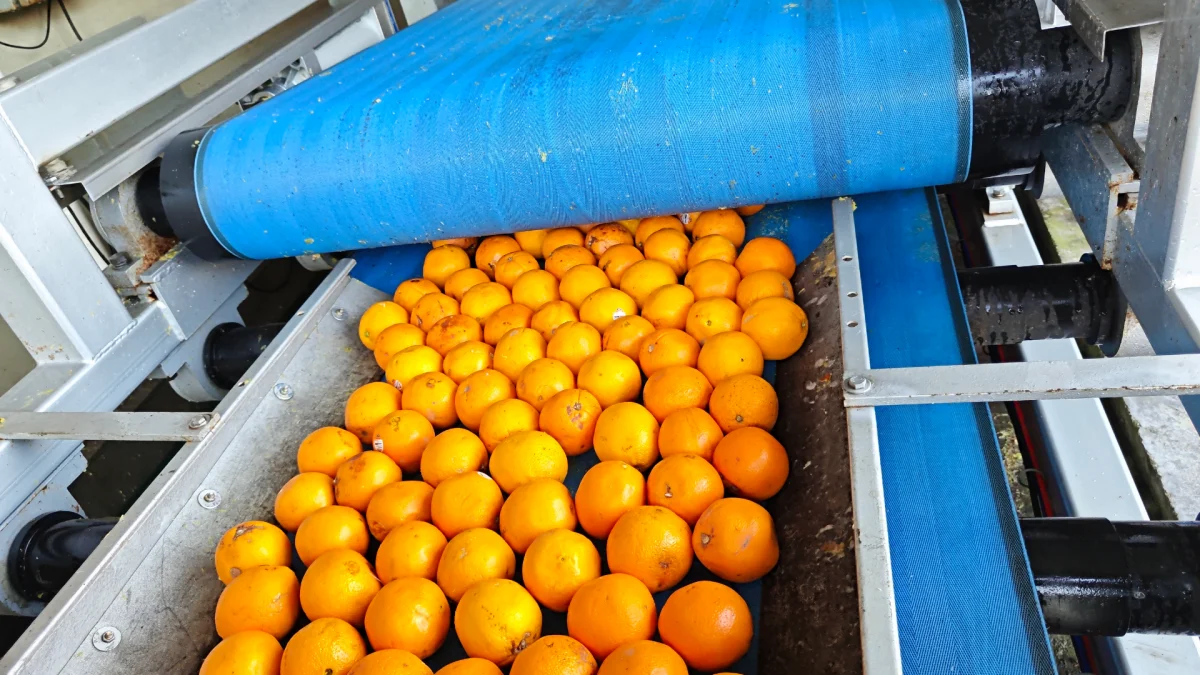
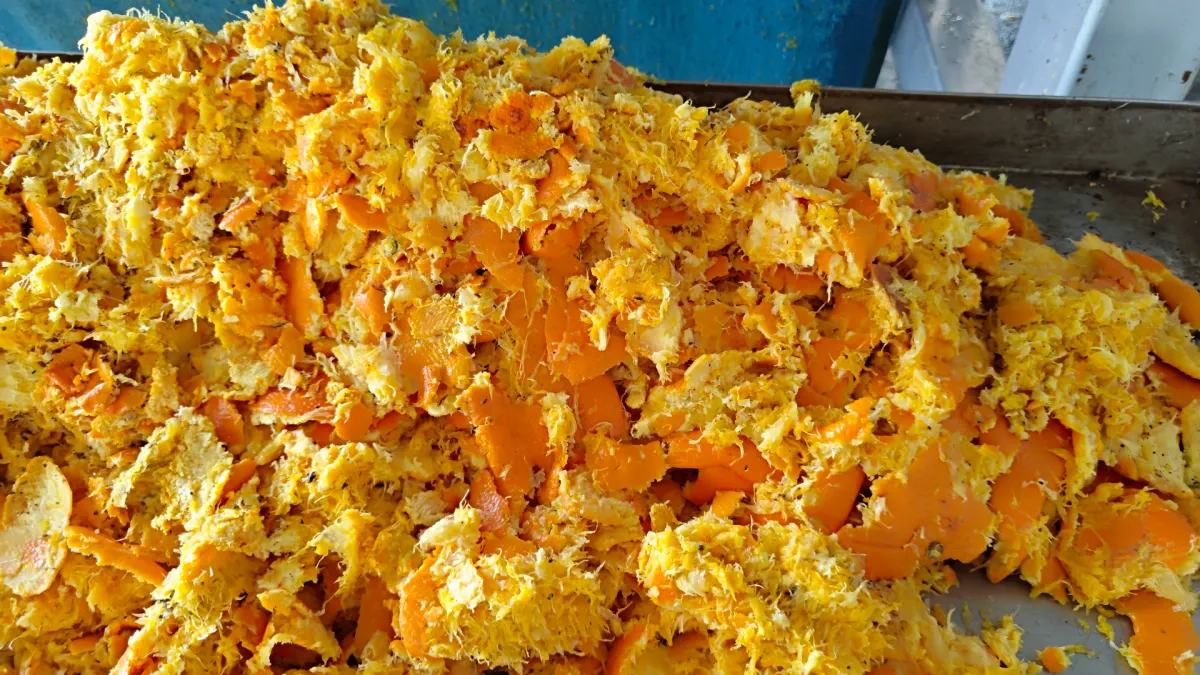
Every year, citrus juice processing plants generate large quantities of orange pulp, including peel, pulp residues, membranes, and other fruit tissues left after juice extraction. Although these materials are often treated as agricultural by-products, they contain valuable nutrients that can be recovered and reused.
For large orange juice manufacturers in Europe and North America, converting orange processing residues into animal feed offers an opportunity to reduce waste disposal costs while creating additional value from existing raw materials.
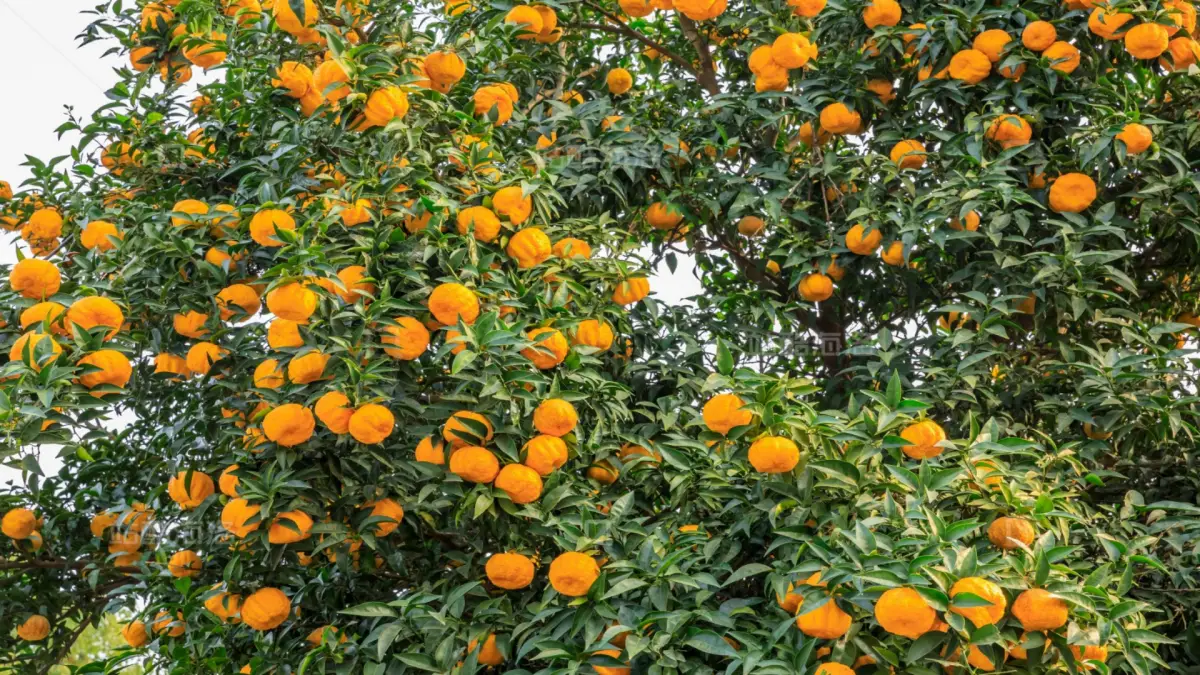
Spain and Italy are important citrus-producing countries in Europe, while Florida and California have established citrus industries in the United States. In regions where juice processing generates substantial volumes of orange pulp, efficient by-product management can become an important part of industrial operations.
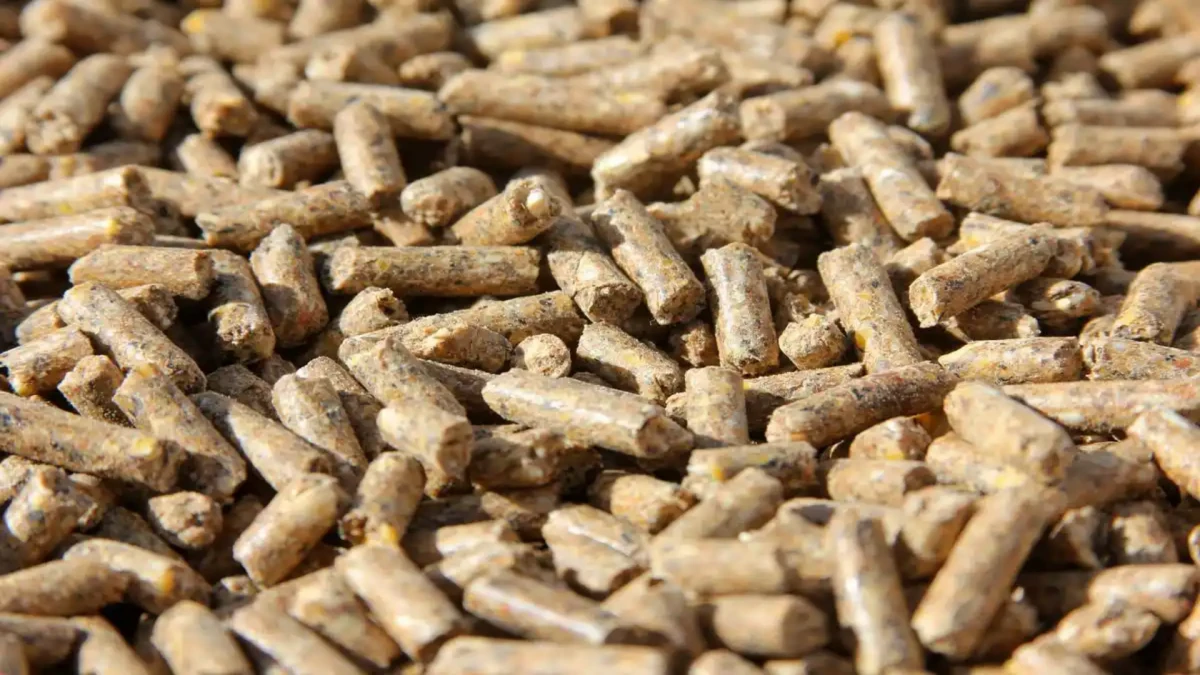
One promising application is dried citrus pulp for dairy cattle feed. Research has demonstrated that citrus pulp can provide digestible fiber and energy, making it a useful ingredient in properly balanced cattle rations.
However, freshly produced orange pulp contains substantial moisture. Transporting or drying it without first removing some of this water can increase logistics and energy costs.
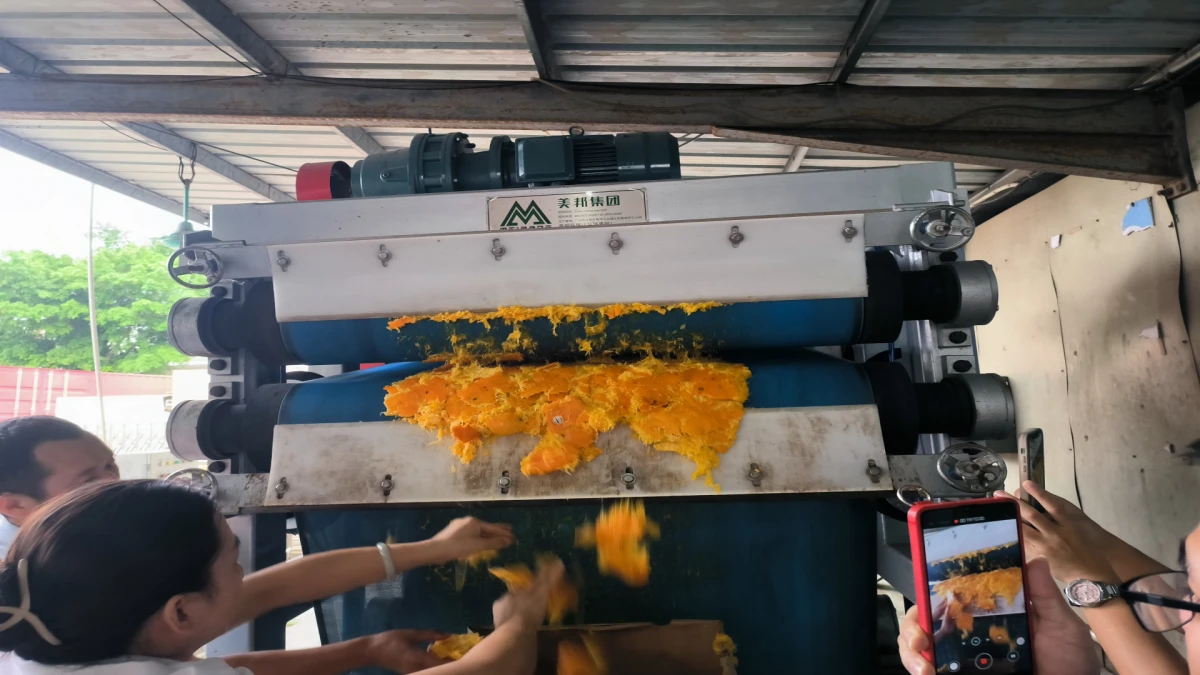
This is where industrial mechanical dewatering becomes important. A large dual-motor belt press can be evaluated as a continuous dewatering solution for citrus processing plants seeking to recover valuable solids and improve the economics of downstream feed production.
2. Why Orange Pulp Has Nutritional Value
Orange pulp is more than a waste material. Its nutritional composition explains why it has established applications in livestock feeding.
According to Feedipedia, a livestock feed information resource, dried citrus pulp typically contains approximately 7% crude protein, 14% crude fiber, 21.6% neutral detergent fiber, and 24.4% total sugars on a dry matter basis. Actual values vary with the fruit, processing method, and composition of the material.
Three nutritional characteristics are particularly important.
Digestible fiber
Citrus pulp contains structural carbohydrates and pectin that can be utilized by rumen microorganisms. Unlike cereal grains, its energy supply is not primarily based on starch. This makes citrus pulp a useful ingredient in some dairy and beef cattle rations.
Pectin and fermentable carbohydrates
Pectin is readily fermented in the rumen. Citrus pulp can therefore supply energy while supporting a different fermentation pattern from starch-rich cereal ingredients.
Energy for livestock production
Dried citrus pulp has a useful energy value and can partially replace cereal ingredients in appropriately formulated rations. Nevertheless, it is relatively low in protein and should not be regarded as a complete feed.
Source: Feedipedia — Dried Citrus Pulp.
For citrus processors, these nutritional characteristics create a commercial incentive to recover the solid fraction rather than treating all orange residues as waste.
3. Can Citrus Pulp Help Increase Milk Fat Content?
One reason dried citrus pulp attracts attention in dairy nutrition is its potential role in maintaining or improving milk fat content under suitable feeding conditions.
A study published in Animal Feed Science and Technology in 1996 investigated the effects of dried citrus pulp on dairy cows. The experimental diet containing 20% dried citrus pulp on a dry matter basis was compared with a control diet containing dried beet pulp and ground maize.
The researchers reported the following results:
| Measurement | Control diet | Diet containing 20% dried citrus pulp |
|---|---|---|
| Milk fat content | 4.12% | 4.48% |
| Milk fat yield | 0.95 kg/day | 1.06 kg/day |
The researchers found statistically significant increases in both milk fat content and daily milk fat production. Milk yield and milk protein content were not significantly affected in that experiment.
Source: Effects of Dried Citrus Pulp on Milk Yield, Milk Composition and Blood Components of Dairy Cows.
These findings provide a useful example of the potential value of citrus pulp as a dairy feed ingredient. However, the results should not be interpreted as a guarantee that adding 20% citrus pulp will increase milk fat on every farm. Responses depend on the overall ration, forage quality, production stage, and other nutritional factors.
The 20% inclusion level refers to the proportion of total dietary dry matter in the specific experimental ration, not 20% of the wet feed as delivered.
For commercial feed manufacturers, the broader implication is that citrus pulp can be a useful energy ingredient with a defined nutritional purpose. Recovering this material efficiently can help connect the citrus processing industry with the livestock feed sector.

4. The Challenge: Fresh Orange Pulp Contains Too Much Water
Despite its nutritional value, fresh orange pulp presents several processing challenges.
First, its moisture content is generally high. Feedipedia reports an average dry matter content of approximately 17.5% for the fresh citrus pulp samples in its database, although individual materials vary considerably.
Second, wet orange pulp can deteriorate rapidly if it is not processed or preserved appropriately. Large juice factories may generate residues continuously during production campaigns, making reliable handling capacity essential.
Third, drying wet pulp requires energy. If the material enters a dryer with excessive moisture, more water must be evaporated before a stable dried feed ingredient can be produced.
Mechanical dewatering can address part of this challenge by removing free water before thermal drying.
The objective is not necessarily to achieve the lowest possible moisture content through pressing alone. Instead, the objective is to recover as much useful solid material as practical while producing a feed stream suitable for the next processing stage.
For large plants, this requires a dewatering system capable of handling variable feed conditions, operating continuously, and integrating with conveyors, collection tanks, dryers, and other equipment.
5. Large Dual-Motor Belt Press for Citrus Pulp Dewatering
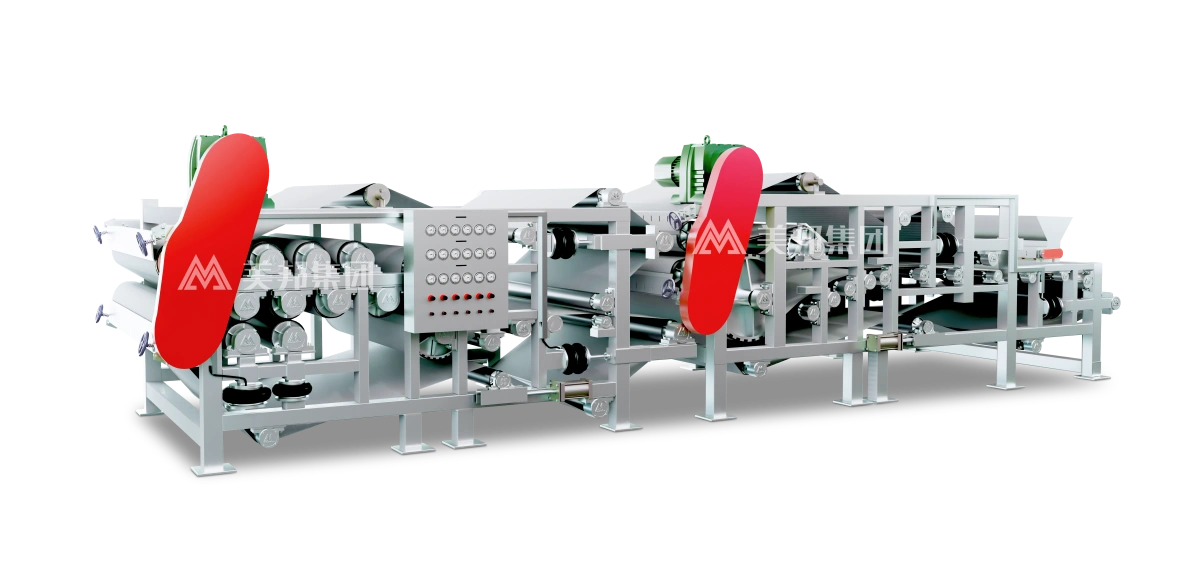
A large dual-motor belt press is a potential solution for industrial citrus pulp dewatering applications that require continuous processing and substantial throughput.
Rather than relying on multiple small machines, a properly engineered large-capacity system can concentrate processing capacity into a centralized installation. This may simplify material handling and reduce duplicated equipment, depending on the plant layout.
High processing capacity
Large citrus juice plants may generate significant volumes of wet pulp during peak production periods. Equipment capacity must be sufficient to prevent the dewatering stage from becoming a bottleneck.
A large belt press can be configured around the required feed rate, belt width, pressing arrangement, and operating schedule.
Actual throughput depends on the pulp’s moisture content, fiber structure, particle size, feeding consistency, and required dryness. Because orange pulp contains pectin and fine fruit tissues, representative material testing is essential before confirming the machine configuration.
Dual-motor pressing configuration
A dual-motor design can be engineered for demanding industrial applications where drive power and continuous pressing operation must match the required throughput.
The complete system may incorporate controlled feeding, belt operation, pressing, filtrate collection, and automatic discharge. The motor and drive configuration should be selected according to the specific application rather than assuming that the same settings will work for every citrus residue.
Automated operation
Automation can reduce the need for constant manual adjustment and material handling.
Depending on project requirements, the system can integrate automatic feeding controls, belt tracking, operating monitoring, and safety protection. These functions help operators manage production more consistently and coordinate dewatering with downstream equipment.
For large processing facilities, the objective is to establish a stable, integrated process rather than simply install a standalone machine.
6. Lowering Equipment Investment, Labor, and Energy Costs
The economic benefits of citrus pulp dewatering should be evaluated across the entire processing line.
A high-capacity belt press may reduce the need for multiple smaller units, duplicated feeding systems, and additional material transfer points. A centralized automated system may also reduce routine labor requirements.
Energy savings can be particularly important when dewatering precedes thermal drying.
Every unit of water removed mechanically is water that does not need to be evaporated in the dryer. However, the actual energy savings depend on the amount of water removed, the dryer efficiency, the incoming pulp condition, and the electricity and heat requirements of the complete system.
For this reason, a meaningful project evaluation should compare:
- Installed equipment investment and processing capacity.
- Labor requirements during normal operation.
- Electricity consumption per tonne of wet pulp processed.
- Mechanical moisture removal and solids recovery.
- Downstream drying energy consumption.
- Maintenance requirements and expected operating availability.
These measurements provide a more reliable basis for estimating operating costs than comparing machine purchase prices alone.
7. Supporting a More Sustainable Citrus Processing Industry
Recovering orange pulp for feed production can contribute to more efficient use of agricultural resources.
Instead of disposing of the entire residue stream, processors can recover solids for further processing and manage the liquid fraction separately. This approach can reduce waste volumes requiring disposal and create an additional route for utilizing fruit-processing by-products.
Mechanical dewatering also supports a more efficient drying process when it reduces the amount of water entering the dryer.
Nevertheless, sustainability depends on the complete process. Filtrate may contain dissolved sugars, organic matter, and fine suspended solids, so it may require recovery, treatment, or other appropriate management. The recovered pulp must also meet the relevant feed safety, storage, and quality requirements.
The objective is to create a practical circular process that combines efficient separation, responsible water management, suitable preservation, and reliable feed production.
8. A Practical Dewatering Solution for Large Citrus Processing Plants
For orange juice manufacturers, citrus pulp processors, and animal feed producers, equipment selection should begin with the characteristics of the actual material.
Important questions include the volume of pulp generated per hour, incoming moisture content, particle structure, required solids recovery, target moisture after pressing, and the capacity of the downstream dryer.
A large dual-motor belt press can then be evaluated and configured around these requirements.
For facilities processing large quantities of orange pulp, high-capacity mechanical dewatering offers a potential way to reduce water-handling and drying demands while recovering valuable organic solids.
The commercial opportunity lies in connecting two industries: citrus processing, which generates large quantities of wet by-products, and livestock feed manufacturing, which can utilize properly processed citrus pulp as an ingredient.
Looking for a high-capacity orange pulp dewatering solution?
Our engineering team can evaluate your citrus residue characteristics, required processing capacity, and downstream drying requirements to develop a customized dual-motor belt press solution for your production line.
Juice processing plants and feed mills looking to purchase dewatering equipment, please contact us via WhatsApp: +86 13826233800 for free solutions and quotations.