
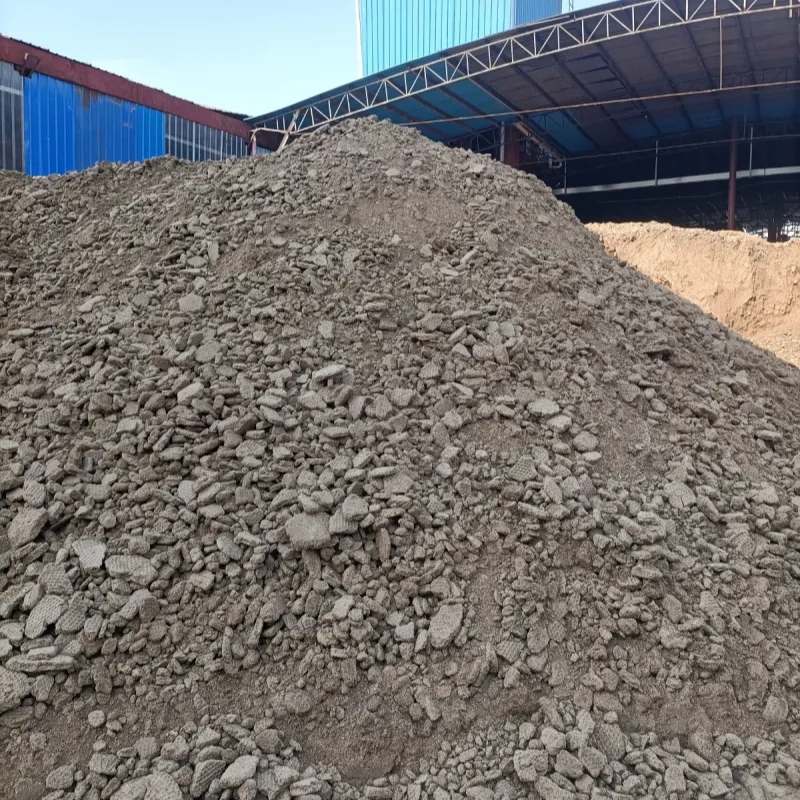

As the cassava harvesting season gets underway across Southeast Asia, cassava starch factories in Vietnam, Thailand, Cambodia, and neighboring countries are entering one of the busiest periods of the year. For large-scale cassava processors, however, the challenge is not simply how much cassava they can process. It is increasingly about how efficiently they can handle the large volumes of cassava pulp and wastewater generated during production.
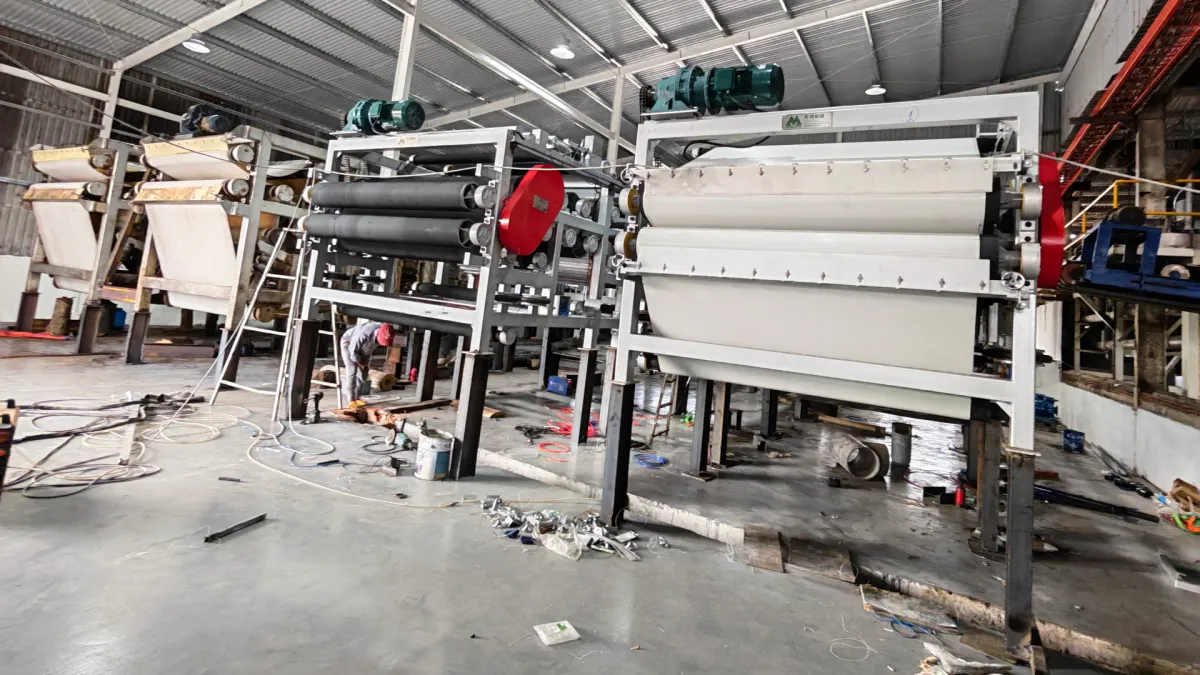
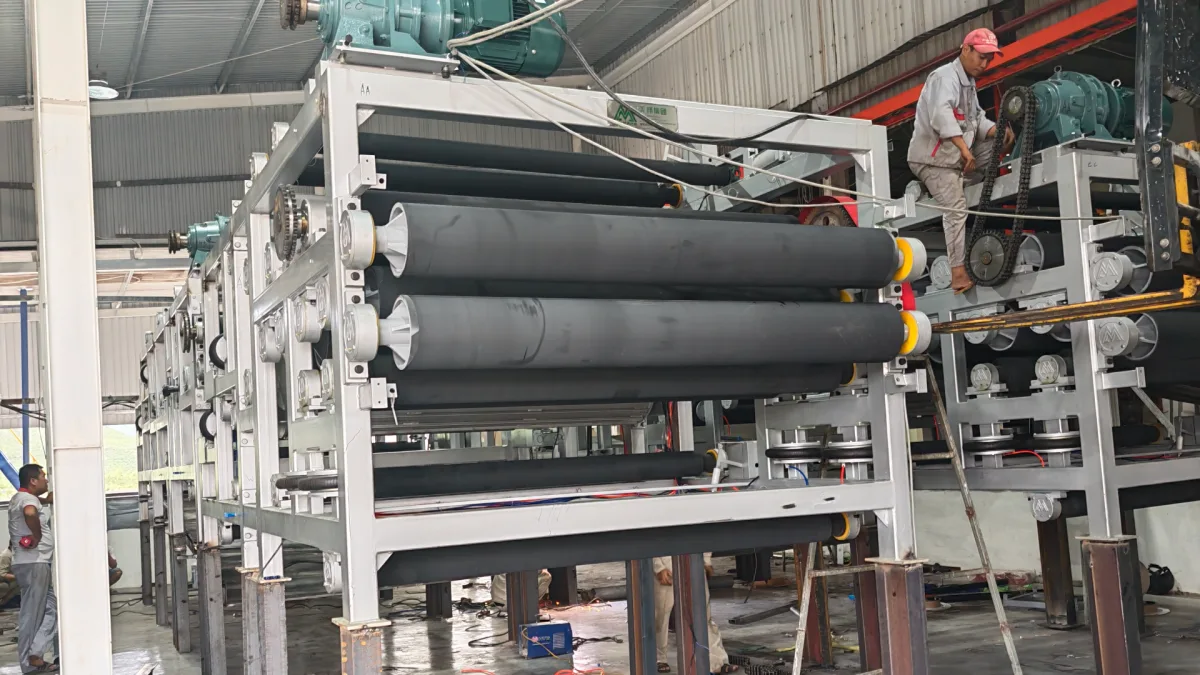
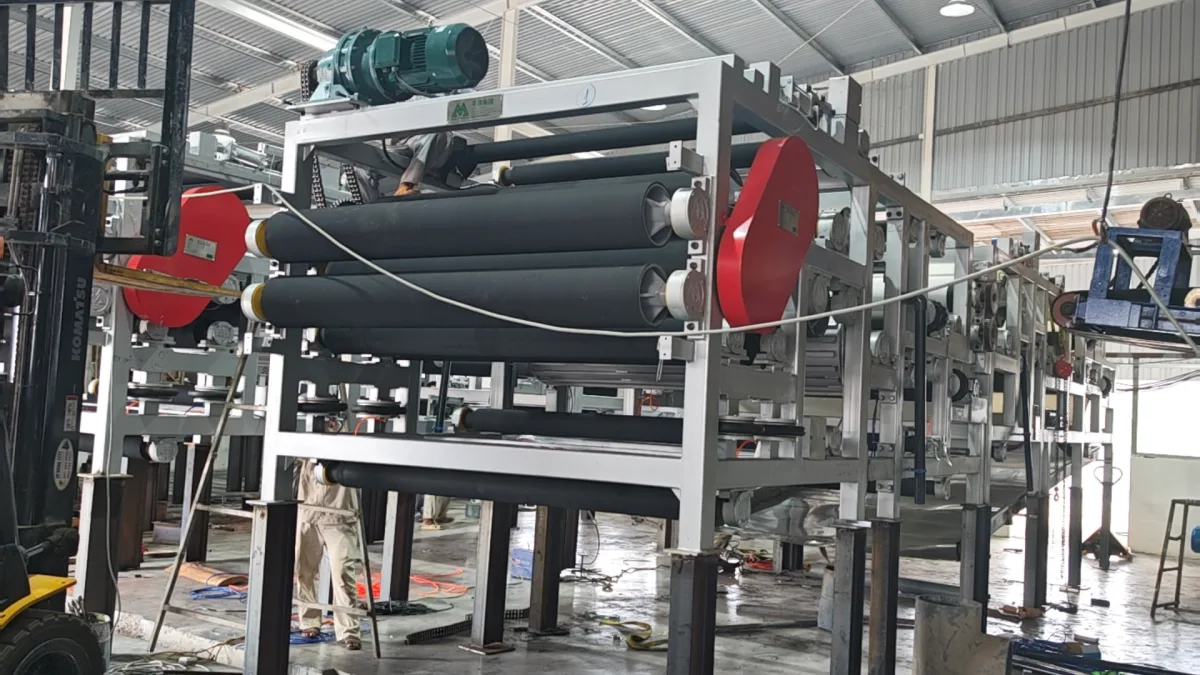
Recently, three large belt filter presses were shipped from Meibang Group to Vietnam for a newly built large-scale cassava starch processing plant. After comparing equipment, technical solutions, processing capacity, operating costs, and reliability from multiple suppliers, the customer ultimately selected Meibang’s large belt filter press.
The project comes at an important time for Southeast Asia’s cassava industry. With cassava production and starch demand continuing to expand, efficient solid-liquid separation, pulp dewatering, and waste management are becoming essential components of modern cassava processing plants.
Global Cassava Starch Production Is Expanding
Cassava is one of the world’s most important tropical root crops. It is cultivated extensively across Southeast Asia, Africa, and South America and serves as both a staple food and an industrial raw material.
Cassava starch is widely used in food processing, modified starch production, animal feed, paper manufacturing, textiles, adhesives, bioethanol, and other industrial applications. Demand is therefore closely connected to both food consumption and industrial development.
Southeast Asia plays a particularly important role in the international cassava starch trade. Thailand and Vietnam are major producers and exporters, while Cambodia, Indonesia, and Laos have also developed significant cassava cultivation and processing industries.
Africa has an even larger cassava production base, particularly Nigeria and several other West and Central African countries. However, compared with Southeast Asia, industrial-scale processing capacity remains relatively underdeveloped in many African markets.
This creates a long-term opportunity for investment in modern cassava processing plants. As factories become larger and more automated, their requirements for continuous, high-capacity dewatering equipment are also increasing.
Cassava Cultivation and Starch Processing Can Generate Strong Industrial Value
The economic attraction of cassava comes partly from its ability to grow under relatively challenging agricultural conditions while providing a high-volume raw material for processing.
For farmers, cassava can provide an important cash crop. For processors, the greatest value is created by converting fresh cassava into higher-value products such as native starch, modified starch, cassava flour, ethanol, and feed ingredients.
However, the profitability of a cassava starch factory depends on much more than starch yield.
Large factories must control raw material costs, energy consumption, labor costs, water consumption, wastewater treatment, transportation, and by-product disposal.
This is where cassava pulp becomes an increasingly important issue.

The Hidden Challenge: Massive Volumes of Cassava Pulp
During starch extraction, a significant amount of fibrous cassava pulp is generated after starch has been separated from the cassava slurry.
Fresh cassava pulp contains a very high proportion of water. Although it contains fiber and residual organic matter that can potentially be reused as animal feed, biomass fuel, fertilizer, or other products, its high moisture content makes transportation, storage, and further utilization difficult.
If cassava pulp leaves the production line with excessive water, factories face several problems.
First, the wet pulp occupies a large volume, increasing transportation and handling costs.
Second, high moisture makes subsequent drying extremely energy-intensive.
Third, untreated wet pulp can rapidly ferment and generate unpleasant odors, especially in hot tropical climates.
Finally, if the pulp and process wastewater are poorly managed, the environmental burden on the factory can increase significantly.
For large cassava starch plants operating continuously during the harvest season, these problems can quickly become a major bottleneck.
Why Efficient Dewatering Comes Before Drying
One of the most important principles in cassava pulp processing is simple: remove as much water as possible mechanically before thermal drying.
Trying to evaporate large quantities of free water directly through thermal drying consumes substantial energy.
Mechanical dewatering provides a more economical first step. By using a high-capacity belt filter press, large quantities of water can be removed continuously from cassava pulp before the material enters a dryer or downstream utilization process.
This creates several benefits.
Less water enters the dryer, reducing thermal energy consumption.
The volume and weight of the cassava pulp are reduced, lowering transportation and storage costs.
The dewatered pulp becomes easier to handle and can be more readily processed into animal feed, fertilizer, biomass fuel, or other value-added products.
For large factories, continuous mechanical dewatering also helps maintain stable production without creating large temporary storage volumes of wet pulp.
Therefore, the combination of high-capacity mechanical dewatering + efficient drying is becoming an increasingly attractive solution for modern cassava processing plants.
Three Large Belt Filter Presses Selected for a New Vietnamese Cassava Starch Plant
The recent Vietnam project provides a practical example of this trend.
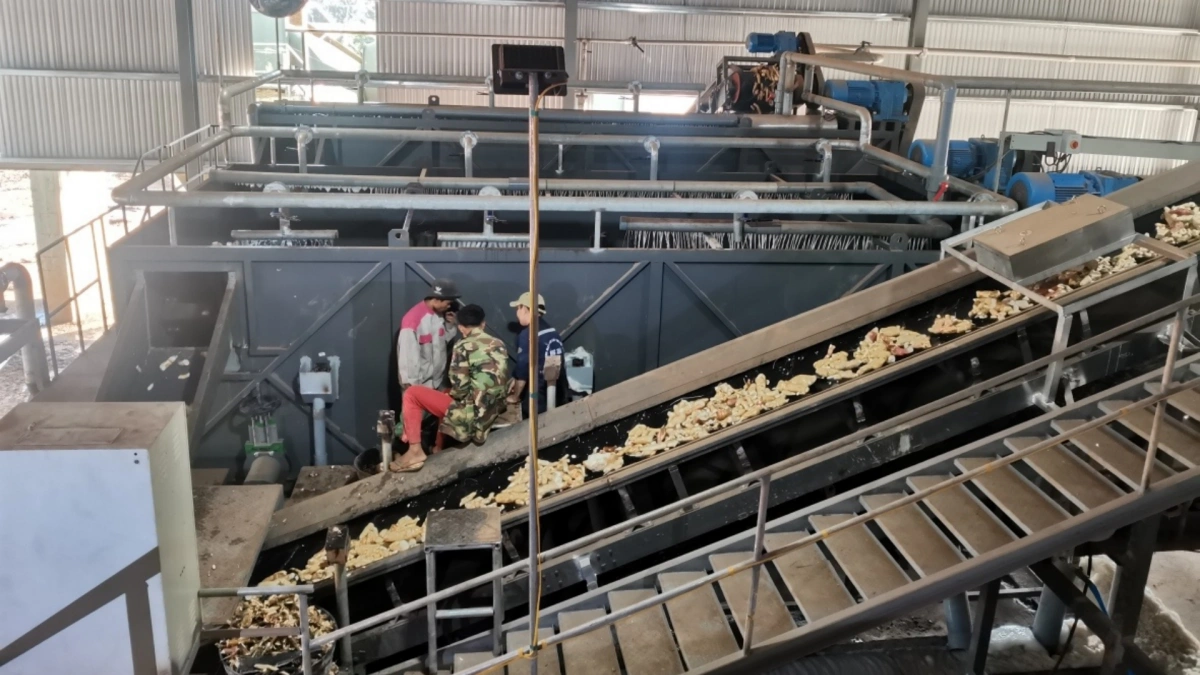
A newly constructed large-scale cassava starch processing plant in Vietnam needed reliable equipment capable of handling substantial quantities of cassava pulp during continuous production.
Rather than choosing equipment based solely on initial purchase price, the customer compared multiple suppliers and evaluated their equipment from several perspectives, including processing capacity, mechanical reliability, operating stability, maintenance requirements, energy consumption, and overall lifecycle cost.
After comparing several competing solutions, the customer selected three large belt filter presses from Meibang Group.
The delivery represents another application of Meibang’s large-scale dewatering technology in the cassava processing industry and demonstrates the growing demand for industrial dewatering systems capable of matching the scale of modern starch factories.
High Processing Capacity for Large-Scale Production
Large cassava factories can generate enormous quantities of wet pulp during peak harvesting periods. A dewatering machine with insufficient capacity can quickly become a production bottleneck.
Meibang’s large belt filter presses are designed for continuous industrial operation and high-volume material handling.
Compared with smaller dewatering machines that require multiple units and extensive manpower, large-capacity belt filter presses can process substantial quantities of material continuously while maintaining stable operation.
This is particularly important during the Southeast Asian cassava harvest season, when factories often operate at or near full capacity.
For investors, the value of high processing capacity is not simply higher throughput. It also means better utilization of the factory’s overall production capacity and less risk that waste handling will limit starch production.
Reliable Operation and Lower Maintenance Costs
For a large industrial plant, equipment reliability is often more important than the initial equipment price.
Unexpected downtime during the cassava harvesting season can result in significant losses because fresh cassava needs to be processed quickly after harvesting.
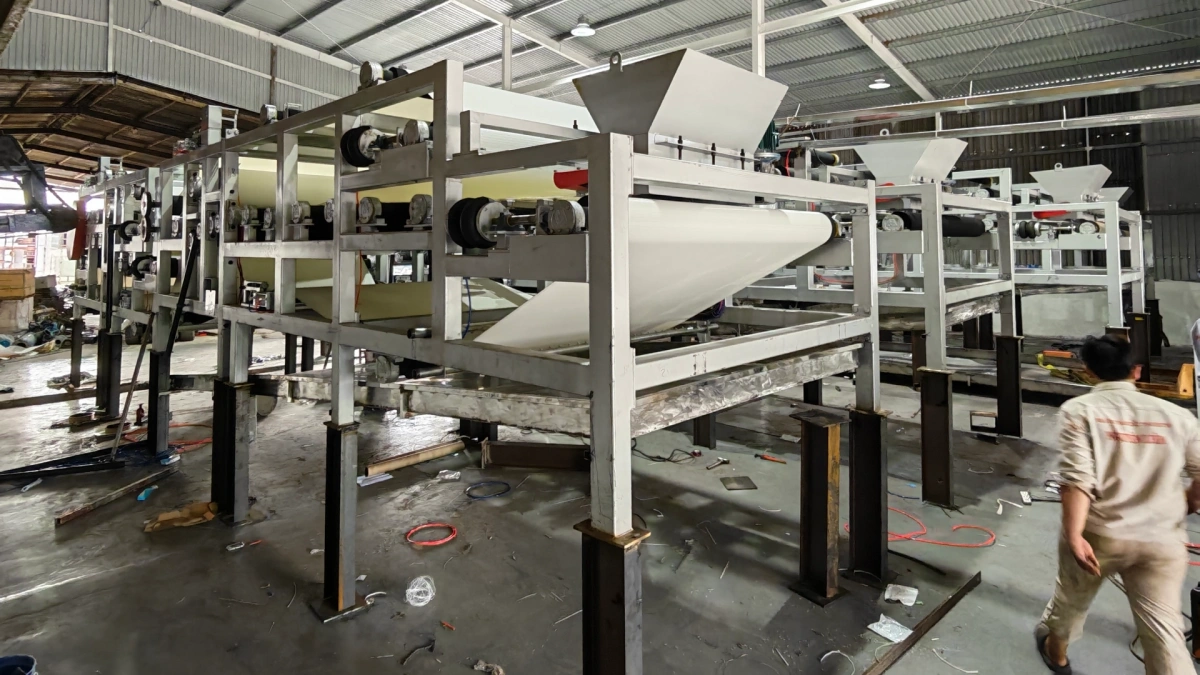
Meibang’s large belt filter presses emphasize robust mechanical construction, continuous operation, and practical maintenance.
The equipment is designed to simplify routine inspection and maintenance while reducing unnecessary downtime. Compared with more complicated dewatering systems, the belt filter press provides a relatively straightforward mechanical structure and continuous feeding and discharge process.
Lower maintenance requirements can translate into lower labor requirements, fewer spare-part interventions, and a lower total cost of ownership over the operating life of the equipment.
Environmental Benefits and Resource Recovery
Modern cassava processing plants are under increasing pressure to reduce their environmental footprint.
Effective pulp dewatering can contribute to environmental management in several ways.
By reducing the water content of cassava pulp, factories can reduce the volume of wet waste requiring handling and transportation. Reduced moisture also improves the conditions for subsequent resource recovery.
Instead of treating cassava pulp purely as waste, factories can consider it a potential secondary resource.
Depending on local conditions and process requirements, dewatered cassava pulp can be further processed for animal feed, organic fertilizer, biomass applications, or other products.
At the same time, reducing the amount of water entering downstream treatment and drying processes can help lower energy and environmental management costs.
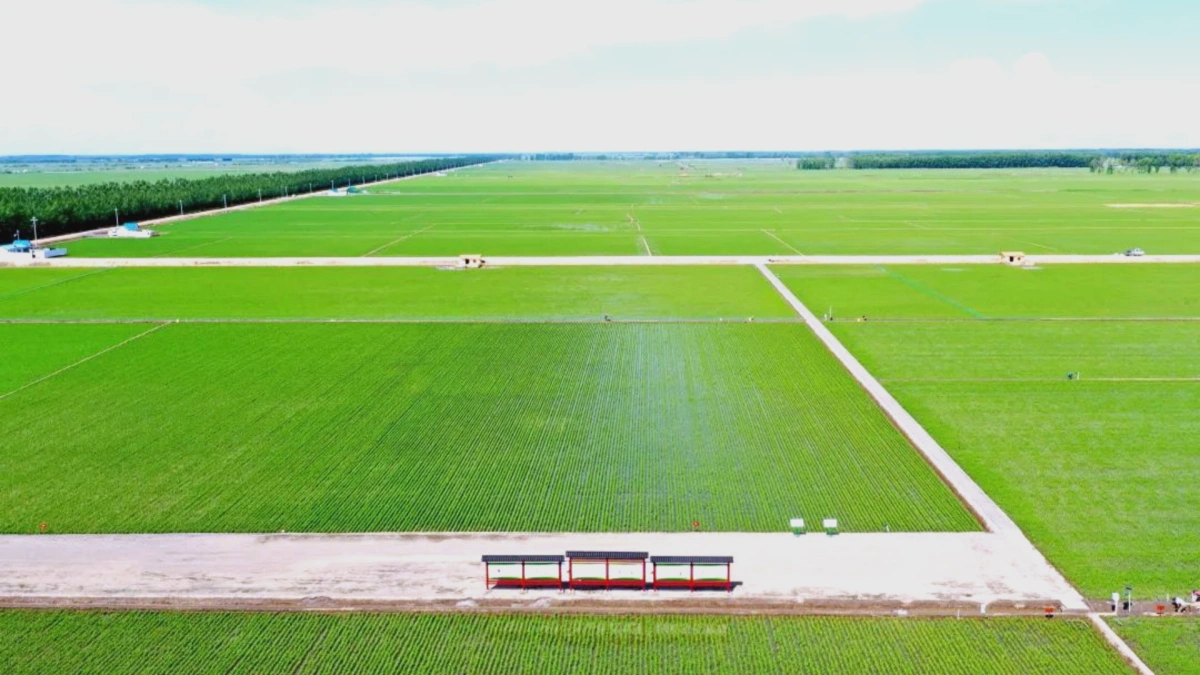
Meibang Is Expanding from Dewatering to Complete Pulp Processing Solutions
Mechanical dewatering is only one part of the cassava pulp utilization process.
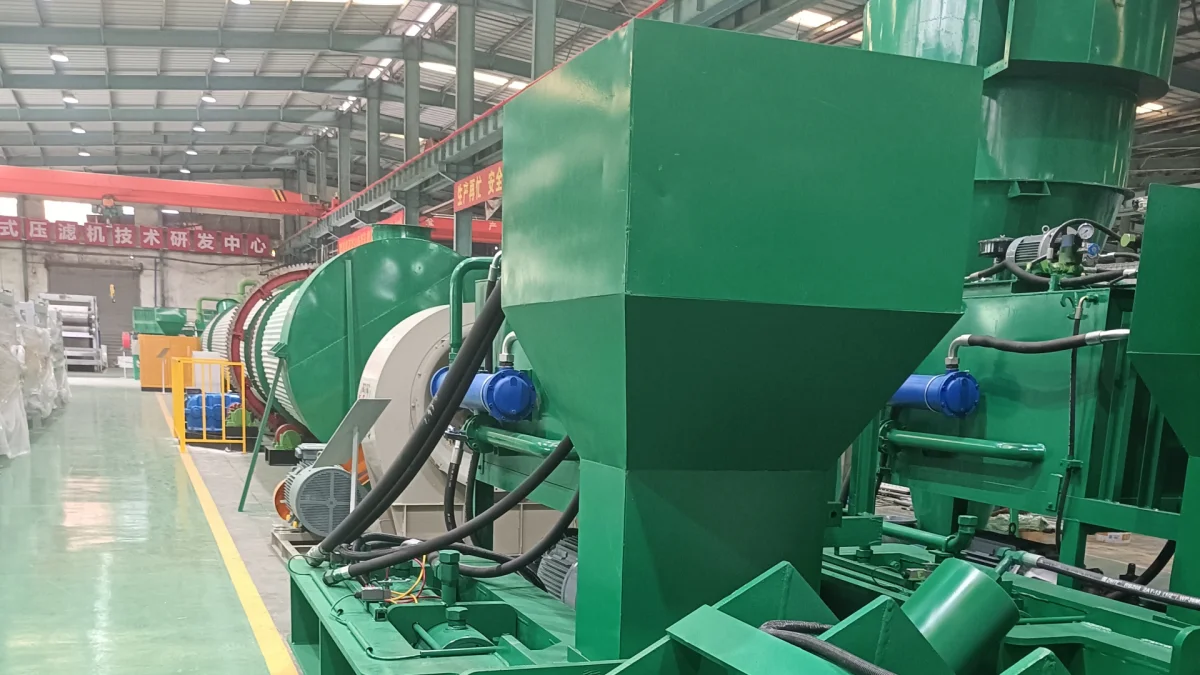
After years of developing large industrial dewatering equipment, Meibang Group has now expanded its manufacturing capabilities to include industrial drying equipment.
This means that Meibang can provide both high-capacity cassava pulp dewatering equipment and industrial drying equipment, helping customers optimize the entire process from wet pulp to a more manageable and potentially higher-value final product.
The combination of mechanical dewatering and thermal drying provides a more economical approach than relying entirely on thermal evaporation.
For large cassava starch factories, this integrated approach can help reduce energy consumption, improve material handling, increase by-product utilization, and create a more stable waste-management system.
Supporting the Next Generation of Cassava Processing Plants
The Vietnamese project reflects a broader transformation taking place across the global cassava industry.
As cassava cultivation expands and starch factories become larger, processing plants can no longer focus exclusively on starch extraction. Efficient management of pulp, wastewater, energy, and by-products is becoming an essential part of factory profitability.
The arrival of the Southeast Asian cassava harvesting season makes this issue even more relevant.
For large-scale cassava starch producers, the right dewatering technology can help turn a high-moisture processing by-product from a costly waste stream into a manageable and potentially valuable resource.
With three large belt filter presses now delivered to a new Vietnamese cassava starch plant, Meibang Group continues to demonstrate its capability in high-capacity industrial dewatering.
With the additional capability to mass-produce industrial drying equipment, Meibang is positioned to provide more comprehensive cassava pulp processing solutions for starch factories in Southeast Asia, Africa, and other major cassava-producing regions.
For modern cassava processors, the objective is no longer simply to produce more starch. It is to process more efficiently, reduce operating costs, minimize environmental pressure, and extract greater value from every tonne of cassava entering the factory.
Interested customers are welcome to contact us for detailed quotations.
whatsapp: +86 13926233800
E-mail:david@meibgroup.com