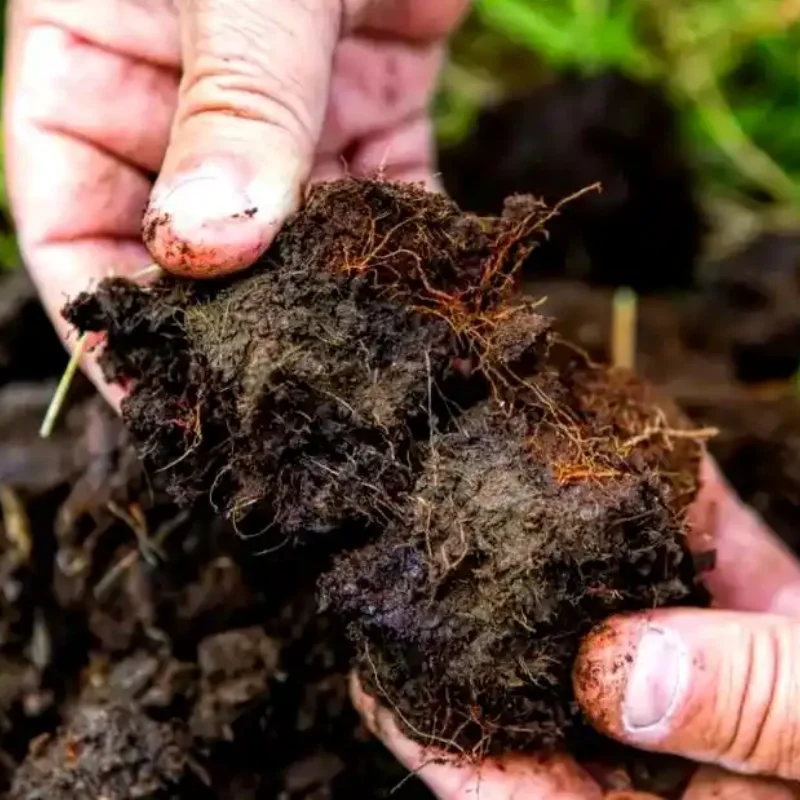
The choice of growing media has become one of the most important decisions for modern horticulture. As greenhouse farming, hydroponic cultivation, and commercial nurseries continue to expand worldwide, growers are looking for substrates that can provide stable plant growth, efficient water management, and consistent quality.
For decades, peat moss has been considered the gold standard growing medium for professional horticulture because of its excellent water-holding capacity, air porosity, and natural acidity. However, increasing environmental concerns, supply limitations, and the demand for renewable alternatives have accelerated the adoption of coco peat (coco coir) as a sustainable growing media solution.
So, between coco peat and peat moss, which growing medium is better for modern horticulture?
The answer depends on crop requirements, climate conditions, production scale, and the quality of the substrate itself. Both materials have unique advantages, and many professional growers are now using customized blends that combine coco peat and peat moss to achieve optimal growing performance.
What Is Coco Peat?
Coco peat, also known as coconut coir pith, is a natural growing medium produced from coconut husks. During coconut fiber processing, the husk is separated into fiber and pith. After proper washing, buffering, screening, and processing, coco peat becomes a valuable substrate for horticultural applications.
Unlike traditional agricultural waste, high-quality coco peat is a processed growing medium designed for professional cultivation.
Premium coco peat typically requires:
- Low electrical conductivity (EC);
- Controlled pH level;
- Stable particle size;
- High water retention;
- Good air porosity;
- Consistent quality between batches.
Because coconut trees are widely cultivated in tropical regions, coco peat has become an important renewable alternative to traditional peat-based substrates.
Major coco peat producing countries include:
- India;
- Sri Lanka;
- Vietnam;
- Indonesia;
- Philippines.
What Is Peat Moss?
Peat moss is a natural organic material formed from partially decomposed moss plants accumulated in wetlands over thousands of years.
The most valuable type for horticulture is sphagnum peat moss, which is widely used in professional growing media production.
High-quality peat moss is valued because it provides:
- Excellent moisture retention;
- Stable structure;
- High air capacity;
- Natural acidity;
- Good root development conditions.
Peat moss has been widely used in:
- Greenhouse vegetable production;
- Nursery propagation;
- Flower cultivation;
- Blueberry production;
- Professional seedling substrates.
Countries with significant peat resources include Canada, Russia, Finland, and other northern regions.
Coco Peat vs Peat Moss: Key Performance Comparison
1. Water Retention
Water management is one of the most important factors in horticulture.
Coco Peat
Coco peat has excellent water retention because of its fibrous structure. It can absorb and hold large amounts of water while maintaining sufficient air space.
This makes coco peat particularly suitable for:
- Hydroponic cultivation;
- Greenhouse vegetables;
- Strawberry cultivation;
- Tropical climate farming.
However, the water retention performance depends greatly on particle size distribution. Excessively fine coco peat may retain too much moisture and reduce oxygen availability around roots.
Peat Moss
Peat moss also has outstanding water-holding capacity. Its structure allows it to absorb moisture while maintaining air-filled porosity.
This is why peat moss has traditionally been preferred for:
- Seed starting;
- Nursery production;
- Young plant propagation.
In cooler climates, peat moss performs especially well because evaporation rates are lower.
Comparison:
Both materials perform well. Coco peat generally provides better drainage, while peat moss often offers more stable moisture control.
2. Air Porosity and Root Development
Healthy roots require not only water but also oxygen.
Coco Peat Advantages
The fibrous structure of coco peat creates excellent air channels, allowing roots to breathe.
This is one reason coco peat has become popular in:
- Soilless cultivation;
- Vertical farming;
- Greenhouse production.
Peat Moss Advantages
High-quality sphagnum peat moss has naturally balanced pore space.
Professional growers value peat moss because it provides a stable environment for delicate seedlings.
For commercial nurseries, the choice often depends on crop type:
- Young seedlings may benefit from peat-based substrates;
- Mature greenhouse crops often perform well with coco peat-based mixes.
3. pH and Nutrient Management
This is an area where many growers make mistakes.
Coco Peat
Fresh coco peat naturally contains potassium, sodium, and salts. Without proper processing, high EC levels can negatively affect sensitive crops.
Therefore, professional coco peat should undergo:
- Washing;
- Buffering;
- Salt removal.
High-quality buffered coco peat usually has:
- EC below controlled levels;
- Stable pH;
- Improved nutrient availability.
Peat Moss
Peat moss naturally has acidic characteristics.
Typical pH:
approximately 3.5–5.5.
Because many crops prefer a slightly acidic growing environment, peat moss is especially suitable for:
- Blueberries;
- Acid-loving plants;
- Certain ornamental crops.
However, peat-based substrates usually require pH adjustment through liming.
4. Sustainability: Coco Peat Has a Major Advantage
Sustainability has become a major consideration in global horticulture.
Coco Peat
Coco peat is produced from coconut husks, which are renewable agricultural resources.
Previously, coconut husks were often:
- Burned;
- Discarded;
- Left to decompose.
Today, coconut waste can be transformed into valuable growing media.
This supports:
- Circular agriculture;
- Agricultural waste utilization;
- Renewable resource development.
Peat Moss
Although peat moss is a highly effective growing medium, peatlands are important ecosystems that store carbon and support biodiversity.
As environmental regulations become stricter, many growers and governments are seeking alternatives or reducing peat dependence.
This trend has accelerated demand for:
- Coco peat;
- Wood fiber;
- Compost-based substrates;
- Other peat-free growing media.
5. Application Differences: Which Crop Needs Which Medium?
There is no universal winner between coco peat and peat moss.
Different crops have different requirements.
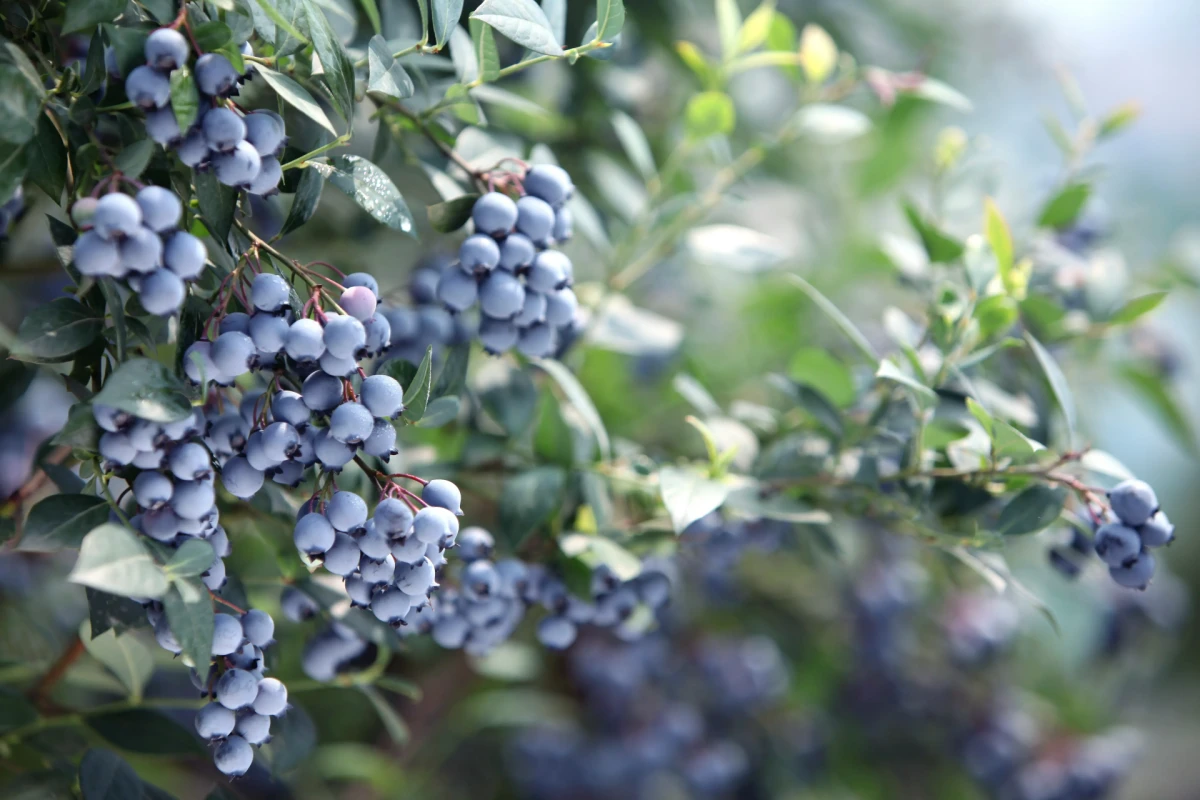
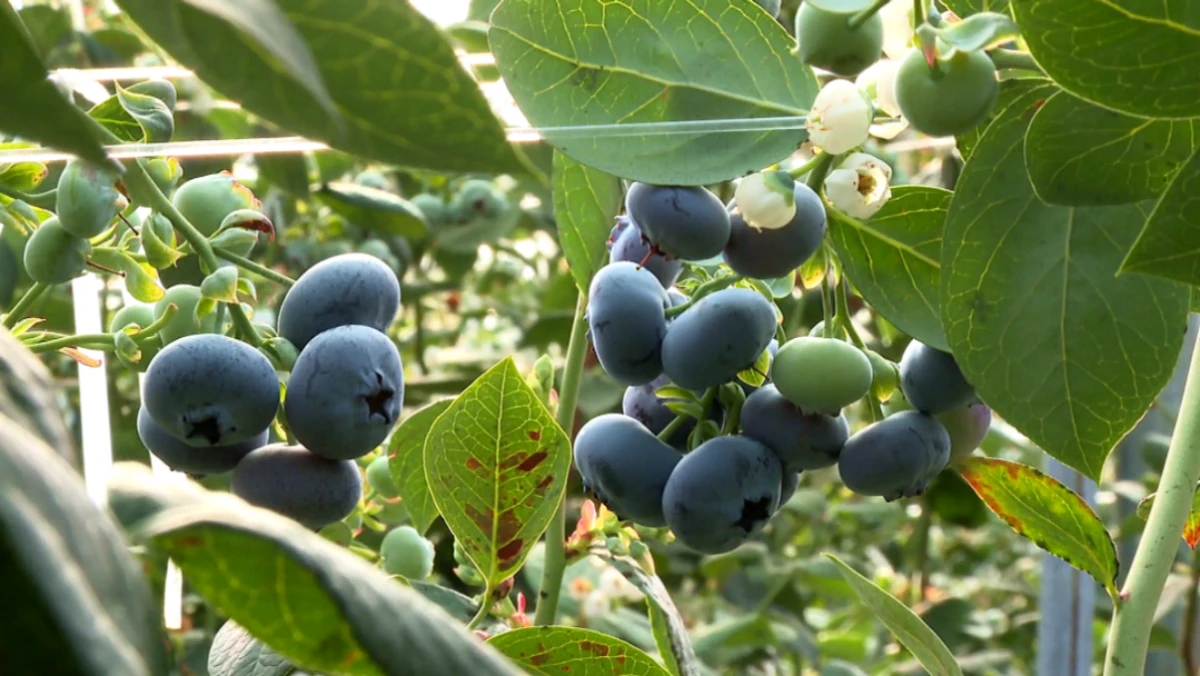
Blueberry Cultivation
Blueberries prefer acidic growing conditions.
Common substrate combinations include:
- Peat moss;
- Coco peat;
- Pine bark;
- Other acidic organic materials.
A peat-based mixture is still widely used, but coco peat can improve drainage and renewable content.
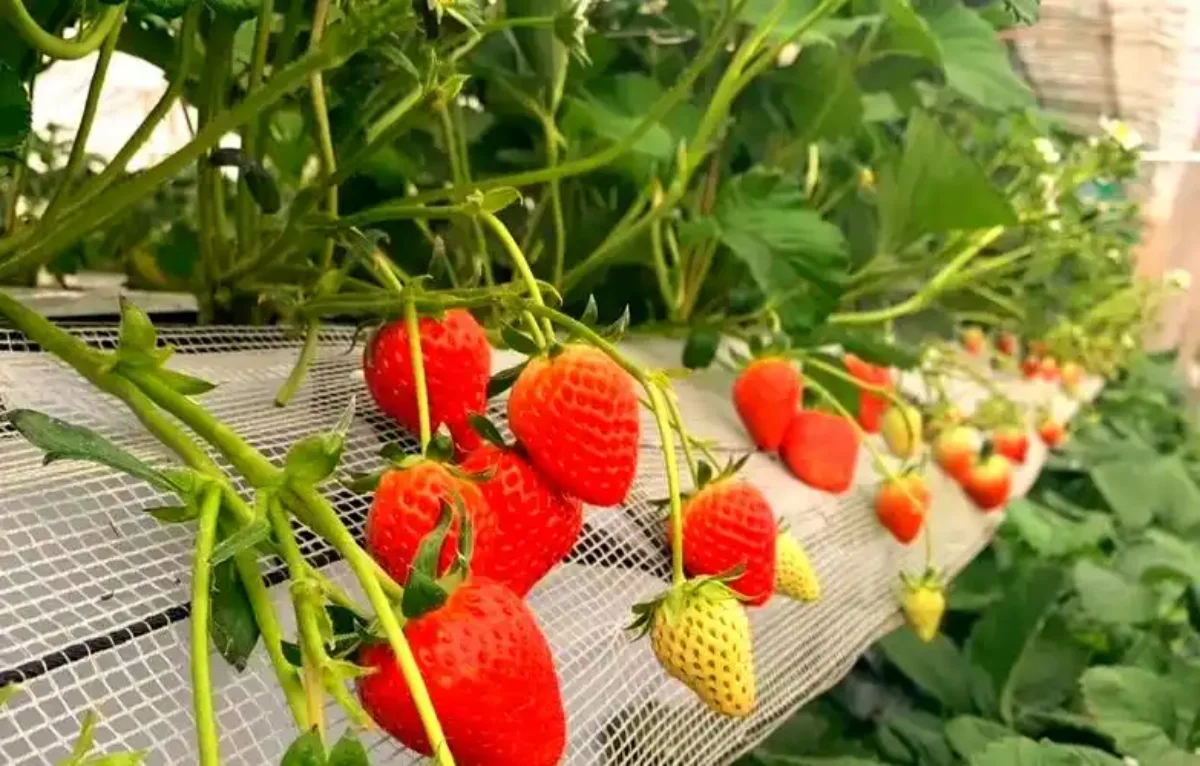
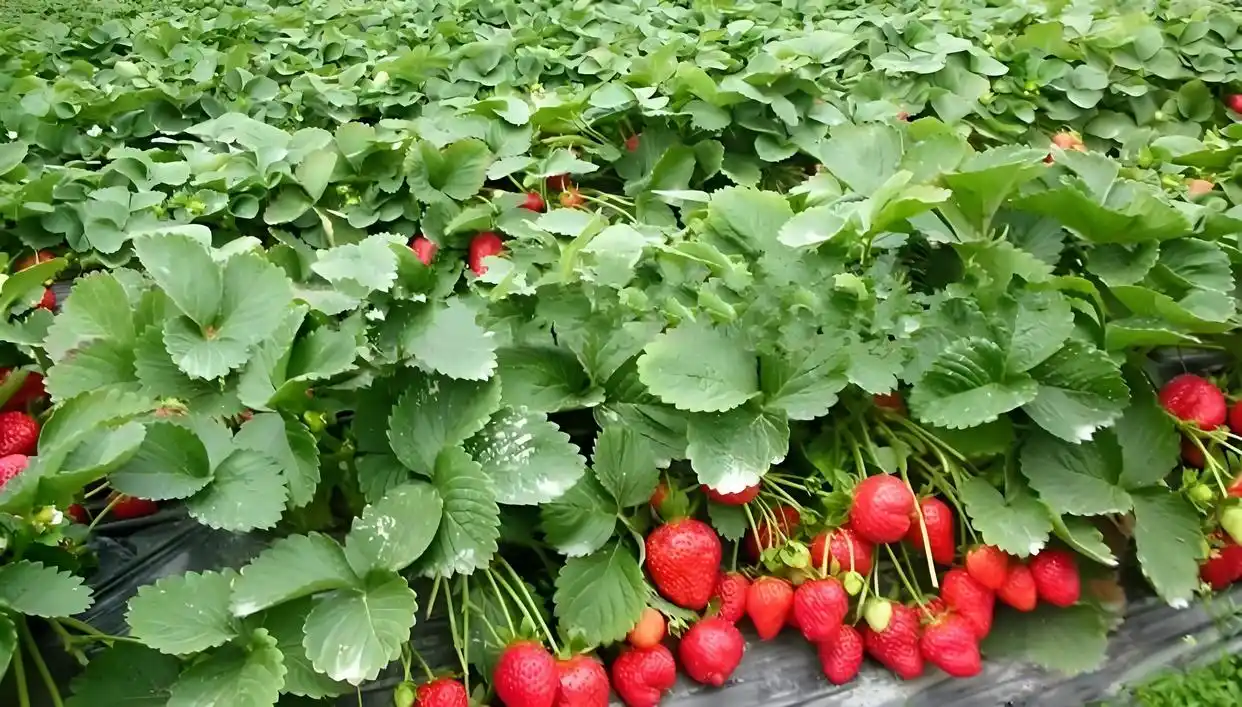
Strawberry Cultivation
Strawberries require:
- Good drainage;
- Stable moisture;
- Strong root oxygen supply.
Coco peat is widely used in commercial strawberry production, especially in greenhouse systems.
Vegetable Greenhouses
For tomatoes, cucumbers, and peppers:
Coco peat has become increasingly popular because of:
- Good root environment;
- Renewable supply;
- Hydroponic compatibility.
Why Many Professional Growers Choose Coco Peat and Peat Moss Blends
Instead of choosing only one material, many modern growing media manufacturers create customized blends.
A typical professional substrate may combine:
- Coco peat for drainage and sustainability;
- Peat moss for moisture retention and structure;
- Perlite for air porosity;
- Nutrients for crop requirements.
This approach provides more balanced performance.
The future of horticulture is likely not simply replacing peat moss with coco peat. Instead, it will focus on developing scientifically designed growing media based on crop needs.
How to Choose the Right Growing Media Supplier?
For commercial growers, the supplier is often more important than the raw material itself.
When purchasing coco peat or peat moss, buyers should evaluate:
1. Quality Testing
Important indicators include:
- EC value;
- pH value;
- Moisture content;
- Expansion ratio;
- Particle size distribution.
2. Processing Capability
A reliable supplier should have:
- Washing systems;
- Screening equipment;
- Quality control procedures;
- Stable production capacity.
3. Consistent Supply
Large greenhouse projects require consistent substrate quality throughout the growing cycle.
Batch variation can directly affect:
- Root development;
- Fertilizer management;
- Crop yield.
Conclusion: Coco Peat or Peat Moss?
So, which growing medium is better for modern horticulture?
The answer is not simply one or the other.
Peat moss remains an excellent professional growing medium because of its stable physical properties and long history in horticulture.
Coco peat is becoming increasingly important because it is renewable, versatile, and well suited for modern greenhouse cultivation.
For many commercial growers, the future solution is a balanced approach:
Combining coco peat, peat moss, and other materials to create customized growing media for specific crops.
As global horticulture moves toward sustainable production, high-quality coco peat and responsibly sourced peat moss will continue to play important roles in the next generation of professional growing media.