
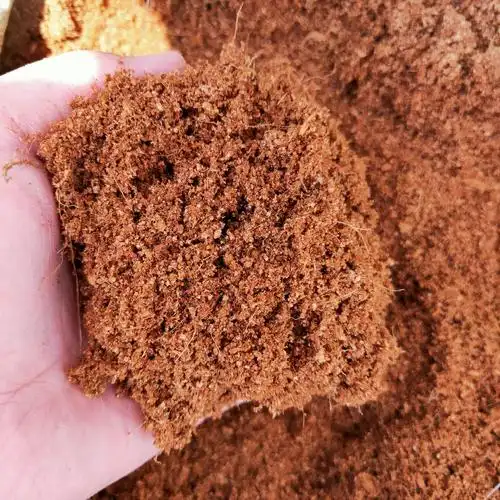
As global demand for sustainable growing media continues to rise, coco peat has become one of the most widely traded horticultural substrates in the world. Exporters supplying coco peat to Europe, North America, the Middle East, and Asia must meet increasingly strict quality requirements to remain competitive in international markets.
Understanding coco peat export standards is essential for producers, traders, and investors seeking to establish a reliable supply chain. Product consistency, low salinity, controlled moisture content, and proper packaging are all critical factors that influence export success.
This article explores the key quality standards for exported coco peat and explains how modern processing technologies help manufacturers meet international requirements.
Why Coco Peat Export Standards Matter
Importers purchase coco peat primarily for horticultural applications, including greenhouse cultivation, hydroponics, nurseries, and commercial farming. Since crops are highly sensitive to growing media quality, buyers expect consistent product specifications from every shipment.
Failure to meet export standards can result in:
- Product rejection at destination ports
- Customer complaints and compensation claims
- Reduced market reputation
- Lower selling prices
- Loss of long-term business opportunities
As a result, leading manufacturers invest heavily in quality control throughout the entire coco peat production process.
Key Quality Parameters for Export Coco Peat
1. Electrical Conductivity (EC)
One of the most important indicators of coco peat quality is electrical conductivity (EC), which reflects the salt content present in the material.
Excessive salt levels can negatively affect seed germination and plant growth. Most international buyers require washed and treated coco peat with controlled EC values.
Depending on the target market, typical requirements range from:
- Low EC Coco Peat: below 0.5 mS/cm
- Medium EC Coco Peat: 0.5–1.0 mS/cm
- Standard Horticultural Grade: below 1.5 mS/cm
Achieving these specifications requires an effective coco peat desalination and dewatering process.
2. Moisture Content
Moisture content directly impacts transportation costs and storage stability.
Excessively wet coco peat:
- Increases shipping weight
- Raises freight expenses
- Encourages microbial growth
- Reduces storage life
Most exporters aim to reduce moisture before compression and packaging. This is why modern coco peat dewatering machines have become increasingly important in large-scale production facilities.
3. pH Value
Export-grade coco peat generally requires a pH range between 5.5 and 6.8, making it suitable for most horticultural crops.
Producers often perform buffering and washing treatments to achieve stable pH levels.
4. Fiber and Dust Ratio
Different markets require different product compositions.
Examples include:
- Fine coco peat for seedling trays
- Medium-grade coco peat for greenhouse cultivation
- Coco chips for orchids and hydroponics
- Customized blends containing specific fiber percentages
Consistent screening and grading are essential to meet buyer specifications.
5. Contaminant Control
High-quality export coco peat should be free from:
- Plastic particles
- Stones
- Metal fragments
- Excessive sand
- Organic contaminants
Strict quality inspection procedures help ensure compliance with international standards.
The Importance of Coco Peat Desalination and Dewatering
Raw coco peat often contains naturally occurring salts, particularly when sourced from coastal regions.
Before export, manufacturers typically implement a complete coco peat desalination and dewatering process that includes:
- Raw material collection
- Washing and desalination
- Dewatering
- Drying or moisture adjustment
- Screening and grading
- Compression and packaging
Among these stages, desalination and dewatering are particularly important because they directly influence product quality and shipping efficiency.
An effective washing system removes excess salts, while a mechanical dewatering system reduces moisture without consuming excessive energy.
This combination helps producers meet export standards while lowering production costs.
How Modern Coco Peat Production Lines Improve Product Quality
As demand increases, manual processing methods are becoming less practical for commercial-scale operations.
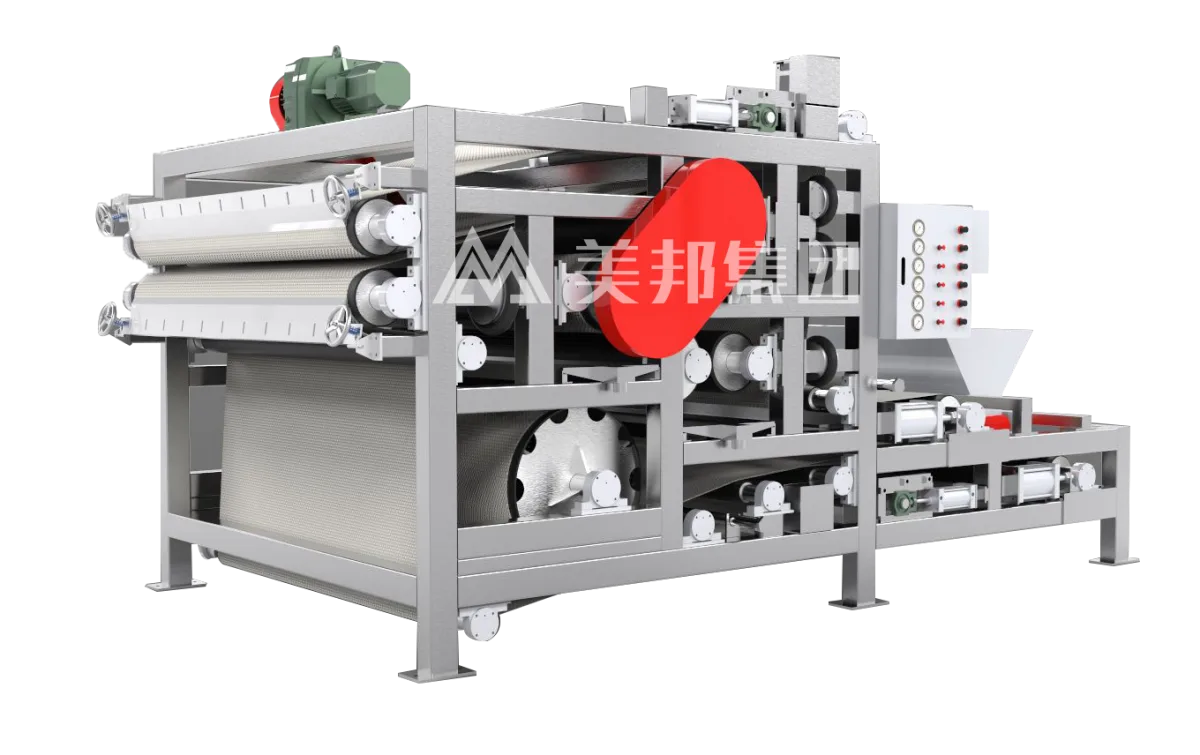
Many manufacturers now invest in automated coco peat production lines to improve efficiency and consistency.
A modern production line typically includes:
- Feeding systems
- Washing tanks
- Desalination equipment
- Dewatering machines
- Screening systems
- Conveyor systems
- Baling and packaging equipment
Automation provides several advantages:
- Higher production capacity
- Stable product quality
- Reduced labor requirements
- Lower operating costs
- Improved export compliance
For large factories, a fully integrated coco peat production line can process hundreds of cubic meters of material daily while maintaining consistent product specifications.
Why Mechanical Dewatering Is Replacing Traditional Methods
Traditionally, many coco peat producers relied on natural drying methods.
While inexpensive, sun drying presents several challenges:
- Weather dependency
- Large land requirements
- Long processing times
- Inconsistent moisture content
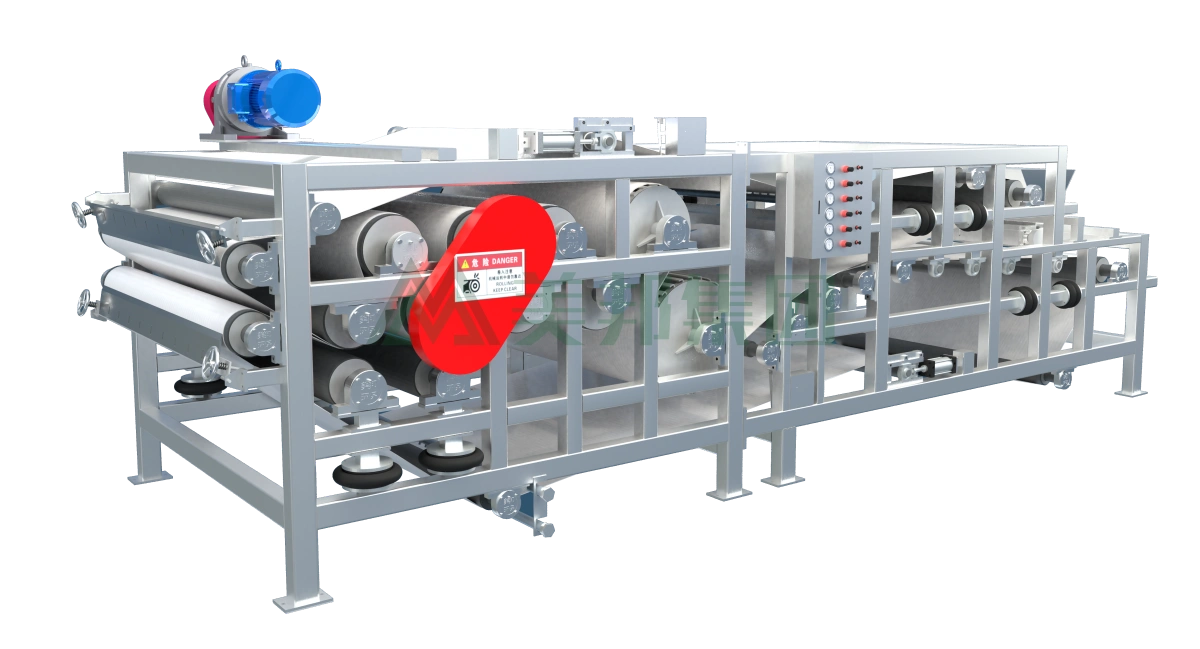
As export standards become stricter, manufacturers increasingly adopt mechanical coco peat dewatering machines.
Modern dewatering systems offer:
- Faster moisture reduction
- Lower labor costs
- Stable product quality
- Reduced drying time
- Higher production efficiency
Mechanical dewatering is particularly valuable for producers operating in regions with frequent rainfall or limited drying space.
Packaging Requirements for Export Markets
Proper packaging plays an important role in meeting international customer expectations.
Common export formats include:
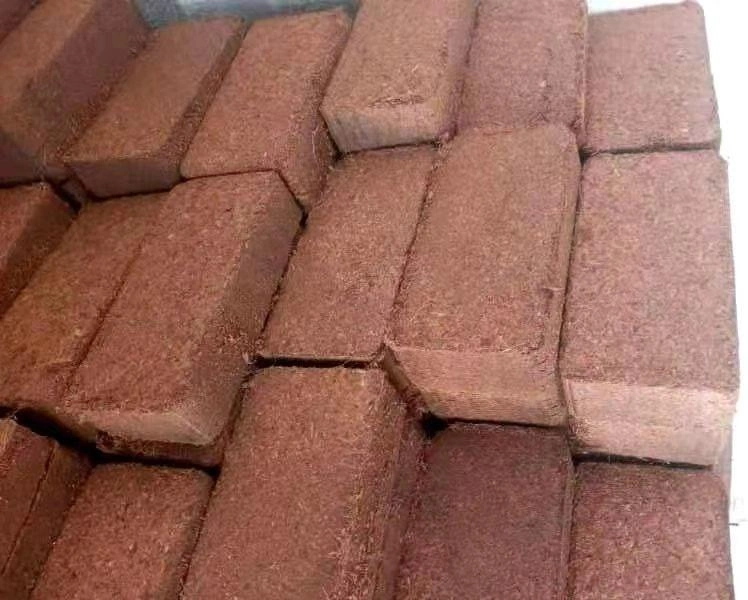
Coco Peat Blocks
Compressed blocks are widely used due to their low transportation cost and efficient storage.
Typical sizes include:
- 5 kg blocks
- 650 g bricks
- Custom compressed formats
Grow Bags
Grow bags are increasingly popular in greenhouse agriculture and hydroponic cultivation.
Loose-Fill Coco Peat
Some commercial growers prefer loose coco peat packed in large polypropylene bags or bulk containers.
Packaging must protect product quality during long-distance transportation and comply with import regulations in destination countries.
Major Export Markets and Their Expectations
Europe
European buyers generally emphasize:
- Low EC values
- Consistent quality
- Sustainable sourcing
- Traceability
North America
Customers often focus on:
- Product uniformity
- Reliable supply
- Competitive logistics
Middle East
Greenhouse growers frequently require:
- Low-salt coco peat
- High water retention
- Consistent particle size
Asia-Pacific
Rapid agricultural development continues to increase demand for premium coco peat products.
Future Trends in Coco Peat Exports
The global horticulture industry continues to move toward environmentally friendly growing media.
As peat moss extraction faces increasing environmental scrutiny, coco peat is becoming an attractive alternative.
Future export opportunities are expected to grow in:
- Greenhouse agriculture
- Hydroponic farming
- Urban farming
- Commercial nurseries
- Sustainable agriculture projects
To capitalize on these opportunities, manufacturers must focus on quality improvement, automation, and compliance with international standards.
Conclusion
Meeting coco peat export standards requires far more than simply producing coco peat. Successful exporters must control salinity, moisture content, particle size, pH levels, and packaging quality throughout the manufacturing process.
Modern coco peat desalination and dewatering systems play a critical role in achieving these objectives. Combined with advanced coco peat production lines and efficient coco peat dewatering machines, manufacturers can improve product consistency, reduce production costs, and meet the increasingly demanding expectations of global buyers.
As international demand continues to grow, producers that invest in quality-focused processing technologies will be best positioned to succeed in the competitive global coco peat market.