
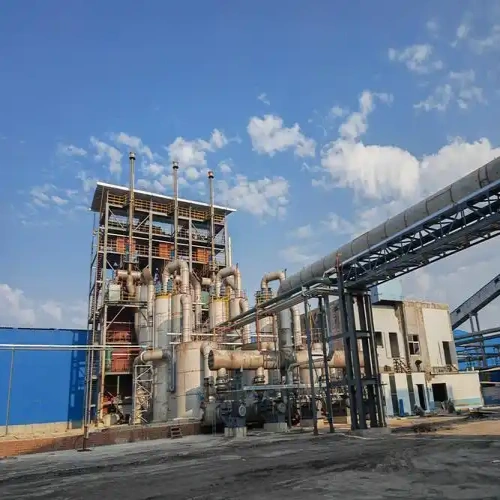
As global demand for renewable energy continues to grow, cellulosic ethanol production has become an increasingly important sector in the biomass energy industry. Compared with traditional starch-based ethanol, corn cob cellulosic ethanol utilizes agricultural waste resources and significantly improves biomass utilization efficiency.
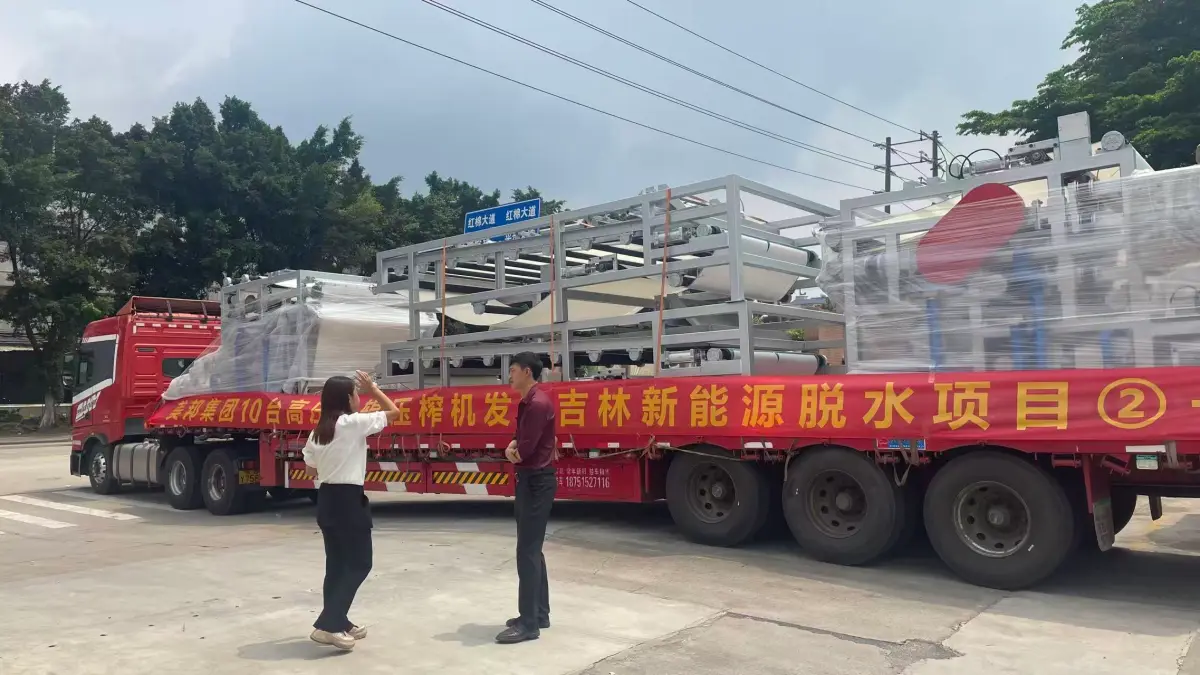
In this project, our company supplied 10 sets of customized multi-roller belt filter presses for a large-scale corn cob cellulosic ethanol plant. The equipment is used for continuous solid-liquid separation and biomass slurry dewatering during the ethanol extraction process.
The project demonstrates the important role of mechanical dewatering systems in reducing energy consumption and improving operational efficiency in lignocellulosic biomass processing plants.
Project Background
Corn cobs are one of the most abundant agricultural residues in many countries. Due to their high cellulose and hemicellulose content, corn cobs are widely used as raw materials for second-generation bioethanol production.
However, the production process generates a large amount of high-moisture biomass slurry after pretreatment, enzymatic hydrolysis, and fermentation stages. Efficient solid-liquid separation becomes a critical step before further evaporation, drying, or thermal recovery processes.
Traditional dewatering equipment often faces several challenges when handling corn cob biomass slurry, including:
- High fiber content
- Strong material viscosity
- Difficult filtration characteristics
- High operating temperatures
- Acidic process environments
- Continuous large-capacity operation requirements
To address these challenges, the customer selected our customized heavy-duty belt filter press solution.
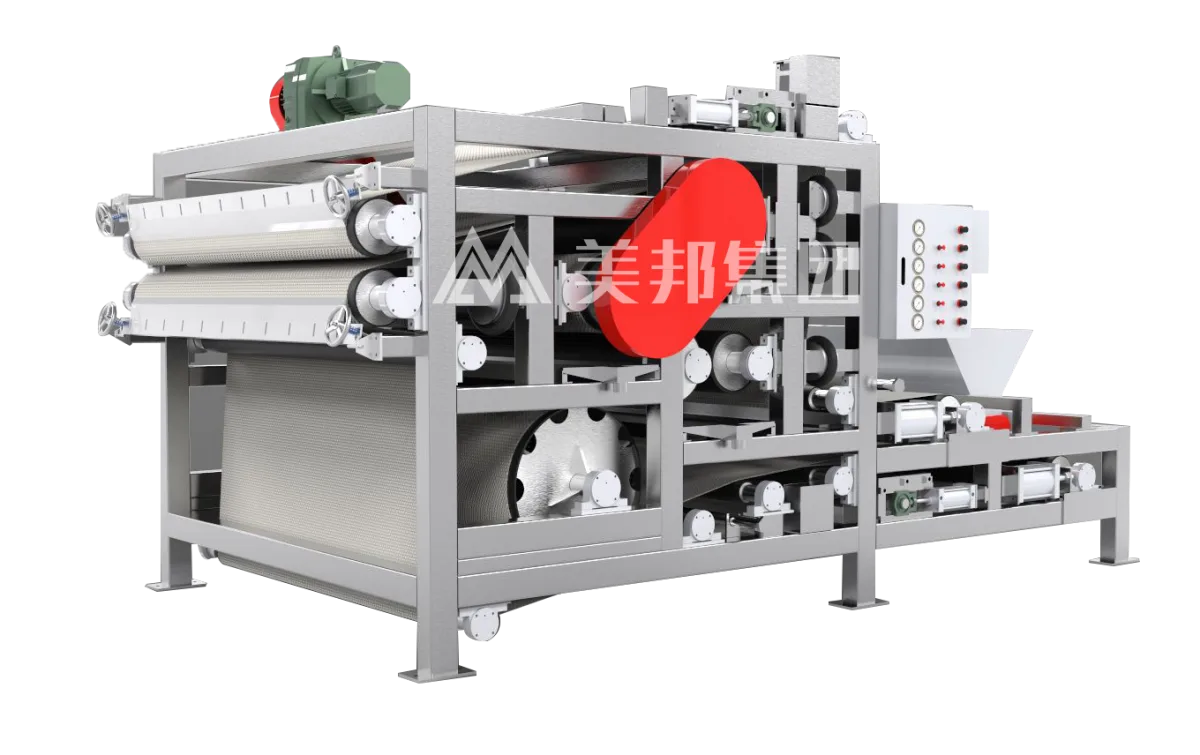
Customized Multi-Roller Belt Filter Press Solution
For this project, we designed and manufactured 10-meter-long multi-roller belt filter presses specifically for cellulosic ethanol slurry dewatering applications.
Main Equipment Specifications
- Equipment Type: Customized Multi-Roller Belt Filter Press
- Application: Corn Cob Cellulosic Ethanol Solid-Liquid Separation
- Belt Width: 2000 mm
- Structure: Split-Type Modular Design
- Processing Capacity: 6 Tons of Biomass Slurry Per Hour
- Material Characteristics: High-Fiber Biomass Slurry
- Operating Features: Continuous Industrial Operation
Compared with conventional sludge dewatering equipment, this system was optimized for lignocellulosic biomass applications.
Advantages of the Split-Type Design
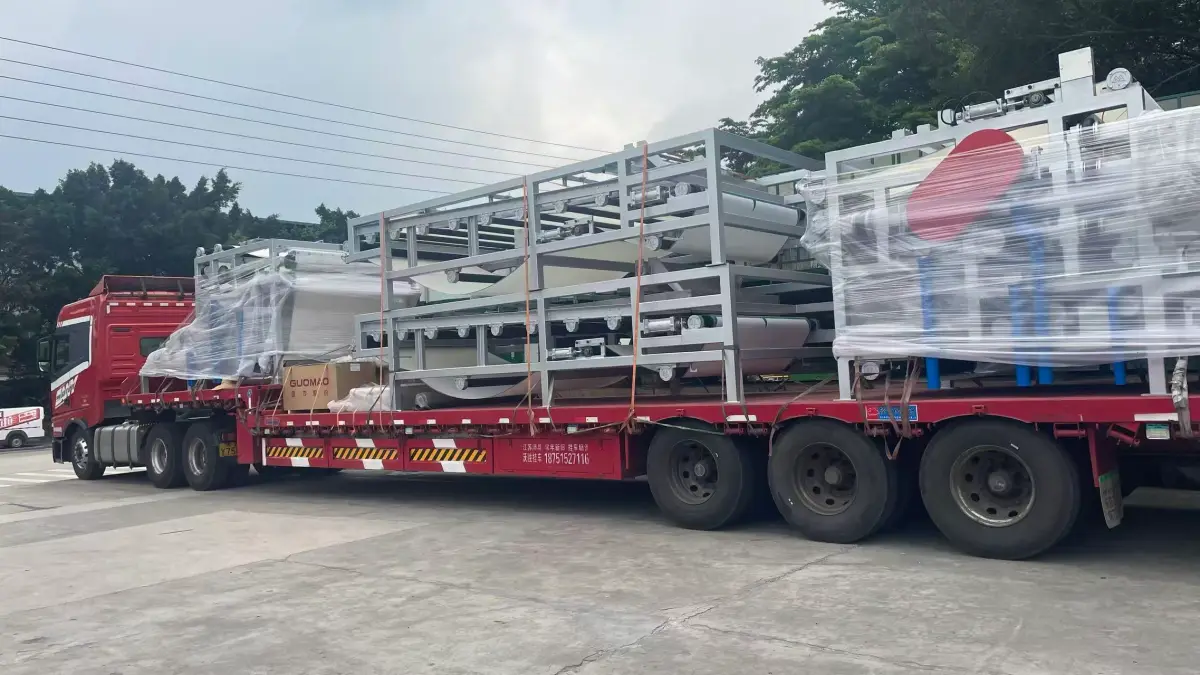
The customer required easy transportation, flexible installation, and convenient future maintenance. Therefore, a split-type structure was adopted for the entire dewatering system.
This modular configuration offers several advantages:
Easier Transportation and Installation
Due to the 10-meter equipment length, integrated transportation would significantly increase shipping difficulty and installation costs. The split-type design allows easier transportation and on-site assembly.
Improved Maintenance Efficiency
Key components can be independently serviced or replaced, reducing maintenance downtime and improving operational reliability.
Better Adaptability for Industrial Plants
Many biomass ethanol plants have limited indoor installation space. The modular design allows flexible layout adjustments according to plant conditions.
Multi-Roller Pressing Technology
Corn cob biomass slurry contains long fibers and fine suspended solids, which can create filtration challenges for ordinary dewatering systems.
To improve dewatering efficiency, the equipment utilizes a multi-roller pressing structure with progressive pressure increase.
The biomass slurry first enters the gravity drainage zone, where free water is removed. It then passes through multiple pressing rollers that gradually increase pressure on the filter belt.
This design provides several important benefits:
- Improved water removal efficiency
- Stable continuous operation
- Reduced material leakage
- Better handling of fibrous biomass
- Lower filter belt deviation risk
The multi-stage pressing process also helps reduce final moisture content before thermal drying or combustion recovery.
High-Temperature and Acid-Resistant Filter Belts
Cellulosic ethanol production often involves acidic pretreatment processes and elevated operating temperatures. Standard filter belts may suffer from rapid aging, deformation, or corrosion under such conditions.
To ensure long-term stable operation, this project adopted high-quality industrial filter belts with:
- Excellent high-temperature resistance
- Strong acid resistance
- High tensile strength
- Long service life
- Stable filtration performance
The high-performance filter belt system significantly improves equipment durability in harsh biomass processing environments.
Importance of Mechanical Dewatering in Cellulosic Ethanol Plants
Mechanical dewatering plays an increasingly important role in modern bioethanol production systems.
In biomass ethanol projects, excessive moisture directly increases:
- Steam consumption
- Evaporation energy demand
- Drying costs
- Transportation costs
- Overall operating expenses
By using efficient belt filter press systems for biomass slurry dewatering, ethanol plants can substantially reduce downstream thermal processing energy requirements.
This is especially important for large-scale continuous production facilities where energy efficiency directly impacts overall project profitability.
Stable Continuous Operation for Industrial Production
The customer required 24-hour continuous operation capability for large-scale ethanol production.
Our customized belt filter press system was designed with:
- Heavy-duty frame structure
- Stable roller arrangement
- Automatic belt correction system
- Continuous washing system
- Industrial-grade drive components
The system maintains stable operation even under high-fiber biomass conditions.
Reliable continuous dewatering performance is critical for maintaining stable ethanol plant production efficiency.
Application Prospects in Biomass Energy Industry
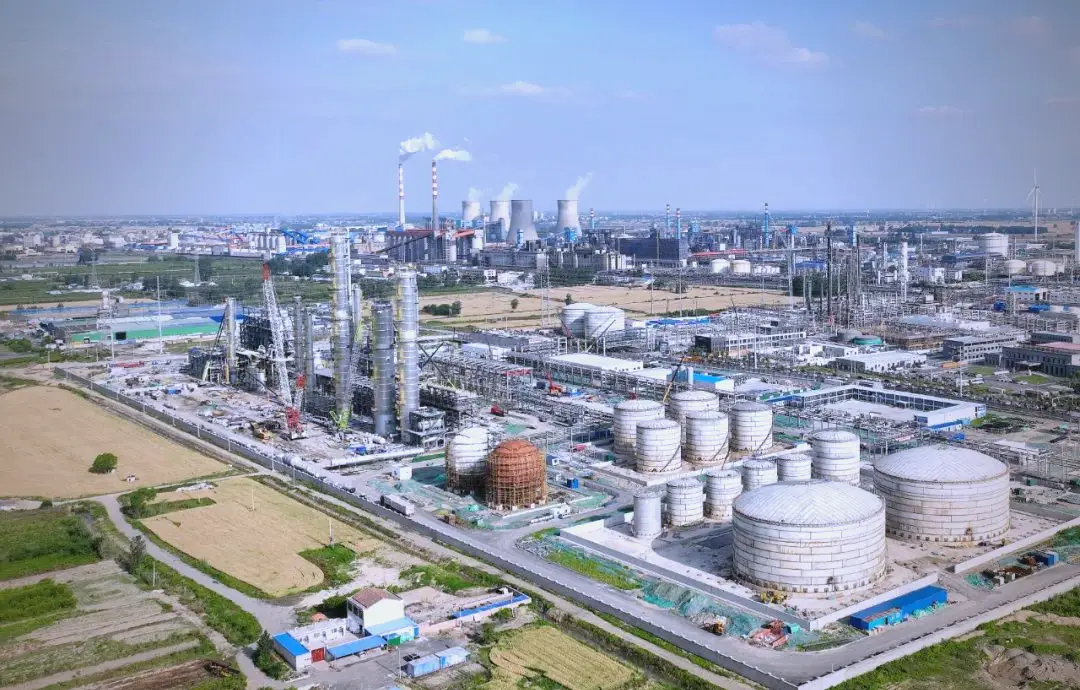
As global renewable energy policies continue to expand, demand for lignocellulosic biomass processing equipment is expected to increase rapidly.
In addition to corn cob ethanol production, similar dewatering technologies can also be widely applied in:
- Sugarcane bagasse processing
- Cassava residue dewatering
- Brewer’s grain separation
- Agricultural biomass treatment
- Biofuel residue dewatering
- Biomass power generation plants
Efficient solid-liquid separation systems are becoming increasingly important for reducing energy consumption and improving sustainability in biomass industries.
Conclusion
This corn cob cellulosic ethanol solid-liquid separation project demonstrates the effectiveness of customized multi-roller belt filter press systems in handling high-fiber biomass slurry.
With its 10-meter heavy-duty structure, 2-meter filter belt width, split-type modular design, and high-performance acid-resistant filter belts, the system successfully meets the demanding operational requirements of modern cellulosic ethanol plants.
As the biomass energy industry continues to develop, efficient mechanical dewatering technologies will play an increasingly important role in improving production efficiency, reducing operating costs, and supporting sustainable bioenergy development worldwide.