
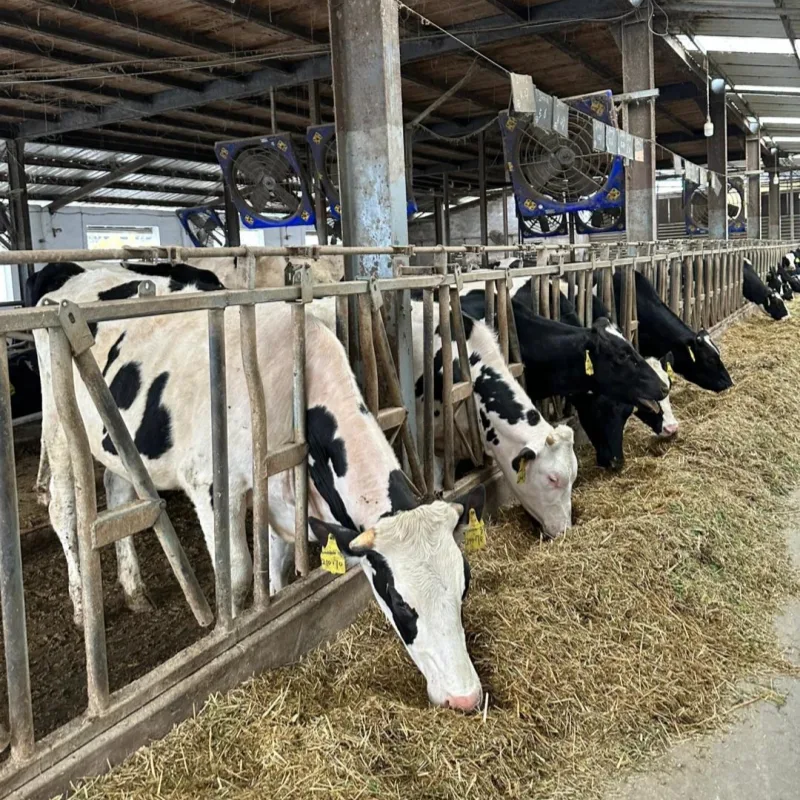

As modern dairy farming continues to expand worldwide, cow manure management has become a major operational challenge for large dairy farms. High-moisture manure not only increases transportation and storage costs, but also creates difficulties in composting, drying, and environmental management.
For large-scale dairy operations, efficient mechanical dewatering systems are becoming increasingly important. Among the available technologies, dual-motor large belt filter presses are emerging as an ideal solution for continuous cow manure dewatering due to their high processing capacity, low energy consumption, advanced automation, and competitive equipment cost.
The Growing Challenge of Cow Manure Management
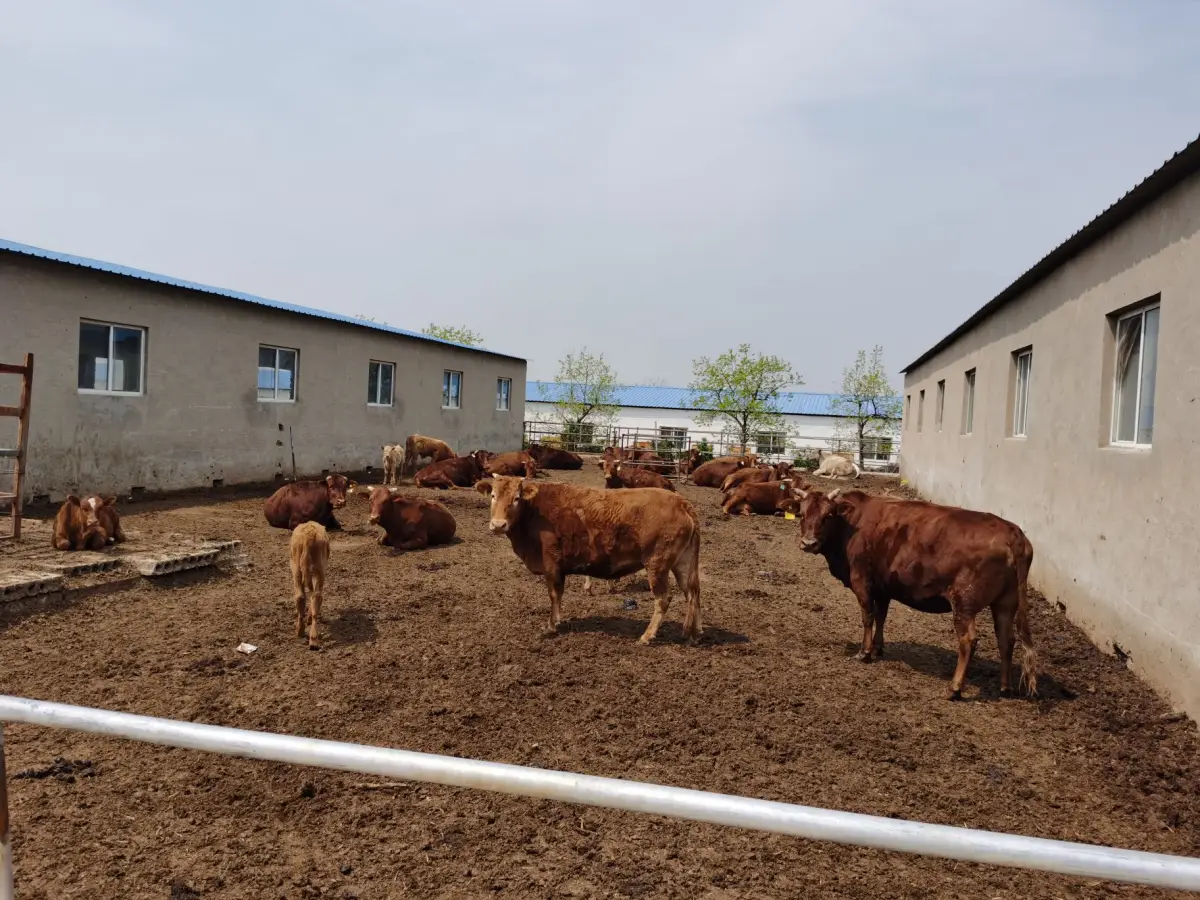
Large dairy farms generate enormous amounts of manure every day. A modern dairy farm with thousands of cows can produce hundreds of tons of wet manure daily.
In many cases, fresh cow manure contains moisture levels above 80%, making handling and disposal extremely difficult.
High-moisture manure creates several common problems:
- Expensive transportation costs
- Large storage requirements
- Difficult composting process
- Increased odor emissions
- High drying energy consumption
- Environmental compliance pressure
As environmental regulations become stricter and labor costs continue rising, dairy farms are increasingly investing in automated manure dewatering systems.
Why Mechanical Dewatering Is Important
Mechanical dewatering is one of the most effective ways to reduce manure volume before composting, drying, or fertilizer production.
Compared with thermal drying, mechanical dewatering consumes far less energy.
This is because removing water mechanically is significantly more economical than evaporating water through heat.
A well-designed cow manure dewatering system can provide several benefits:
- Reduced manure volume
- Lower transportation costs
- Faster composting
- Lower drying energy consumption
- Improved fertilizer production efficiency
- Reduced environmental impact
For large dairy farms, continuous dewatering systems are especially important because manure is generated continuously every day.
Why Large Belt Filter Presses Are Suitable for Cow Manure Dewatering
Cow manure is a high-fiber organic material. Unlike municipal sludge, it contains grass fibers, feed residue, and long organic particles.
Because of these characteristics, many conventional sludge dewatering machines are not suitable for stable long-term operation.
Large belt filter presses are particularly effective for handling fibrous organic materials such as cow manure.
Compared with smaller screw presses or basic solid-liquid separators, large belt filter presses offer several important advantages:
- Higher throughput capacity
- Better continuous operation
- Stable moisture reduction
- Lower energy consumption
- Better adaptability to fibrous materials
- Reduced maintenance frequency
For industrial-scale dairy farms, large-capacity dewatering equipment is essential for maintaining stable operation.
Advantages of Dual-Motor Belt Filter Press Technology
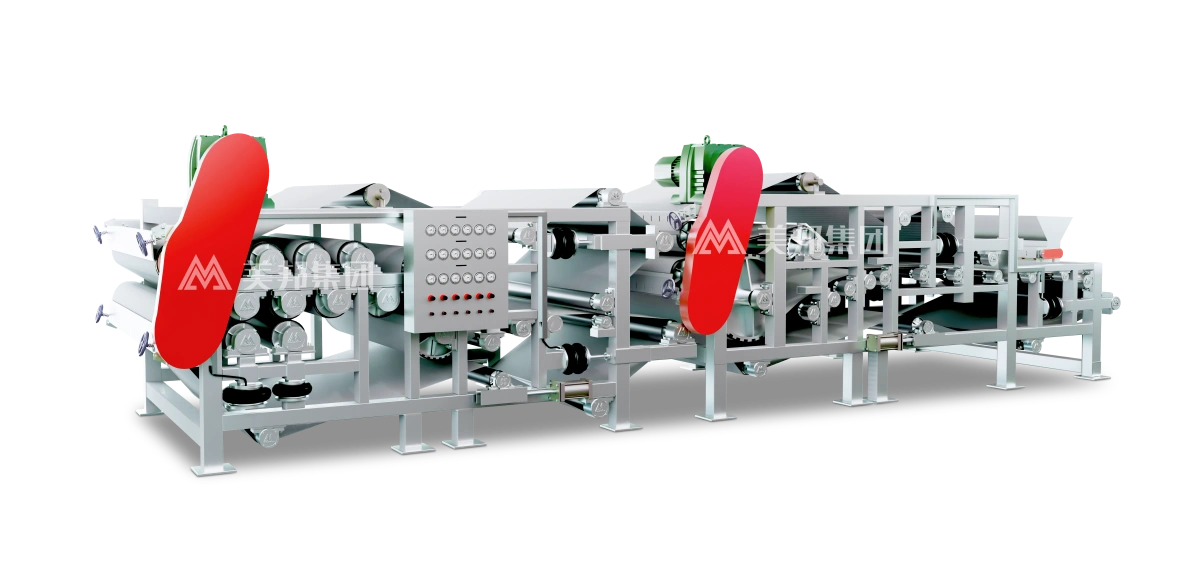
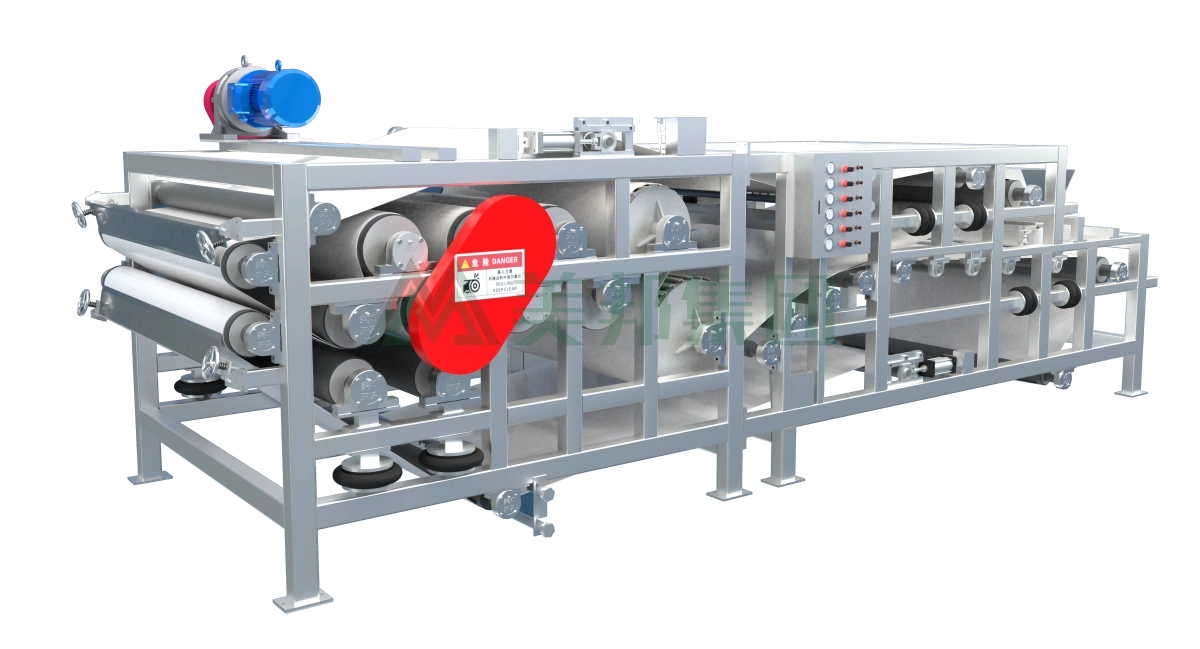
Modern dual-motor belt filter presses are specifically designed for heavy-duty industrial dewatering applications.
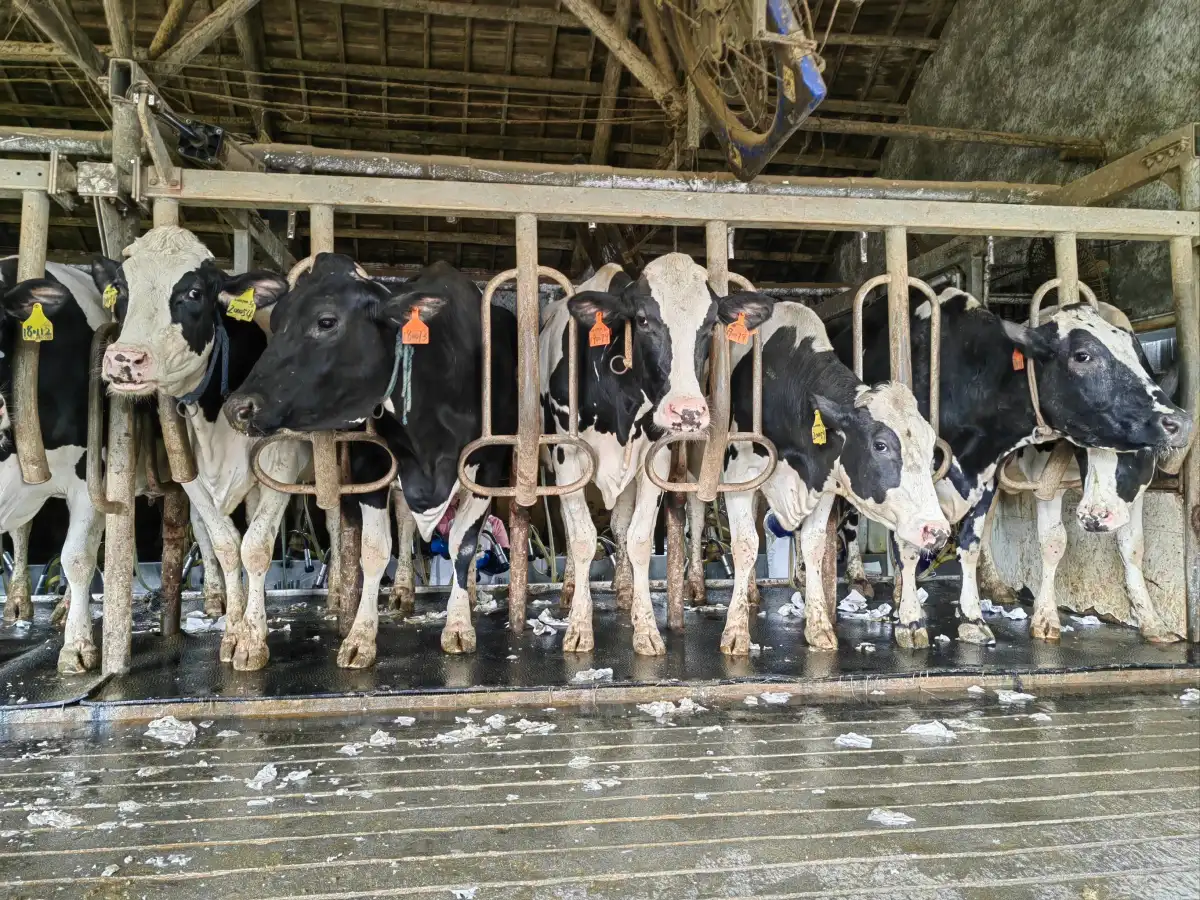
In large dairy farms, manure processing systems often operate continuously for long periods. Equipment reliability and energy efficiency therefore become extremely important.
1. Large Processing Capacity
One of the biggest advantages of a dual-motor large belt filter press is its ability to process large volumes of cow manure continuously.
With extra-wide filter belts and extended pressing zones, these machines can handle high-capacity manure treatment lines efficiently.
This is especially important for farms with:
- Thousands of dairy cows
- Centralized manure collection systems
- Large organic fertilizer production lines
- Biogas and composting projects
Continuous high-capacity operation helps reduce labor requirements while improving overall farm efficiency.
2. Lower Energy Consumption
Energy efficiency is becoming a major concern for agricultural operations worldwide.
Compared with thermal drying systems, mechanical dewatering significantly reduces energy usage.
A dual-motor belt filter press is designed to optimize pressure distribution and belt movement while maintaining low power consumption.
The system removes large amounts of water mechanically before any drying stage, helping reduce downstream energy demand.
For farms producing organic fertilizer or compost products, this can result in significant long-term operating cost savings.
3. High Automation Level
Labor shortages are becoming a growing challenge for modern dairy farms.
Highly automated manure dewatering systems help reduce manual operation and improve processing stability.
Modern large belt filter presses can achieve:
- Automatic feeding
- Automatic belt tension control
- Automatic belt washing
- Continuous discharge
- PLC control systems
- Stable continuous operation
High automation not only reduces labor costs but also improves operational consistency.
For large dairy farms operating 24 hours a day, automated systems are becoming increasingly valuable.
4. Lower Equipment Investment Cost
Compared with some high-pressure dewatering systems, large belt filter presses often provide a better balance between investment cost and processing capacity.
This is especially important for agricultural customers who require:
- Large throughput
- Reliable operation
- Reasonable investment budget
- Low maintenance costs
For many dairy farms, achieving efficient manure dewatering without excessive equipment investment is a major advantage.
The relatively simple structure of belt filter presses also helps reduce long-term maintenance expenses.
Improving Organic Fertilizer Production Efficiency
Many large dairy farms are now converting cow manure into organic fertilizer products.
However, excessive moisture can slow the composting process and increase drying costs.
Mechanical dewatering before composting helps improve overall fertilizer production efficiency by:
- Reducing excess water
- Improving material handling
- Accelerating fermentation
- Lowering drying energy demand
- Increasing storage efficiency
As the global organic fertilizer market continues to grow, efficient manure dewatering systems are becoming increasingly important.
Supporting Biogas and Biomass Projects
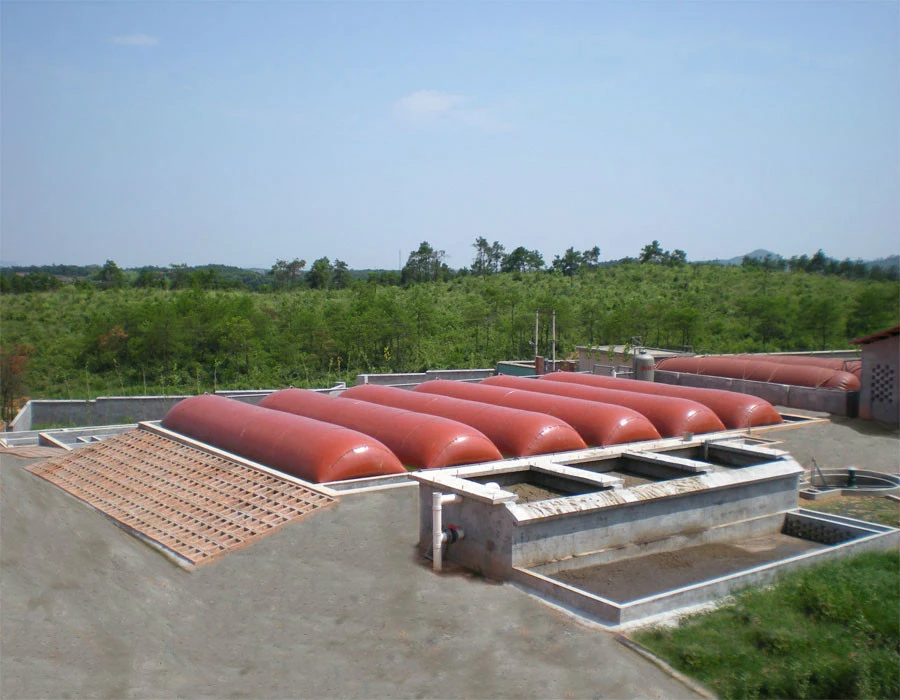
Cow manure is also widely used in biogas and biomass energy projects.
In many biogas plants, mechanical dewatering is required before or after anaerobic digestion.
Large belt filter presses can support:
- Biogas slurry dewatering
- Digestate treatment
- Biomass residue processing
- Organic waste reduction
This helps improve resource recovery while reducing environmental pressure.
Choosing the Right Cow Manure Dewatering Equipment
When selecting a manure dewatering system for a large dairy farm, several factors should be considered:
Processing Capacity
The equipment must match the daily manure production volume.
Energy Efficiency
Lower power consumption reduces long-term operating costs.
Automation
Highly automated systems reduce labor dependence.
Reliability
Continuous operation requires durable industrial-grade equipment.
Maintenance Requirements
Low-maintenance equipment improves operational stability.
Investment Cost
The equipment should provide a reasonable balance between cost and performance.
The Future of Dairy Farm Dewatering Systems
As dairy farms continue moving toward industrial-scale operation, the demand for efficient manure treatment systems will continue growing.
Dual-motor large belt filter presses are becoming an increasingly attractive solution for modern cow manure dewatering because they combine:
- Large processing capacity
- Low energy consumption
- High automation
- Stable continuous operation
- Competitive equipment cost
For large dairy farms seeking to improve manure management efficiency while reducing operating costs, mechanical dewatering technology is becoming an essential part of modern agricultural operations.