
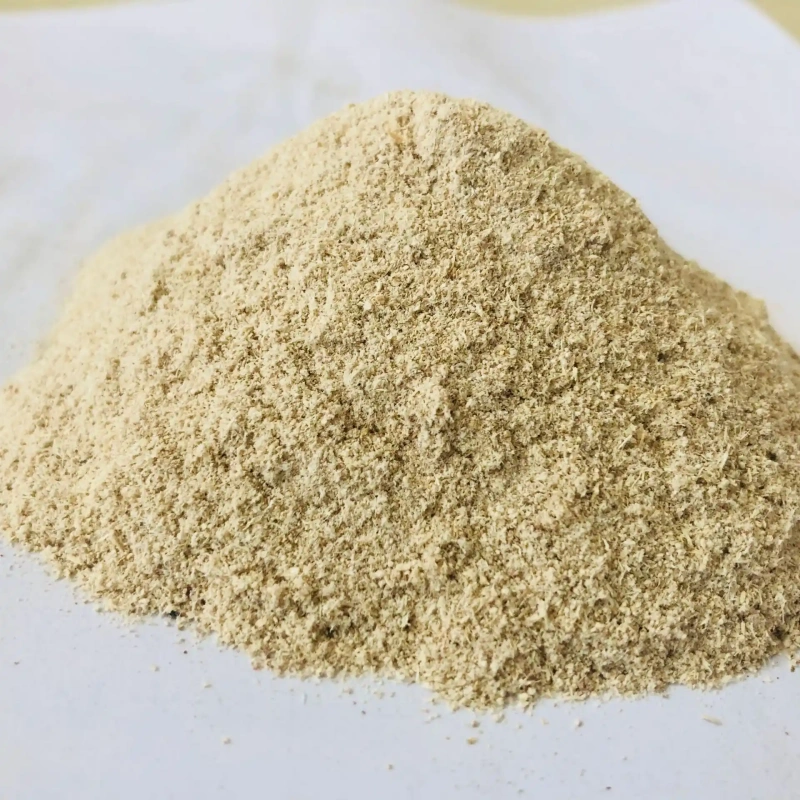
Cassava starch production generates massive volumes of wet cassava pulp on a daily basis. Without professional cassava pulp dewatering treatment, this fibrous by‑product is hard to transport, costly to stockpile, and usually sold cheaply as low‑grade agricultural waste. For most starch manufacturers, untreated cassava residue not only triggers environmental concerns but also wastes huge potential commercial value.
A large‑scale cassava starch processing plant in Guangxi, China’s core cassava‑producing region, has upgraded its waste resource utilization system by deploying two sets of high‑pressure double‑roll press dewatering machines for continuous cassava pulp dewatering. After adopting our industrial‑grade dewatering system, the plant stably reduced cassava pulp to 45% low‑moisture content, successfully converting wet waste into high‑quality, market‑ready cat litter raw material. This case fully proves that professional dewatering equipment can empower starch factories to maximize biomass utilization, cut waste disposal costs, and unlock new profit channels.
Background of the Cassava Starch Factory
The client is a leading cassava starch processor based in Guangxi, where cassava planting and deep‑processing industries are highly concentrated. During starch extraction, tons of wet cassava pulp residue are produced every day.
In the past, raw wet cassava pulp was left untreated without mechanical dewatering. Its ultra‑high moisture led to extremely low economic value, with most residues hauled away by local recyclers and farmers at rock‑bottom prices.
This traditional disposal mode brought multiple bottlenecks:
- Exorbitant transportation costs
- Cumbersome material handling
- Poor reusability and low market value
- Unstable storage conditions
- Severe resource waste
- Insufficient profit from by‑products
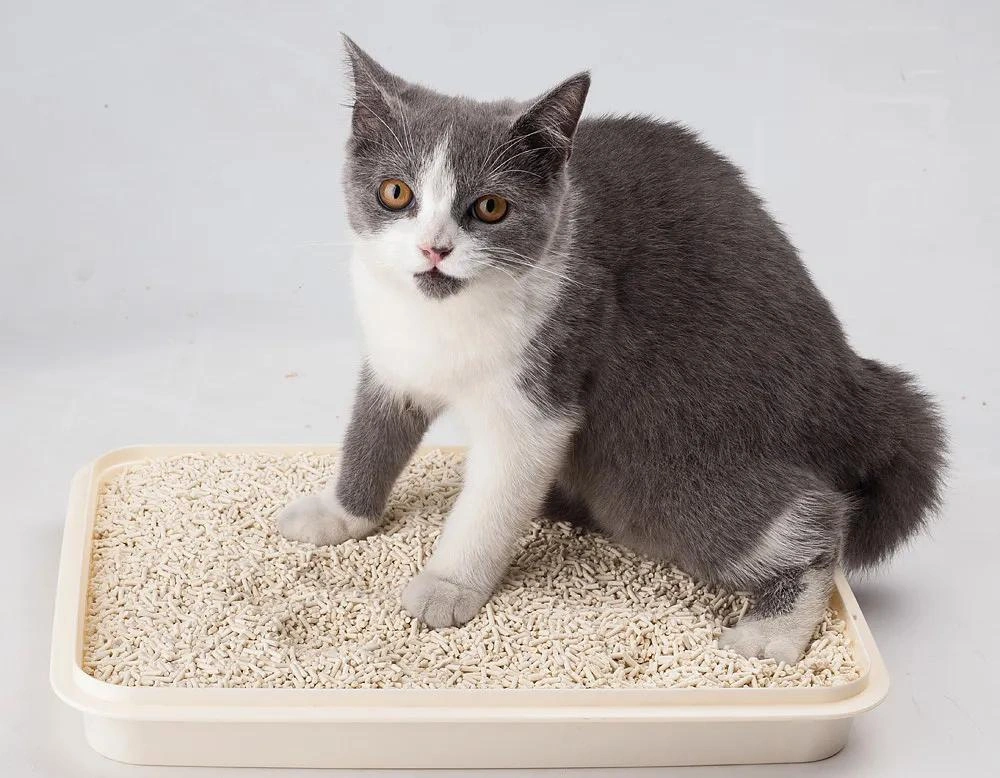
Meanwhile, global market demand for biomass‑based cat litter raw material has surged rapidly. The client noticed that properly dewatered cassava pulp could serve as premium raw material for cat litter manufacturers. To boost resource utilization and raise profit margins, the factory decided to invest in a targeted cassava pulp dewatering solution.
High‑Pressure Double‑Roll Press Dewatering System
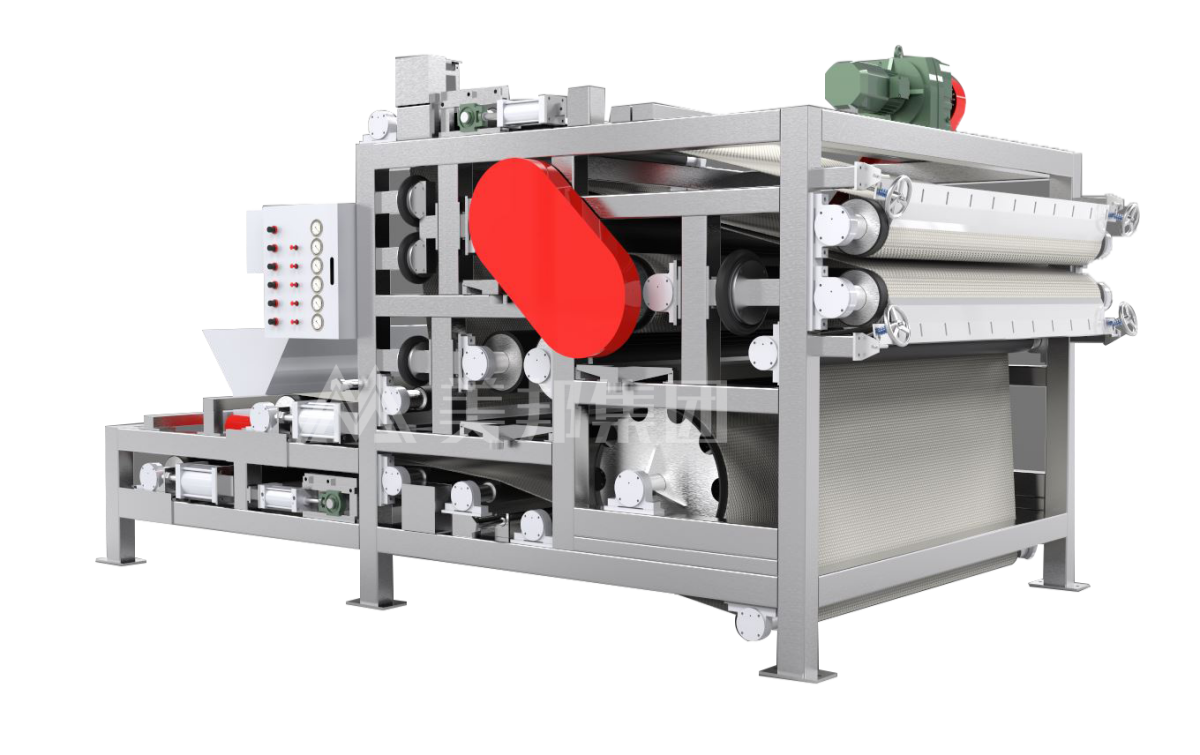
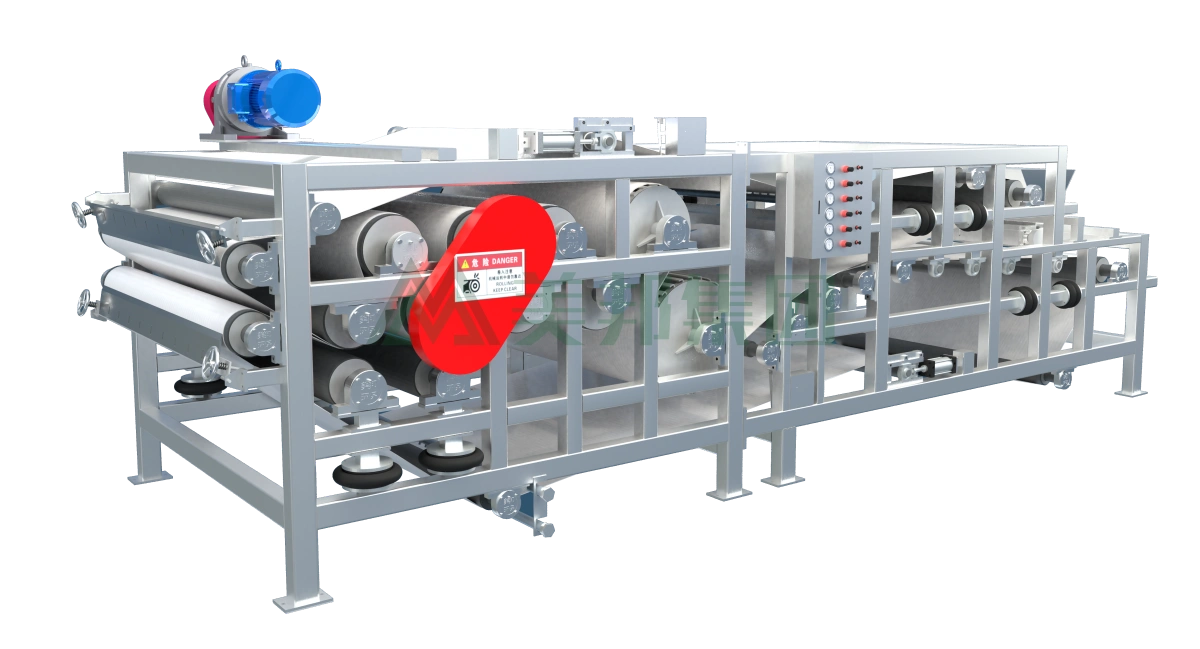
After cross‑testing various dewatering technologies, the client chose two heavy‑duty high‑pressure double‑roll press machines, specially customized for high‑moisture, high‑fiber biomass materials like cassava pulp.
Core Equipment Specifications
- Single‑machine processing capacity: 5 tons per hour
- Total quantity: 2 units
- Filter belt width: 2 m
- Total power: 29 KW
- Final stable moisture content: 45%–55% (45% low‑moisture content achieved in formal operation)
- Continuous hydraulic pressing structure
- Robust industrial‑grade frame for heavy‑load operation
This set of high‑pressure double‑roll press equipment supports round‑the‑clock stable operation, perfectly matching large‑scale cassava starch production lines.
Why Cassava Pulp Requires Professional Dewatering
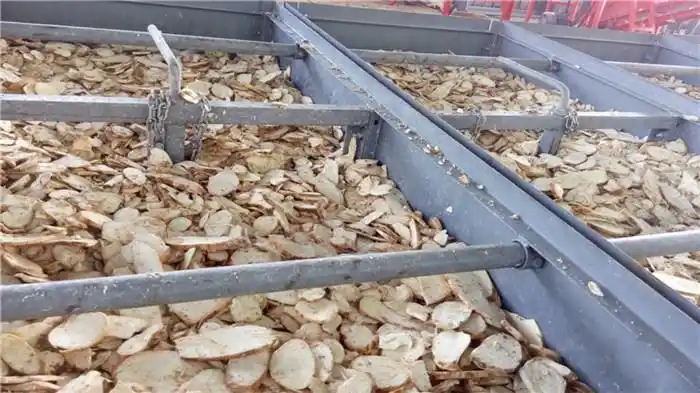
Cassava pulp is a typical high‑fiber, water‑retentive biomass material. Fresh cassava residue contains fine plant fibers and residual starch particles, with strong water‑locking properties that greatly increase dewatering difficulty.
Conventional dewatering devices often fail to process cassava pulp effectively due to:
- Sticky pulp layer formation
- Water trapped inside dense fiber structures
- Low discharge efficiency caused by high moisture
- Frequent clogging and unstable continuous operation
Effective cassava pulp dewatering needs equipment that delivers gradual, steady high pressure while ensuring smooth material flow. Our high‑pressure double‑roll press provides powerful hydraulic squeezing force and uninterrupted pressing performance, making it highly suitable for cassava residue deep‑dewatering scenarios.
Complete Cassava Pulp Dewatering Process
In this Guangxi project, fresh cassava pulp directly discharged from starch production lines is sent into the high‑pressure double‑roll press dewatering system.
Materials are first evenly spread on the filter zone via the feeding unit. The hydraulic double‑roll pressing system then applies continuous high‑pressure compression to squeeze out free water from cassava pulp.
Key changes during dewatering:
- Rapid separation of free water
- Remarkable reduction in material volume
- Higher transportation efficiency
- Stable 45% low‑moisture content for finished products
Dewatered cassava pulp is continuously discharged for further processing and reuse. Compared with raw wet residue, dewatered pulp is far easier to transport, store and deep‑process as cat litter raw material.
From Agricultural Waste to High‑Value Cat Litter Raw Material
The core highlight of this cassava pulp dewatering project is the conversion of waste into market‑competitive biomass products. After being reduced to 45% low‑moisture content, cassava pulp becomes ideal cat litter raw material for downstream pet litter manufacturers.
Dewatered cassava pulp boasts multiple advantages for subsequent processing:
- Lower logistics and transportation costs
- Easier drying and granulation
- Longer shelf life with stable storage performance
- Reduced odor generation
- Consistent raw material quality
At present, the starch factory directly supplies dewatered cassava pulp to cat litter producers, turning former waste burdens into steady profit sources.
Core Benefits Brought by the High‑Pressure Double‑Roll Press Dewatering System
By installing our industrial‑grade high‑pressure double‑roll press machines, the client gained tangible operational and economic benefits:
- Reduced waste disposal costs: 45% low‑moisture content cuts transportation weight and related expenses significantly.
- Improved resource utilization: Low‑value cassava residue is recycled into premium cat litter raw material.
- New profit growth point: Steady revenue from supplying biomass raw materials to the cat litter industry.
- Uninterrupted industrial production: Stable long‑term operation adapts to large‑scale starch processing demands.
- Lower labor input: Automated continuous dewatering minimizes manual operation and labor costs.
- Better environmental performance: Reduced wet waste accumulation optimizes factory sanitation and environmental management.
Advantages of High‑Pressure Double‑Roll Press for Cassava Pulp Dewatering
Compared with traditional dewatering machines, our high‑pressure double‑roll press has unique strengths for cassava pulp dewatering:
- Powerful hydraulic pressure for deep‑dewatering sticky high‑fiber materials
- Continuous feeding and discharging for high‑efficiency mass production
- Heavy‑duty design to support large‑capacity biomass processing
- Stable 45% low‑moisture output for cat litter raw material production
- Excellent anti‑clogging performance for sticky cassava pulp
Wide Application of High‑Pressure Roller Press Dewatering Technology
Beyond cassava pulp dewatering, our high‑pressure roller press dewatering systems are widely applied in processing other high‑fiber biomass wastes:
- Coconut coir dewatering
- Livestock manure (cow dung) dewatering
- Brewery spent grain dewatering
- Chinese herbal residue dewatering
- Various agricultural residue dewatering
These materials all require professional industrial equipment with strong pressure resistance and fiber‑adapted dewatering capacity.
Conclusion
This cassava pulp dewatering project in Guangxi, China, perfectly demonstrates how advanced industrial dewatering technology helps biomass processing enterprises boost profitability and resource utilization. By introducing two sets of high‑pressure double‑roll press machines, the cassava starch factory achieved stable 45% low‑moisture content for cassava pulp, greatly improved logistics efficiency, and successfully converted waste residue into high‑quality cat litter raw material.
For cassava starch plants and biomass processing enterprises seeking waste recycling solutions, industrial cassava pulp dewatering systems deliver a reliable way to cut operating costs and explore new business opportunities from agricultural by‑products.