
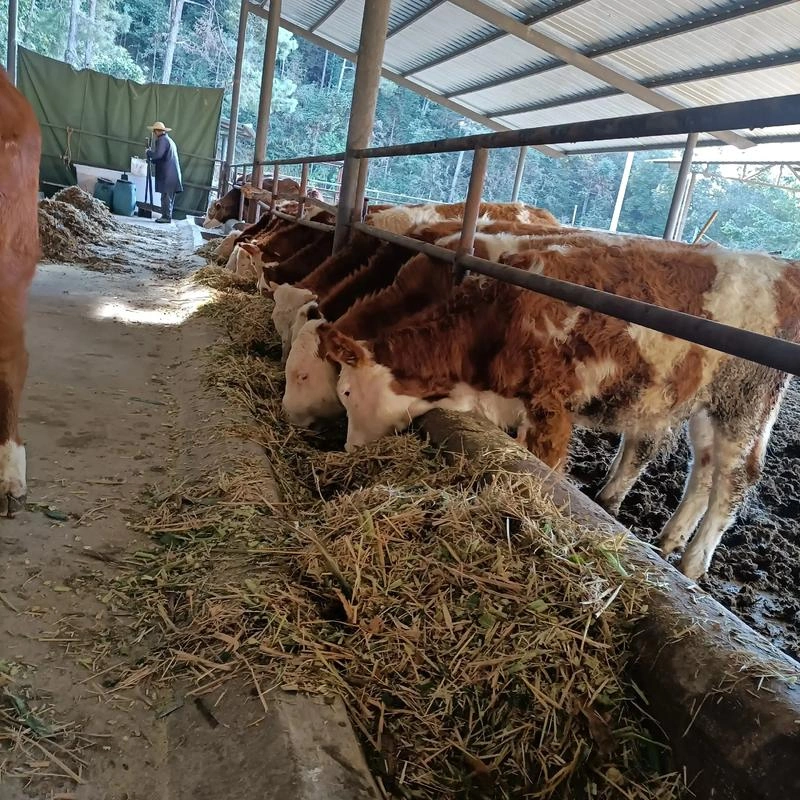

In today’s agricultural landscape, livestock farming is no longer just about production—it is about sustainability, cost control, and resource efficiency. As environmental regulations tighten and feed costs fluctuate, farmers and investors are actively seeking new ways to turn waste into profit. Among all agricultural by-products, cattle manure stands out as both a challenge and an opportunity.
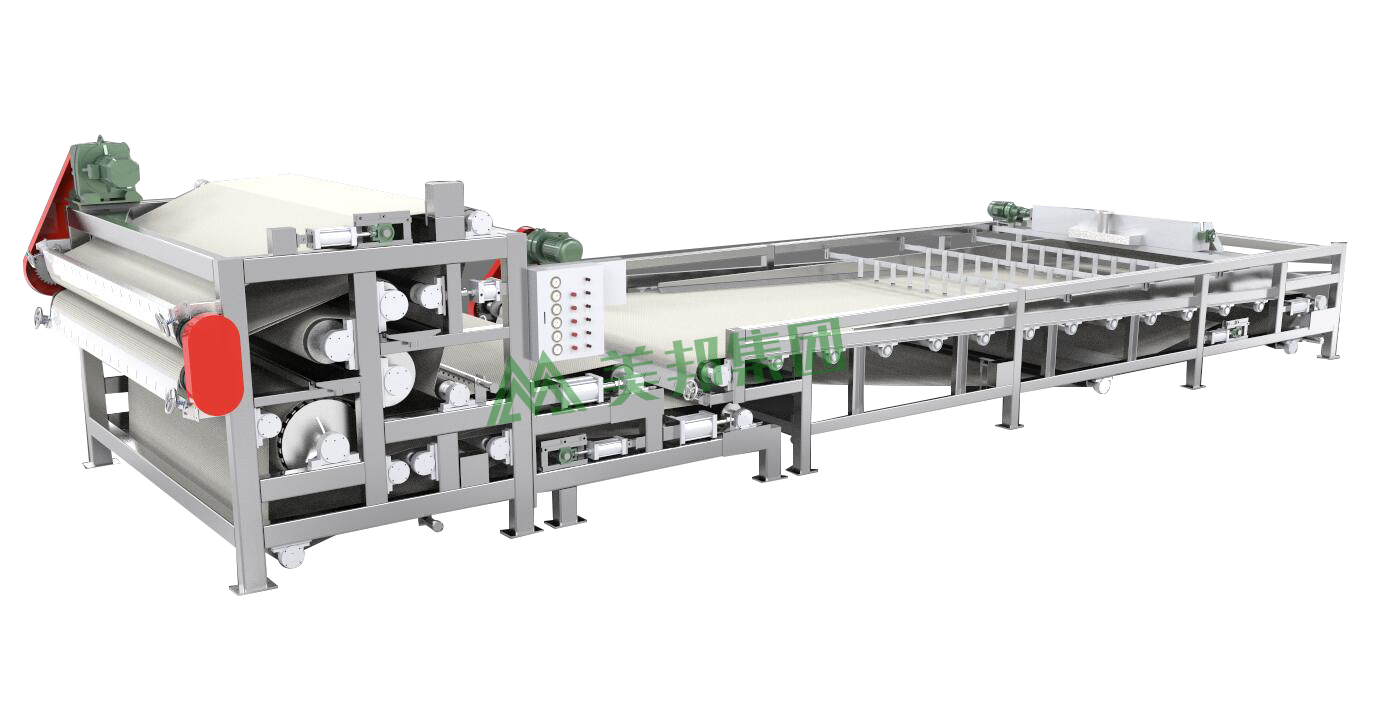
Traditionally viewed as a disposal problem, cattle manure is now being redefined as a valuable resource. With the right processing technology, it can be transformed into organic fertilizer, soil conditioner, or even biomass fuel. At the center of this transformation is one key piece of equipment: the high-efficiency belt press dewatering machine.
The Problem: High Moisture, High Cost, Low Value
Fresh cattle manure typically contains 80–90% moisture. This high water content creates several issues:
- Difficult transportation due to excessive weight
- High storage costs and risk of leakage or odor
- Limited usability in direct applications
- Environmental risks, including groundwater contamination
Without proper treatment, manure becomes a liability rather than an asset.
Many farms attempt natural drying or simple mechanical separation, but these methods are slow, weather-dependent, and inefficient. In regions with high humidity or frequent rainfall, drying can take days or even weeks—time that most operations cannot afford.
The Opportunity: Turning Waste into Profit
Once properly dewatered, cattle manure becomes a valuable product:
- Organic fertilizer with stable nutrient content
- Compost raw material for commercial agriculture
- Biomass fuel for energy generation
- Soil amendment for improving land quality
The key is reducing moisture content quickly and efficiently. This is where a belt press dewatering machine delivers unmatched advantages.
Why Choose a Belt Press Dewatering Machine?
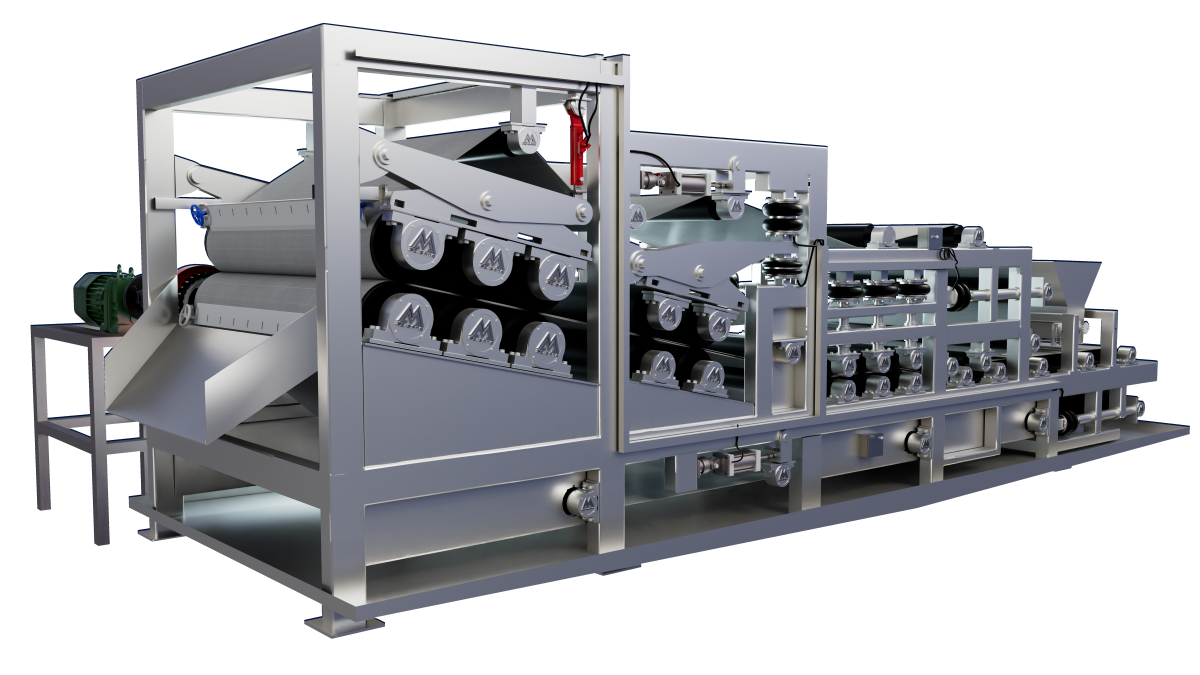
A belt press dewatering machine is specifically designed for continuous solid-liquid separation. Compared to traditional methods, it offers:
1. Continuous Operation, High Throughput
Unlike batch equipment, belt presses operate continuously, making them ideal for medium to large-scale farms. Whether you are handling 10 tons or 200 tons per day, the system runs steadily without interruption.
2. Significant Moisture Reduction
Our belt press can reduce moisture content from 85–90% down to 60–70% in a single pass. With additional processing (such as composting or drying), even lower moisture levels can be achieved.
3. Lower Operating Costs
Compared to plate and frame filter presses or centrifuges, belt presses consume less energy and require fewer operators. This directly translates into lower long-term costs.
4. Minimal Maintenance, Long Service Life
The structure is simple yet robust. With high-quality belts, rollers, and corrosion-resistant materials, the machine is built for continuous operation in harsh agricultural environments.
5. Eco-Friendly Solution
By reducing waste volume and preventing runoff, belt presses help farms meet environmental standards while improving overall sustainability.
How the Process Works
The dewatering process is straightforward but highly effective:
- Pre-treatment and flocculation
Manure slurry is mixed with a flocculant to aggregate fine particles. - Gravity drainage zone
Free water is removed as the slurry spreads evenly across the belt. - Wedge zone
Gradual pressure is applied to compact the material. - High-pressure pressing zone
Multiple rollers apply increasing pressure to squeeze out remaining water. - Discharge
Dewatered manure is discharged as a semi-solid cake, ready for further use.
This multi-stage process ensures maximum efficiency with minimal energy consumption.
Real Economic Benefits for Farms
Investing in a belt press dewatering machine is not just about compliance—it is about profitability.
Reduced Transportation Costs
By removing excess water, the volume and weight of manure are significantly reduced. This lowers transportation costs by up to 50% or more.
New Revenue Streams
Dewatered manure can be sold as:
- Organic fertilizer
- Compost raw material
- Soil improvement products
In many markets, organic fertilizers command premium prices due to increasing demand for sustainable agriculture.
Lower Disposal Costs
Instead of paying for waste treatment or disposal, farms can convert manure into a sellable product.
Faster Return on Investment
With low operating costs and multiple income streams, most farms achieve ROI within a short period, especially when processing large volumes.
Why Our Belt Press Stands Out
With over 20 years of experience in design, manufacturing, and global project delivery, our company specializes in dewatering solutions tailored for agricultural and industrial applications.
Proven Performance
Our machines are already used in hundreds of projects worldwide, including large-scale livestock farms and organic fertilizer plants.
Customized Solutions
Every farm is different. We provide customized configurations based on:
- Processing capacity
- Manure characteristics
- Local environmental requirements
Energy-Efficient Design
Our optimized roller arrangement and belt tension system ensure maximum dewatering efficiency with minimal power consumption.
Durable Materials
All key components are made from high-strength, corrosion-resistant materials, ensuring long-term reliability even in demanding conditions.
Full Technical Support
From installation to operation training, our team provides comprehensive support to ensure smooth operation and maximum productivity.
Case Application: From Waste to Resource
In a large dairy farm project, daily manure output exceeded 100 tons. Previously, the farm relied on open-air drying, which caused odor issues and attracted regulatory pressure.
After installing our belt press dewatering system:
- Moisture content reduced from 88% to 65%
- Daily processing achieved continuous operation
- Transportation costs reduced by 40%
- Organic fertilizer sales created a new revenue stream
The farm not only solved its environmental challenges but also turned waste management into a profitable business segment.

Future Trends: Circular Agriculture
The global agricultural industry is shifting toward circular economy models, where waste is reused and resources are maximized. Cattle manure is no longer just waste—it is a key component of sustainable farming systems.
Technologies like belt press dewatering machines play a crucial role in this transformation by enabling efficient resource recovery.
Governments and environmental agencies are increasingly supporting such solutions through subsidies and incentives, making now the perfect time to invest.
Conclusion
Cattle manure management is no longer a burden—it is an opportunity. With the right technology, farms can reduce costs, meet environmental regulations, and create new revenue streams.
A high-efficiency belt press dewatering machine is the cornerstone of this transformation. It offers a reliable, cost-effective, and environmentally friendly solution for modern livestock operations.
If you are looking to upgrade your manure management system and unlock the hidden value in waste, our belt press dewatering machine is the solution you can trust.
Contact us today to get a customized solution and start turning cattle manure into profit.