
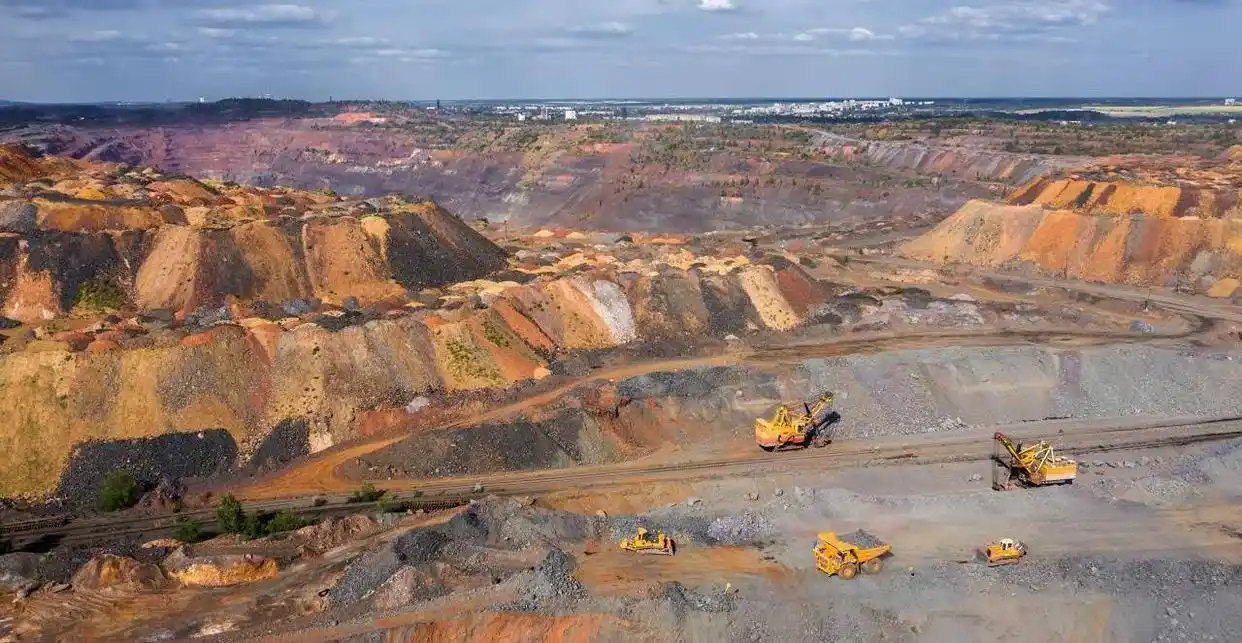

The global mining industry is entering a new growth cycle. Demand for critical minerals, industrial metals, and raw materials is being accelerated by artificial intelligence infrastructure, electric vehicles, renewable energy, and expanding manufacturing capacity. From copper and gold to lithium, iron ore, and rare earth resources, mining projects across Africa, South America, Asia, and Australia are attracting significant investment.
As mining activity expands, environmental management has become just as important as ore production. Modern mining companies are no longer judged only by output capacity, but also by how efficiently they manage tailings, wastewater, and water resources. For many operations, selecting the right mine tailings dewatering equipment has become a key factor in profitability and long-term sustainability.
This guide explains how to choose the best filter press for mine tailings wastewater treatment, and why more large mines are switching to ultra-large belt filter presses instead of traditional high-pressure membrane plate filter presses.
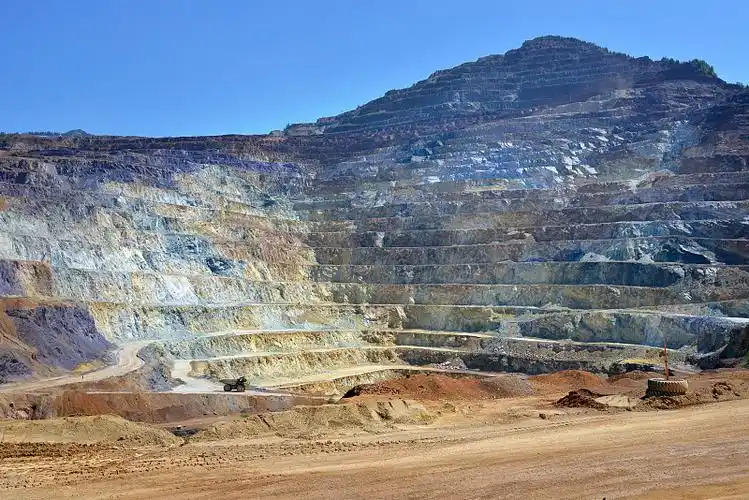
Why Tailings Wastewater Treatment Matters in Modern Mining
Every mining project produces tailings slurry—a mixture of fine solids, process chemicals, and large volumes of water. If not properly treated, tailings ponds can create major environmental and financial risks, including:
- Water contamination
- Land occupation by tailings storage facilities
- Higher regulatory compliance costs
- Reduced water recovery rates
- Long-term rehabilitation liabilities
In mining regions such as Africa and South America, governments are tightening environmental regulations. Many new mining permits now require dry tailings discharge systems to reduce the environmental footprint of mining operations.
As a result, tailings dewatering has become essential for:
- Lowering disposal costs
- Recovering process water
- Improving ESG performance
- Reducing environmental risks
- Increasing mine profitability
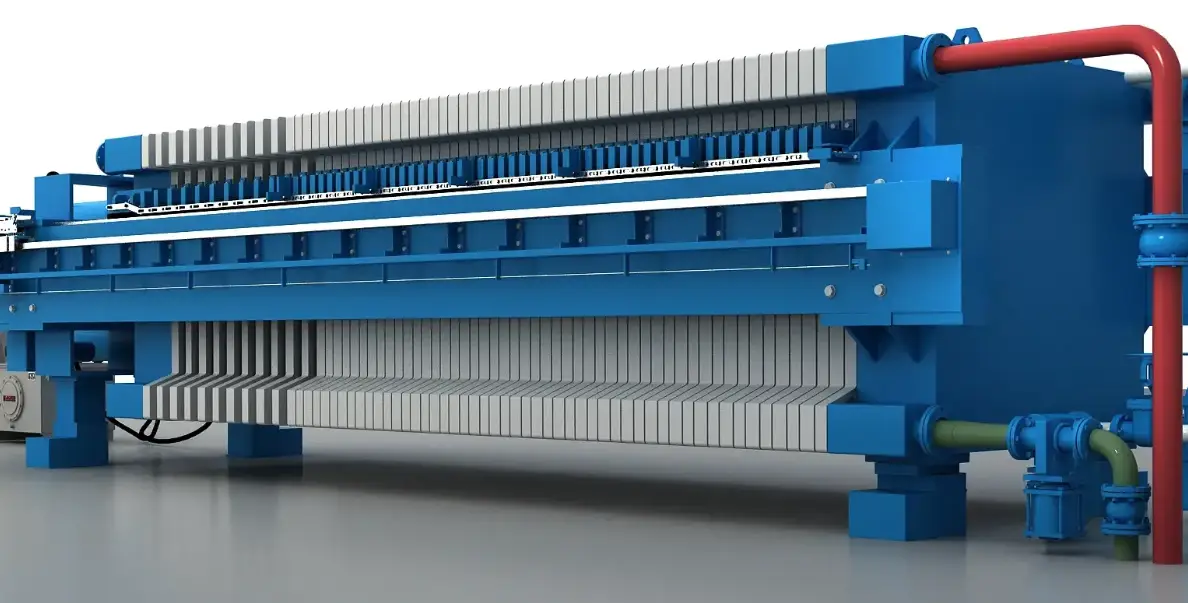
Traditional Solution: High-Pressure Membrane Plate Filter Press
For many years, the mining industry relied heavily on high-pressure membrane plate filter presses for tailings treatment.
These machines are known for producing relatively low-moisture filter cakes, making them suitable for dry stacking requirements. In certain small or specialized operations, they remain a practical solution.
However, for medium and large-scale mines processing thousands of cubic meters of slurry per day, traditional plate filter presses are facing growing challenges.
Challenges of High-Pressure Membrane Plate Filter Presses
1. Very High Capital Cost
For the same processing capacity, a membrane plate filter press can cost more than three times the investment of a large belt filter press system.
Large mines often require multiple units, increasing:
- Equipment purchase cost
- Installation cost
- Foundation and steel structure cost
- Spare parts inventory cost
This creates a heavy burden, especially for new mining projects aiming for fast ROI.
2. High Energy Consumption
Energy cost is one of the biggest operational expenses in mining.
Under the same treatment capacity, membrane plate filter presses may consume around twice the energy of advanced belt filter press systems due to:
- High-pressure hydraulic systems
- Longer filtration cycles
- Multiple auxiliary systems
- Frequent compression operations
For mines located in regions with unstable electricity supply or high diesel generator costs, this becomes a serious disadvantage.
3. Higher Labor and Maintenance Cost
Traditional plate filter presses require:
- More manual supervision
- Plate opening and closing management
- Frequent cloth replacement
- Hydraulic system maintenance
- More operators per shift
For example, a medium-sized mine treating 3,000 m³/day of wastewater may require:
- 4 membrane filter press units
- 4 skilled technicians for operation and maintenance
This significantly increases payroll and maintenance costs year after year.
Better Alternative: Ultra-Large Mining Belt Filter Press
To solve these issues, many modern mining companies are upgrading to large-scale belt filter press systems.
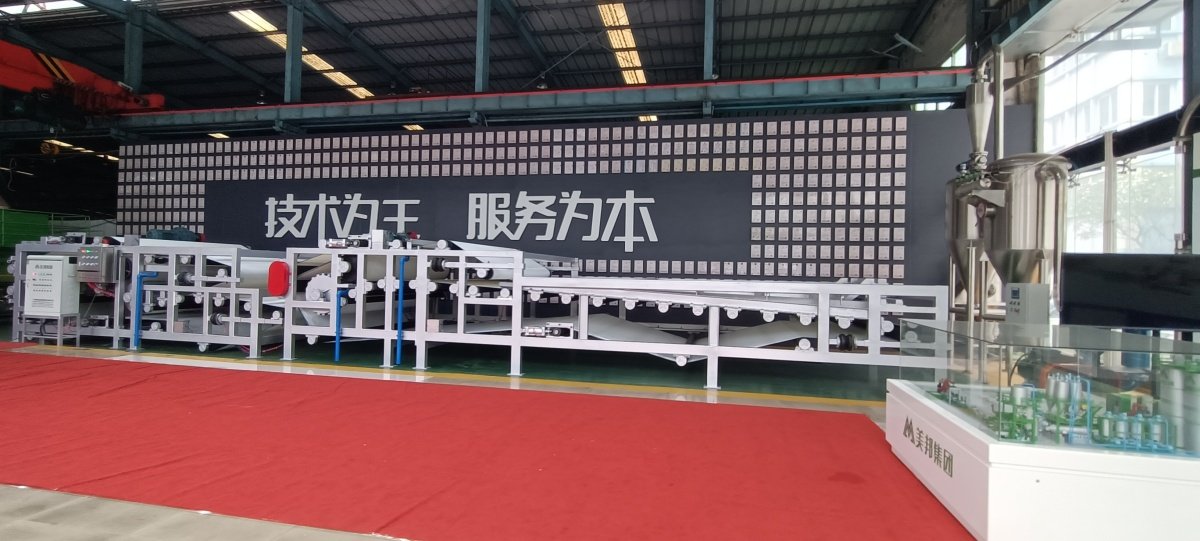
Our company has developed an ultra-large mining belt filter press specifically for mine tailings applications. With a machine length of 18 meters, belt width of 3 meters, and dual-motor drive system, it is designed for continuous, heavy-duty operation in demanding mining environments.
For the same 3,000 m³/day wastewater treatment requirement:
- Only 2 units are needed
- Only 2 technicians required
This immediately cuts labor demand by 50% while reducing energy and equipment costs.
Key Advantages of Our Ultra-Large Mine Tailings Belt Filter Press
1. Lower Equipment Investment
Compared with membrane plate filter presses, our belt filter press offers significantly lower purchase cost for the same throughput capacity.
Mining companies can reduce upfront capital expenditure and shorten project payback periods.
2. Extra-Large Processing Capacity
Our machine is engineered for high-volume tailings slurry treatment.
Benefits include:
- Continuous operation
- Stable throughput
- Reduced equipment quantity required
- Better suitability for large mines
This is especially valuable for copper mines, gold mines, iron ore mines, lithium mines, and coal preparation plants.
3. Energy Saving and Environmentally Friendly
Our system is optimized for lower power consumption, reducing operating cost and carbon footprint.
Compared with traditional pressure filtration systems, mines can achieve:
- Lower electricity bills
- Lower diesel generator fuel cost
- Lower emissions
4. Reduced Labor Cost
With fewer machines and automated continuous operation, fewer technicians are needed.
That means:
- Lower payroll cost
- Easier shift management
- Less training burden
- Higher operating efficiency
5. Water Recycling and Reuse
Water scarcity is a major issue in many mining regions, especially in Africa.
Our belt filter press helps recover clear filtrate water that can be reused in:
- Ore washing
- Grinding circuits
- Flotation systems
- Dust suppression
- General plant operations
This reduces freshwater demand and operating costs while improving sustainability.
Proven Success in Africa and South America
Our ultra-large mining belt filter presses are already widely used in dozens of large mine tailings projects in Africa and South America.
Customers value the system because it delivers:
- Reliable continuous operation
- Lower ownership cost
- Fast installation
- Strong dewatering performance
- Excellent water recovery results
In water-scarce African mining regions, recycled water performance has received especially positive feedback.
How to Choose the Right Tailings Filter Press for Your Mine
When selecting a mine tailings dewatering system, consider these factors:
Daily Slurry Volume
Large operations need continuous high-capacity systems.
Energy Cost
High electricity or diesel costs favor low-energy belt press systems.
Labor Availability
Remote mine sites benefit from equipment requiring fewer operators.
Water Scarcity
Water recovery should be a top priority.
Budget and ROI
Lower capital and operating cost often determine project success.
Why More Mines Are Switching to Belt Filter Press Technology
Mining companies today need more than low cake moisture. They need a complete solution that balances:
- Capacity
- Cost
- Sustainability
- Reliability
- Water recovery
- Return on investment
That is why more operators are choosing large mining belt filter presses over traditional plate filter press systems.
Contact Us for a Customized Mine Tailings Dewatering Solution
If your mine is looking for a cost-effective tailings wastewater treatment system, our ultra-large belt filter press can help reduce cost, save energy, recover water, and simplify operations.
We provide customized solutions based on:
- Tailings type
- Capacity requirements
- Site conditions
- Moisture targets
- Budget plans
Contact us today to get a professional solution for your mining tailings project.