
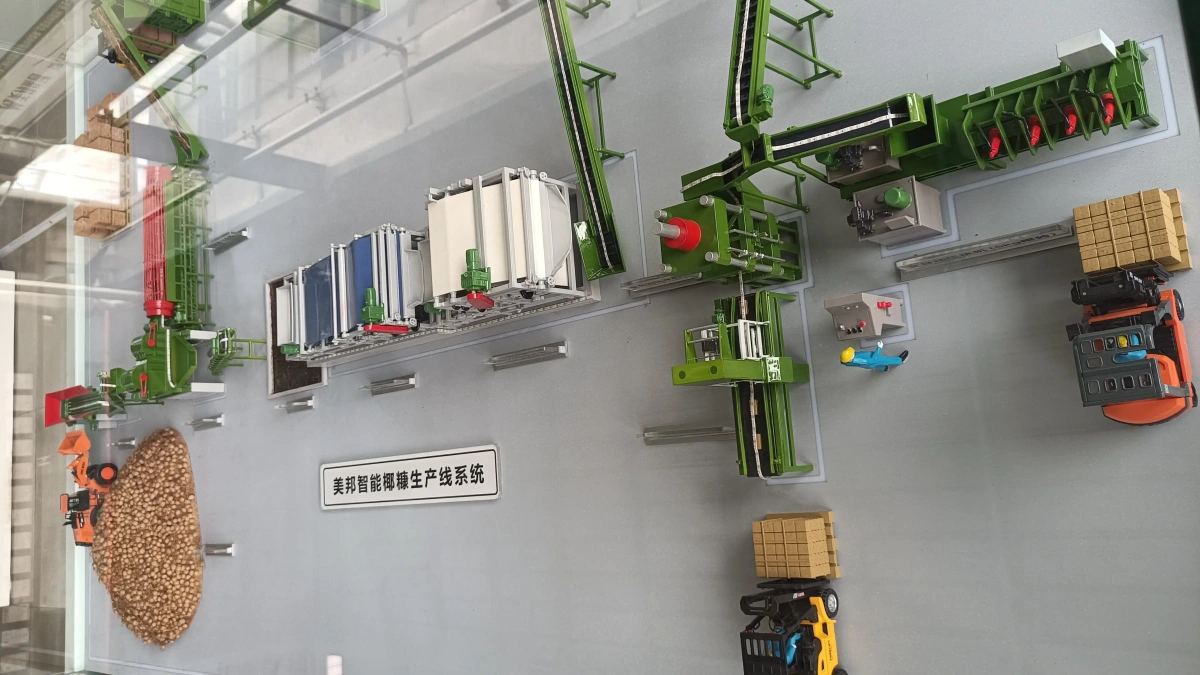
The Expanding Global Market for Premium Coco Peat Substrates
As global demand for sustainable agricultural substrates continually surges, coco peat manufacturers must actively optimize their daily processing efficiency. Modern hydroponic farming, commercial greenhouse operations, and specialized berry cultivation increasingly rely on premium coconut coir. This organic material offers exceptional moisture retention capabilities while simultaneously providing ideal aeration for sensitive root systems. Consequently, the international market rigorously demands coco peat products with optimal physical consistency and extremely low electrical conductivity.
Meeting these strict agricultural standards requires transitioning away from inconsistent manual labor toward highly efficient automated coir processing systems. With fifteen years of specialized manufacturing expertise, we design complete automated coco peat production lines that maximize your operational output. We understand that achieving consistent product quality while drastically minimizing operational costs is the primary goal for every processing facility. By implementing advanced manufacturing technologies, producers can significantly increase their daily yield and dramatically improve their global market competitiveness.
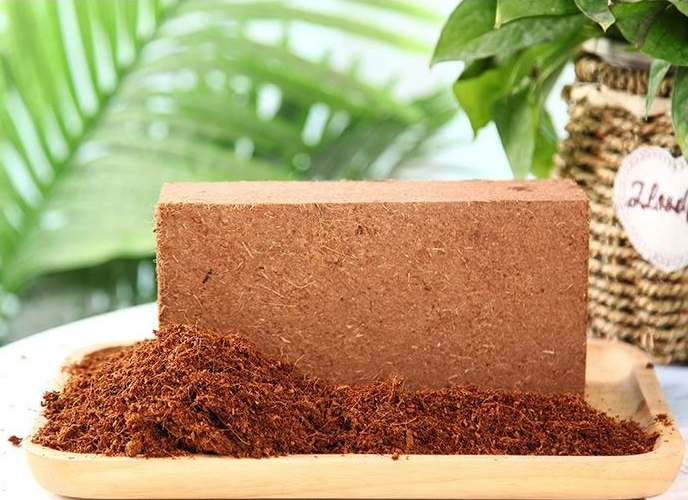
Overcoming Traditional Manufacturing Bottlenecks
Historically, coir processing relied heavily on manual extraction, natural monsoon washing, and unpredictable sun drying on massive concrete yards. These outdated methods are notoriously slow, highly dependent on favorable weather conditions, and severely prone to biological contamination. Furthermore, manual processing yields highly inconsistent particle sizes and unpredictable salt levels, which are unacceptable for professional horticultural applications.
Our fully automated production lines completely eliminate these traditional bottlenecks by providing continuous, weather-independent manufacturing capabilities. We integrate robust mechanical systems with intelligent PLC automation to ensure every single batch meets exacting international export standards. Investing in modern automated equipment allows your facility to operate multiple production shifts, generating a reliable, highly profitable product stream.
Phase One: Efficient Raw Material Extraction and Dehusking
The automated manufacturing process inevitably begins with separating the valuable coconut fiber from the raw, protective outer husks. Raw coconut husks are remarkably tough and require substantial mechanical force to process efficiently without causing frequent equipment breakdowns. Our industrial-grade dehuskers are meticulously engineered to handle massive volumes of raw material with absolute minimal manual intervention.
These heavy-duty machines utilize high-torque rotating shafts and specialized hardened steel teeth to efficiently strip the tough outer layers. By aggressively tearing the raw husks apart, these primary processors prepare the fibrous material for the subsequent size reduction phases. Utilizing automated dehuskers immediately reduces your initial labor costs and significantly accelerates the entire production timeline right from the start.
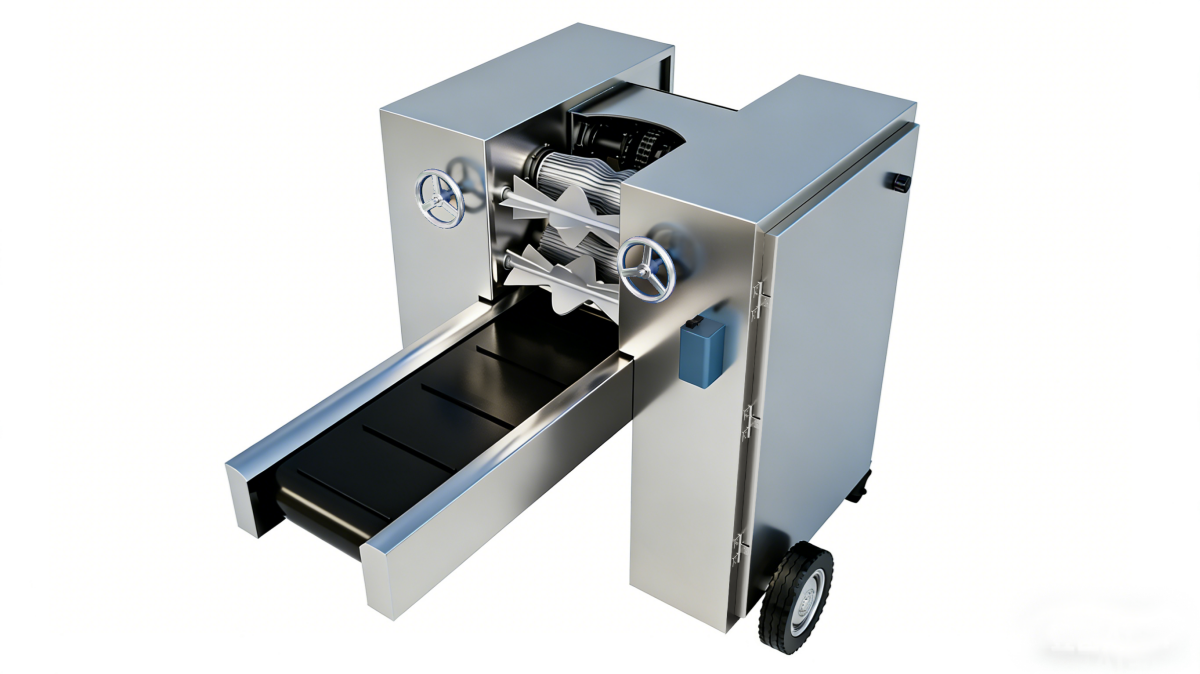
Phase Two: Precision Size Reduction and Grading
Once the husks are properly extracted and separated, they must undergo rigorous size reduction to create uniform coir particles. We seamlessly integrate high-capacity crushers into our production lines to effectively break down the robust coconut shells and coarse fibers. Our heavy-duty crushing equipment features easily replaceable abrasive hammers, ensuring consistent performance even under continuous, high-volume operational stress.
Following the initial crushing stage, our advanced pulverizers further process the shredded material into the fine consistency required for agriculture. Achieving a uniform particle size is absolutely critical for ensuring even moisture distribution within the final commercial coco peat products. Furthermore, we install vibrating screening machinery to meticulously separate the fine coco pith from the longer, valuable coconut fibers. This separation allows manufacturers to sell the long fibers to the textile industry while utilizing the pith for agricultural substrates.
Phase Three: Advanced Washing and Desalination
Raw coconut husks naturally contain exceedingly high levels of sodium, potassium, and chloride due to their coastal growing environments. High salt content creates dangerously elevated electrical conductivity (EC), which is highly detrimental to delicate plant roots in hydroponic systems. Therefore, thorough washing and desalination represent the absolute most critical quality control bottleneck in the entire coco peat manufacturing process.
Producers must continuously wash the pulverized coco pith with massive volumes of fresh water to leach out accumulated natural salts. This intensive washing process successfully lowers the electrical conductivity to acceptable agricultural standards, typically targeting an EC below 0.5 mS/cm. However, mixing millions of fine organic particles with industrial volumes of water generates an extremely saturated, heavy slurry. Managing this waterlogged organic material efficiently dictates the overall energy consumption and ultimate profitability of your entire production facility.
Chemical Buffering for Premium Horticultural Applications
Beyond simple fresh water washing, producing premium horticultural substrates often requires targeted chemical buffering to stabilize the cation exchange capacity. Producers typically introduce a specialized calcium nitrate solution during the washing phase to displace stubbornly attached sodium and potassium ions.
Our automated mixing and washing tanks guarantee optimal contact time between the chemical buffering agents and the raw coco pith. This vital chemical conditioning guarantees that the final coco peat will not accidentally absorb essential calcium away from growing plants. Implementing automated buffering significantly increases the market value of your final product, appealing directly to high-end commercial greenhouse operators.
Phase Four: High-Capacity Dewatering with Belt Filter Presses
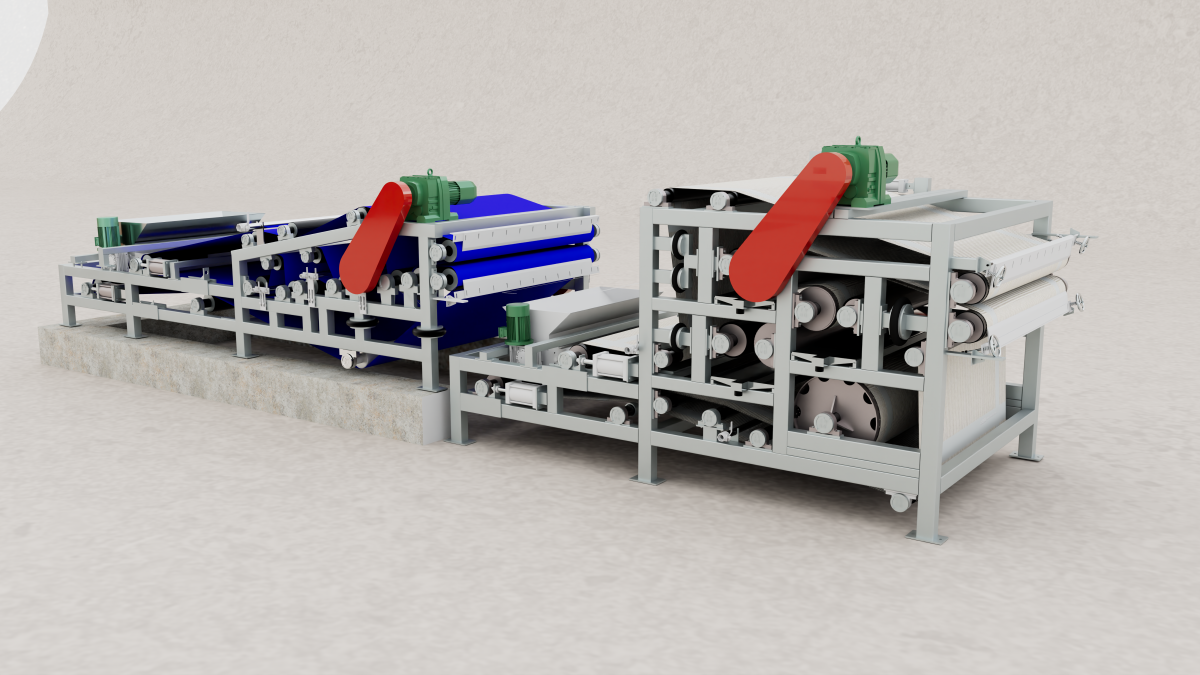
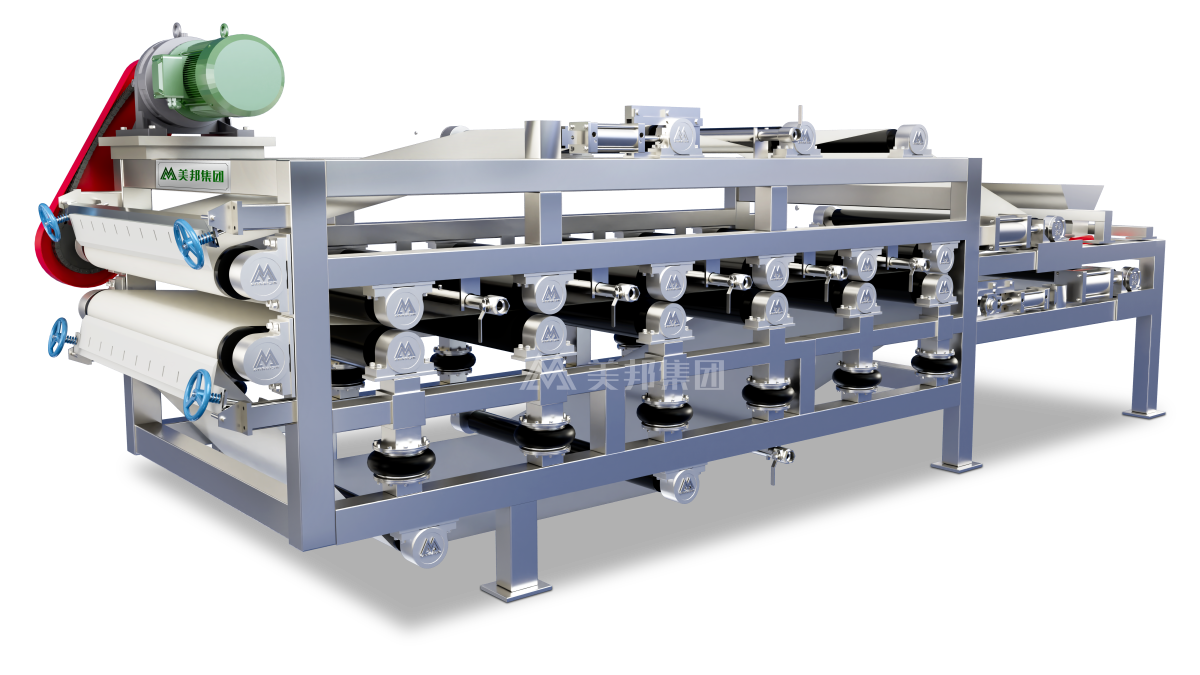
This specific stage is exactly where our heavy-duty belt filter presses deliver exceptional solid-liquid separation for rapid, continuous dewatering. Traditional gravity draining methods are completely insufficient for modern production speeds and leave the material far too saturated for drying. Pumping heavy, waterlogged coco slurry directly into a thermal dryer would consume catastrophic amounts of fuel, destroying your profit margins.
Our industrial belt filter presses utilize a highly efficient system of tensioned porous belts and progressively applied mechanical pressure. The dewatering process flows continuously through three distinct operational zones engineered specifically for maximum moisture extraction.
The Gravity Drainage Zone
As the saturated coco slurry enters the machine, it spreads evenly across the horizontal surface of the moving lower belt. In this initial gravity drainage zone, massive amounts of free water rapidly drain through the porous belt via natural gravity. We utilize specialized synthetic filter belts featuring a specific mesh size that retains fine coco pith while allowing water through.
The Wedge Compression Zone
Following initial gravity drainage, the thickened organic sludge enters the critical wedge zone, where the upper and lower belts gradually converge. This decreasing vertical space applies gentle, escalating pressure to the material, carefully squeezing out additional trapped water. This gradual pressure application is critical for establishing a stable filter cake before the material enters the high-pressure roller system.
The High-Pressure Roller Zone
Finally, the stabilized coco material passes between multiple high-pressure rollers configured in a precise, decreasing-diameter sequence to maximize extraction. These rollers physically squeeze the remaining moisture from deep within the organic fibers using immense mechanical leverage. This continuous, automated pressing mechanism handles enormous processing volumes without requiring any costly downtime for batch unloading or manual intervention.
Customizing Belt Tension for Coir Characteristics
Different grades of coco peat require precisely calibrated mechanical pressure to avoid permanently damaging the delicate sponge-like cellular structure. Our intelligent belt filter presses feature adjustable pneumatic tensioning systems that operators can easily modify during active production runs. This vital operational flexibility ensures that you can process various grades of coir pith without ever compromising the final product quality.
Integrated High-Pressure Belt Cleaning
Maintaining continuous water drainage requires keeping the microscopic pores of the filter belts completely free from sticky organic obstructions. Therefore, our presses feature automated high-pressure spray bars that continuously wash both upper and lower belts during active operation. This reliable self-cleaning mechanism prevents fine coco particles from blinding the belt pores, ensuring exceptionally consistent dewatering throughout the shift.
Phase Five: Energy-Efficient Thermal Drying Systems
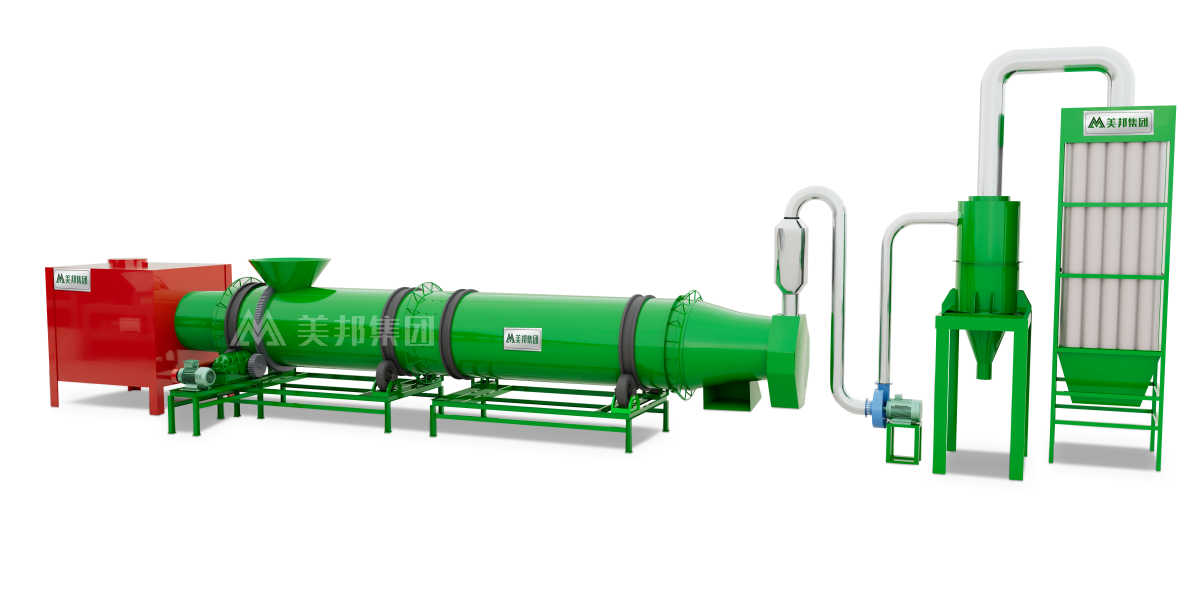
Following highly effective mechanical dewatering, the damp coco pith must be thoroughly dried to prevent destructive mold growth during shipping. International agricultural standards generally require commercial coco peat to achieve a final moisture content ranging strictly between fifteen and twenty percent. We seamlessly integrate continuous rotary dryers that systematically tumble the material through a heated cylindrical drum to evaporate residual moisture.
This precise dewatering process ensures the subsequent drying stage consumes far less thermal energy, substantially reducing your overall production costs. When the belt filter press successfully removes the maximum amount of mechanical water, your rotary dryer requires significantly less fuel. Lowering your daily fuel consumption directly increases your financial profit margins and drastically reduces the carbon footprint of your operations. Our specialized rotary dryers feature intelligent temperature control sensors to prevent accidental burning or charring of the valuable organic fibers.
Phase Six: High-Pressure Compaction and Packaging
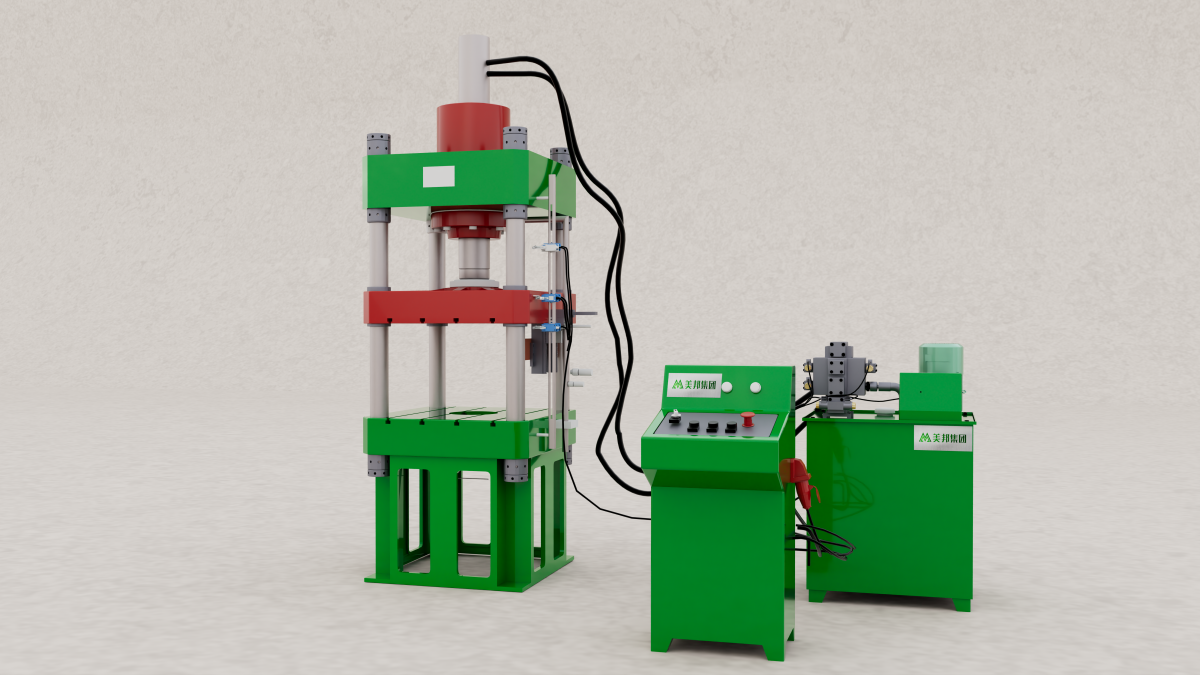
The final stage of the manufacturing process involves compressing the refined, thoroughly dried coco pith into standardized, market-ready blocks. Transporting loose, uncompressed coco peat is economically unviable due to its extremely low bulk density and remarkably high shipping volume. Manufacturers must maximize the total weight they can effectively pack into standard shipping containers to ensure international export profitability.
Compressing Coir into Commercial Blocks
Our automated briquette presses aggressively compress the refined material into standardized five-kilogram blocks or tailored hydroponic grow bags. These heavy-duty hydraulic presses apply immense pressure to achieve impressive compression ratios, often reaching up to five to one. Remarkably, this intense physical compaction secures the material without permanently damaging the delicate internal cellular structure of the coco pith.
Standardized compaction ensures absolute maximum container loading efficiency, allowing you to export your products globally with highly optimized shipping costs. Furthermore, automated packaging lines immediately wrap the compressed blocks in protective plastic film, safeguarding the product from environmental moisture absorption.
Integrating Smart PLC Automation for Maximum ROI
Investing in a fully automated coco peat production line delivers an exceptionally rapid return on investment for forward-thinking manufacturers. We equip our complete production lines with centralized PLC (Programmable Logic Controller) systems featuring intuitive touchscreen operator interfaces. This smart automation continuously monitors motor loads, drying temperatures, and hydraulic pressures across the entire manufacturing facility in real time.
By drastically reducing manual labor requirements, your facility can safely operate continuous twenty-four-hour production shifts without suffering from human fatigue. Furthermore, the substantial energy savings generated by our advanced belt filter presses and intelligent rotary dryers continually compound over time. This holistic approach to automation minimizes costly operational downtime, eliminates human error, and guarantees consistently superior agricultural products.
Your Trusted Global Partner in Industrial Manufacturing
Headquartered in Guangzhou, China, our modern manufacturing facility has successfully delivered over three hundred industrial equipment solutions globally. Exporting cutting-edge machinery to more than one hundred countries, we deeply understand the diverse requirements of the international coir processing industry. From customized equipment design to final factory installation and operator training, we provide comprehensive support for your business venture.
Our fifteen years of accumulated research and development guarantee that every single machine we build offers exceptional durability and performance. We exclusively utilize premium components, heavy-duty steel framing, and corrosion-resistant materials to ensure reliable operation in challenging tropical climates. Contact our technical engineering team today to customize a high-efficiency coco peat production line tailored specifically for your facility requirements. Let us provide the advanced industrial technology you need to maximize your operational yield and dominate the global agricultural substrate market.