
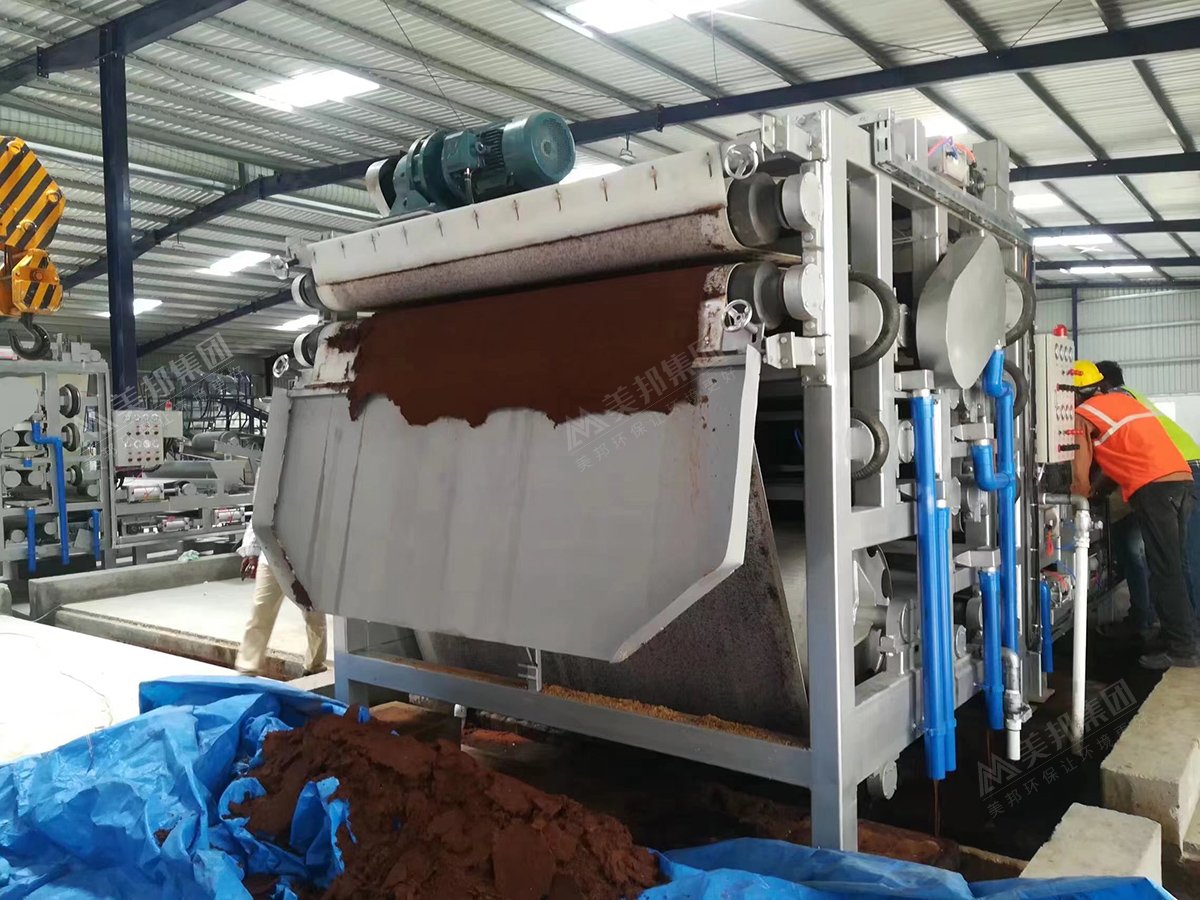
Introduction
The coco peat manufacturing process is an essential part of producing high-quality growing media for modern agriculture and horticulture. Coco peat, also known as coir pith, is a natural by-product obtained from coconut husks during the extraction of coconut fiber.
Due to its excellent water retention, aeration, and eco-friendly characteristics, coco peat has become one of the most popular substrates used in greenhouse cultivation, hydroponic farming, and nursery planting worldwide.
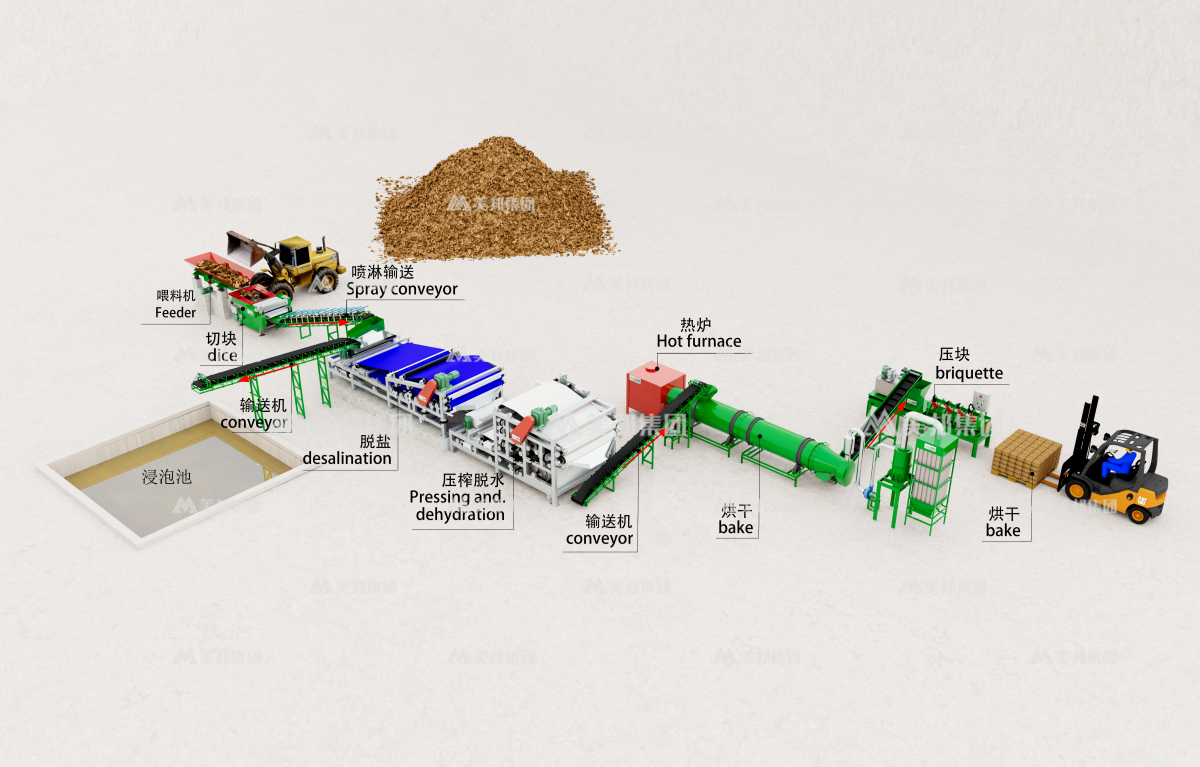
A modern coco peat production line involves several important stages, including crushing, washing, desalination, dewatering, drying, screening, and block compression. Each step ensures that the final product meets international quality standards required by global horticultural markets.
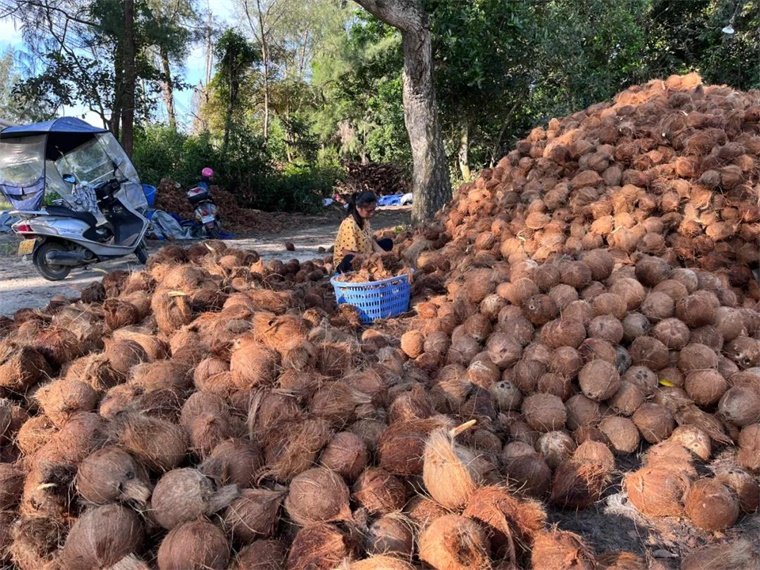
Raw Material for Coco Peat Manufacturing
The raw material for coco peat production comes from coconut husks. After coconut fibers are extracted for rope, mats, and other fiber products, the remaining material is collected as coir dust or coco peat.
Fresh coco peat usually contains:
- high moisture content
- salts and impurities
- irregular particle sizes
- remaining coconut fibers
Therefore, a complete coco peat processing system is required to transform the raw material into a stable, export-grade horticultural substrate.
Coco Peat Crushing and Processing
The first step in the coco peat manufacturing process is crushing and fiber separation.
Raw coco peat is fed into a crusher or fiber opening machine. This equipment breaks large lumps into smaller particles while separating long fibers from the coco peat powder.
The advantages of this stage include:
- improving particle uniformity
- removing unwanted fibers
- preparing material for washing and desalination
Efficient crushing equipment is an important component of a professional coco peat processing line.
Washing and Desalination
For horticultural applications, coco peat must have a low salt content. Therefore, washing and desalination are crucial steps in the coco peat production process.
During this stage:
- Coco peat is soaked or sprayed with clean water.
- Excess salts dissolve and are washed away.
- The material becomes suitable for agricultural use.
Export markets often require strict EC (electrical conductivity) levels. Proper washing ensures that the coco peat meets international quality standards.
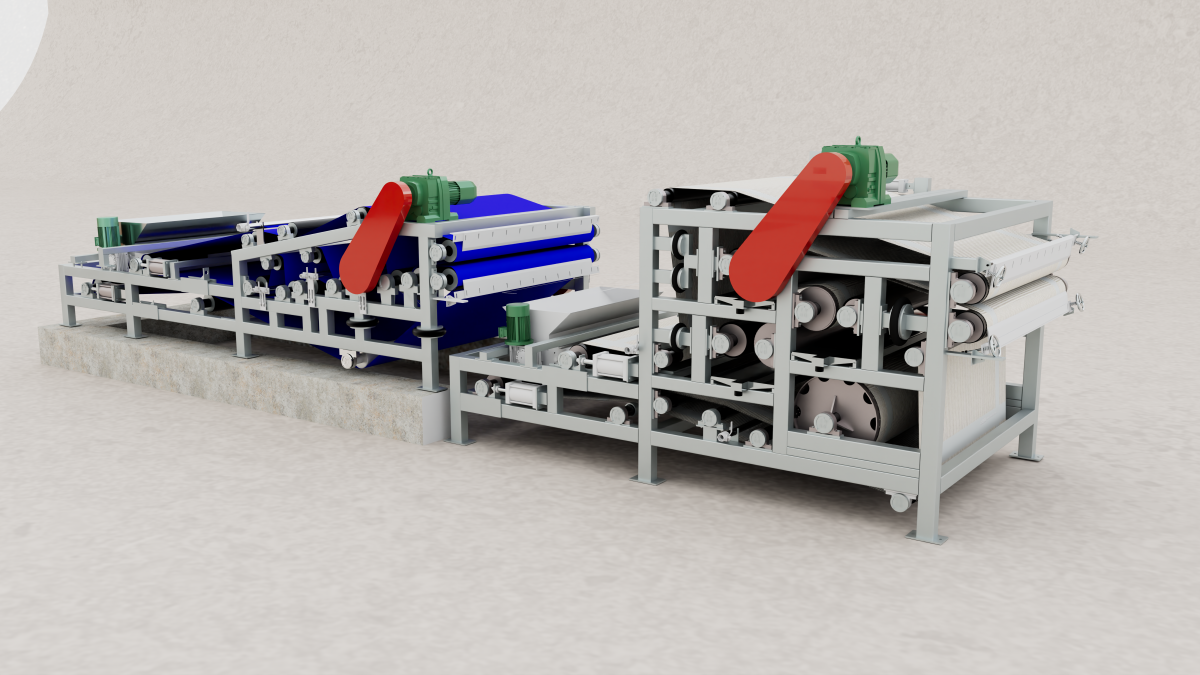
Coco Peat Dewatering Process
After washing, the material contains a large amount of water. To reduce moisture efficiently, manufacturers use a coco peat dewatering machine.
Common types of dewatering equipment include:
- screw press dewatering machines
- hydraulic presses
- belt filter presses
These machines remove most of the free water from the material, significantly reducing moisture content before drying.
A reliable coco peat dewatering process helps reduce drying costs and improves the overall efficiency of the coco peat production line.
Coco Peat Drying and Moisture Control
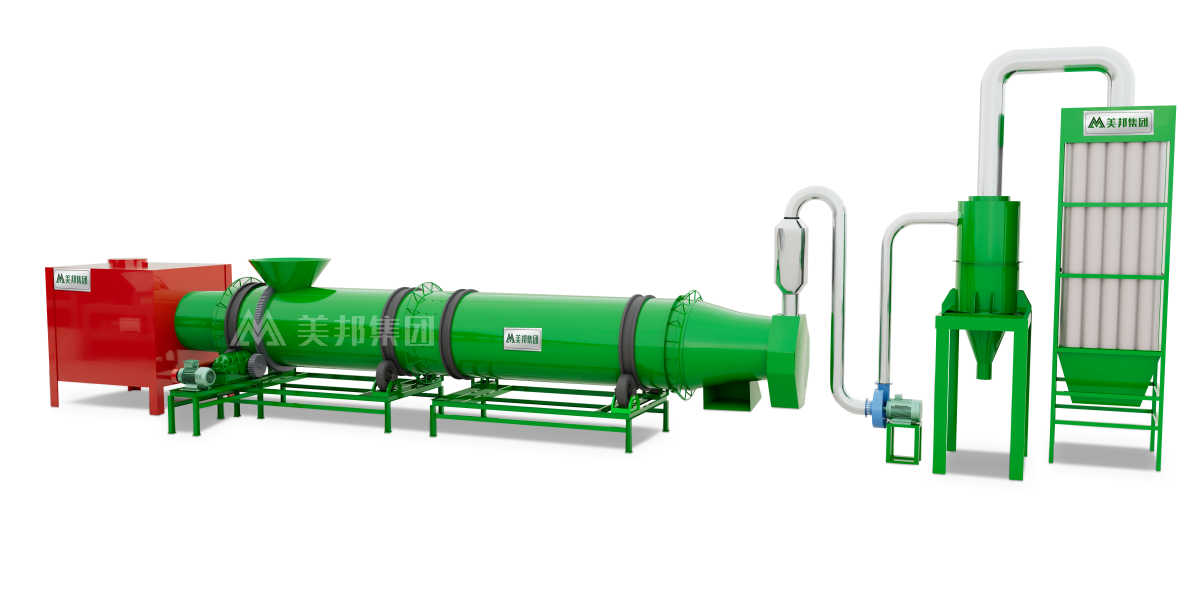
After dewatering, the coco peat must be dried to reach the ideal moisture level for storage and export.
There are several common coco peat drying methods:
- natural sun drying
- greenhouse drying
- rotary or mechanical dryers
Proper drying ensures that the coco peat remains stable during transportation and long-term storage.
Maintaining the correct moisture level is particularly important for compressed coco peat products.
Screening and Quality Grading
Once the coco peat is dried, it is passed through screening machines to separate different particle sizes.
Screening allows manufacturers to produce different grades of coco peat, including:
- fine coco peat powder
- medium horticultural substrate
- coarse coco growing medium
This step improves product consistency and allows suppliers to meet the needs of various agricultural applications.
Coco Peat Block Making Process
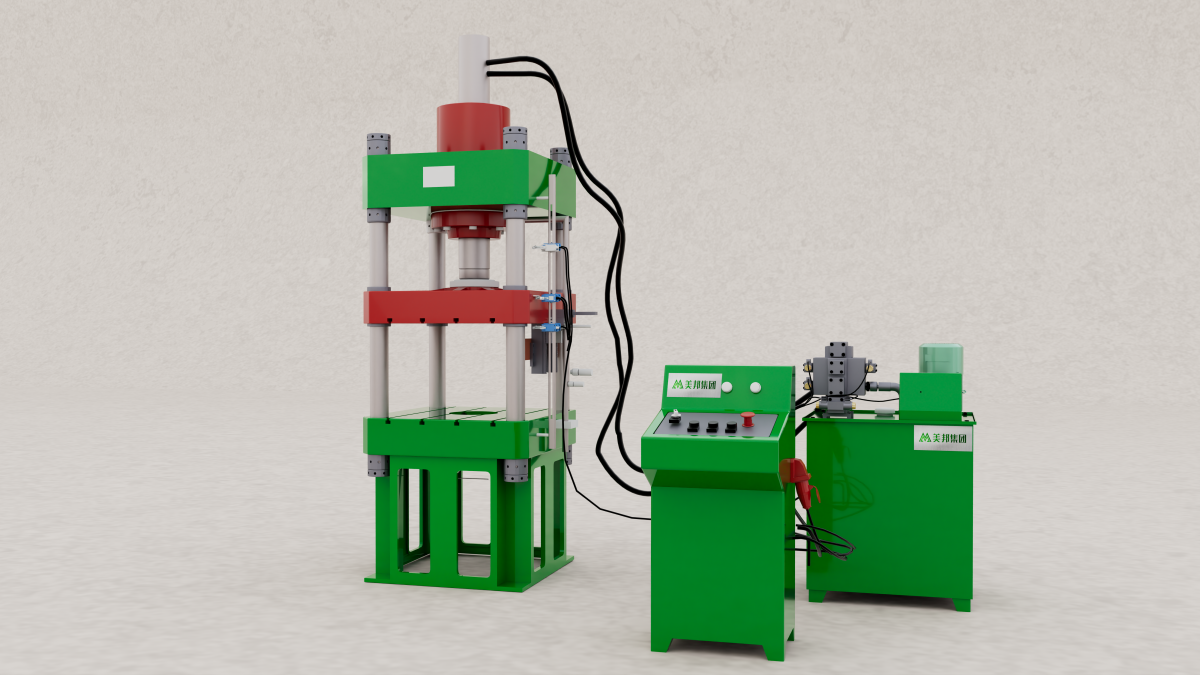
The final stage of the coco peat manufacturing process is compression.
Loose coco peat is fed into a coco peat block machine, which compresses the material into compact blocks or bricks.
Common product formats include:
- 650 g coco peat bricks
- 5 kg coco peat blocks
- coco peat grow bags
- customized compressed blocks
Compression greatly reduces transportation volume and shipping costs, making coco peat easier to export globally.
Automated Coco Peat Production Line
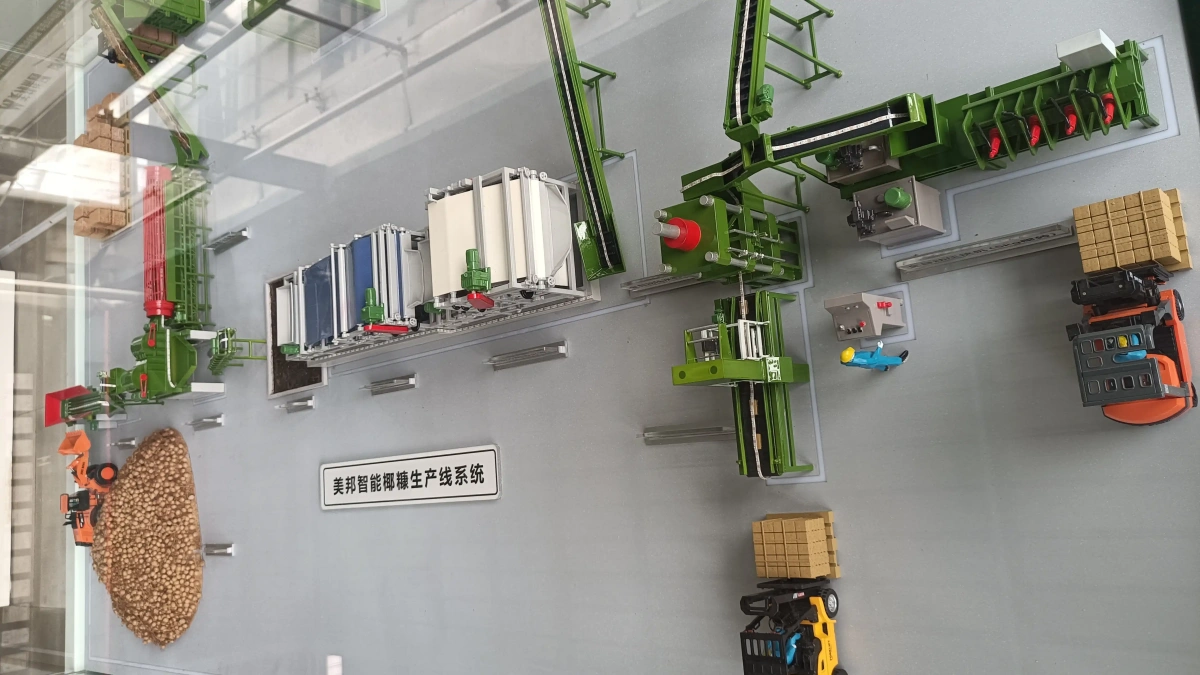
With the increasing demand for coco peat worldwide, many manufacturers are adopting automated coco peat production lines.
A complete system may include:
- coco peat crusher
- washing system
- coco peat dewatering machine
- drying equipment
- screening machine
- coco peat block machine
Automated production lines improve efficiency, reduce labor costs, and ensure consistent product quality.
For large-scale coco peat factories, automation is becoming the standard solution.
FAQ – Coco Peat Manufacturing Process
What is coco peat made from?
Coco peat is made from the powdery material left after coconut husks are processed to extract coconut fiber. It is a natural and renewable growing medium widely used in horticulture.
Why does coco peat need washing?
Raw coco peat often contains salts, especially when sourced from coastal regions. Washing removes excess salts and reduces EC levels, making the material safe for plant growth.
What moisture level is ideal for coco peat blocks?
For export and compression, coco peat usually needs to be dried to around 15–20% moisture content to ensure stable storage and transportation.
What machines are used in a coco peat production line?
A typical production line includes:
- crushing equipment
- washing system
- coco peat dewatering machine
- drying equipment
- screening machine
- coco peat block press
Conclusion
The coco peat manufacturing process involves several essential steps, including crushing, washing, dewatering, drying, screening, and compression. Each stage plays an important role in producing high-quality coco peat suitable for modern horticulture.
With the global demand for sustainable growing media continuing to increase, efficient coco peat production lines and processing equipment are becoming increasingly important for manufacturers who want to compete in international markets.
Investing in advanced coco peat processing technology not only improves product quality but also increases production efficiency and profitability.