
Introduction
Coco peat has become one of the most popular growing media in global horticulture due to its excellent water retention, aeration, and sustainability. As demand continues to grow in commercial agriculture and greenhouse cultivation, coco peat processing has developed into a profitable industry in many coconut-producing countries.
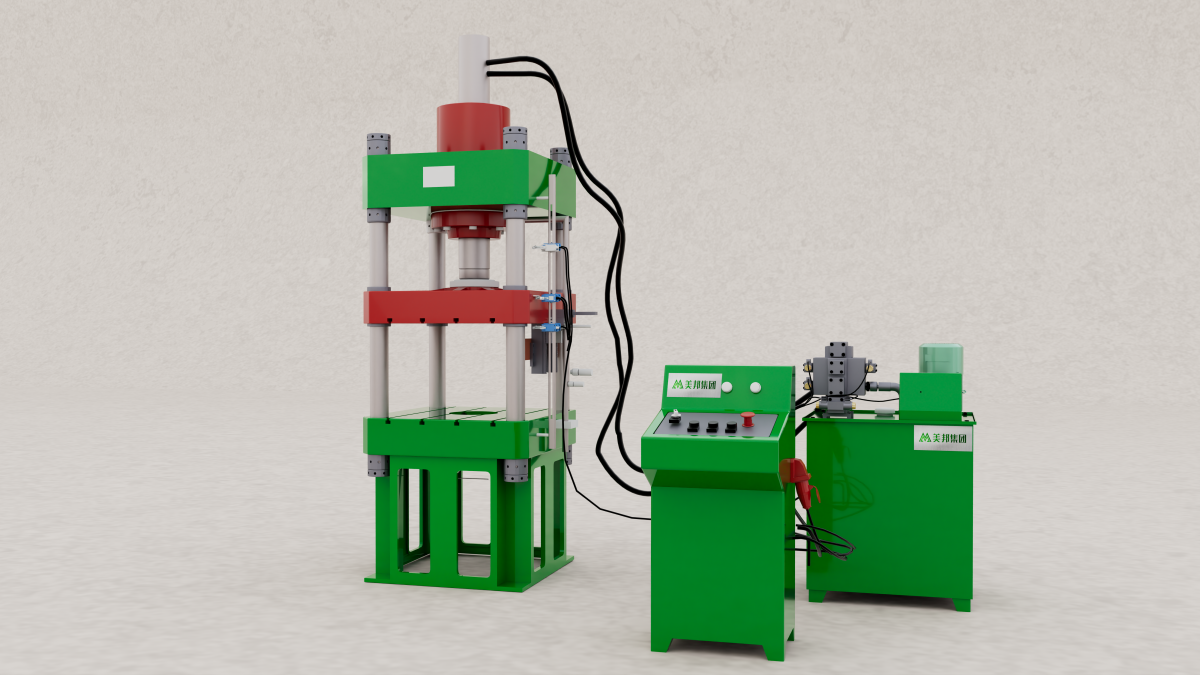
To improve transportation efficiency and storage convenience, coco peat is usually compressed into compact blocks or bricks. This process requires specialized equipment known as a coco peat block making machine.
In this article, we will explain the coco peat block production process, the key equipment used in a coco peat production line, and how manufacturers can improve production efficiency.
What Is a Coco Peat Block?
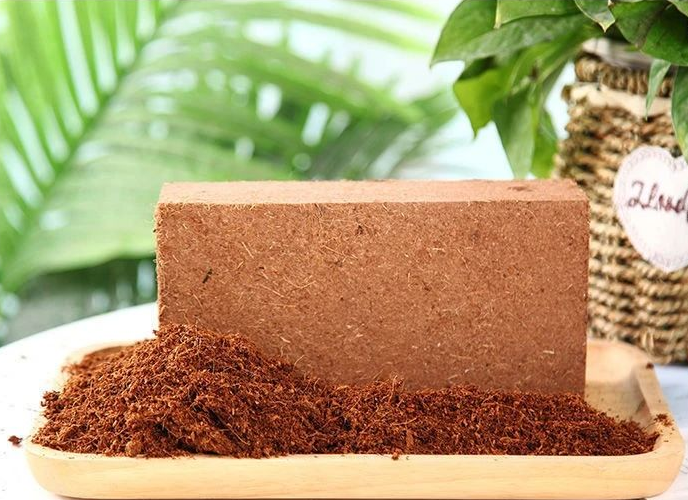
A coco peat block is a compressed form of dried coco peat made using hydraulic compression equipment.
Common commercial sizes include:
- 5 kg coco peat block
- 650 g coco peat brick
- 25 kg coco peat bale
After soaking in water, these compressed blocks expand several times their original volume, making them highly convenient for transportation and storage.
Because of these advantages, coco peat blocks are widely exported to markets such as Europe, the United States, the Middle East, and Australia.
Coco Peat Block Production Process
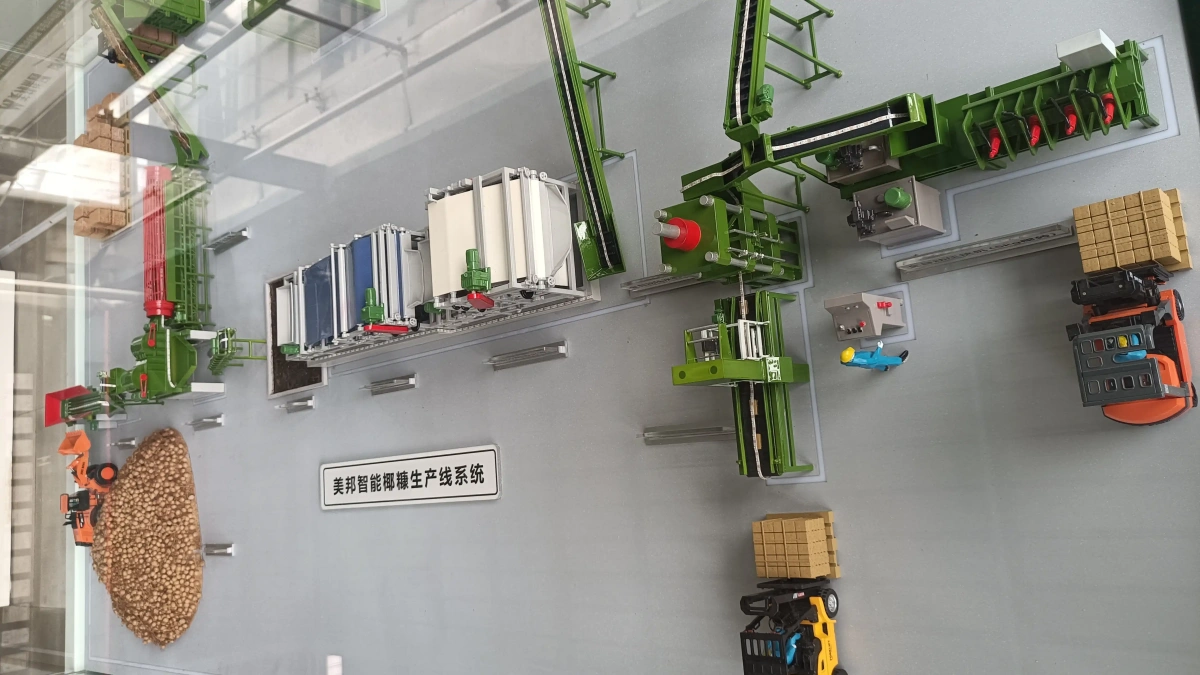
The production of coco peat blocks involves several processing stages. A complete coco peat processing line typically includes crushing, washing, dewatering, drying, screening, and compression.
1. Coconut Husk Crushing and Fiber Separation
The raw material for coco peat production is coconut husk.
A coconut husk crusher or fiber extraction machine separates the husk into:
- Coco fiber
- Coco peat powder
Coco peat powder becomes the primary material used for block production.
2. Coco Peat Washing and Desalting
Fresh coco peat often contains salts and impurities that can affect plant growth.
Therefore, washing and desalting are important steps in the coco peat processing plant. This process reduces the EC (electrical conductivity) value and improves the quality of coco peat for horticultural use.
Typical equipment used in this stage includes:
- Washing tanks
- Screw conveyors
- Water recycling systems
3. Coco Peat Dewatering
After washing, coco peat contains high moisture content, which makes drying inefficient.
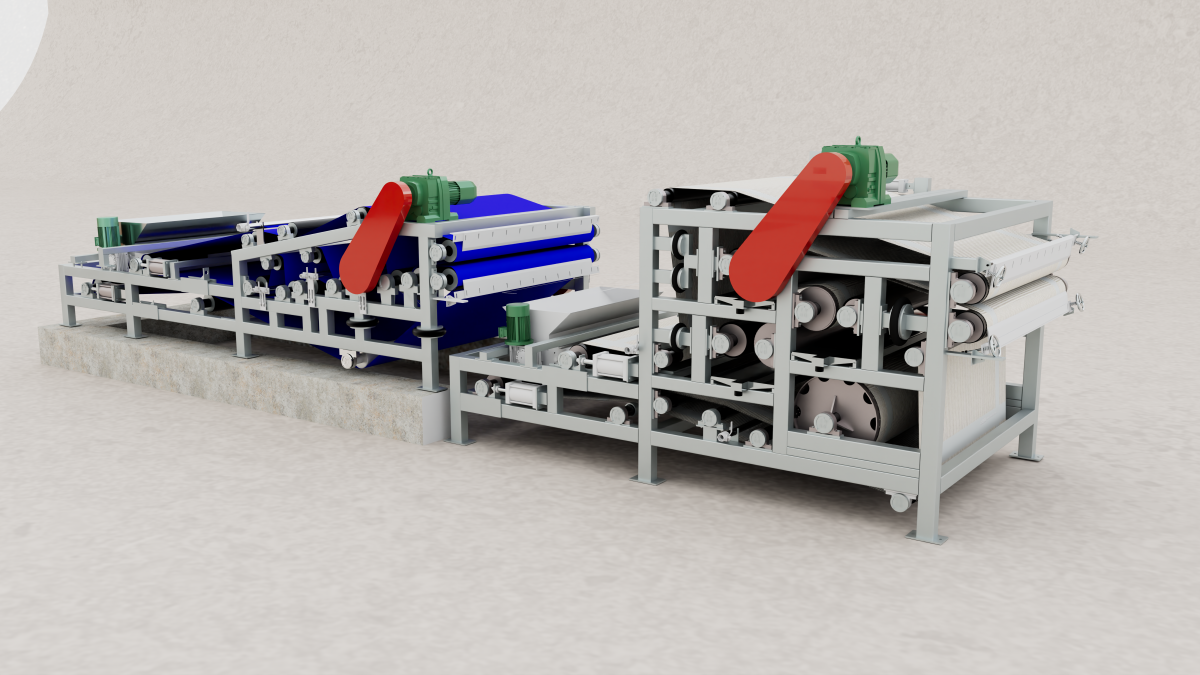
A coco peat dewatering machine is used to mechanically remove excess water before the drying stage. Mechanical dewatering significantly improves drying efficiency and reduces energy consumption.
This equipment is widely used in modern coco peat production lines.
4. Coco Peat Drying
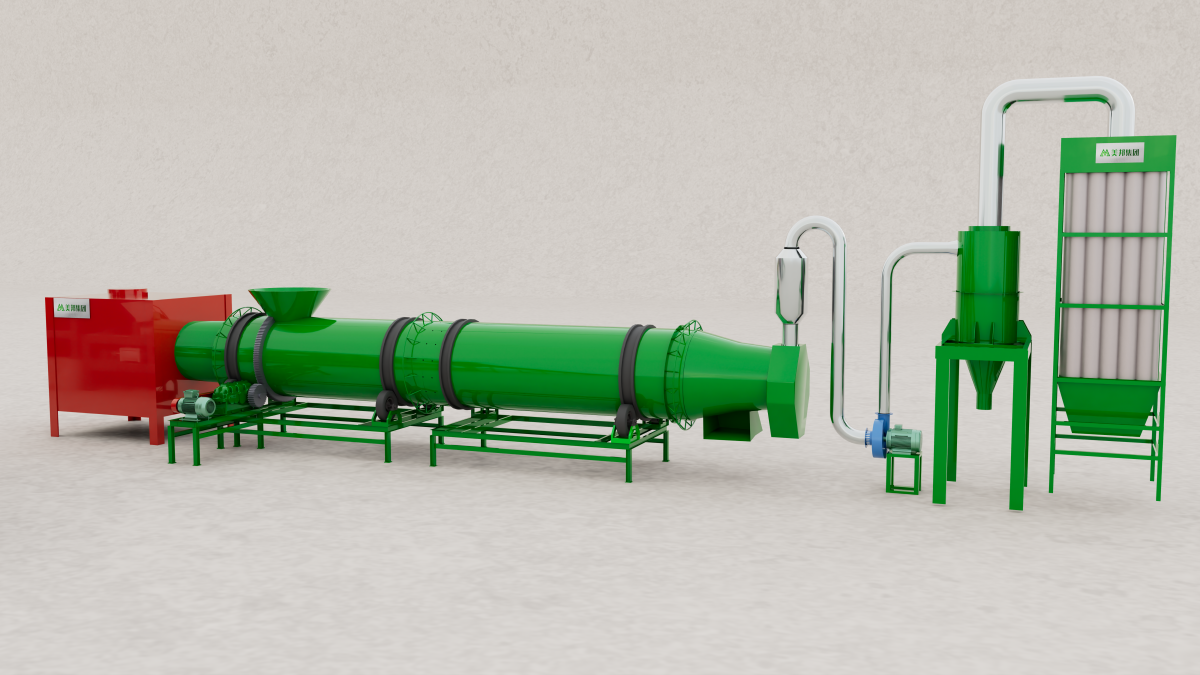
To achieve proper compression, the moisture content of coco peat must usually be reduced to about 15–20%.
Two drying methods are commonly used in coco peat processing plants.
Natural Sun Drying
- Low investment cost
- Suitable for small-scale factories
- Dependent on weather conditions
Mechanical Drying
- Rotary dryer
- Belt dryer
- Stable production capacity
Large coco peat factories often use mechanical dryers to ensure consistent production.
5. Screening and Quality Control
After drying, the coco peat is screened to remove large fibers and impurities.
Screening ensures:
- Uniform particle size
- Stable product quality
- Better compression performance
This step is important for producing high-quality coco peat blocks for export.
6. Coco Peat Block Compression
The final stage of the process uses a coco peat block making machine to compress the dried coco peat into compact blocks.
This machine typically uses a hydraulic system to apply high pressure, forming uniform blocks or bricks.
Key features of modern block machines include:
- High compression efficiency
- Adjustable block sizes
- Stable hydraulic operation
- Optional automatic feeding systems
After compression, the blocks are packaged and prepared for export.
Types of Coco Peat Block Making Machines
Different coco peat processing plants require different machine configurations depending on production capacity.
Manual Coco Peat Block Machine
Suitable for small workshops with limited production requirements.
Features:
- Simple structure
- Low investment cost
- Small output capacity
Semi-Automatic Block Machine
Suitable for medium-scale coco peat production plants.
Advantages:
- Higher production efficiency
- More stable block quality
- Reduced labor requirements
Fully Automatic Coco Peat Block Production Line
Large export-oriented factories often choose fully automatic production lines.
Features include:
- Automatic feeding system
- Continuous compression
- Automatic stacking and packaging
These systems significantly increase production capacity and reduce labor costs.
Advantages of Coco Peat Block Production
Producing compressed coco peat blocks offers several economic and logistical advantages.
Lower Transportation Costs
Compressed blocks significantly reduce shipping volume.
Higher Storage Efficiency
Blocks require less warehouse space.
Stable Product Quality
Hydraulic compression ensures consistent block density and expansion performance.
Strong Export Demand
Coco peat blocks are widely used in commercial horticulture and hydroponic cultivation worldwide.
Choosing the Right Coco Peat Block Making Machine
When selecting equipment for a coco peat block production plant, manufacturers should consider several factors:
- Production capacity
- Automation level
- Raw material moisture content
- Available factory space
- Energy consumption
A well-designed coco peat production line ensures stable operation, high productivity, and consistent product quality.
Conclusion
With the growing global demand for sustainable growing media, coco peat block production has become a promising industry in many coconut-producing regions.
By using advanced equipment such as coco peat crushers, dewatering machines, dryers, and coco peat block making machines, manufacturers can build efficient production lines that improve productivity and product quality.
A complete and well-designed coco peat block production line not only reduces processing costs but also helps manufacturers meet the increasing demand of the international horticulture market.
Coco Peat Production Line Solutions
If you are planning to start a coco peat processing plant or expand your current factory, selecting the right equipment is essential.
Our engineering team provides customized coco peat production line solutions, including:
- Coconut husk crushing machines
- Coco peat washing systems
- Coco peat dewatering machines
- Coco peat drying equipment
- Coco peat block making machines
Contact us to get professional equipment recommendations based on your raw materials and production capacity.