
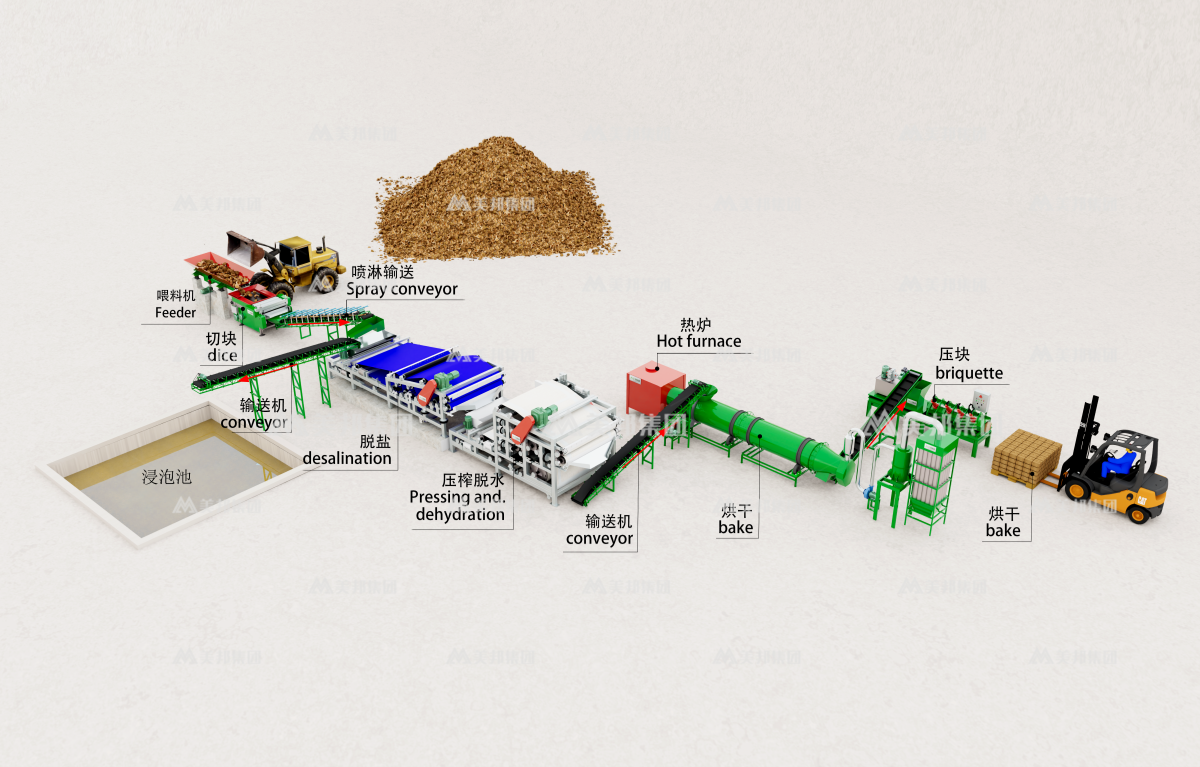
Coco Peat Processing Equipment List: A Comprehensive Guide for Manufacturers & Exporters
Coco peat, also known as coco coir pith, has become a globally sought-after growing medium due to its excellent water retention, aeration properties, and eco-friendly nature. As the demand for high-quality coco peat continues to rise—driven by the expansion of sustainable agriculture, horticulture, and soilless cultivation—the need for efficient coco peat processing equipment has never been greater. Whether you’re a small-scale producer or a large enterprise looking to tap into the global coco peat export market, having the right machinery is critical to ensuring product quality, reducing operational costs, and meeting international standards. This coco peat processing equipment list outlines all essential machines for coco peat processing, their functions, and why they are indispensable for a smooth, profitable coco peat processing operation that supports successful coco peat export.
Core Coco Peat Processing Equipment: From Raw Coconut Husks to Finished Products
Coco peat processing is a multi-step process that transforms raw coconut husks into the fine, nutrient-rich substrate used in gardening, agriculture, and hydroponics. Each step in coco peat processing requires specialized equipment to ensure efficiency and consistency—from separating coco peat from coconut fibers to drying, cleaning, and compressing the final product. Below is a detailed breakdown of the key machinery in any coco peat production line, including the vital role of coco peat dehydration machines and coco peat dehydration equipment in producing export-grade products that meet the demands of coco peat export markets.
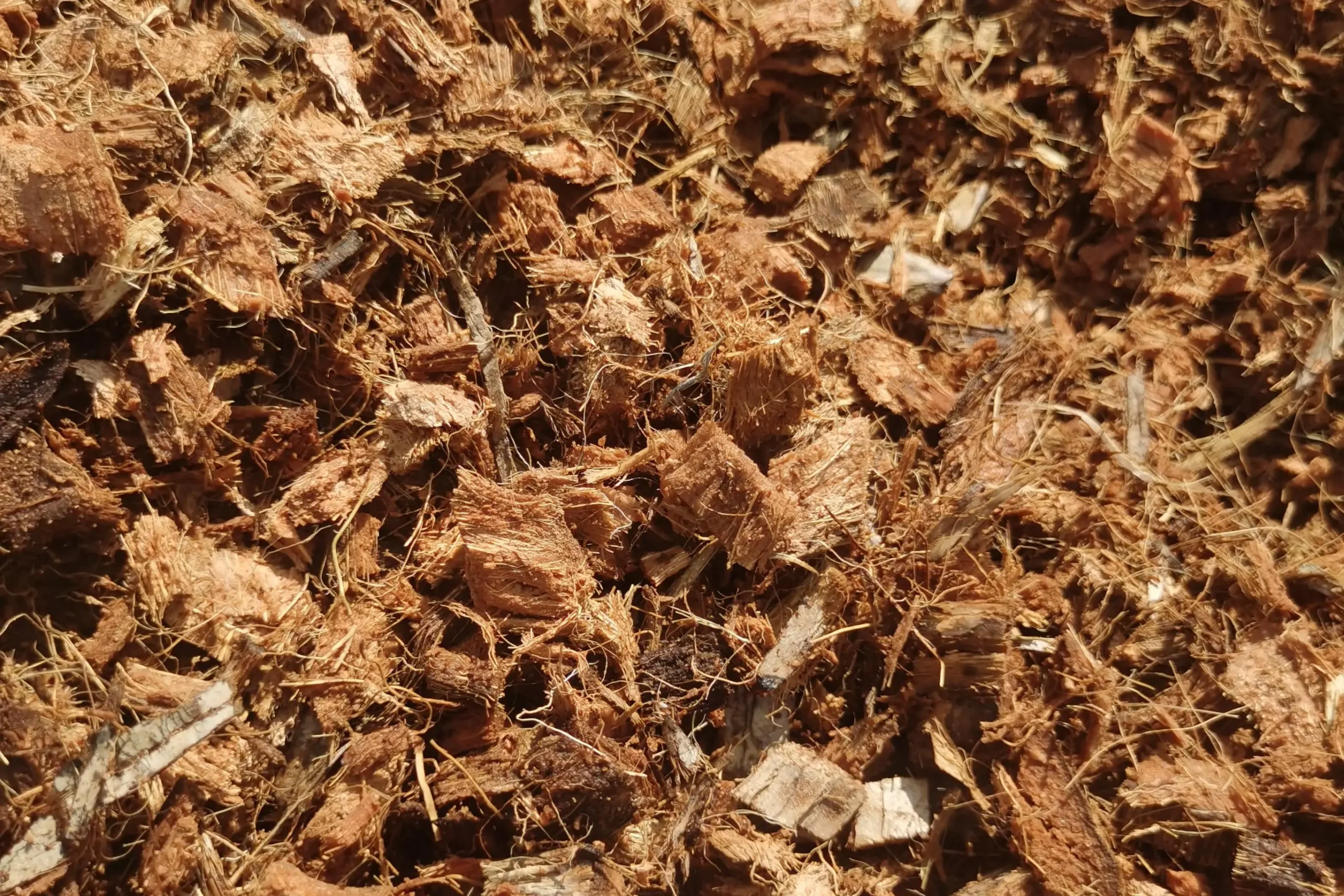
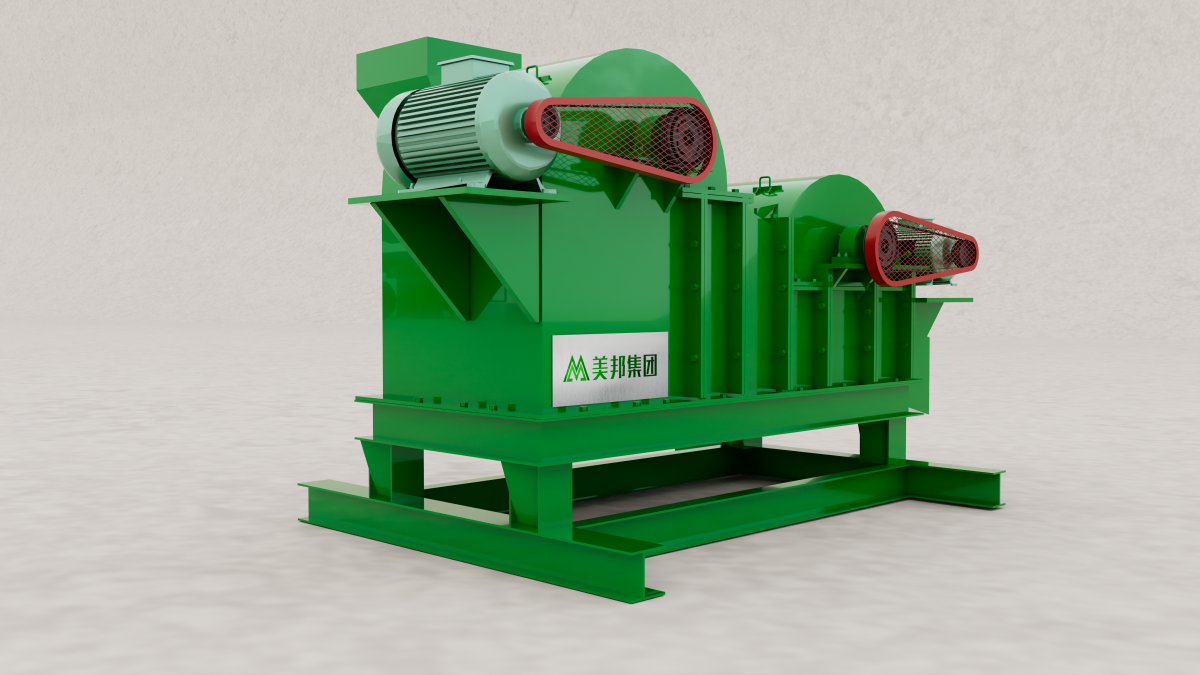
Coconut Husk Crushing Machine
The first step in coco peat processing is breaking down raw coconut husks into smaller pieces, which makes it easier to separate the fibrous material from the coco peat. A coconut husk crushing machine uses sharp blades or hammer mills to grind husks into manageable fragments. This machine is the foundation of any coco peat production line, as it ensures that the husks are properly prepared for subsequent coco peat processing steps. Without efficient crushing, the separation of coco peat from fibers becomes time-consuming and labor-intensive, reducing overall productivity— a key consideration for businesses aiming to scale up their coco peat export capacity and optimize their coco peat processing operations.
Coco Peat Separation Machine
After crushing, the next critical step in coco peat processing is separating the coco peat (the fine, spongy pith) from the coarse coconut fibers. A coco peat separation machine uses screens, air blowers, or rotating drums to separate these two components. The separated fibers can be repurposed for other products like coir mats or ropes, while the coco peat moves forward in the coco peat production line. This machine ensures that the final coco peat product is free from large fiber impurities, which is essential for meeting the quality standards required for coco peat export. High-quality separation also improves the performance of subsequent coco peat processing equipment, such as coco peat dehydration machines and coco peat dehydration equipment.
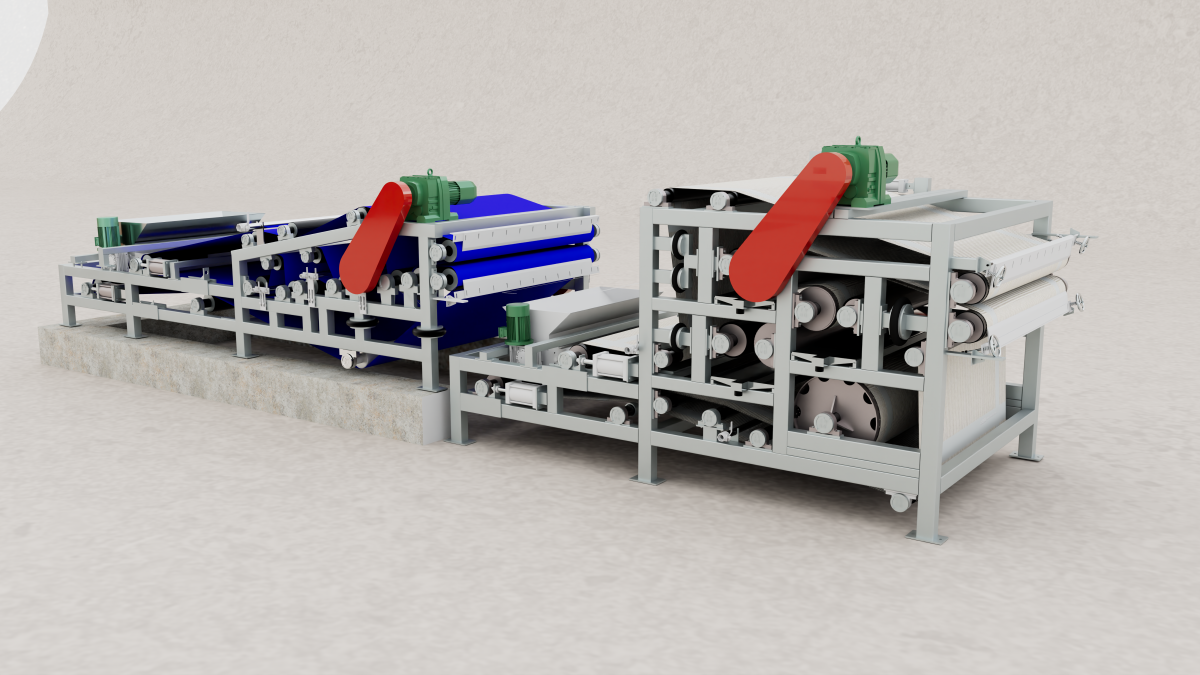
Coco Peat Dehydration Machine & Coco Peat Dehydration Equipment
One of the most critical pieces of equipment in coco peat processing is the coco peat dehydration machine, also referred to as coco peat dehydration equipment. Freshly separated coco peat contains high levels of moisture (often 60-70%), which makes it prone to mold growth, difficult to transport, and unsuitable for storage or coco peat export. Coco peat dehydration equipment removes excess moisture, reducing the moisture content to a safe level (typically 12-15%) that meets international export standards. These coco peat dehydration machines use mechanical pressing, centrifugal force, or hot air drying to extract moisture efficiently, a key step in coco peat processing for export. Investing in high-quality coco peat dehydration equipment not only ensures product longevity but also reduces transportation costs—drier coco peat is lighter, meaning more product can be shipped per container, boosting profitability for coco peat export businesses and optimizing their coco peat production line efficiency.
Washing and Desalination Equipment
Raw coco peat often contains high levels of salts, which can be harmful to plants if not removed— a critical concern for coco peat processing aimed at coco peat export. Washing and desalination equipment is essential for producing high-quality coco peat that meets the strict standards of global coco peat export markets, especially for horticultural and agricultural use. This equipment uses fresh water to rinse the coco peat, flushing out excess salts and impurities. Some advanced systems also include pH adjustment features to optimize the coco peat’s acidity, making it more suitable for different types of plants. For coco peat export, this step is non-negotiable—many countries have strict limits on salt content in imported coco peat, and substandard products may be rejected at customs. This equipment works in tandem with coco peat dehydration machines and other coco peat processing equipment to ensure the final product is both dry and pure, ready for the coco peat production line’s next steps.
Drying Machine
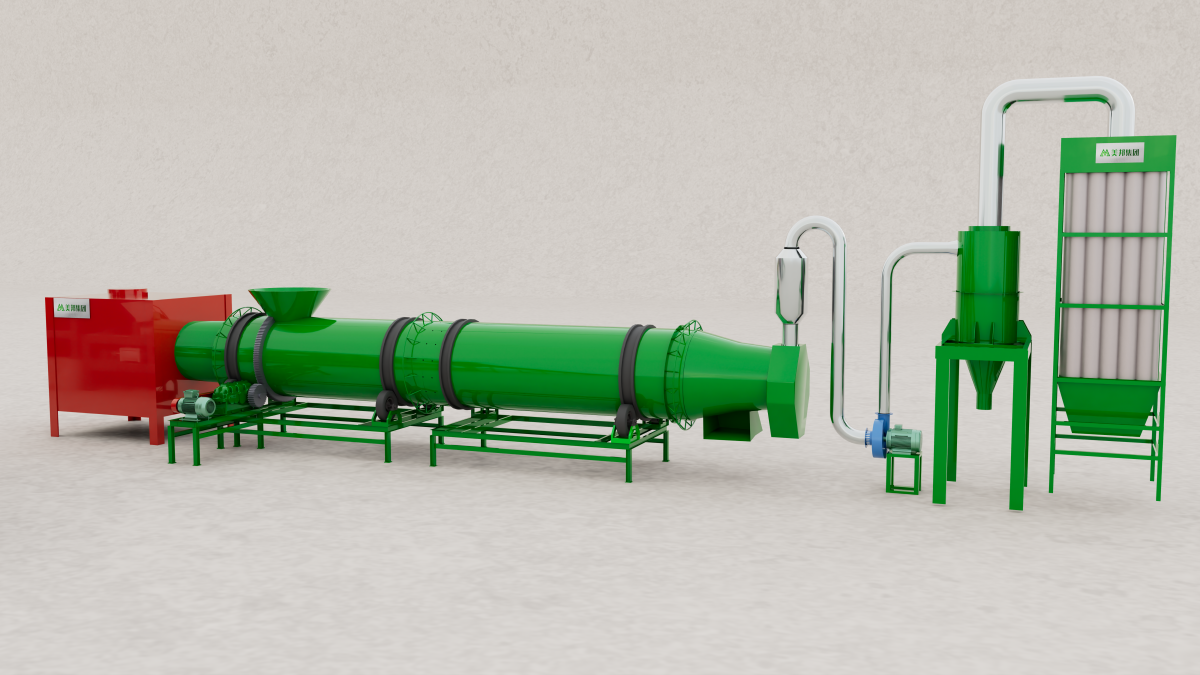
After dehydration and washing, a drying machine further reduces the moisture content of the coco peat to the desired level, a key step in coco peat processing for export. While coco peat dehydration equipment removes most excess moisture, a drying machine ensures consistency and prevents any residual moisture from causing spoilage—critical for coco peat export, as products must withstand long shipping times. These machines use hot air circulation, solar drying, or rotary drum drying to evenly dry the coco peat. Rotary drum dryers are particularly popular in large-scale coco peat production lines, as they can handle high volumes of material efficiently and ensure uniform drying, supporting smooth coco peat processing operations. Proper drying is crucial for coco peat export, as it extends the product’s shelf life and prevents mold growth during long-distance shipping, maintaining the quality required for global markets.
Grinding and Sieving Machine
To achieve the fine, uniform texture that customers demand—especially in coco peat export markets—coco peat undergoes grinding and sieving as part of the coco peat processing process. A grinding machine breaks down any large clumps of coco peat into a fine powder, while a sieving machine removes any remaining impurities or coarse particles. This step ensures that the final product has a consistent texture, which is essential for its performance as a growing medium and for meeting coco peat export quality standards. For coco peat export, uniform texture is a key quality metric—buyers expect consistent products that can be easily mixed with other substrates or used directly in pots and greenhouses. This equipment also allows manufacturers to produce different grades of coco peat, catering to various market needs and enhancing their coco peat production line’s versatility for coco peat export.
Compression and Packaging Machine
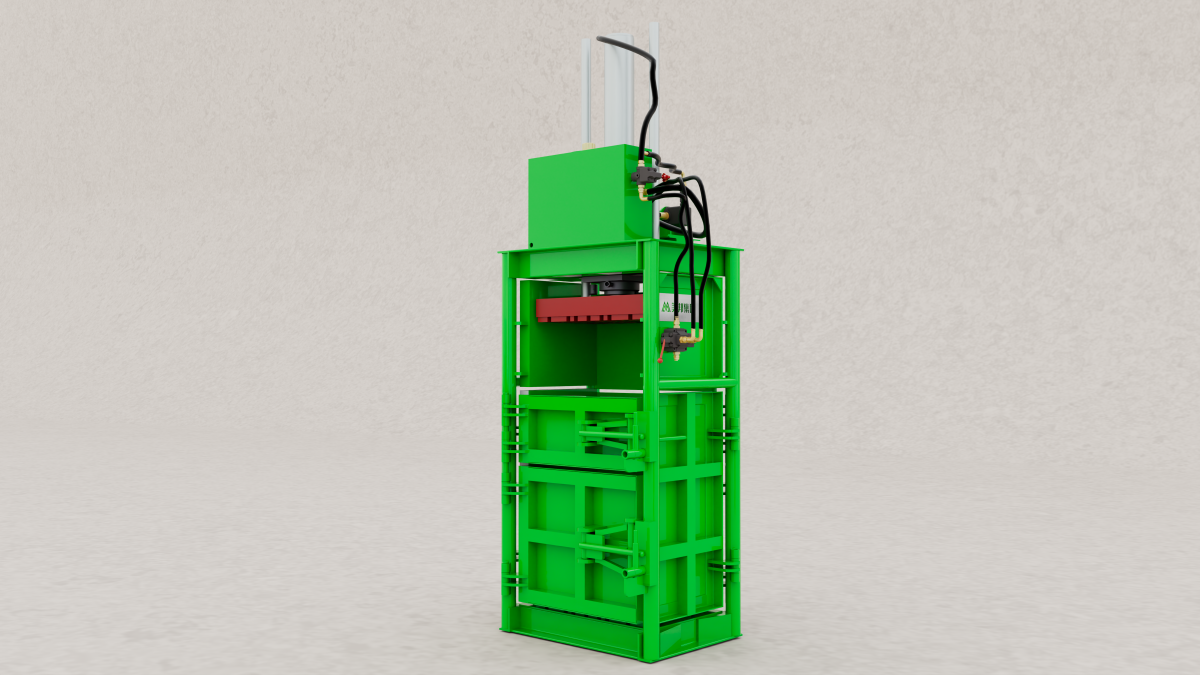
The final step in coco peat processing is compression and packaging, a vital stage for coco peat export. Compression machines compress the dry coco peat into blocks, briquettes, or discs, reducing its volume by up to 70%. This not only makes storage and transportation more efficient but also reduces shipping costs— a critical factor for coco peat export businesses looking to optimize their coco peat production line. Packaging machines then wrap the compressed coco peat in waterproof, UV-resistant packaging to protect it from moisture and damage during transit, preserving the quality achieved through careful coco peat processing. Proper packaging also includes labeling with essential information, such as moisture content, pH level, and country of origin, which is required for international trade. This equipment ensures that the coco peat reaches global coco peat export markets in perfect condition, maintaining its quality and appeal to buyers.
Complete Coco Peat Production Line: Integrating All Equipment for Maximum Efficiency
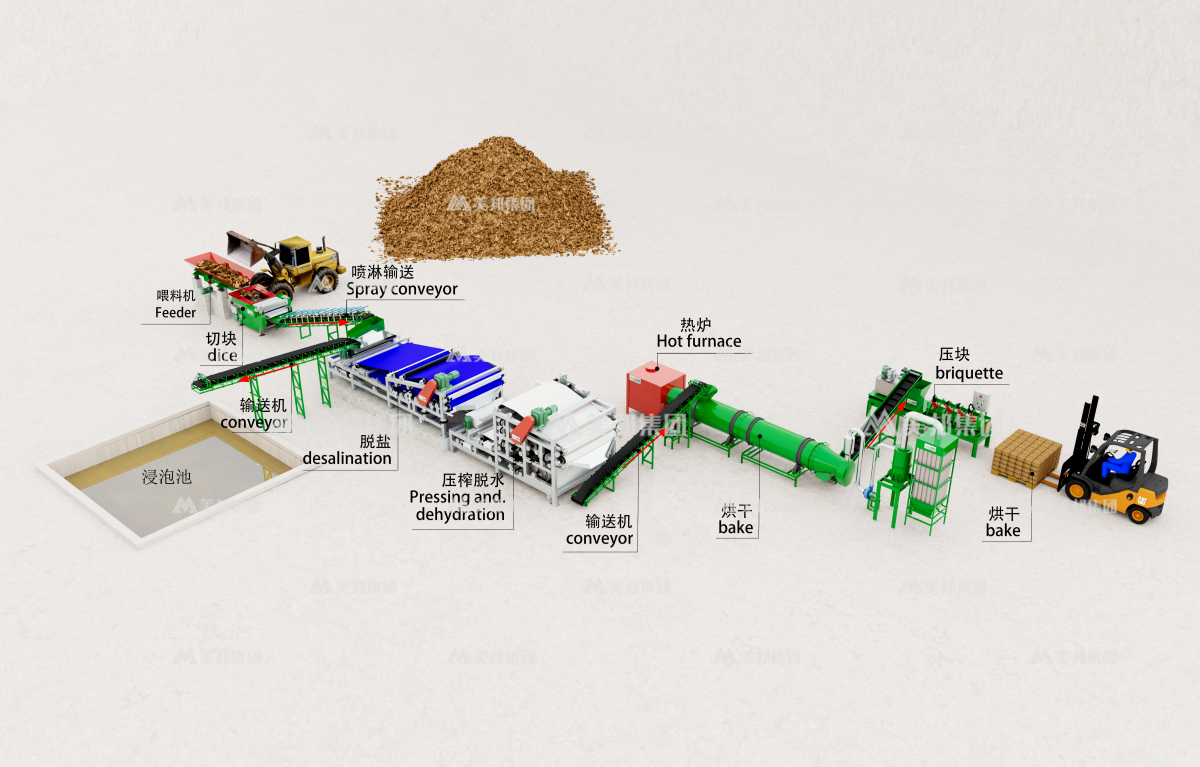
For businesses looking to scale up their coco peat processing operations and tap into the global coco peat export market, a complete coco peat production line is the best investment. A fully integrated coco peat production line combines all the above-mentioned coco peat processing equipment—from crushing and separation to dehydration, drying, grinding, and packaging—into a seamless workflow. This integration reduces labor costs, improves coco peat processing efficiency, and ensures consistent product quality, which is essential for competing in coco peat export markets. A well-designed coco peat production line can handle high volumes of raw coconut husks, producing large quantities of export-grade coco peat in a short period. Additionally, modern coco peat production lines often include automated controls, allowing operators to monitor and adjust each step of the coco peat processing process, further improving efficiency and reducing errors, which in turn supports more successful coco peat export.
Why Investing in Quality Coco Peat Processing Equipment Matters for Export
The global coco peat market is highly competitive, with countries like India, Sri Lanka, Indonesia, and Vietnam leading in coco peat export. To stand out in this market, manufacturers must prioritize product quality—and that starts with investing in high-quality coco peat processing equipment and a well-designed coco peat production line. Poorly processed coco peat, with high moisture content, impurities, or inconsistent texture, will not meet international standards and may be rejected by buyers, harming a business’s coco peat export efforts. In contrast, using reliable coco peat processing equipment—including efficient coco peat dehydration machines and a complete coco peat production line—ensures that your product is consistent, pure, and suitable for global coco peat export markets. This not only boosts your reputation as a trusted exporter but also increases your chances of securing long-term contracts with international buyers, solidifying your position in the coco peat processing and export industry.
Conclusion
A well-equipped coco peat processing operation is the key to success in the global coco peat market and successful coco peat export. From the initial crushing of coconut husks to the final packaging of compressed coco peat, each step in coco peat processing requires specialized equipment that works together to produce high-quality, export-ready products. This coco peat processing equipment list covers all essential machinery, with a focus on the critical role of coco peat dehydration machines and coco peat dehydration equipment in ensuring product quality and export readiness. By investing in the right coco peat processing equipment and integrating it into a complete coco peat production line, manufacturers can improve efficiency, reduce costs, and capitalize on the growing demand for coco peat worldwide. Whether you’re a new entrant or an established player in coco peat processing, having the right equipment and a well-optimized coco peat production line is essential to thriving in the competitive coco peat export industry.