
How to Choose a Belt Filter Press for Wastewater Treatment in India
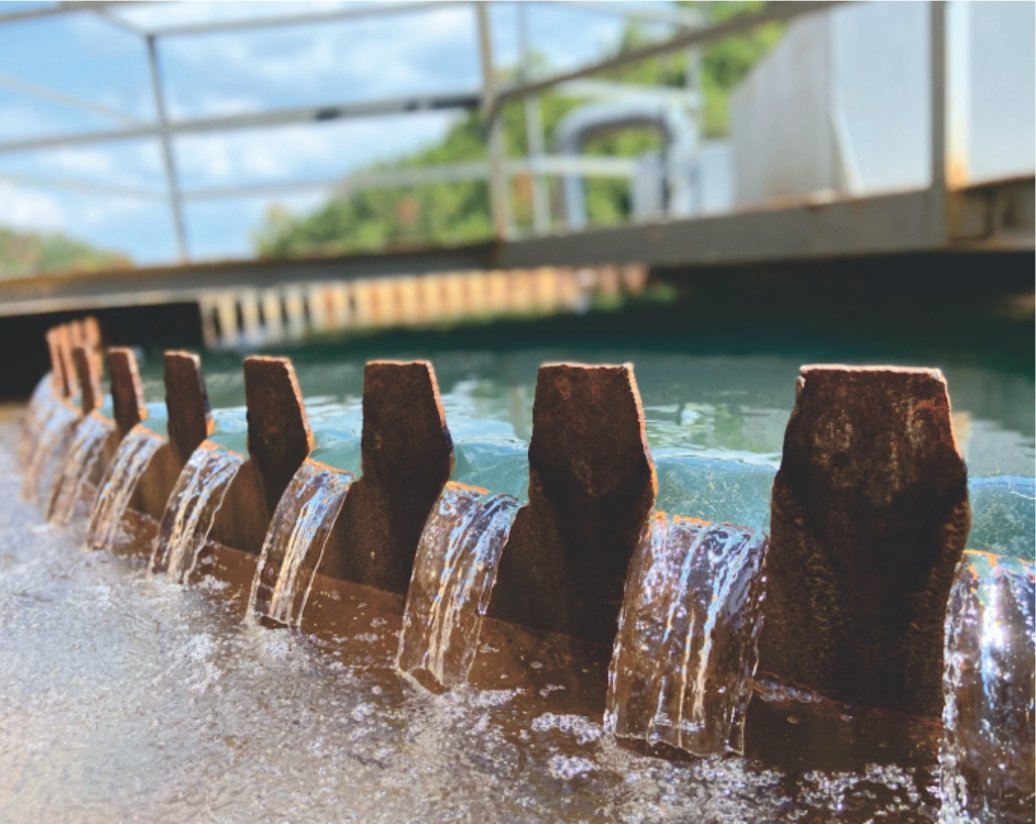
With rapid urbanization and industrial expansion in India, wastewater treatment has become a key environmental priority. Municipal sewage plants and industrial facilities generate large volumes of sludge that must be properly treated before disposal. One of the most widely used solutions for sludge dewatering is the belt filter press.
A belt filter press is valued for its continuous operation, stable performance, and relatively low operating cost. However, selecting the right machine requires careful evaluation of several technical and operational factors. This guide explains how wastewater treatment operators and engineers can choose the most suitable belt filter press for projects in India.

Understanding the Role of Belt Filter Presses in Wastewater Treatment
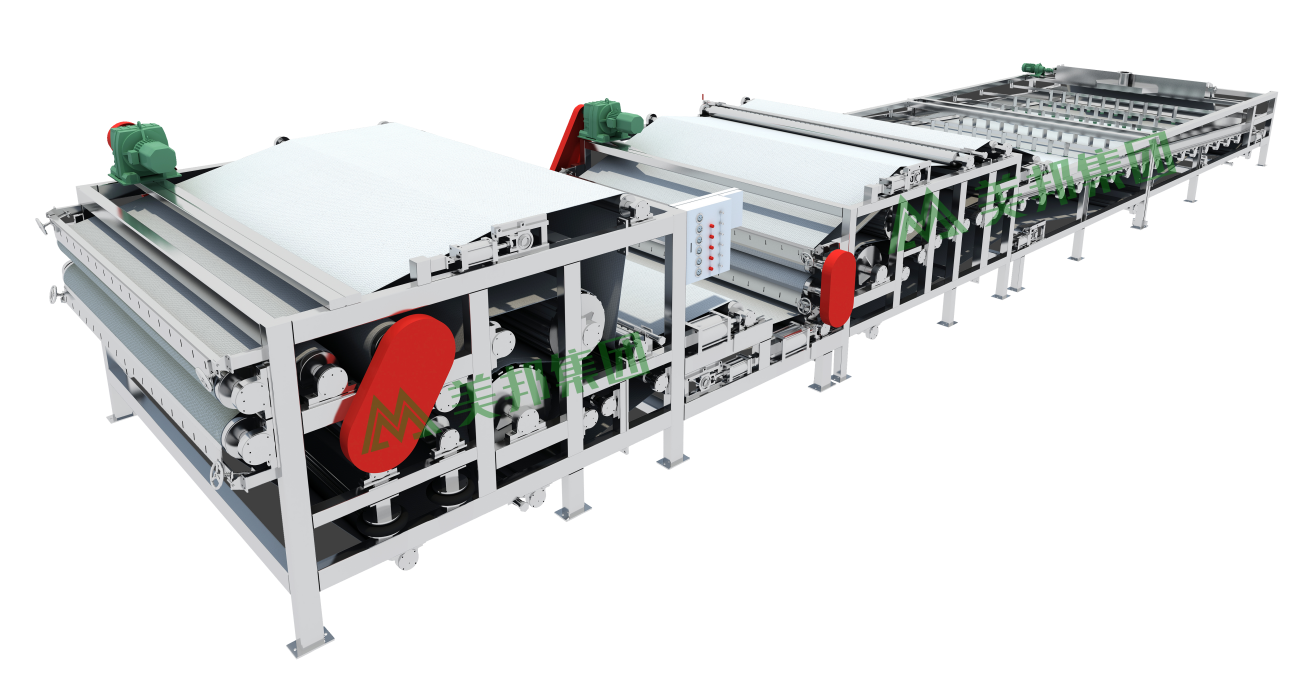
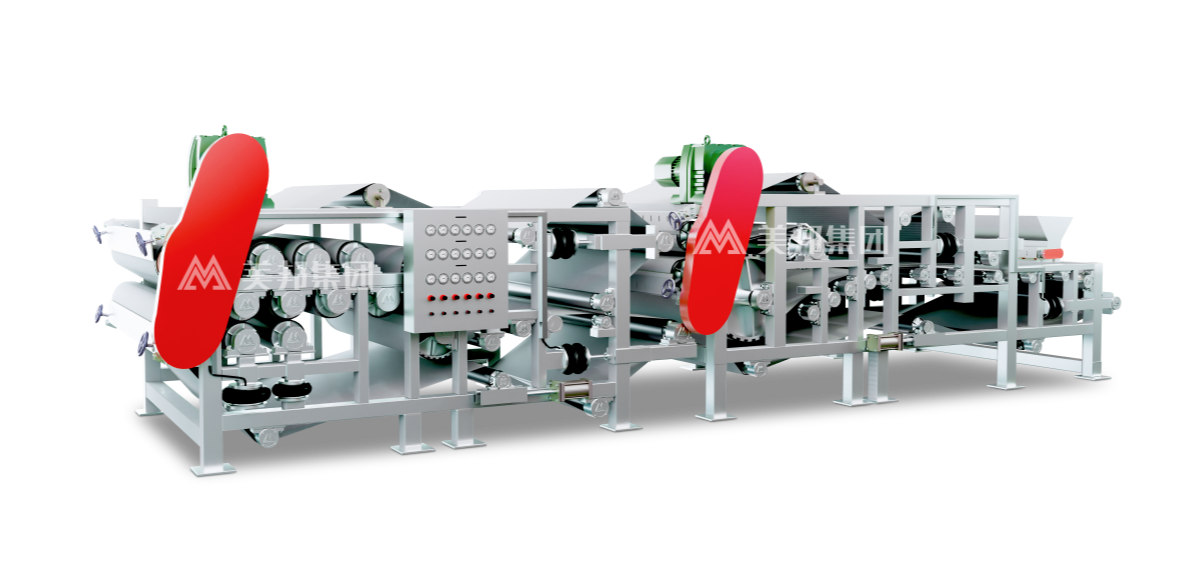
A belt filter press is designed to separate water from sludge through gravity drainage and mechanical pressure applied by multiple rollers and filtration belts. It is commonly used in both municipal and industrial wastewater treatment plants.
Typical applications include:
- Municipal sewage treatment plants
- Textile and dyeing wastewater treatment
- Food and beverage processing plants
- Paper and pulp industries
- Chemical and pharmaceutical facilities
Because many wastewater treatment plants in India operate continuously, belt filter presses are often preferred due to their ability to handle large sludge volumes efficiently.
Key Factors to Consider When Choosing a Belt Filter Press
1. Sludge Characteristics
The first and most important factor is the type of sludge being treated. Sludge properties vary depending on the source of wastewater.
For example:
- Municipal sewage sludge usually contains high organic content.
- Textile and dyeing wastewater sludge may contain chemicals and dyes.
- Paper mill sludge often contains fibers and solids.
Different sludge types require different filtration pressures and conditioning processes. A reliable manufacturer should analyze sludge samples and recommend the appropriate machine configuration.
2. Treatment Capacity
Wastewater treatment plants must select equipment that matches their required sludge processing capacity.
Small industrial facilities may require machines that handle 5–10 m³ per hour, while larger municipal wastewater plants in major cities of India may need capacities of 50–100 m³ per hour or more.
Choosing the correct capacity ensures efficient operation while avoiding unnecessary energy consumption.
3. Dewatering Efficiency
One of the main objectives of sludge dewatering is to reduce the moisture content of the sludge cake. Efficient dewatering reduces transportation and disposal costs.
Typical performance indicators include:
- Final sludge cake moisture content
- Solid recovery rate
- Filtrate clarity
For municipal wastewater treatment, belt filter presses typically produce sludge cakes with 75–80% moisture content. High-quality machines with optimized roller configurations can further improve dewatering performance.
4. Filter Belt Quality
The filtration belt is a critical component of a belt filter press. It directly affects filtration efficiency, durability, and maintenance costs.
High-quality belts should offer:
- Strong tensile strength
- Good filtration capability
- Resistance to chemical corrosion
- Long operational lifespan
Since many wastewater treatment facilities in India operate continuously, durable filter belts help reduce downtime and maintenance costs.
5. Automation and Control Systems
Modern belt filter presses often include automated control systems that simplify operation and improve reliability.
Common automation features include:
- Automatic belt tracking systems
- Automatic sludge feeding control
- Polymer dosing systems
- PLC-based control panels
Automation is particularly useful for municipal wastewater treatment plants where stable and long-term operation is required.
Comparing Belt Filter Presses with Other Dewatering Equipment
When selecting sludge dewatering equipment, wastewater treatment plants often compare belt filter presses with other technologies such as centrifuges or plate filter presses.
Compared with centrifuges:
- Belt filter presses usually consume less energy
- Maintenance costs are generally lower
Compared with plate filter presses:
- Belt presses provide continuous operation
- Plate presses can achieve lower moisture content but operate in batch cycles
For many municipal wastewater treatment projects in India, belt filter presses provide a good balance between efficiency and operational cost.
Choosing a Reliable Equipment Supplier
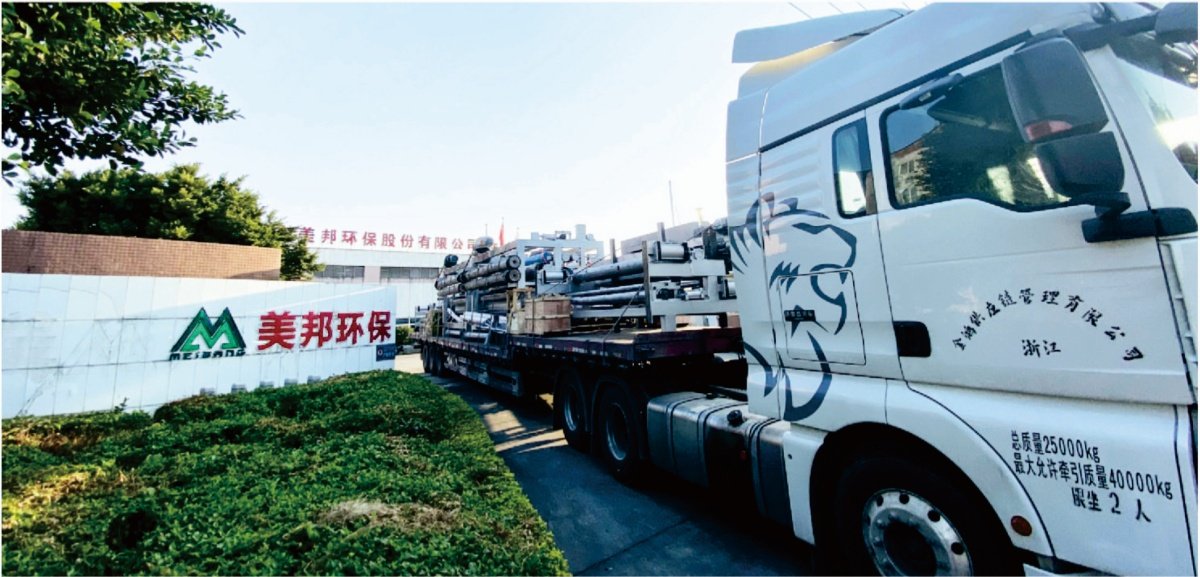
Selecting a reputable equipment supplier is just as important as choosing the right machine. A reliable manufacturer should provide:
- Experience in wastewater treatment equipment manufacturing
- Customized equipment design based on sludge characteristics
- Installation guidance and technical support
- Availability of spare parts and maintenance services
Manufacturers that offer complete sludge dewatering solutions—including polymer preparation units, sludge pumps, and control systems—can help ensure smooth project implementation.
Conclusion
As wastewater treatment requirements continue to grow in India, belt filter presses remain one of the most practical solutions for sludge dewatering in both municipal and industrial wastewater treatment plants.
By carefully considering sludge characteristics, treatment capacity, dewatering efficiency, filter belt quality, and automation features, operators can select equipment that delivers reliable performance and long-term operational efficiency.
Choosing the right belt filter press not only improves sludge management but also helps wastewater treatment facilities meet environmental regulations while reducing overall operating costs.