
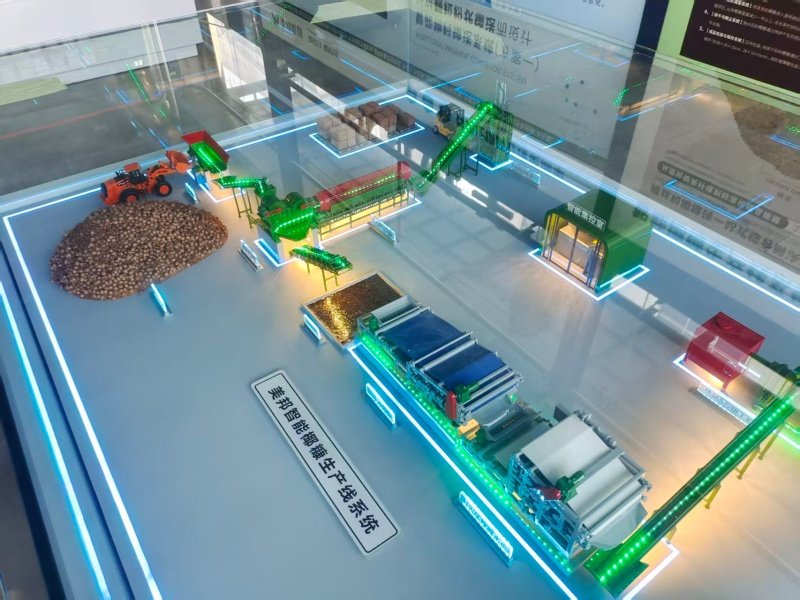
Automatic Coco Peat Production Line for Coconut Shell Recycling Plant
Growing Demand for Coconut Shell Recycling
Southeast Asia and Africa are among the largest coconut-producing regions in the world. Countries such as Indonesia, the Philippines, Vietnam, India, Sri Lanka, and several African nations produce millions of tons of coconuts every year. While coconut products such as coconut water, coconut oil, and coconut milk are widely consumed, large quantities of coconut shells are left behind during processing.
In the past, these coconut shells were often discarded or burned as waste. However, with the global emphasis on environmental protection and resource recycling, coconut shells are increasingly recognized as valuable raw materials. As a result, the coconut shell recycling plant industry has developed rapidly in many tropical regions.
Coco Peat: A Valuable Agricultural Material
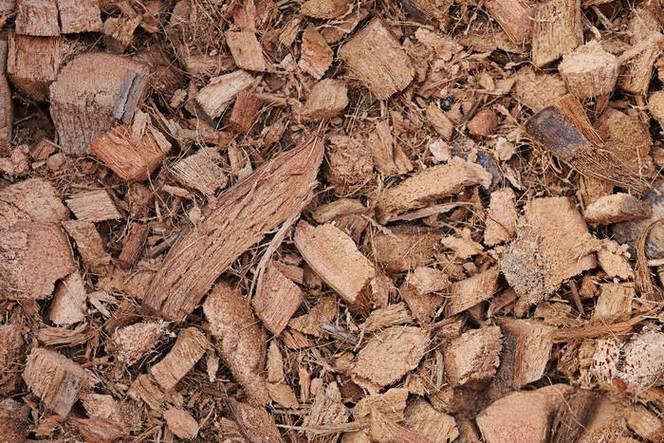
One of the most important products derived from coconut shells is coco peat, also known as coconut coir pith. Coco peat is widely used as an environmentally friendly planting substrate due to its excellent water retention, aeration, and drainage properties.
Coco peat has become a popular growing medium for soilless cultivation, greenhouse agriculture, and seedling production. In addition, coco peat is also used as a raw material for eco-friendly cat litter and other sustainable products. With the rapid development of horticulture and organic agriculture worldwide, the demand for coco peat continues to grow.
To meet this growing demand, many investors are building modern coconut shell recycling plants equipped with automated processing equipment.
Complete Coco Peat Production Line Solution
To support the coconut shell recycling industry, our company has developed a fully automated coco peat production line designed to convert coconut shells into high-quality coco peat bricks efficiently.
This integrated coco peat processing line combines multiple machines into a continuous automated system, improving productivity while reducing labor requirements.
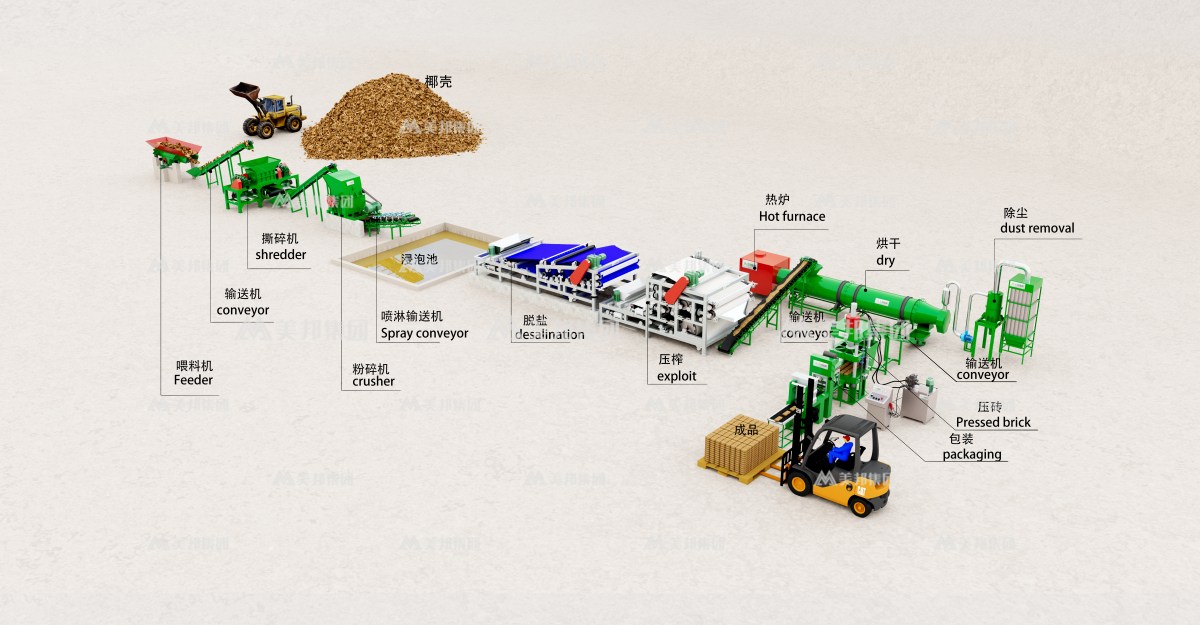
The complete coco peat production line typically includes the following equipment:
- Coconut shell cutting machine
- Crusher
- Desalination system
- Belt filter press (dewatering equipment)
- Drying machine
- Coco peat brick machine
- Automatic packaging machine
Together, these machines form a complete processing solution for modern coconut shell recycling plants.
Coconut Shell Cutting and Crushing Process
The processing line begins with the coconut shell cutting machine, which cuts large coconut shells into smaller pieces suitable for further processing. Uniform material size improves the efficiency of downstream equipment.
After cutting, the material enters the crusher, where it is further broken down into smaller particles. This step prepares the coconut shell material for washing and desalination.
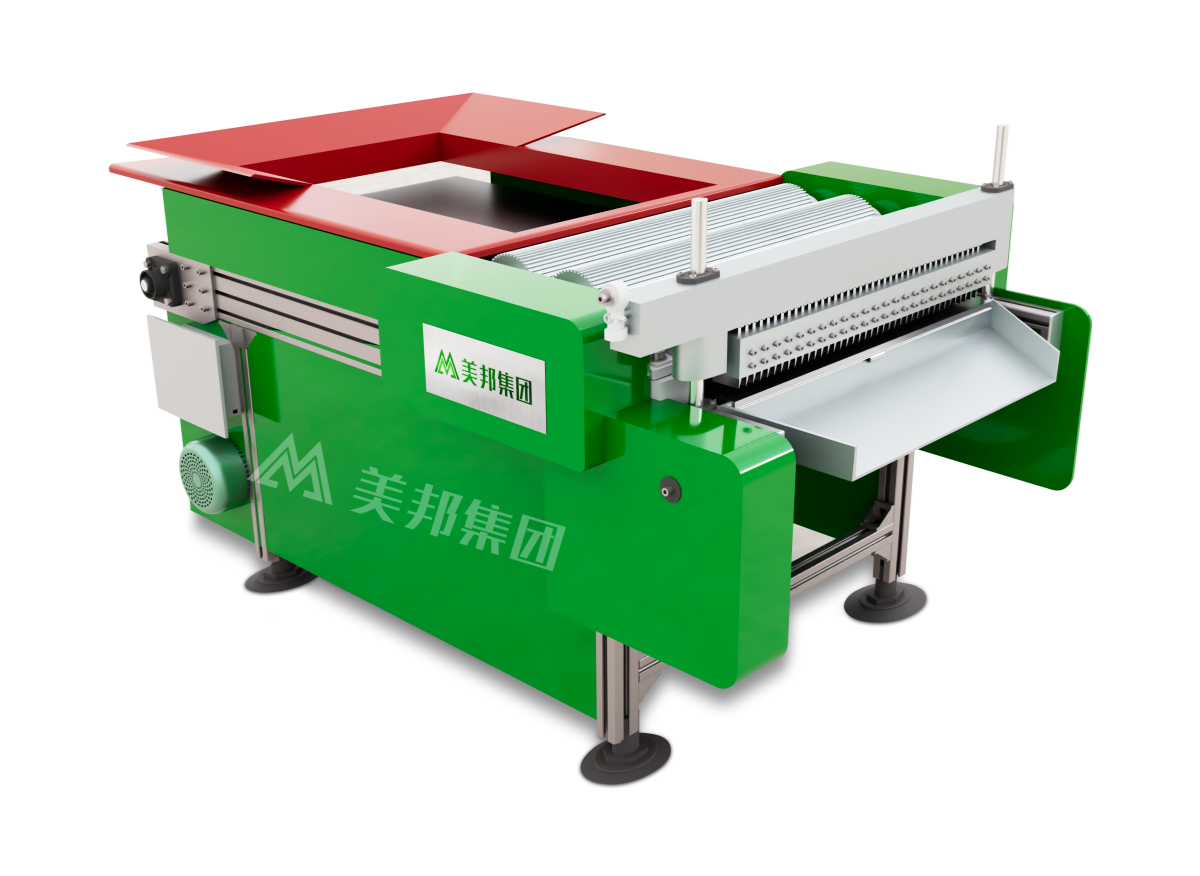
Used for Coco Peat Block Desalination
In many coconut-producing regions, especially coastal areas, coconut shells may contain salt due to environmental conditions. Excess salt can affect plant growth and reduce the quality of coco peat products.
Therefore, the coco peat processing line includes a desalination stage that removes salt and impurities from the material. This ensures that the final coco peat product meets international agricultural standards
Efficient Dewatering with Belt Filter Press
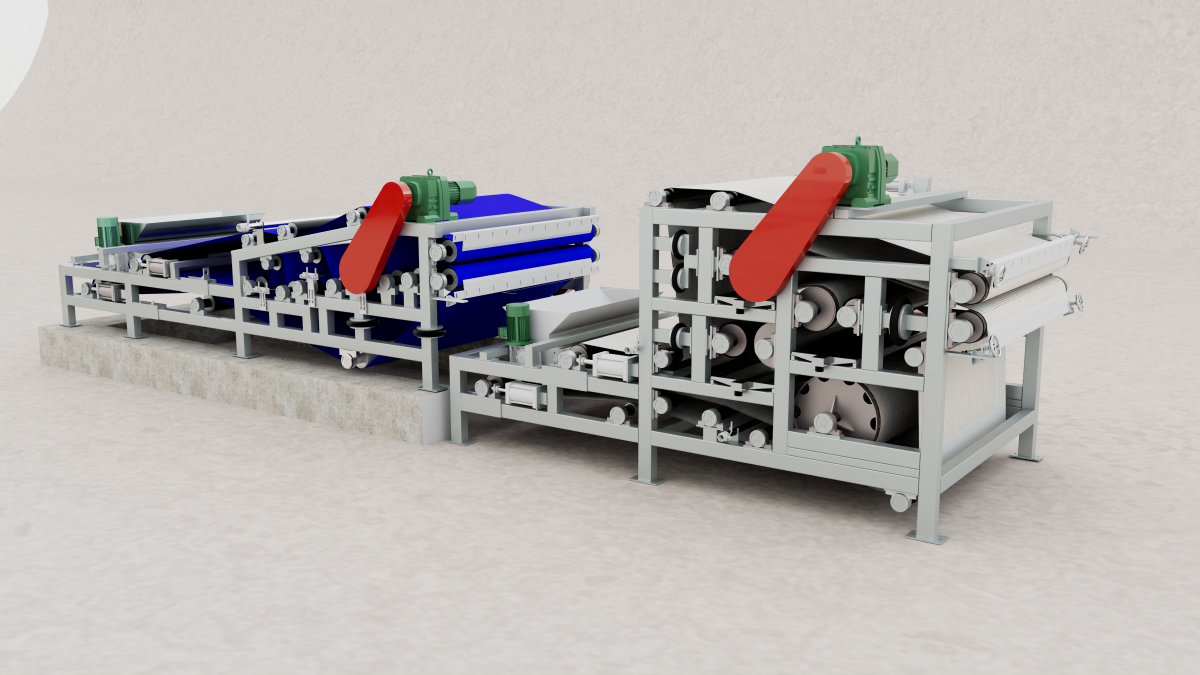
After washing and desalination, the material usually contains a high moisture content. Efficient dewatering is essential before the drying stage.
At this point, the material is processed using a belt filter press, which removes excess water through mechanical pressure and filtration. The belt filter press is widely used in many coconut shell recycling plants due to its high efficiency, continuous operation, and low energy consumption.
This step significantly reduces moisture content and improves the efficiency of the subsequent drying process.
Drying and Coco Peat Brick Production
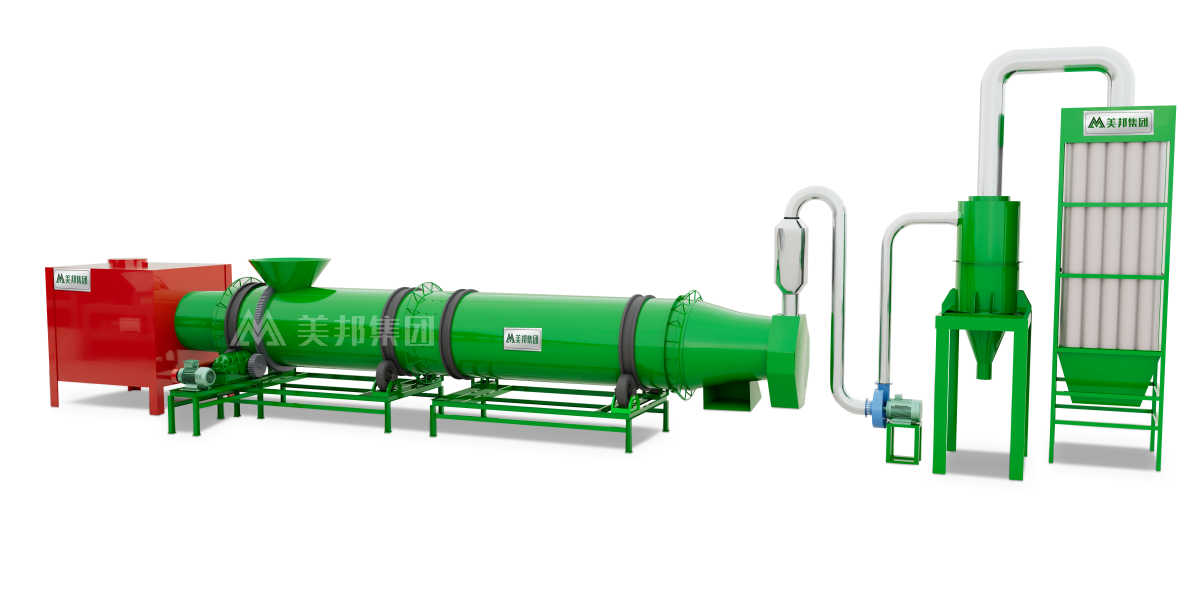
Once the material has been dewatered, it is transferred to the drying machine, where hot air circulation reduces the moisture content to the required level.
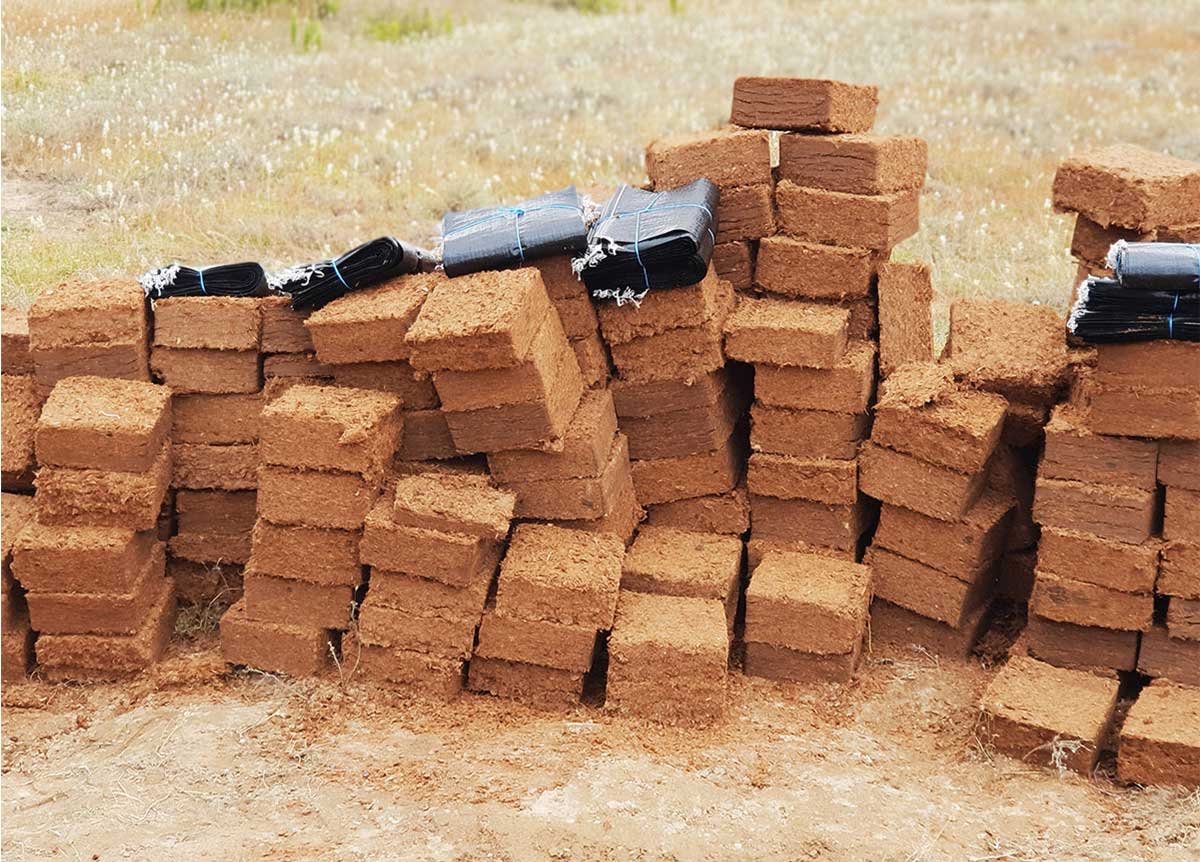
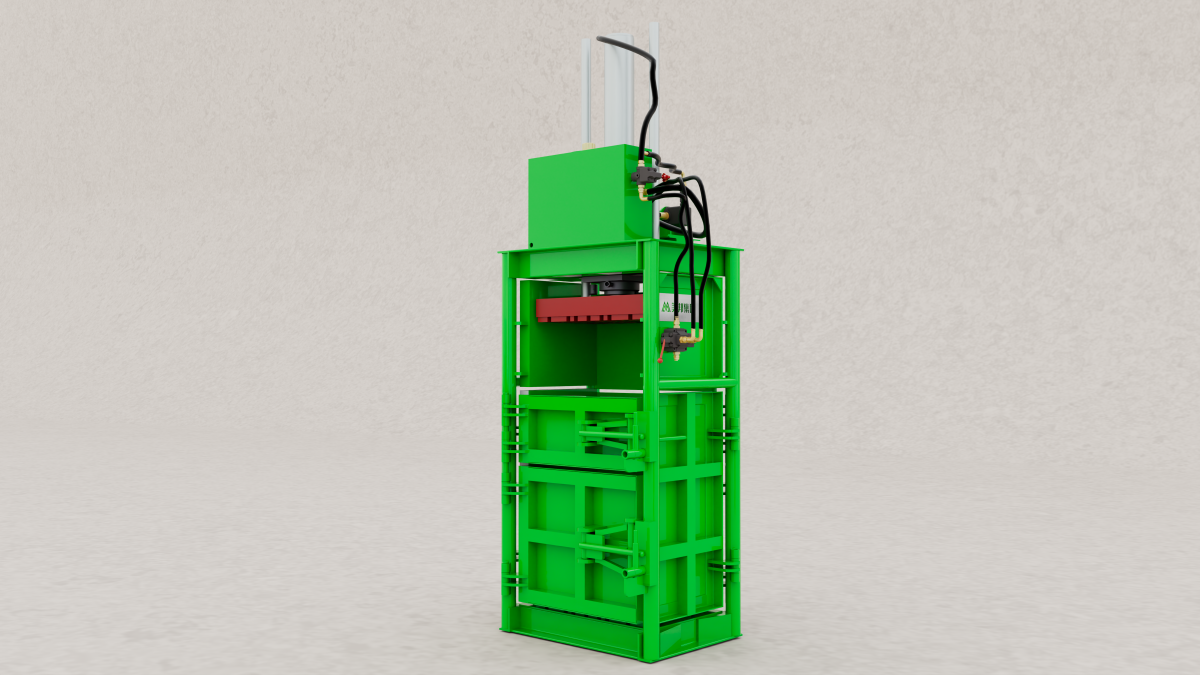
After drying, the processed material is fed into the coco peat brick machine, which compresses the loose coco peat into compact bricks. These coco peat bricks are easy to transport, store, and export.
When used in agriculture, the bricks can simply be rehydrated with water, expanding into a loose and breathable growing medium ideal for horticulture and soilless cultivation.
Automatic Packaging for Export Markets
The final stage of the coco peat production line is the automatic packaging system. The finished coco peat bricks are weighed, packed, and sealed automatically.
This automated packaging process improves production efficiency and ensures consistent packaging quality for international markets.
High Efficiency and Fast Return on Investment
A modern coco peat processing line offers several advantages for investors and manufacturers. The automated design allows continuous operation and high production capacity, making it suitable for medium and large-scale coconut shell recycling plants.
In addition, the equipment is designed for long-term industrial operation with reliable performance and low maintenance requirements.
From a business perspective, coconut shells are widely available and inexpensive raw materials in tropical regions. By processing them into high-value coco peat bricks, manufacturers can significantly increase the economic value of agricultural waste.

Sustainable Industry with Strong Market Potential
The coconut shell recycling industry not only provides economic benefits but also contributes to environmental protection. By converting agricultural waste into useful products, it supports sustainable agriculture and resource recycling.
With the increasing global demand for eco-friendly growing media, the market for coco peat products is expected to continue growing in the coming years.
Our advanced coco peat production line provides an efficient and reliable solution for businesses planning to establish or upgrade a coconut shell recycling plant. With high capacity, stable performance, and strong market demand, investing in a modern coco peat processing line offers a promising opportunity for coconut-producing regions worldwide.