
What Is a Filter Press? Working Principle, Types and Applications
Introduction
A filter press is a widely used solid-liquid separation equipment designed to remove water from slurry or sludge. It is commonly used in industries such as wastewater treatment, mining, chemical processing, and food production.
By applying pressure to a slurry mixture, the filter press separates solids from liquids, producing a dry filter cake and clear filtrate. This process significantly reduces waste volume and improves material recovery.
How Does a Filter Press Work?
The basic working principle of a filter press involves three main steps:
1. Slurry Feeding
Slurry or sludge is pumped into the filter press chambers formed by a series of filter plates.
2. Filtration Process
Under pressure, liquid passes through filter cloth while solid particles are trapped inside the chamber, forming a filter cake.
3. Cake Discharge
After filtration is complete, the plates are opened and the solid cake falls out for disposal or reuse.
This process allows industries to efficiently dewater sludge and recover valuable materials.
Main Types of Filter Press
There are several types of filter press systems used in industrial applications:
Plate and Frame Filter Press
One of the traditional designs, widely used for high-precision filtration.
Recessed Chamber Filter Press
A common modern design that provides efficient sludge dewatering with lower labor requirements.
Membrane Filter Press
Uses diaphragm membranes to squeeze the filter cake, achieving lower moisture content.
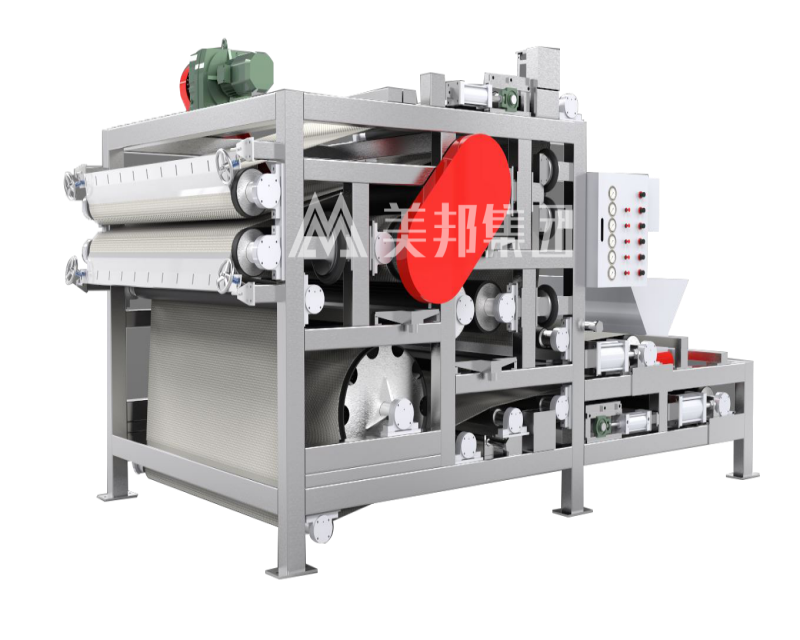
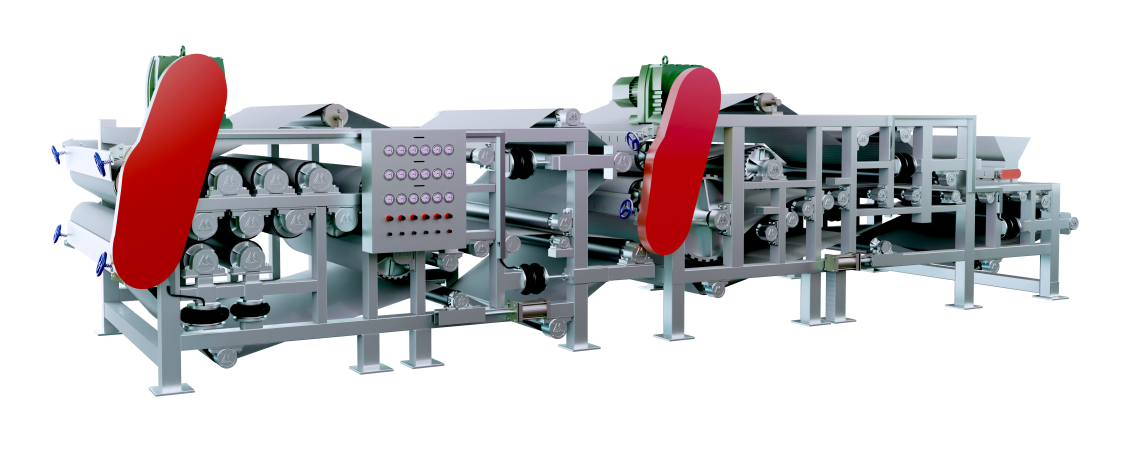
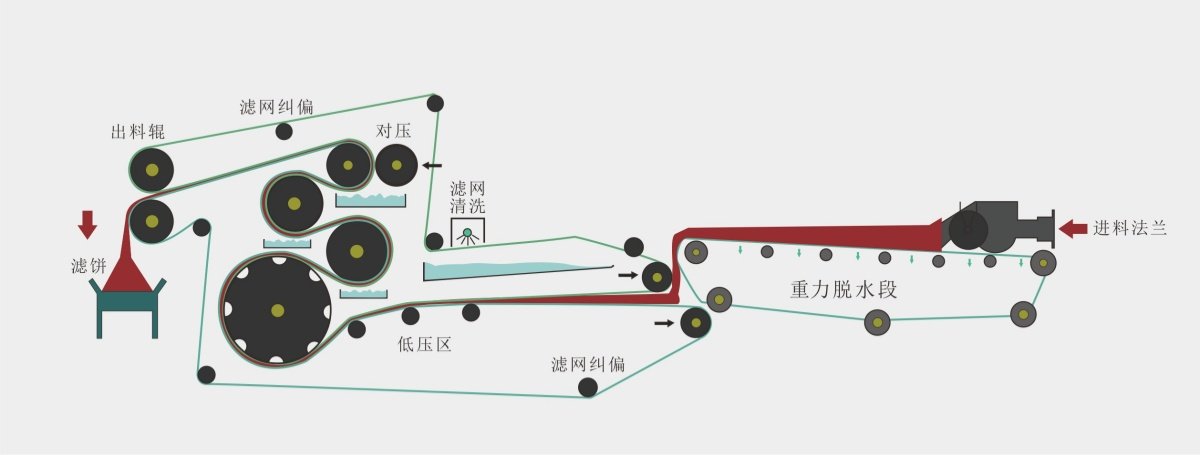
Belt Filter Press
A continuous filtration system often used for municipal sludge treatment.
Applications of Filter Press
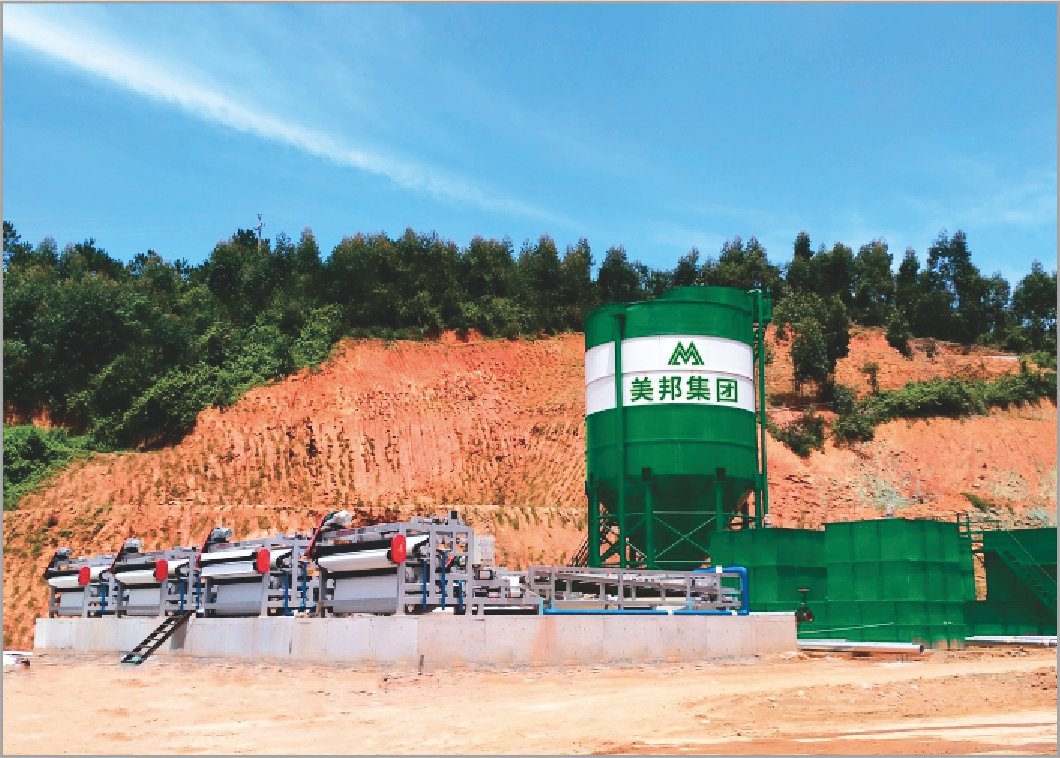
Filter presses are used across many industries, including:
- Municipal wastewater treatment
- Mining and mineral processing
- Sand washing plants
- Chemical manufacturing
- Food and beverage processing
- Palm oil and biomass industries
In these applications, filter presses help reduce sludge volume, lower disposal costs, and improve environmental compliance.
Advantages of Using a Filter Press
A filter press offers several key benefits:
- High dewatering efficiency
- Lower sludge moisture content
- Reduced waste disposal costs
- Reliable and durable operation
- Suitable for a wide range of industrial applications
These advantages make filter presses one of the most efficient sludge dewatering technologies available today.
Conclusion
A filter press is an essential piece of equipment for industries that require solid-liquid separation. With its ability to produce dry filter cake and clear filtrate, it plays a crucial role in wastewater treatment, mining, and industrial processing.
As environmental regulations become stricter, more industries are adopting filter press systems to improve waste management and reduce operational costs.