
Maintenance and Troubleshooting Guide for the Plate and Frame Filter Press
Introduction
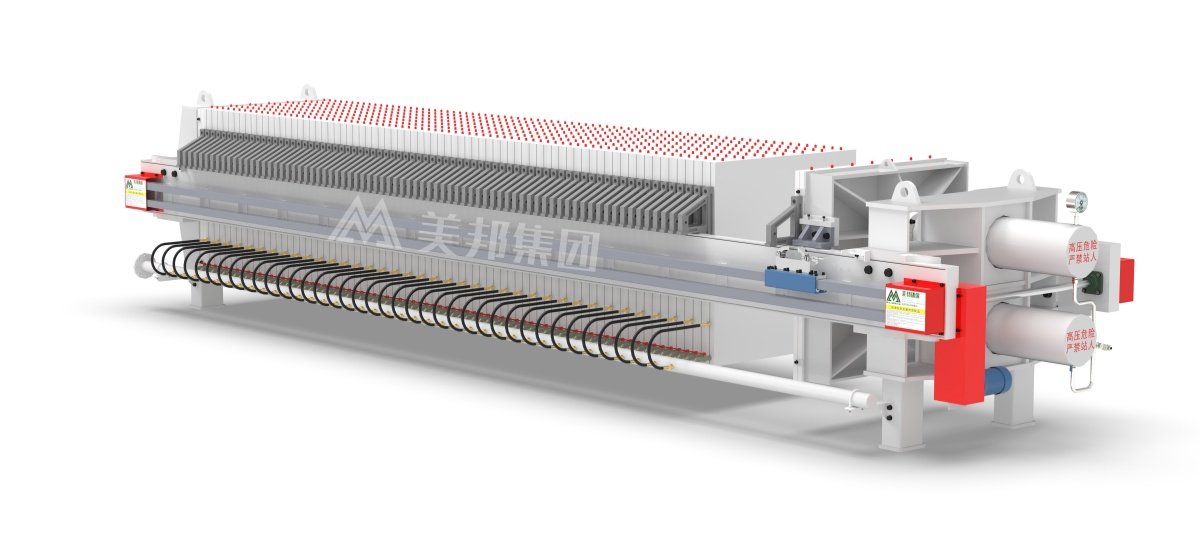
In modern wastewater treatment systems, sludge dewatering is an essential step for reducing sludge volume and improving disposal efficiency. One of the most widely used pieces of equipment for this process is the Plate and Frame Filter Press.
This equipment is designed to separate solids from liquids by applying high pressure to sludge, producing solid filter cakes that are easy to handle and transport. Plate and frame filter presses are commonly used in municipal wastewater treatment plants, industrial wastewater treatment facilities, mining operations, and chemical processing industries.
This article explains the working principle, structure, technical parameters, and common maintenance issues of plate and frame filter presses.
Structure of a Plate and Frame Filter Press
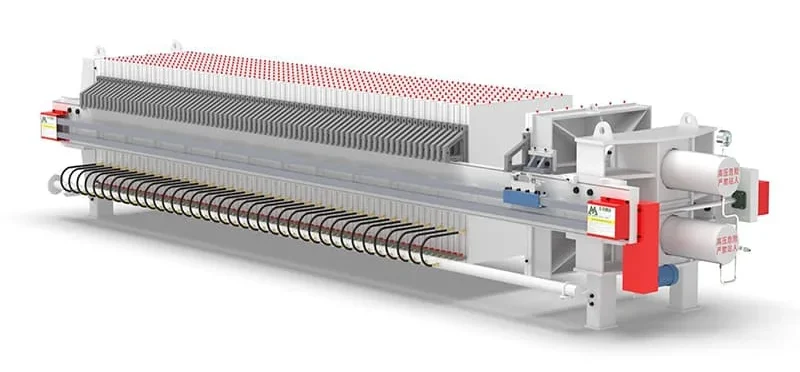
A typical plate and frame filter press is composed of five main components:
- Filter plates
- Hydraulic system
- Filter press frame
- Plate shifting or plate transport system
- Electrical control system
Each component plays an important role in ensuring efficient filtration and stable operation.
The filter plates and frames create chambers where sludge is compressed and filtered. The hydraulic system provides the pressure required to keep the plates tightly sealed during filtration. The plate shifting system helps automatically open the plates after filtration so the filter cakes can be discharged.
Working Principle of Plate and Frame Filter Press
The working principle of a Plate and Frame Filter Press is relatively simple but highly effective.
First, the hydraulic system compresses the filter plates together to form sealed filter chambers. Sludge is then pumped into these chambers through a central feed inlet.
Once the chambers are filled, the sludge is distributed between the filter cloths attached to each plate. Because the plates are tightly pressed together, the sludge remains confined within the chambers.
Under the high pressure generated by pumps such as screw pumps or diaphragm pumps, water contained in the sludge passes through the filter cloth and flows into drainage channels. The solid particles remain trapped inside the chambers and gradually form compact filter cakes.
After the filtration process is completed, the hydraulic pressure is released and the plates are separated. The filter cakes fall automatically by gravity and are removed for disposal or further processing.
For this reason, plate and frame filtration is often considered the final step of the sludge treatment process.
Typical Technical Parameters
The performance of a plate and frame filter press depends on several important technical parameters.
Typical specifications include:
- Number of filter plates: 125 (expandable to 150 plates)
- Plate size: 1300 × 1300 mm
- Filter cake thickness: 30 mm
- Filtration area: approximately 297.6 m²
- Filtration pressure: 16 bar
- Maximum closing pressure: 368 bar
These parameters determine the equipment’s filtration capacity, pressure capability, and overall dewatering efficiency.
Common Operational Problems and Solutions
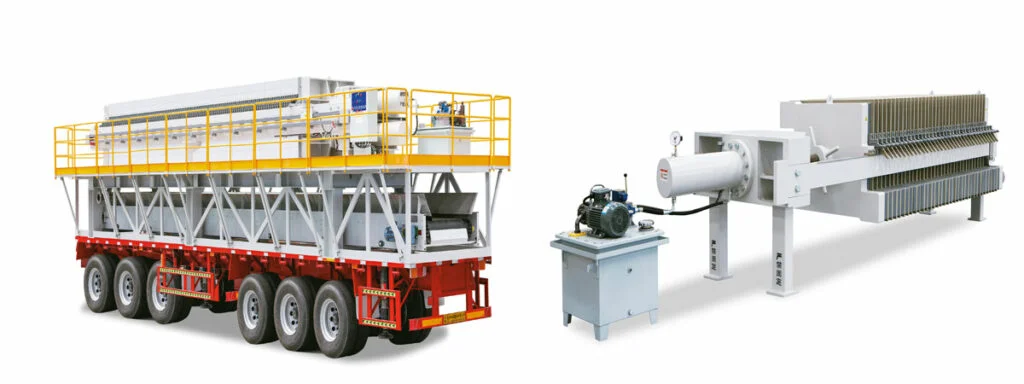
Although filter presses are reliable machines, several operational issues may occur during long-term use. Understanding these problems and their solutions helps maintain stable operation.
1. Filter Plate Damage
Filter plates may become damaged due to several reasons:
- Sludge that is too thick or dry solids blocking the feed port
- Insufficient feed causing uneven pressure distribution
- Large solid particles in the sludge
- Blocked discharge outlets preventing pressure release
When these conditions occur, the plates may be exposed to excessive pressure, which can lead to structural damage.
Solutions
- Clean the feed inlet regularly using nylon scrapers
- Ensure consistent sludge feeding
- Inspect filter cloth and drainage channels
- Repair or replace damaged filter plates when necessary
2. Leakage Between Filter Plates
Water leakage between filter plates is another common problem.
Possible causes include:
- Low hydraulic pressure
- Wrinkled or damaged filter cloth
- Solid debris on sealing surfaces
Solutions
- Increase hydraulic pressure
- Replace damaged filter cloth
- Clean sealing surfaces thoroughly
Proper sealing is essential for maintaining filtration pressure and ensuring efficient filter cake formation.
3. Poor Filter Cake Formation
Sometimes filter cakes may fail to form properly or appear uneven.
Possible reasons include:
- Sludge feed concentration being too low
- Insufficient feeding volume
- Blocked drainage channels
- Clogged filter cloth
Solutions
- Adjust sludge feeding conditions
- Clean filter cloth regularly
- Remove blockages in feed holes and drainage channels
- Increase pump pressure when necessary
4. Slow Movement of Filter Plates
Over time, oil and sludge accumulation on guide rods may cause the filter plates to move slowly or unevenly.
Regular cleaning and lubrication with grease can prevent this problem.
However, thin oil should not be used because it can drip and create slippery surfaces that may cause safety hazards for operators.
5. Hydraulic System Problems
The hydraulic system is responsible for providing the pressure required to close and open the filter plates.
When oil is injected into one chamber of the hydraulic cylinder, the piston moves forward and compresses the plates. When oil is injected into the opposite chamber, the piston retracts and releases the plates.
Hydraulic failures are relatively rare but may occur due to wear over time.
Common problems include:
- Oil leakage
- Worn sealing rings
- Malfunctioning solenoid valves
Solutions
- Replace worn O-ring seals
- Inspect and clean valves
- Replace faulty solenoid valves if necessary
Regular inspection and maintenance of the hydraulic system ensure long-term stable operation.
Conclusion
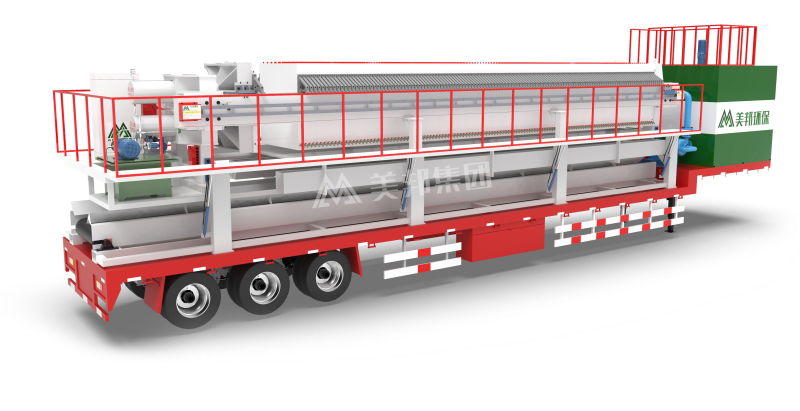
The Plate and Frame Filter Press is an essential piece of equipment for sludge dewatering in wastewater treatment systems. Its ability to produce solid filter cakes with low moisture content makes it highly effective for reducing sludge volume and improving disposal efficiency.
By understanding its working principle, structure, and common maintenance requirements, operators can ensure reliable performance and extend the service life of the equipment.
With proper operation and regular maintenance, plate and frame filter presses remain one of the most efficient solutions for sludge treatment in industrial and municipal wastewater facilities.