
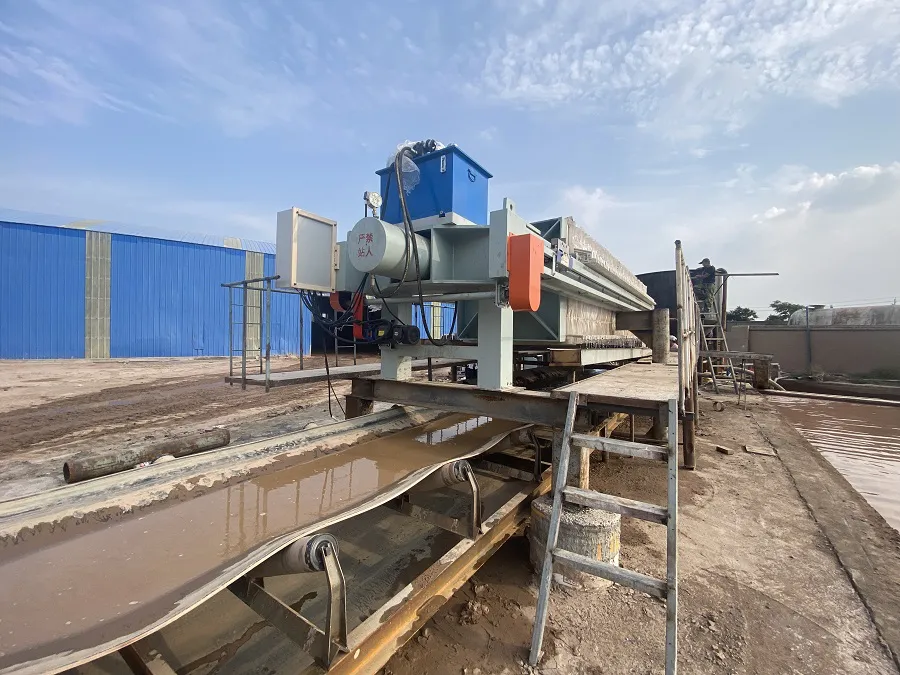
Plate and Frame Filter Press for Sand Washing Plant
Introduction
In modern aggregate production and mining operations, efficient wastewater management has become essential for both environmental compliance and operational efficiency. A plate and frame filter press plays a critical role in sand washing plants by separating solids from slurry and producing clean, reusable water. Compared with traditional sedimentation methods, this equipment offers faster solid-liquid separation, reduced water consumption, and easier sludge handling. For operators seeking reliable industrial filter press equipment, a properly selected system can significantly reduce waste disposal costs while improving production sustainability. In sand processing operations where large volumes of slurry are generated daily, adopting a dewatering filter press for mining applications is an increasingly common and practical solution.
Key Features of Plate and Frame Filter Press Equipment
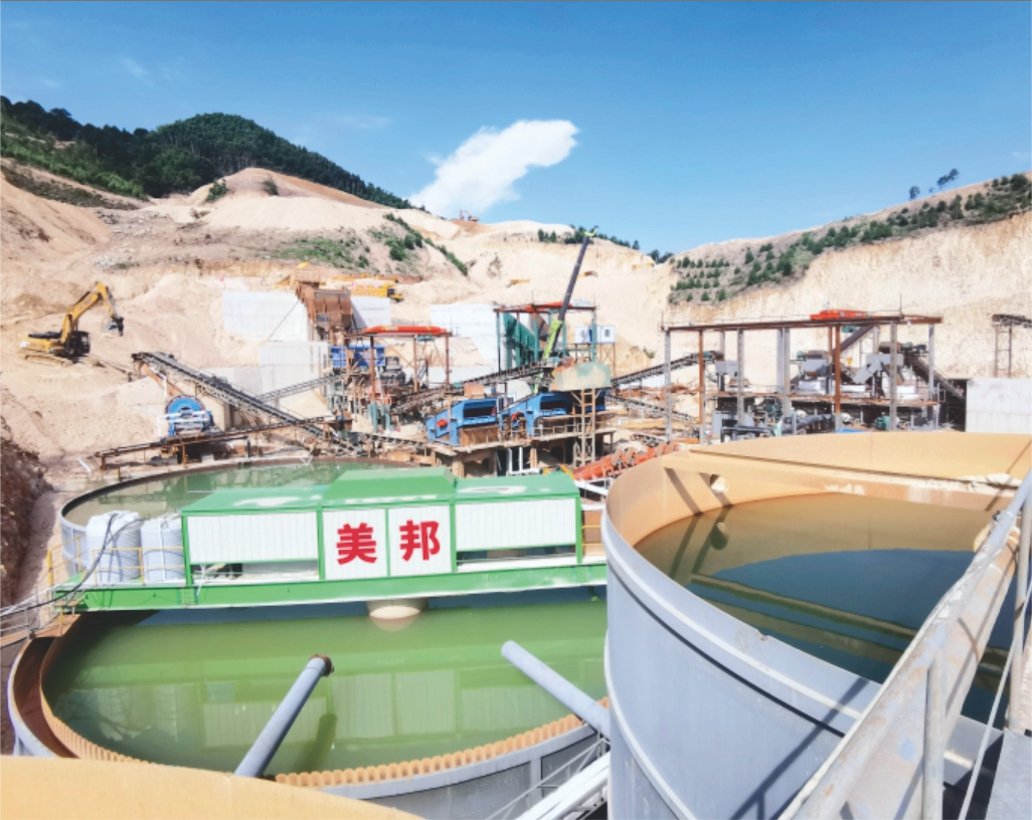
A plate and frame filter press is designed to achieve efficient solid-liquid separation through mechanical pressure and filtration media. The system typically consists of filter plates, filter frames, hydraulic closing devices, and filtration cloths. During operation, slurry from the sand washing plant is pumped into the filter chambers formed between the plates. Solid particles are retained by the filter cloth while the clarified water passes through and is collected for reuse.
One of the most important characteristics of this type of industrial filter press equipment is its high filtration pressure, which enables the production of relatively dry filter cakes. This significantly reduces the volume of sludge that must be transported or disposed of. Many modern systems also feature automatic plate shifting and hydraulic compression, improving operational efficiency and reducing manual labor.
Another advantage is modular scalability. The filtration capacity can be adjusted by increasing or decreasing the number of plates. For sand processing facilities that experience seasonal or production-based fluctuations, this flexibility allows operators to adapt the system to changing throughput requirements.
Durability is also a key design consideration. High-quality filter presses are typically manufactured using corrosion-resistant materials and reinforced frames to withstand abrasive slurry from sand washing processes. As a result, a well-designed sand washing plant filter press can operate reliably for many years with proper maintenance.
Application in Sand Washing Plants and Mining Operations
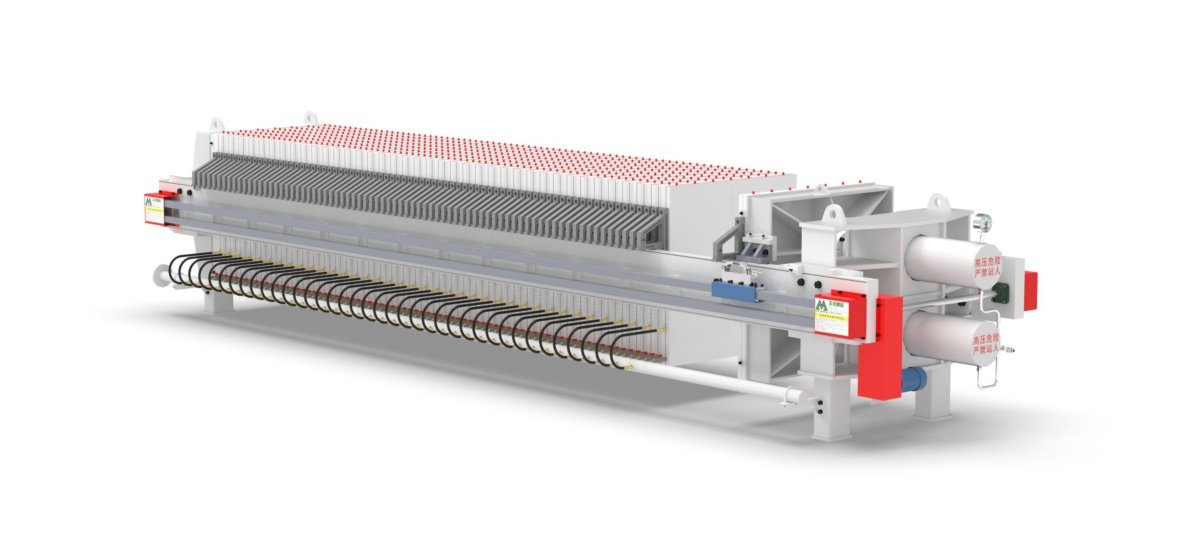
Sand washing plants generate significant volumes of slurry containing fine particles such as clay, silt, and crushed aggregates. If discharged directly, this wastewater can cause environmental pollution and regulatory violations. A plate and frame filter press provides an effective solution by separating the suspended solids from the water.
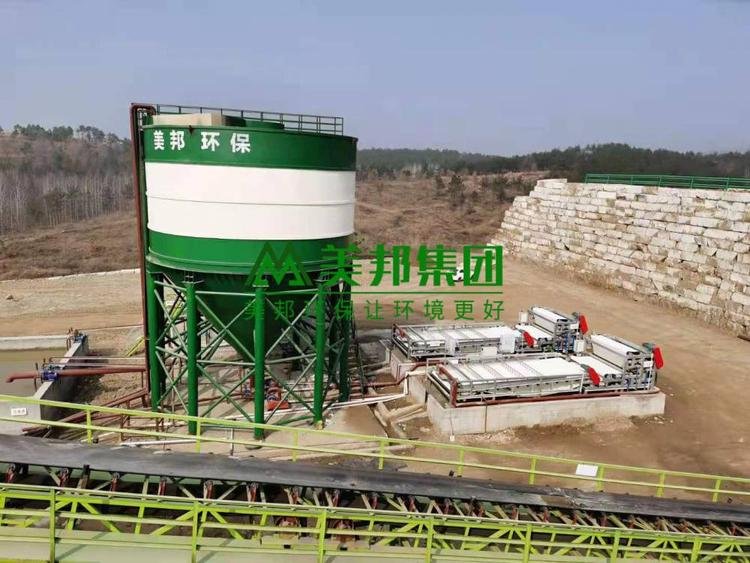
In a typical sand washing plant filter press system, slurry from settling tanks or thickeners is pumped into the filtration chambers. As pressure increases, water is forced through the filter cloth while solids accumulate inside the chambers, gradually forming compact filter cakes. These cakes can then be discharged and transported for landfill, reuse, or further processing.
Mining operations also widely use this technology. A dewatering filter press for mining applications is particularly valuable in tailings management, where reducing moisture content can lower transportation costs and improve storage stability. Many mining companies integrate filter presses with thickeners and slurry pumps to create a complete solid-liquid separation system.
Beyond mining and aggregates, similar filtration systems are used in mineral processing plants, coal washing facilities, and industrial wastewater treatment stations. In all of these scenarios, the main objective is to recover clean water for reuse while minimizing environmental impact. By integrating reliable industrial filter press equipment into the process flow, operators can significantly improve water recycling efficiency and reduce operational risks.
Advantages for Industrial Wastewater Treatment
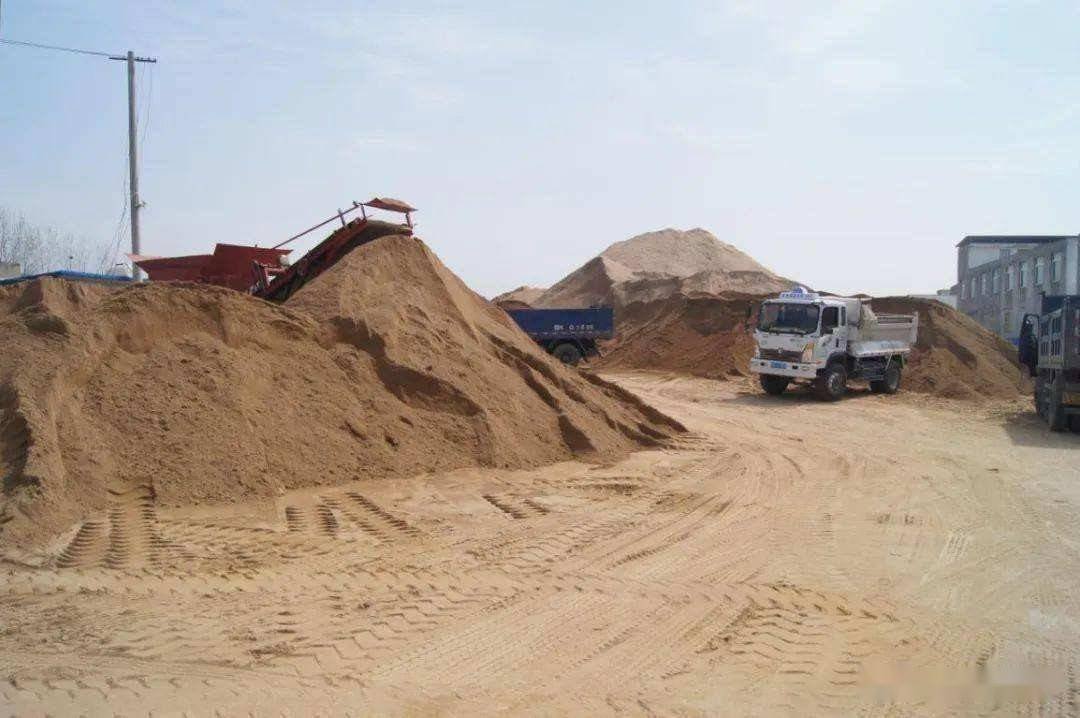
The use of a plate and frame filter press in sand washing plants provides several operational and economic benefits. One of the most significant advantages is water recovery. Clean filtrate produced during the filtration process can be returned directly to the washing system, reducing freshwater consumption and lowering utility costs.
Another important benefit is sludge volume reduction. Compared with traditional settling ponds, a dewatering filter press for mining can produce filter cakes with much lower moisture content. This makes sludge easier to handle, transport, and dispose of, which is particularly valuable in large-scale mining operations.
Space efficiency is another key factor. Many sand washing plants operate in areas where land is limited or expensive. A compact sand washing plant filter press system requires far less space than large sedimentation ponds, making it suitable for modern industrial facilities.
From an environmental perspective, filtration technology helps operators comply with increasingly strict discharge regulations. By removing suspended solids from wastewater, the system prevents contamination of nearby rivers, groundwater, or soil. For companies aiming to improve sustainability performance, investing in reliable industrial filter press equipment is an effective long-term strategy.
Finally, modern filter press systems are designed for automation and low maintenance. With automatic plate opening, hydraulic control, and durable filter cloth materials, routine operation becomes simpler and more predictable. This helps reduce downtime and improves overall plant productivity.
Conclusion
For sand washing plants and mining operations, effective slurry management is essential for both environmental compliance and operational efficiency. A plate and frame filter press offers a reliable solution for solid-liquid separation, enabling high water recovery and efficient sludge dewatering. Whether used as a sand washing plant filter press or as a dewatering filter press for mining, this technology helps operators reduce waste disposal costs and improve sustainability.
If you are looking for durable and efficient industrial filter press equipment for your project, choosing the right system design and supplier is critical. Contact an experienced manufacturer to discuss your specific processing capacity, slurry characteristics, and filtration requirements to find the most suitable solution for your plant.