
Introduction
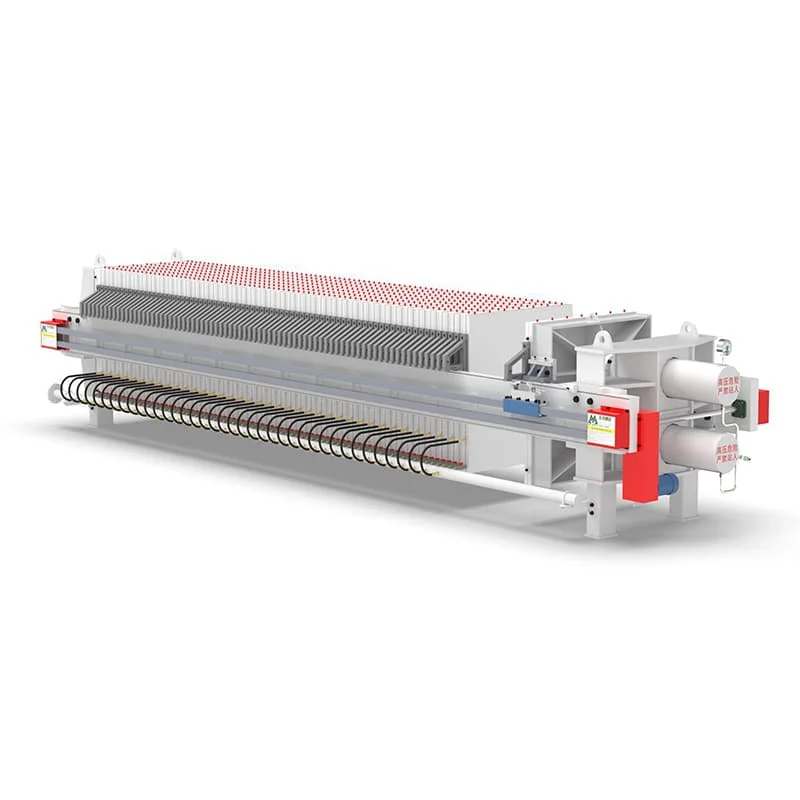
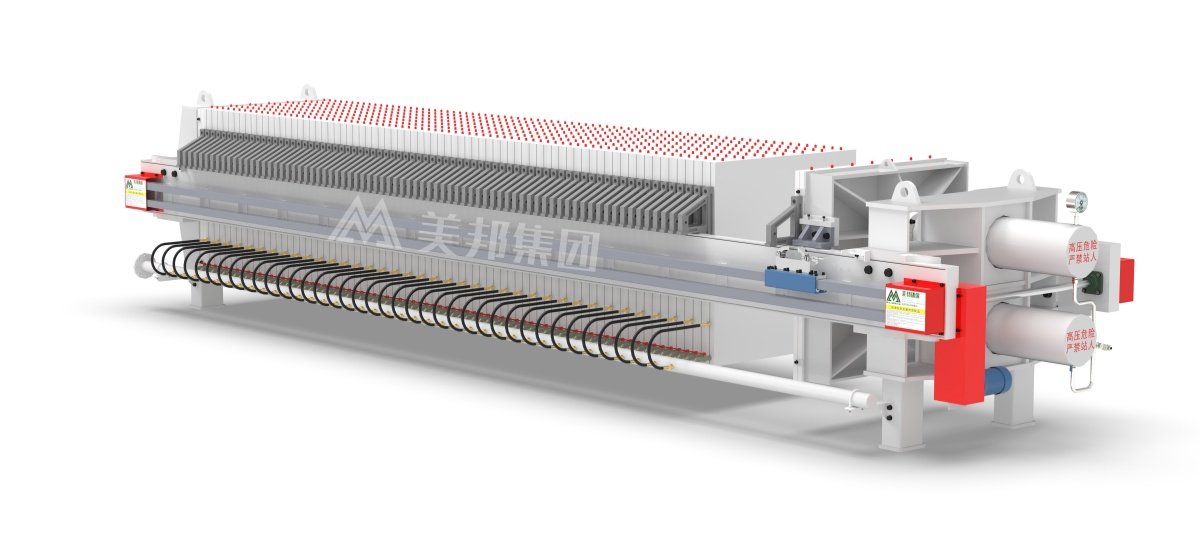
Selecting the right dewatering equipment for a paper mill is a critical decision that directly impacts operational efficiency, maintenance costs, and final product quality. Among the various technologies available, the plate and frame filter press has emerged as the industry standard for pulp dewatering. Unlike centrifuges or belt presses, the plate and frame filter press delivers superior cake dryness, lower operating costs, and greater reliability when processing fibrous pulp materials. This guide provides a comprehensive overview of how to choose the right paper pulp filter press for your mill, covering key specifications, performance metrics, and common pitfalls to avoid.
Why Plate and Frame Filter Presses Dominate Pulp Dewatering
Superior Cake Dryness
The most important metric in pulp dewatering is final cake solids content. A plate and frame filter press consistently achieves 45–60% solids, compared to 25–35% from screw presses or 30–40% from vacuum filters. For a paper mill processing 100 tons of pulp per day, increasing cake dryness from 40% to 55% reduces downstream drying energy by approximately 30% and lowers transportation costs significantly.
Lower Operating Costs
When evaluating dewatering equipment, many engineers focus only on purchase price. However, the plate and frame filter press offers substantially lower lifecycle costs:
- Energy consumption: 2–4 kWh per ton of dry solids, versus 8–12 kWh for centrifuges
- Maintenance: Filter cloth replacement every 3–6 months; hydraulic systems are robust and repairable
- Chemical usage: Often requires less flocculant than belt presses or dissolved air flotation systems
Handles High Fiber Loads Without Clogging
Pulp slurries contain long fibers that quickly clog centrifuges and belt presses. The plate and frame filter press uses a static filtration process: slurry enters each chamber, solids build against the filter cloth, and hydraulic pressure forces water through without shearing or tangling fibers. This makes the pulp filter press ideal for:
- Recycled paper pulp (contains adhesives, plastics, and short fibers)
- Virgin kraft pulp (long, strong fibers that resist dewatering)
- Agricultural fiber pulps (wheat straw, bagasse, bamboo)
Key Specifications for Paper Mill Applications
Chamber Volume and Cycle Time
The required chamber volume depends on your pulp dewatering capacity. Calculate based on:
Most paper mills use chamber volumes between 500L and 5,000L per cycle. Typical cycle times range from 30 minutes (small mills with fast-draining pulps) to 90 minutes (large mills with slow-draining recycled pulps).
Recommendation: Add 20% spare capacity to handle seasonal variations in pulp consistency and fiber type.
Plate Materials and Corrosion Resistance
Paper mill slurries are often acidic (pH 4–6) or alkaline (pH 8–10) depending on the pulping process. Plate materials must resist corrosion and abrasion:
| Plate Material | Best For | Lifespan |
|---|---|---|
| Polypropylene | Most paper pulps (pH 3–11) | 5–8 years |
| Stainless steel lined | Highly abrasive pulps (glass, mineral fillers) | 8–12 years |
| Rubber-coated | Corrosive chemical pulps | 6–10 years |
For standard paper pulp filter press applications, polypropylene plates with reinforced corners offer the best value.
Hydraulic Pressure and Clamping Force
The clamping force must exceed the internal chamber pressure to prevent leaking. Standard plate and frame filter presses operate at:
- Feed pressure: 6–10 bar (90–150 psi)
- Squeeze pressure: 12–16 bar (180–240 psi)
- Clamping force: 250–500 kg per liter of chamber volume
Under-specifying clamping force is a common mistake. Always select a press rated for 20% higher pressure than your maximum expected feed pressure.
Automation Level
Manual filter presses are still available but rarely recommended for paper mills. At minimum, specify:
- Automatic plate shifting (reduces labor by 80%)
- PLC control with touchscreen (stores recipes for different pulp types)
- Automatic wash system (sprays filter cloths between cycles)
Fully automatic dewatering equipment allows one operator to manage multiple presses simultaneously.
Matching Filter Cloth to Pulp Type
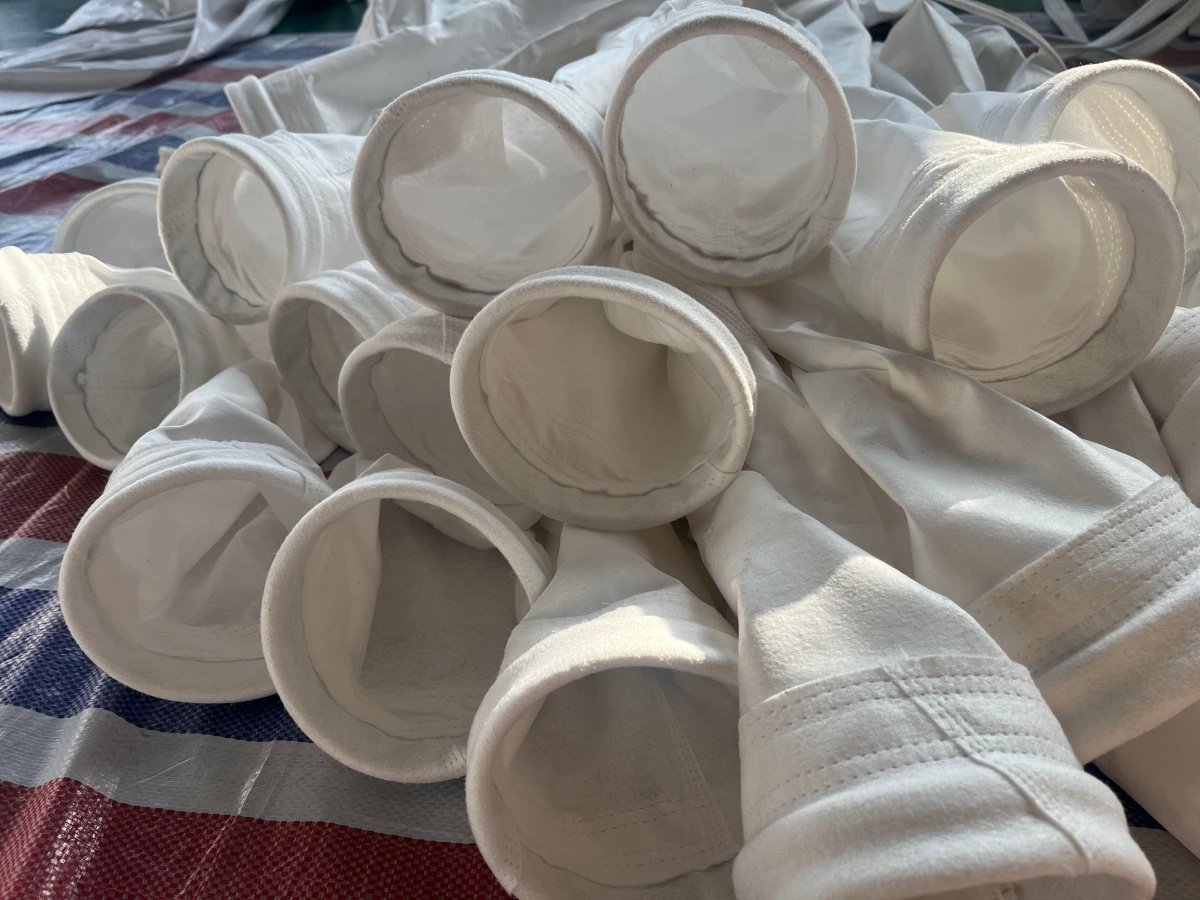
The filter cloth is the heart of any plate and frame filter press. Choosing the wrong cloth causes:
- Blind off (surface pores clog within minutes)
- High cake moisture (poor drainage)
- Short cloth life (tearing or chemical degradation)
Cloth Selection by Pulp Type
| Pulp Type | Recommended Cloth | Weave | Permeability |
|---|---|---|---|
| Virgin kraft (long fiber) | Polyester monofilament | Twill | 80–120 L/m²/s |
| Recycled (mixed fiber) | Polypropylene multifilament | Satin | 150–250 L/m²/s |
| Agricultural (bagasse, straw) | Nomex or PVDF | Plain | 100–180 L/m²/s |
| Deinked pulp (flotation) | Polyester with scrim | Double layer | 200–300 L/m²/s |
When to Replace Filter Cloths
Even with proper care, filter cloths are consumable items. Replace when:
- Cycle time increases by 25% or more
- Cake moisture rises by 5 percentage points
- Visible tears or holes appear
- Cloth becomes stiff or brittle (chemical degradation)
Stock at least two complete sets of cloths to avoid production stoppages.
Performance Metrics to Track
After installing your paper pulp filter press, track these five metrics to verify proper operation:
1. Cake Solids Content
Measure using a moisture analyzer or lab oven. Target >50% for most pulps. Below 45% indicates problems with feed pressure, cloth selection, or squeeze pressure.
2. Filtrate Clarity
Turbidity should be below 50 NTU. Cloudy filtrate means cloth damage or incorrect weave selection.
3. Cycle Time Consistency
Cycle-to-cycle variation should be less than 10%. Increasing cycle times indicate gradual cloth blinding.
4. Hydraulic Oil Temperature
Keep below 60°C (140°F). Excessive heat means pump inefficiency or undersized cooling.
5. Cloth Wash Frequency
Properly selected cloths need washing every 20–50 cycles. More frequent washing indicates improper cloth selection.
Common Mistakes When Selecting a Plate and Frame Filter Press
Mistake 1: Choosing Based on Price Alone
Low-cost presses often use thin plates, undersized hydraulics, and manual controls. These fail within 12–18 months under continuous paper mill duty. Quality dewatering equipment costs more upfront but pays back through reduced downtime.
Mistake 2: Oversizing the Press
A press that is too large for your pulp volume will sit idle most of the time, wasting capital and floor space. Worse, partial fills cause uneven cake formation and cloth damage. Match chamber volume to your average plus peak production.
Mistake 3: Ignoring Cake Discharge Systems
Removing 50% solids cake from chambers is challenging. Specify vibrating plate shifters or air blow-down systems for sticky pulps. Manual discharge adds 15–30 minutes per cycle and exposes workers to ergonomic risks.
Mistake 4: Forgetting About Spare Parts
When your press breaks down, waiting weeks for a replacement hydraulic pump or plate pack is unacceptable. Require the supplier to provide:
- Spare cloth set (shipped with the press)
- Critical seals and diaphragms
- Local service support or 48-hour parts guarantee
Cost Analysis: Plate and Frame Filter Press vs. Alternatives
For a typical 100 TPD paper mill, compare total annual costs:
| Equipment | Capital Cost | Annual Energy | Annual Maintenance | 10-Year Total |
|---|---|---|---|---|
| Plate and frame filter press | $180,000 | $8,000 | $12,000 | $380,000 |
| Decanter centrifuge | $350,000 | $35,000 | $25,000 | $950,000 |
| Screw press | $120,000 | $15,000 | $20,000 | $470,000 |
| Belt filter press | $140,000 | $18,000 | $28,000 | $540,000 |
The plate and frame filter press offers the lowest 10-year total cost despite a mid-range purchase price, primarily due to lower energy and maintenance requirements for pulp dewatering.
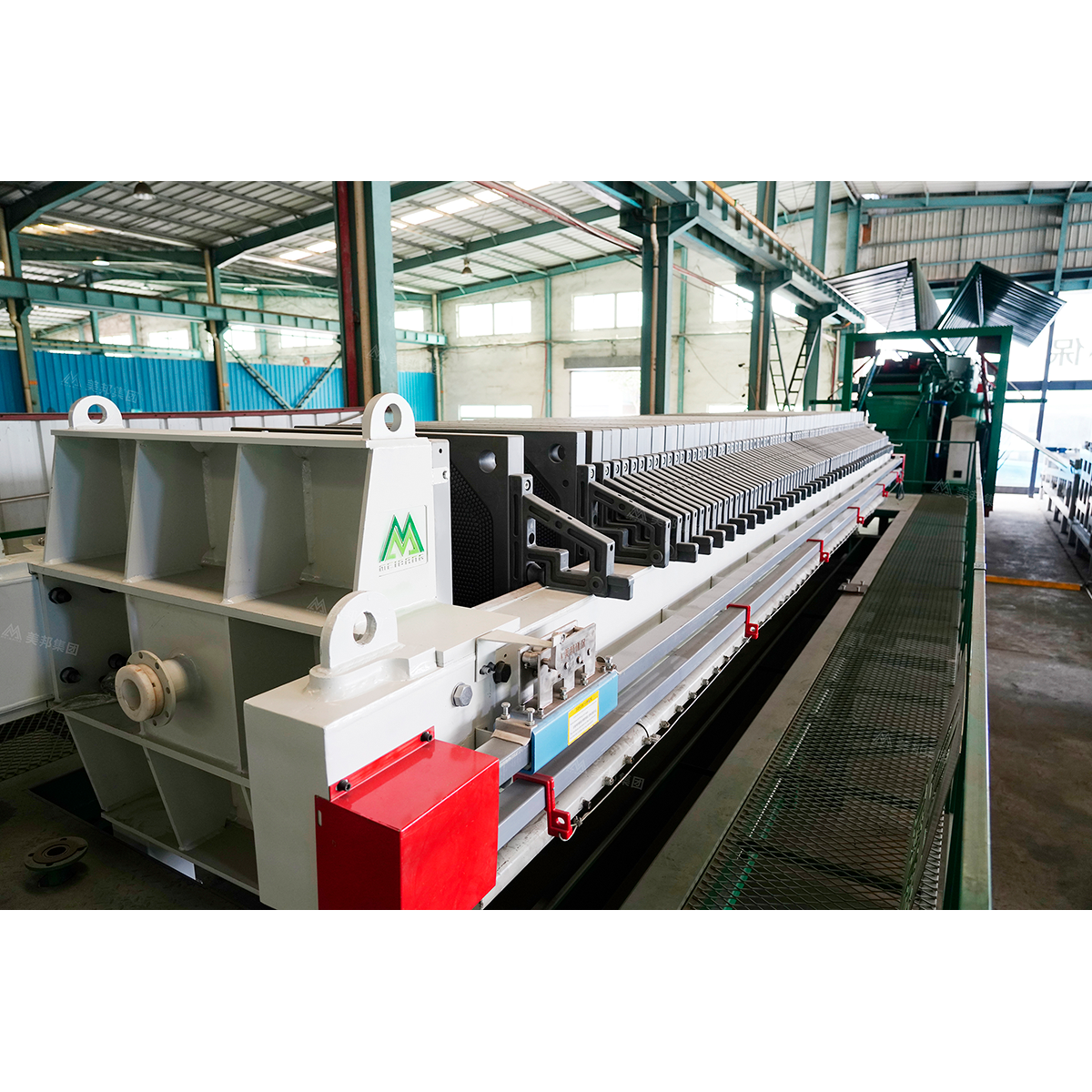
Checklist: 10 Questions to Ask Before Buying
- What is the maximum fiber length and consistency of my pulp?
- Do I need acid-resistant or alkali-resistant plates?
- What is my target cake solids percentage?
- How many cycles per day will the press run?
- Is automatic plate shifting required?
- What is the delivery lead time for spare filter cloths?
- Does the supplier offer on-site commissioning and training?
- What is the warranty on hydraulic components and plates?
- Can the press be expanded if my production increases?
- What is the average lifespan of this paper pulp filter press in similar mills?
Conclusion
Selecting the right plate and frame filter press for a paper mill requires careful attention to chamber volume, plate materials, hydraulic pressure, and filter cloth selection. When properly specified, this dewatering equipment delivers the driest cake, lowest operating costs, and longest service life among all pulp dewatering technologies. Avoid the common mistakes of buying on price alone or oversizing the press. Instead, focus on total lifecycle cost, automation features, and supplier support. A well-chosen paper pulp filter press will operate reliably for 15–20 years, making it one of the best capital investments in any paper mill.