
How to Choose a Filter Press: A Practical Guide for Industrial Sludge Dewatering
Introduction
A filter press is one of the most effective pieces of equipment for solid-liquid separation in industrial processes. It is widely used in wastewater treatment, mining, chemical processing, food production, and many other industries.
However, choosing the right filter press can be challenging because different materials, capacities, and operating conditions require different configurations. Understanding the key selection factors will help ensure efficient sludge dewatering and long-term operational stability.
This guide explains the most important factors to consider when selecting a filter press for your application.
1. Understand the Characteristics of the Sludge or Slurry
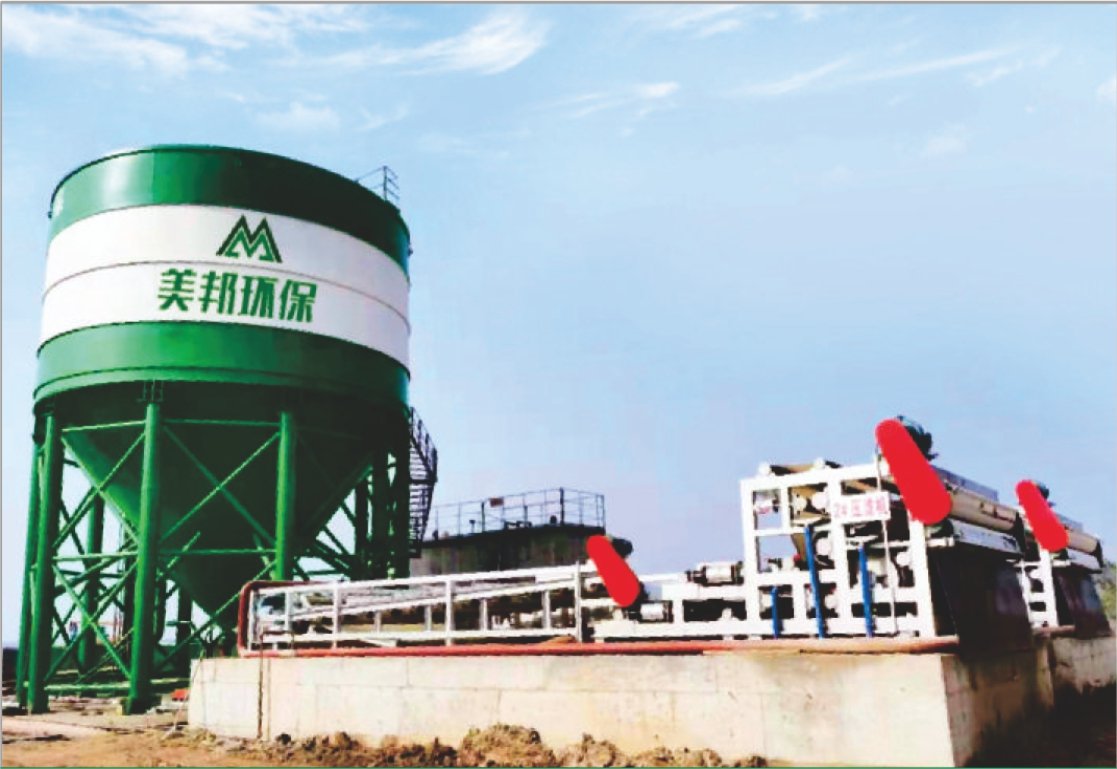
The first step in choosing a filter press is understanding the properties of the material you need to treat. Different types of sludge behave differently during filtration.
Key factors include:
- Solid concentration
- Particle size distribution
- Viscosity of the slurry
- Fiber content
- Chemical composition
For example, sludge with high fiber content may require a different dewatering approach compared to fine mineral slurry. Proper analysis of the material helps determine the most suitable filtration technology.
2. Determine the Required Processing Capacity
Another important factor is the processing capacity of the filter press. This is usually measured by the volume of slurry processed per hour.
When estimating capacity, consider:
- Expected hourly throughput
- Daily operating time
- Future production expansion
Selecting a machine with adequate capacity ensures stable operation and prevents bottlenecks in the production process.
3. Choose the Appropriate Type of Filter Press
There are several types of filter presses used in industrial applications, and each has its own advantages.
Plate and Frame Filter Press
This traditional design provides precise filtration and is suitable for fine particle separation.
Chamber Filter Press
A widely used modern design that offers efficient dewatering and relatively simple operation.
Membrane Filter Press
Equipped with squeezing membranes, this type can further reduce the moisture content of the filter cake.
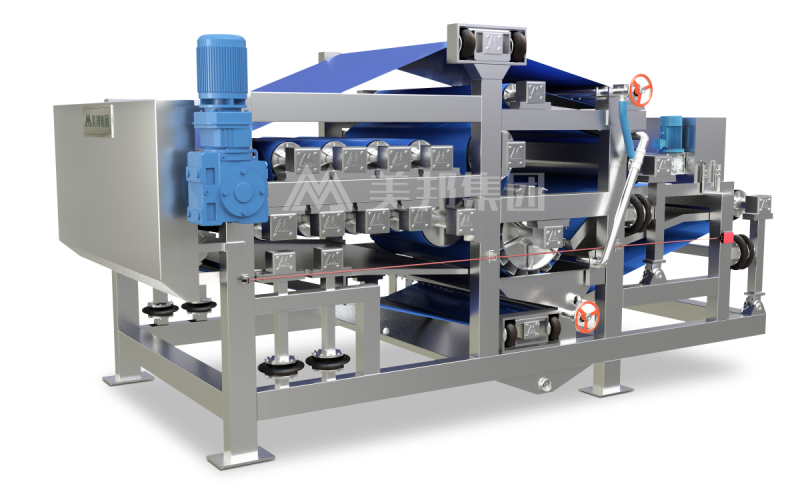
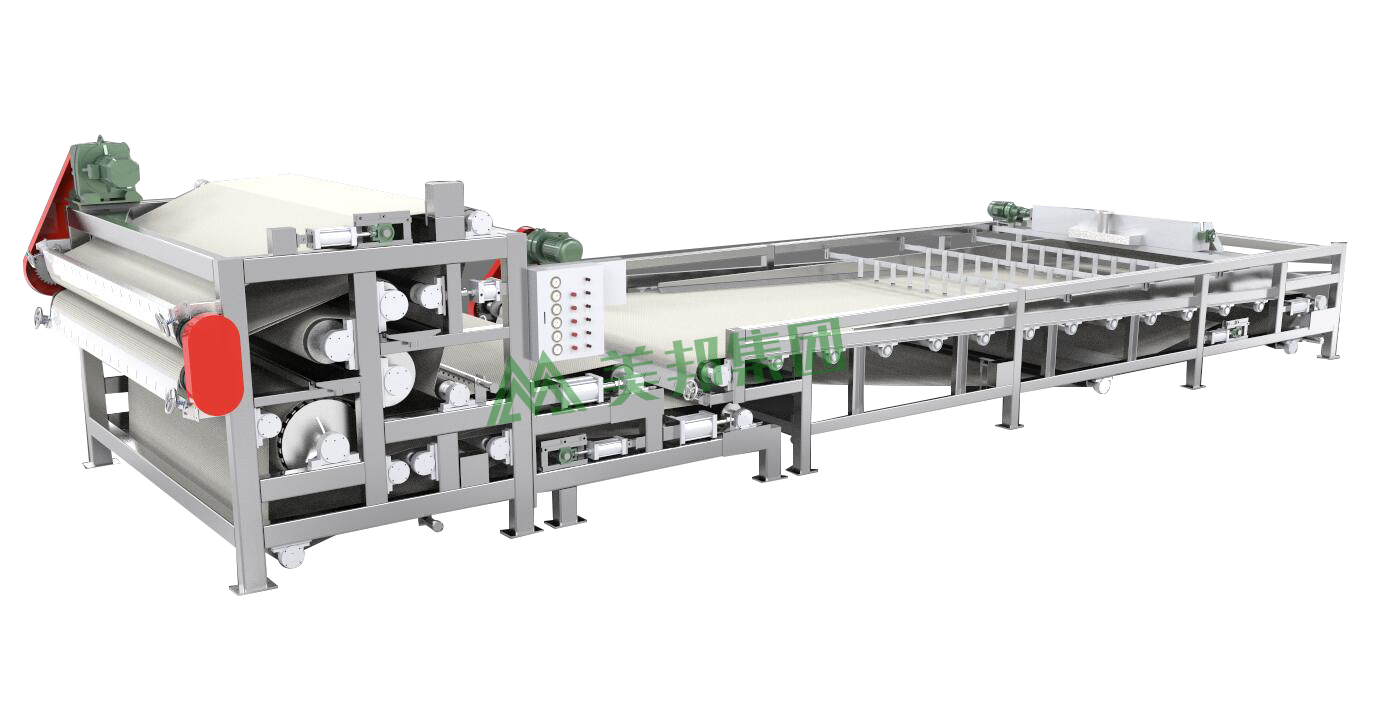
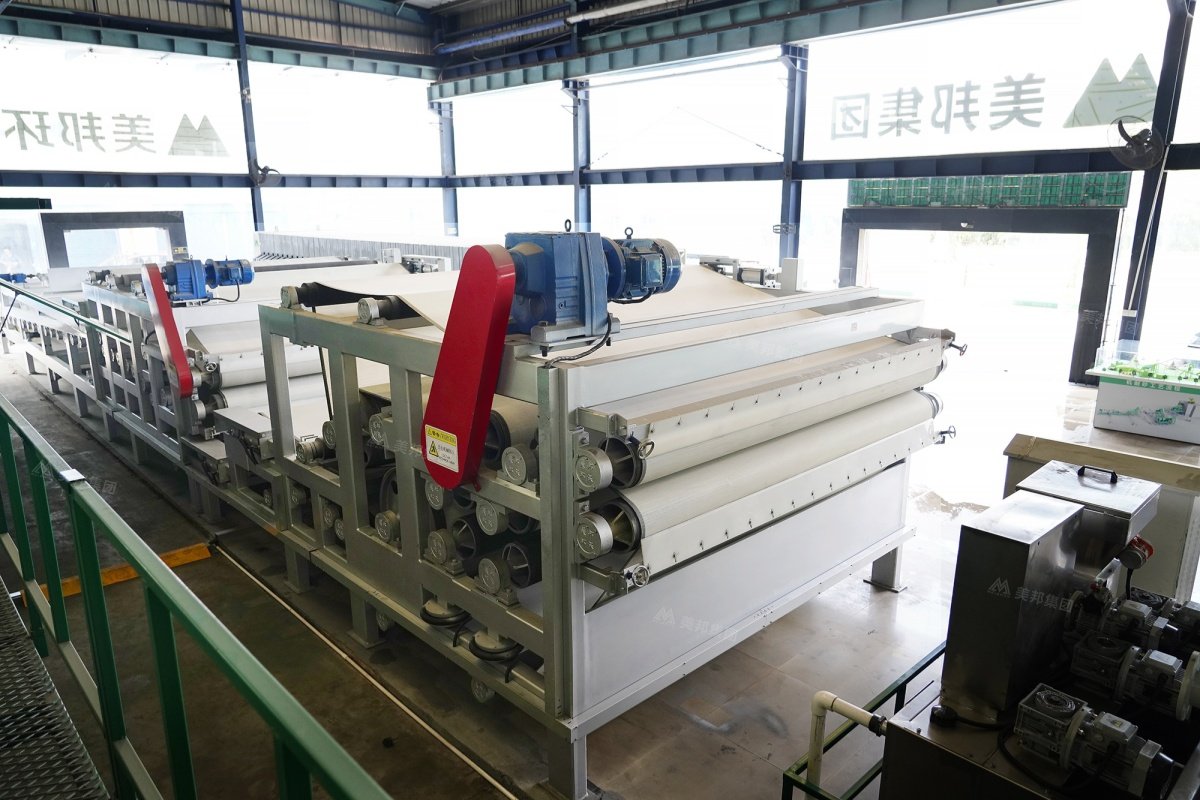
Belt Filter Press
A continuous filtration system commonly used in municipal sludge treatment and large-scale operations.
Choosing the correct type of filter press depends on the specific process requirements and sludge characteristics.
4. Consider the Level of Automation
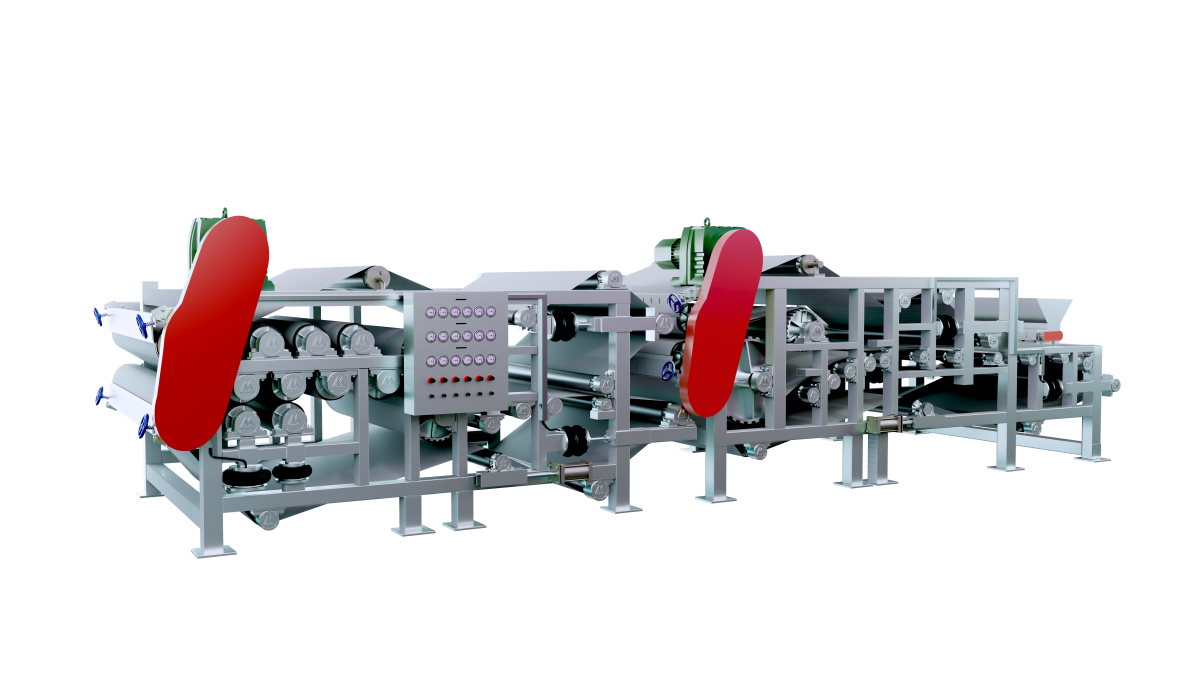
Automation level can significantly affect operating efficiency and labor costs.
Filter presses are generally available in:
- Manual systems
- Semi-automatic systems
- Fully automatic systems
Fully automatic filter presses are often preferred in modern industrial plants because they reduce manual intervention and improve operational efficiency.
5. Evaluate Operating and Maintenance Costs
While equipment price is important, long-term operating costs should also be considered.
Major cost factors include:
- Energy consumption
- Chemical conditioning agents
- Filter cloth replacement
- Routine maintenance
Selecting a high-quality filter press may require a higher initial investment but can reduce operating costs over time.
6. Choose a Reliable Equipment Manufacturer
Working with an experienced manufacturer is essential when selecting a filter press system.
A professional manufacturer can provide:
- Process evaluation and equipment selection
- Customized system design
- Installation and commissioning support
- Long-term technical service
This ensures the filtration system operates efficiently and reliably throughout its lifespan.
Conclusion
Choosing the right filter press requires careful evaluation of sludge characteristics, processing capacity, equipment type, automation level, and long-term operating costs.
By selecting the appropriate filtration system and partnering with an experienced manufacturer, industries can significantly improve sludge dewatering efficiency while reducing overall operating expenses.