
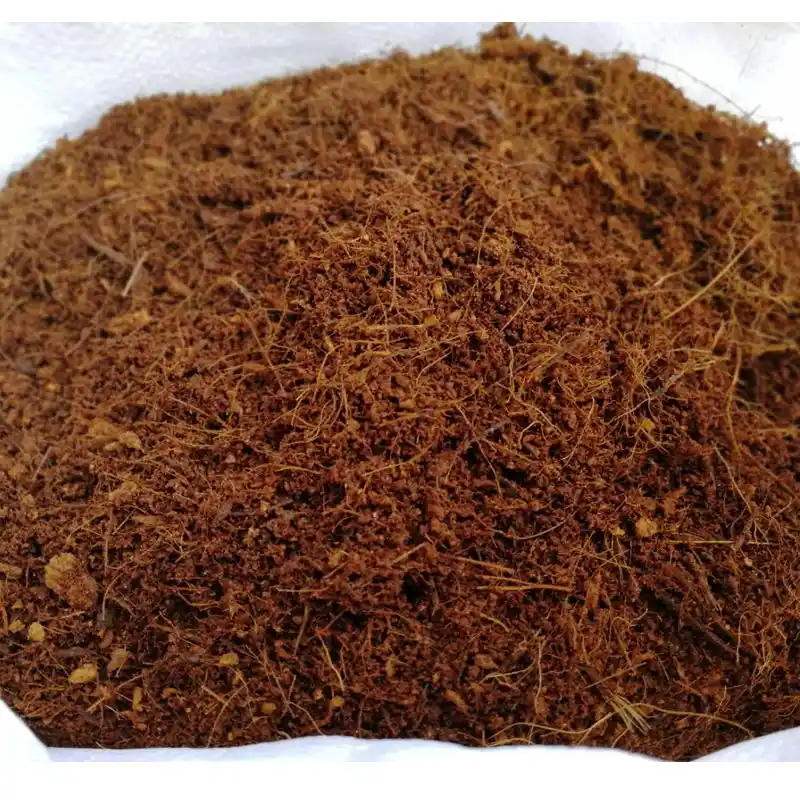
Complete Guide to Coco Peat Production Line
Coco peat, also known as coco coir pith, has become an increasingly important growing medium in modern horticulture. It is widely used in seedling cultivation, greenhouse planting, hydroponics, and soil improvement due to its excellent water retention, aeration, and environmentally friendly properties. As global demand for sustainable agricultural materials grows, many producers are investing in a complete coco peat production line to process coconut husk into high-quality coco peat products.
This guide explains how a coco peat production line works, the main processing steps involved, and the essential coco peat production equipment used in modern factories.
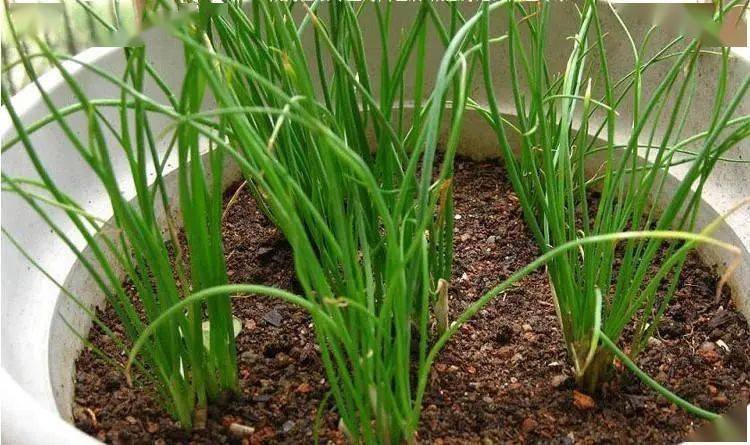
Raw Material: Coconut Husk
The production of coco peat begins with coconut husk, which is the fibrous outer shell of the coconut. Coconut husks are abundant in tropical countries such as Indonesia, India, Sri Lanka, Vietnam, and the Philippines. After coconuts are harvested for food and oil, the husk becomes a valuable raw material for the coco peat industry.
Before processing begins, the husks are usually stored or partially decomposed to soften the fibers. This makes it easier for mechanical equipment to separate the fiber and pith during the next stage of production.
Step 1: Crushing and Fiber Separation
The first key step in a coco peat production line is crushing the coconut husk to separate the fibers and pith. This process is typically performed using a crusher or fiber extraction machine. The crusher breaks the husk into smaller particles, releasing coco fiber and coco peat.
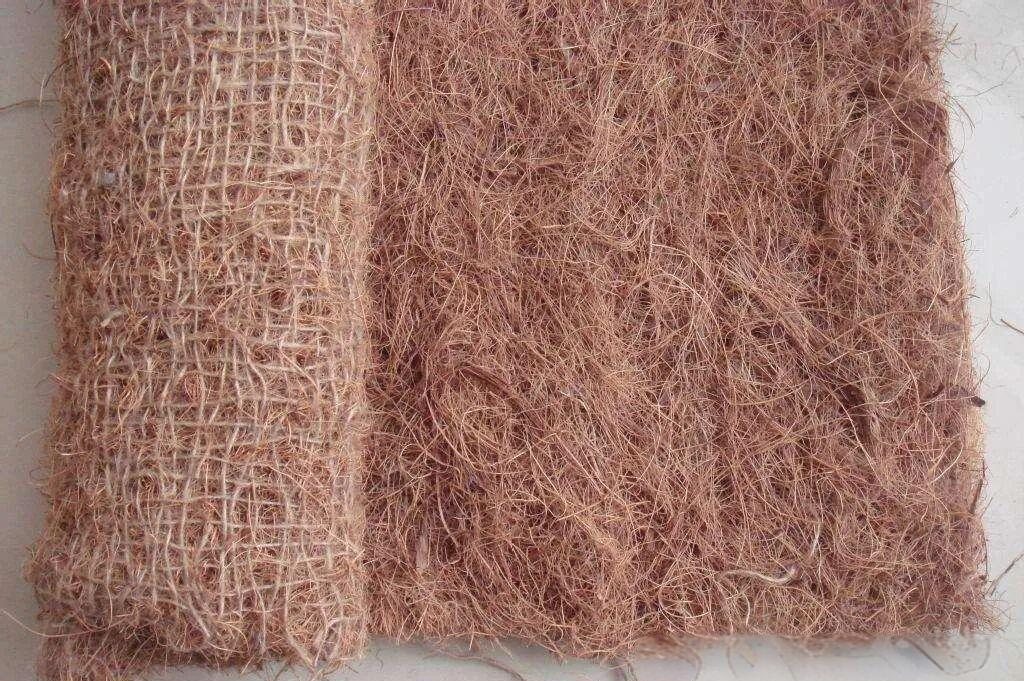
In most modern coco peat production equipment setups, the crusher is designed to handle large volumes of raw material efficiently. After crushing, screening equipment is often used to separate long fibers from coco peat particles. The fiber can be used for rope, mats, or erosion control products, while the coco peat moves to the next stage of processing.
Step 2: Washing and Desalting
Fresh coco peat often contains a high level of natural salts, especially when the coconuts are grown near coastal regions. High salt content can negatively affect plant growth and reduce the market value of coco peat products.
To solve this problem, producers use a coco peat desalting and dewatering machine as part of the washing system. During this process, coco peat is thoroughly washed with water to remove excess salts and impurities.
In large factories, the washing stage is often integrated into a coco peat automated production line. Continuous washing equipment ensures consistent salt reduction and improves the overall quality of the final product. Proper desalting is particularly important for coco peat that will be exported to international horticulture markets.
Step 3: Dewatering
After washing, coco peat contains a large amount of water. If the moisture level remains too high, transportation and further processing become difficult. Therefore, mechanical dewatering is an essential step.
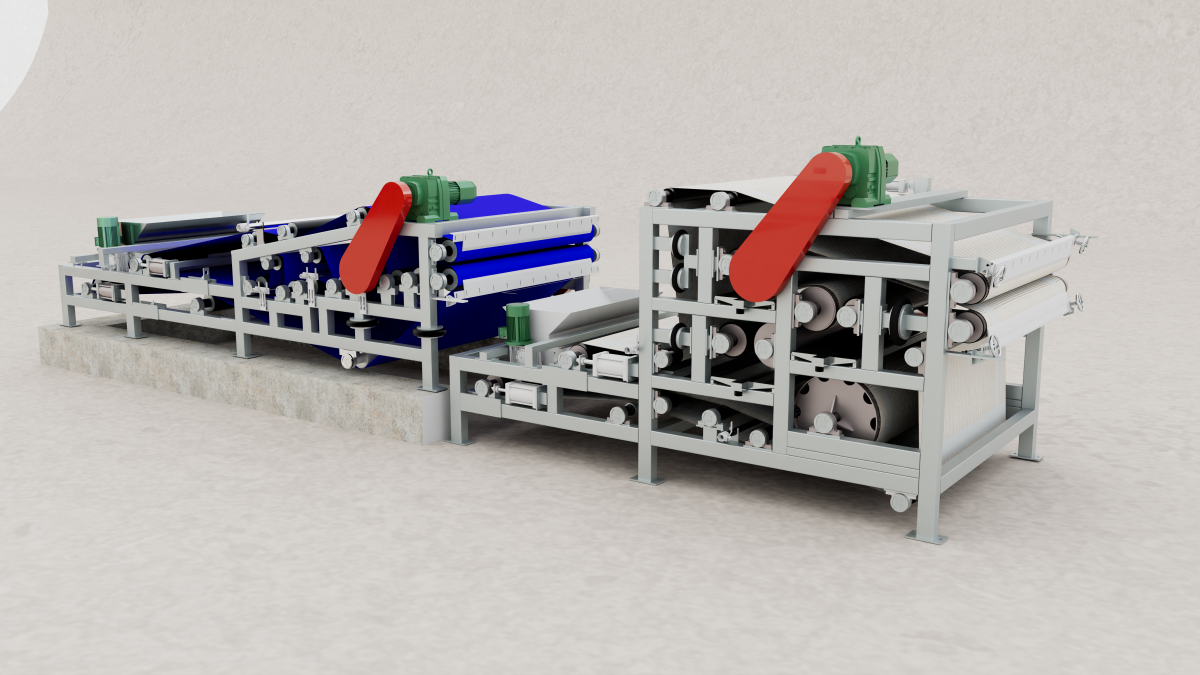
A coco peat desalting and dewatering machine is commonly used to squeeze out excess water. This machine uses mechanical pressure to reduce the moisture content of coco peat while maintaining its structure. Efficient dewatering helps lower drying costs and improves production efficiency.
Many coco peat processing plants rely on advanced dewatering systems provided by a professional coco peat automated production line supplier. High-quality dewatering equipment ensures stable operation and reduces energy consumption in the drying stage.
Step 4: Drying
In some production lines, especially those producing export-grade coco peat, additional drying is required. A dryer is used to further reduce the moisture content and stabilize the product for storage and transportation.
Modern drying systems are designed to operate continuously and efficiently. By controlling temperature and airflow, the dryer ensures that coco peat reaches the desired moisture level without damaging its structure.
Proper drying improves product quality and makes the material easier to compress during the next stage of processing.
Step 5: Screening and Size Control
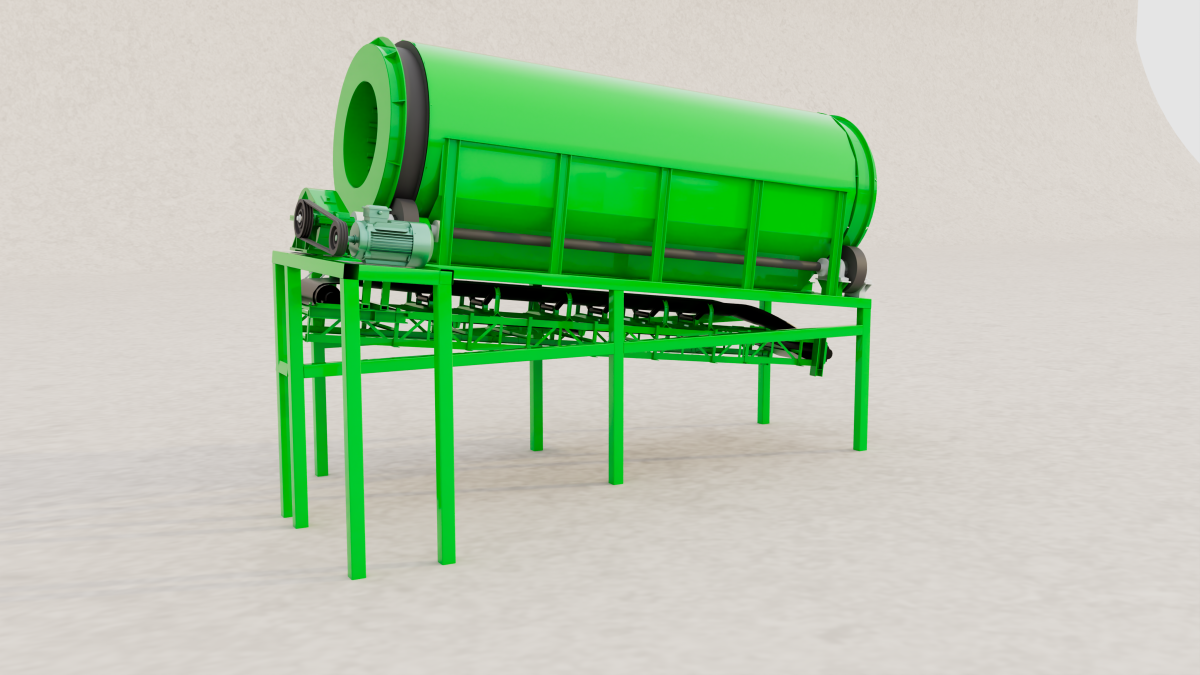
Before final packaging, coco peat is usually screened to ensure uniform particle size. Screening machines remove oversized particles and impurities, ensuring that the final product meets customer requirements.
Different markets require different coco peat textures. For example, fine coco peat is commonly used for seedling trays, while coarser material may be used for soil conditioning. Screening equipment allows producers to control product quality and consistency.
Step 6: Compression and Packaging
To reduce transportation costs, coco peat is often compressed into compact blocks or bricks. This is done using specialized equipment such as a brick making machine or block press.
A brick making machine compresses loose coco peat into small bricks that expand when soaked in water. These bricks are convenient for retail markets and small-scale growers.
For industrial applications, larger blocks are produced using a block cutting machine or automated compression system. The block cutting machine ensures that each compressed block has consistent dimensions, which improves packaging efficiency and storage.
Compression technology plays a key role in making coco peat products more economical to transport and distribute globally.
Step 7: Automated Production Line Integration
In modern coco peat factories, many of these processes are integrated into a fully coco peat automated production line. Automation reduces labor costs, improves production efficiency, and ensures consistent product quality.
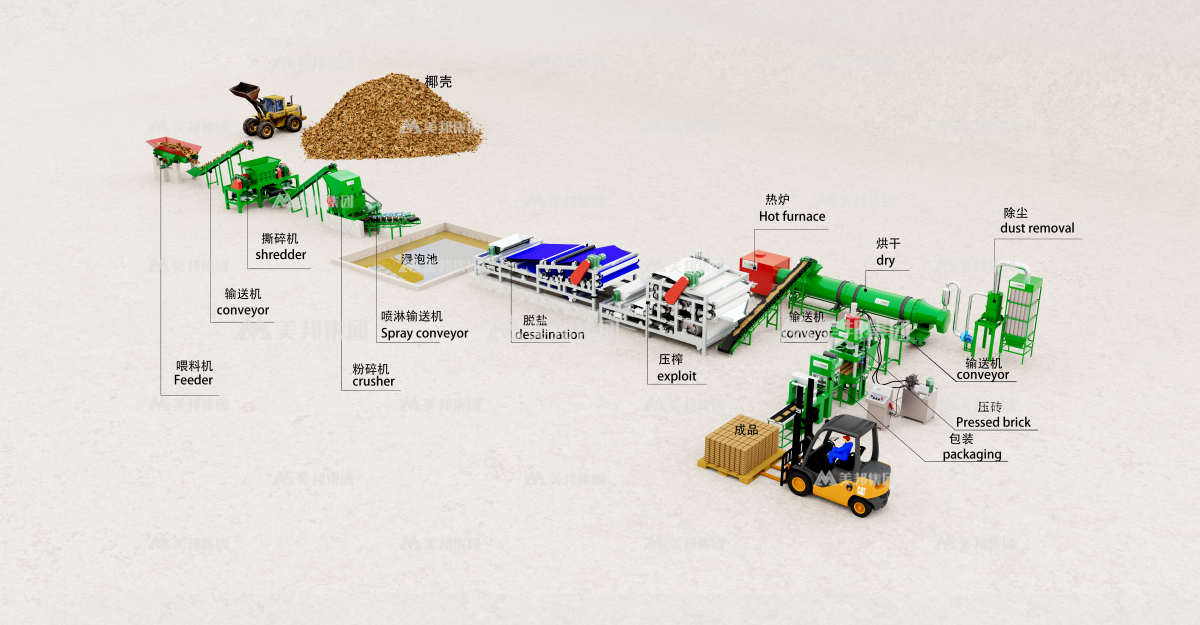
A complete production line may include:
- Crusher for coconut husk processing
- Washing and desalting system
- Coco peat desalting and dewatering machine
- Screening equipment
- Dryer for moisture control
- Block cutting machine
- Brick making machine for compression and packaging
Working with an experienced coco peat automated production line supplier is essential for designing an efficient factory layout and selecting the right equipment for each stage.
Advantages of a Complete Coco Peat Production Line
Investing in a modern coco peat production line offers several advantages:
First, it significantly improves production efficiency by automating multiple processing steps. Second, advanced equipment ensures consistent product quality, which is important for international markets. Third, proper desalting and dewatering increase the commercial value of coco peat products.
In addition, automated systems reduce manual labor and allow producers to scale up production more easily as demand grows.
Conclusion
Coco peat has become one of the most important sustainable growing media in global agriculture. With increasing demand from horticulture and greenhouse industries, efficient processing technology is essential for producers.
A complete coco peat production line typically includes crushing, washing, desalting, dewatering, drying, screening, and compression processes. Key coco peat production equipment such as crushers, dryers, block cutting machines, brick making machines, and coco peat desalting and dewatering machines all play important roles in ensuring product quality.
For companies planning to enter the coco peat processing industry, partnering with a reliable coco peat automated production line supplier can help design a stable, efficient, and scalable production system. With the right equipment and process design, producers can turn coconut waste into high-value agricultural products while supporting sustainable farming practices.