
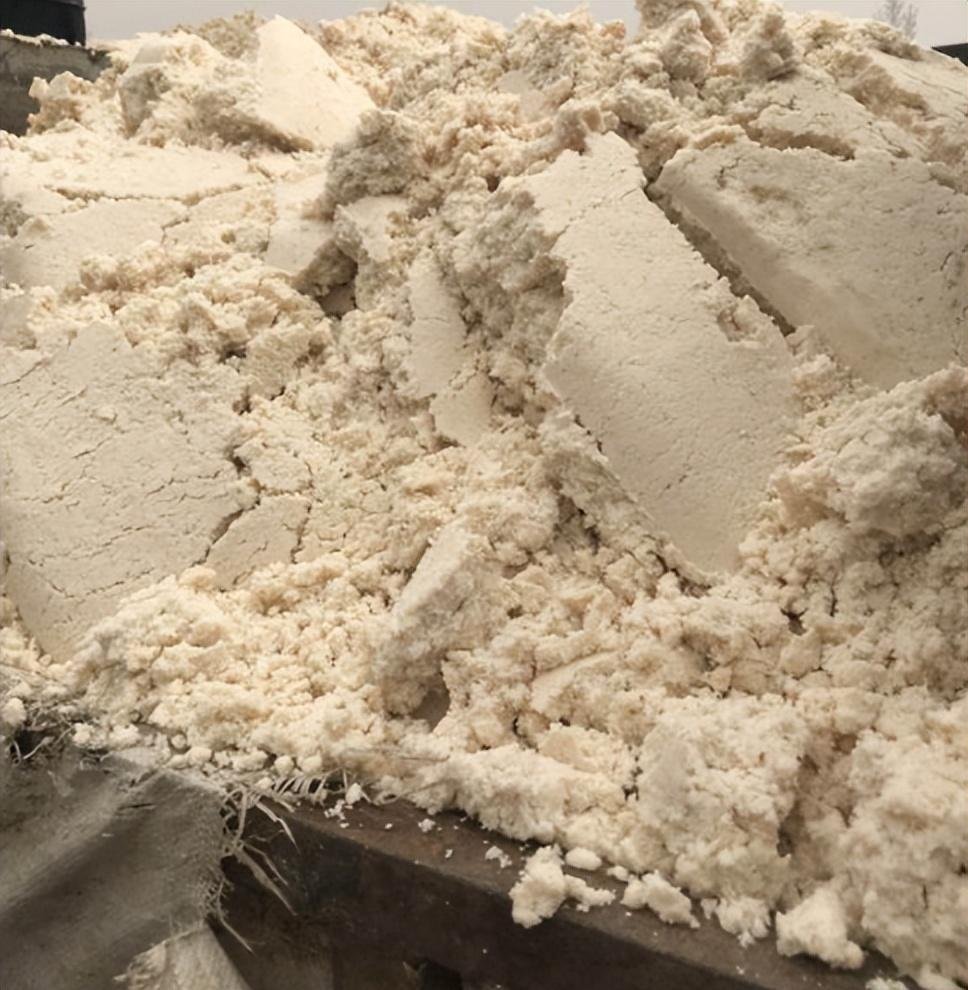
Cassava processing generates large amounts of cassava residue, also known as cassava pulp or cassava waste. In starch factories, food processing plants, and cassava flour production lines, this by-product often contains extremely high moisture content, making transportation, storage, and secondary utilization difficult.
Without proper dewatering treatment, wet cassava residue can quickly ferment, produce odors, increase transportation costs, and create environmental management challenges. As global demand for biomass recycling, animal feed, and organic fertilizer continues to grow, efficient cassava residue dewatering has become an important step in improving the value of cassava processing by-products.
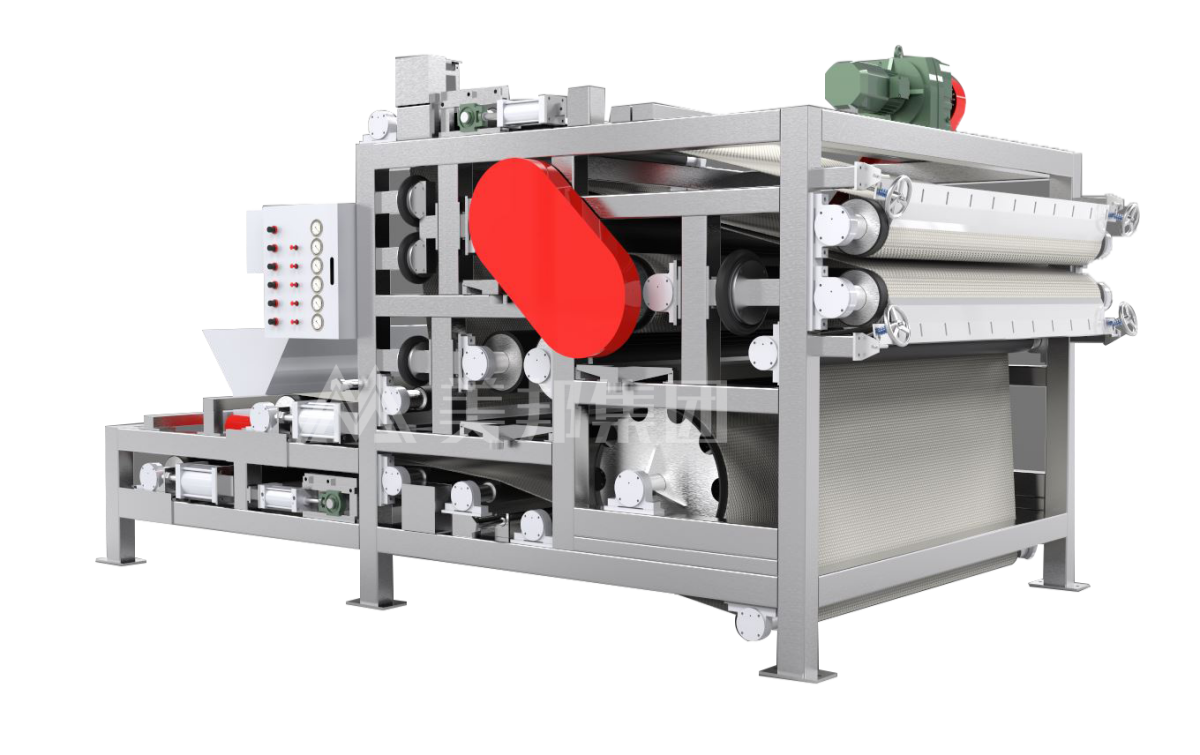
Modern belt filter press systems provide an effective solution for continuous cassava residue dewatering, helping factories reduce moisture content, lower operating costs, and increase the commercial value of cassava waste.
What Is Cassava Residue?
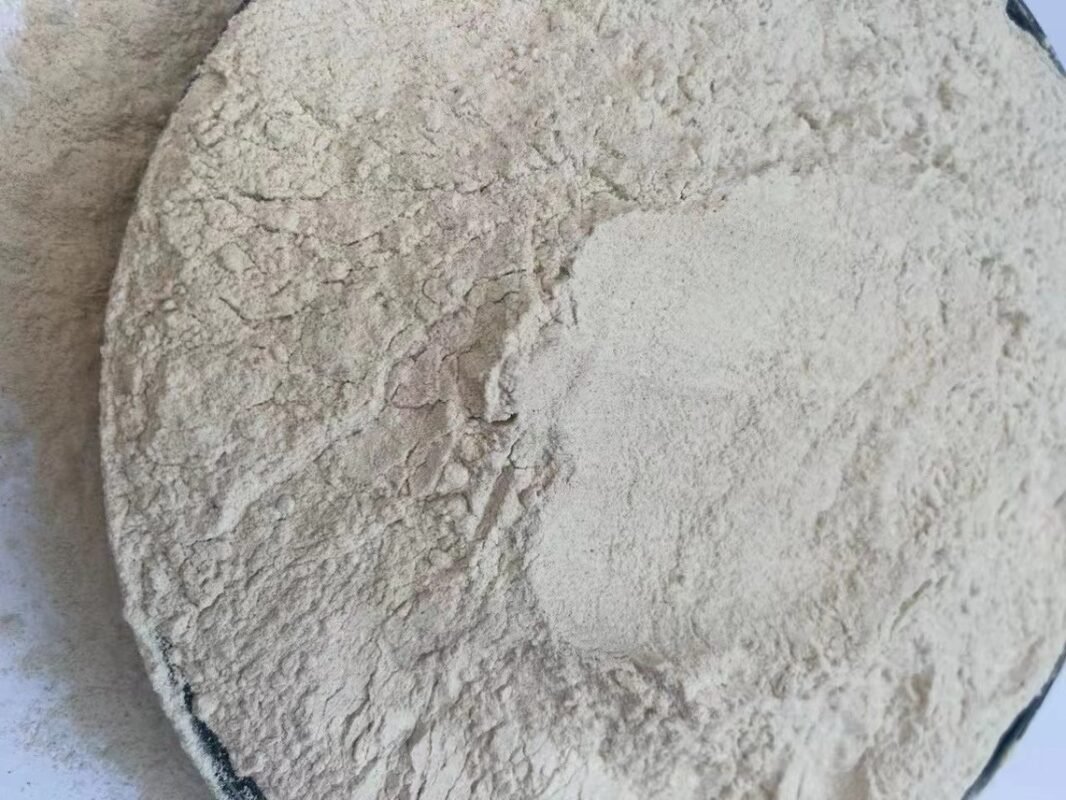
Cassava residue is the fibrous by-product generated during cassava starch extraction. It typically contains:
- Residual starch
- Cellulose
- Hemicellulose
- Organic matter
- High moisture content
Fresh cassava residue usually contains 75%–90% moisture, resulting in large volume and heavy weight. Because of its high fiber content and sticky characteristics, cassava residue is considered a difficult material to handle using traditional dewatering equipment.
This is why many cassava processing plants are now adopting customized belt filter press systems specifically designed for high-fiber materials.
Why Cassava Residue Dewatering Is Important
Efficient dewatering significantly improves the overall utilization of cassava residue and reduces disposal costs.
Key Benefits of Cassava Residue Dewatering
Reduced Transportation Costs
After mechanical dewatering, the volume and weight of cassava residue can be greatly reduced. Lower moisture content means lower transportation expenses and improved logistics efficiency.
Lower Drying Energy Consumption
Pre-dewatering before thermal drying can substantially reduce fuel or electricity consumption during the drying process.
Easier Storage and Handling
Dewatered cassava residue is easier to stack, transport, package, and store. It also reduces odor generation and wastewater leakage.
Improved Resource Recovery
Mechanical dewatering helps convert cassava residue from industrial waste into valuable biomass resources for agriculture, feed production, energy generation, and industrial applications.
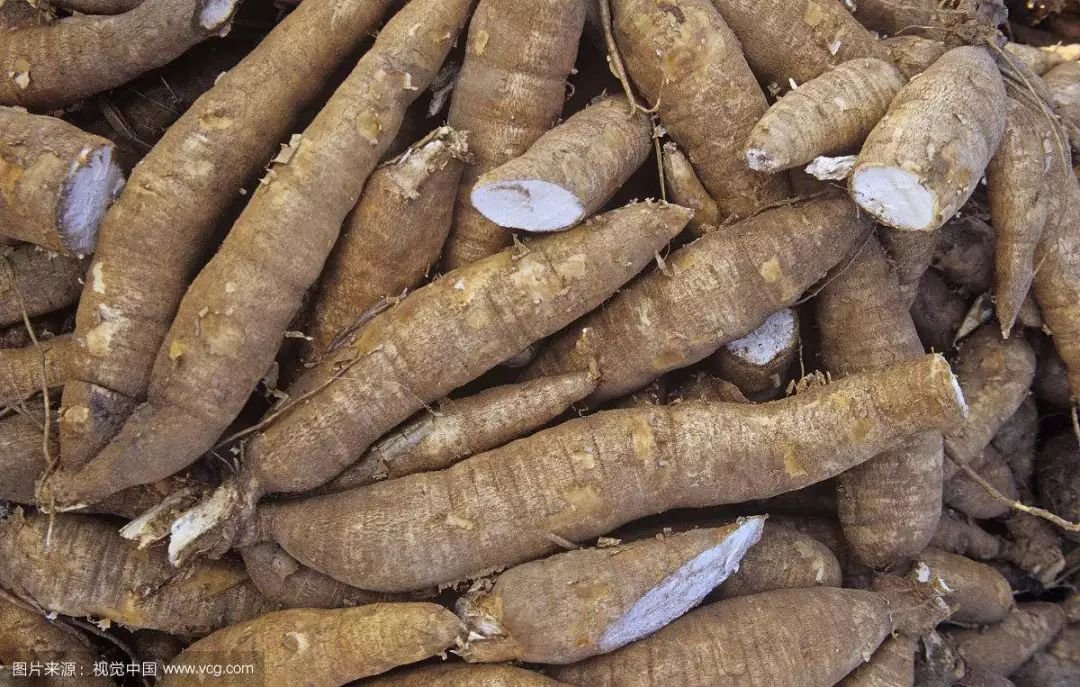
Cassava Residue Dewatering Process
A complete cassava residue dewatering process typically includes the following steps:
1. Material Collection and Conveying
Wet cassava residue from starch production lines is collected and transported to the dewatering system using screw conveyors, pumps, or belt conveyors.
2. Conditioning and Mixing
Depending on the moisture content and fiber characteristics, polymer dosing or conditioning systems may be added to improve flocculation and separation efficiency.
3. Gravity Drainage
The material first enters the gravity drainage zone of the belt filter press, where free water is removed through gravity separation.
4. Wedge Pressing Zone
The slurry gradually enters the wedge zone, where pressure increases slowly to avoid material overflow while improving water removal efficiency.
5. High-Pressure Pressing Zone
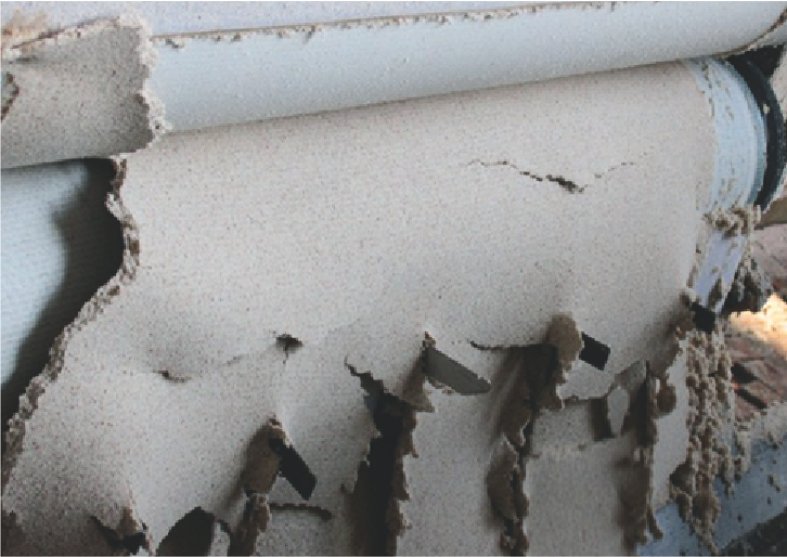
In the final stage, multiple rollers apply continuous pressure to squeeze additional water from the cassava residue.
After dewatering, the moisture content can be significantly reduced, depending on material characteristics and system configuration.
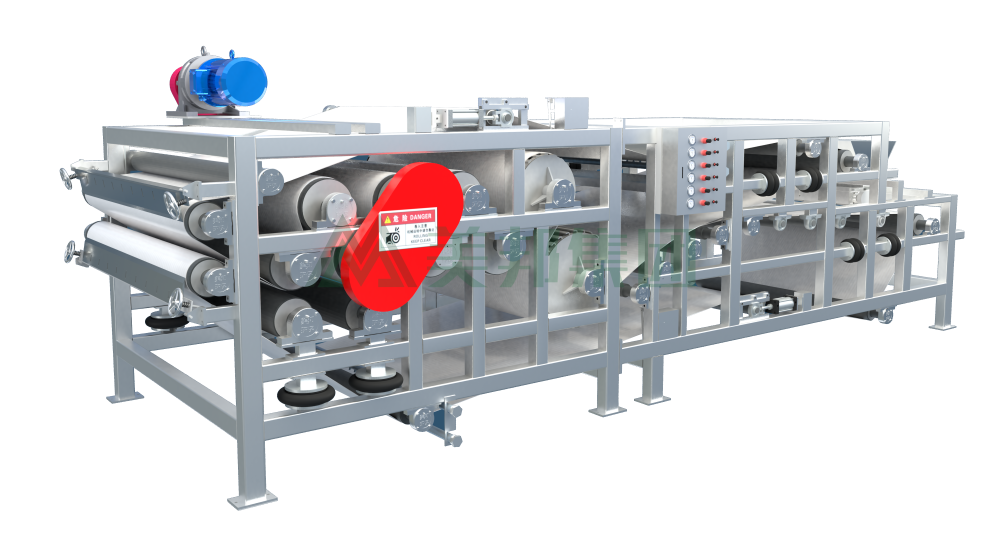
Why Belt Filter Presses Are Suitable for Cassava Residue
Compared with conventional filter presses or centrifuges, belt filter presses offer several advantages for high-fiber biomass materials.
Continuous Operation
Belt filter presses support continuous feeding and continuous discharge, making them ideal for large-scale cassava processing plants.
Suitable for High-Fiber Materials
Cassava residue contains large amounts of fibrous material that can easily clog conventional filtration systems. Belt filter presses are better suited for handling fibrous sludge and biomass waste.
Lower Operating Cost
Compared with some high-pressure dewatering systems, belt filter presses generally consume less power and require lower maintenance costs.
Reduced Labor Requirement
Modern automatic control systems reduce manual operation and improve production efficiency.
Flexible Customization
Belt width, roller configuration, and pressing pressure can be customized according to different cassava residue characteristics and processing capacity requirements.
Main Applications of Dewatered Cassava Residue
After dewatering treatment, cassava residue can be reused in multiple industries.
Animal Feed and Livestock Farming
Dewatered cassava residue is widely used as a roughage ingredient for cattle, sheep, and other ruminants. Proper dewatering improves handling and reduces spoilage during transportation and storage.
After anti-mold treatment and preservation, the storage life can be significantly extended.
Organic Fertilizer Production
Cassava residue can be mixed with starch wastewater, fermentation bacteria, and mineral additives to produce amino acid bio-organic fertilizer rich in nutrients.
Mechanical dewatering improves fermentation efficiency and reduces moisture-related processing problems.
Biomass Energy Production
Cassava residue can be used as a raw material for alcohol fermentation and biogas production.
After anaerobic digestion, additional dewatering treatment of biogas residue improves secondary resource utilization and reduces waste disposal volume.
Biodegradable Materials and Paper Industry
Because cassava residue contains high cellulose content, it can be further processed into biodegradable materials or used as raw material in paper manufacturing.
Common Challenges in Cassava Residue Dewatering
Although cassava residue has high recycling value, its dewatering process also presents several technical challenges.
High Fiber Content
The fibrous structure can reduce filtration efficiency and increase equipment wear.
Sticky Material Characteristics
Cassava residue may adhere to equipment surfaces, affecting continuous operation if the system is not properly designed.
Fluctuating Moisture Content
Different starch production processes may generate cassava residue with varying solid concentrations.
Odor and Fermentation Issues
Untreated cassava residue can rapidly ferment in hot climates, making rapid dewatering especially important.
For these reasons, selecting a customized dewatering solution is critical for stable operation.
Choosing the Right Belt Filter Press for Cassava Residue
When selecting a cassava residue dewatering machine, several factors should be considered:
- Processing capacity
- Final moisture content requirements
- Fiber concentration
- Operating cost
- Belt cleaning efficiency
- Automation level
- Maintenance requirements
For large-scale cassava starch plants, customized industrial belt filter press systems usually provide better long-term operating stability.
Future Trends in Cassava Residue Recycling
As environmental regulations become stricter and biomass recycling technologies continue to develop, cassava residue is gradually changing from industrial waste into a valuable renewable resource.
Many factories are now investing in advanced dewatering equipment to improve:
- Resource recovery
- Transportation efficiency
- Energy utilization
- Organic fertilizer production
- Sustainable manufacturing
Efficient cassava residue dewatering will continue to play an important role in biomass processing industries worldwide.
Conclusion
Cassava residue contains valuable organic matter and fiber resources, but its high moisture content creates major challenges for transportation, storage, and recycling.
Using a customized belt filter press system can significantly reduce moisture content, lower operating costs, and improve the overall utilization rate of cassava processing by-products.
For industries involved in cassava starch processing, animal feed production, biomass recycling, and organic fertilizer manufacturing, efficient cassava residue dewatering is becoming an increasingly important investment for sustainable industrial development.