
Belt Filter Press vs Plate and Frame Filter Press: Key Differences Explained
Introduction
In wastewater treatment and industrial sludge processing, choosing the right dewatering equipment is essential for improving efficiency and reducing operating costs. Two of the most commonly used machines are the Belt Filter Press and the Plate and Frame Filter Press.
Although both machines are designed for solid-liquid separation, their working principles, applications, and performance characteristics are quite different. Understanding these differences can help industries choose the most suitable equipment for their sludge treatment process.
Working Principle
Belt Filter Press
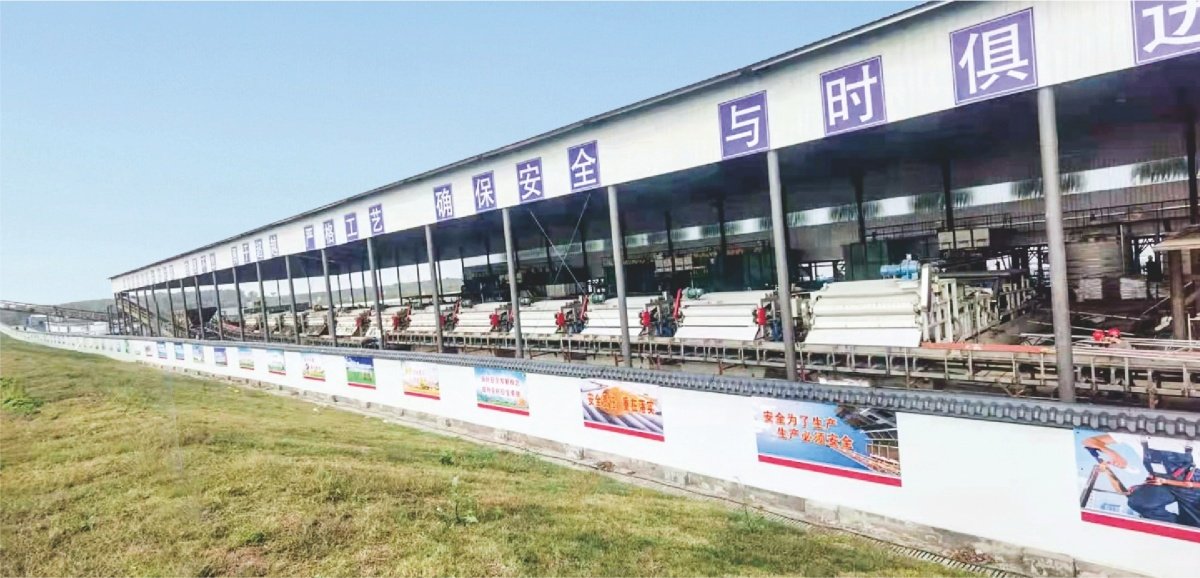
A belt filter press uses two continuous filter belts to squeeze sludge through multiple rollers. During operation, sludge is first conditioned with flocculants and then gradually compressed as it passes through the pressure zone between the belts. Water is removed through the filter cloth while solids form a filter cake.
This process is continuous, making belt presses suitable for operations requiring stable and large-scale sludge treatment.
Plate and Frame Filter Press
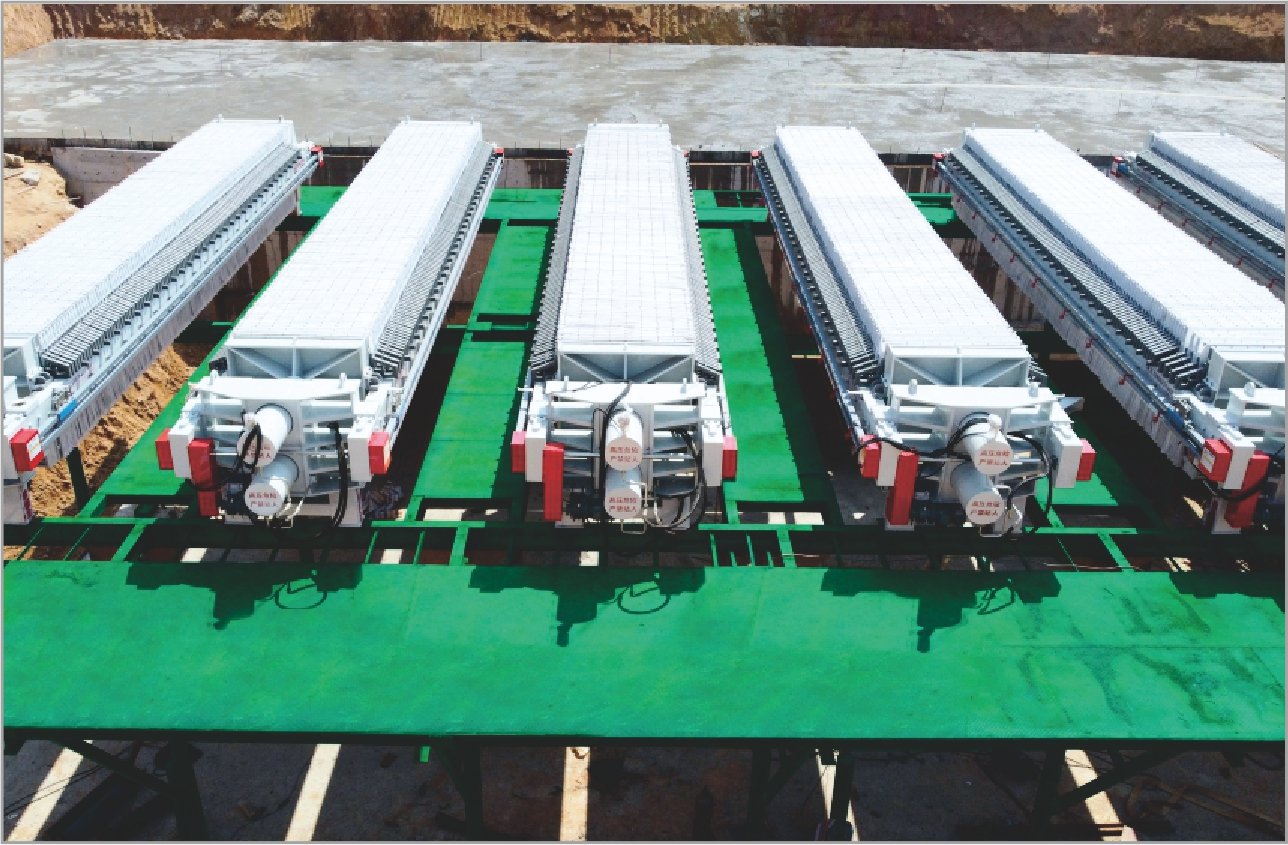
A plate and frame filter press works by pumping slurry into chambers formed by filter plates. Under high pressure, liquid passes through the filter cloth while solids remain in the chamber, forming a filter cake.
This system typically operates in batches rather than continuous flow, but it can produce a much drier filter cake.
Dewatering Performance
One of the main differences between the two machines is their dewatering performance.
Plate and frame filter presses generally achieve lower moisture content in the filter cake because they apply higher pressure during filtration. This makes them particularly suitable for applications where very dry solids are required.
Belt filter presses usually produce slightly wetter sludge cakes, but they offer higher processing capacity and faster operation.
Processing Capacity
Belt filter presses are designed for continuous operation and are capable of handling large volumes of sludge. They are commonly used in municipal wastewater treatment plants where sludge production is constant.
Plate and frame filter presses operate in cycles, which means each filtration process must be completed before the next one begins. Although the filtration efficiency is high, the overall processing speed may be slower compared to continuous systems.
Automation and Operation
Automation levels also differ between these two types of equipment.
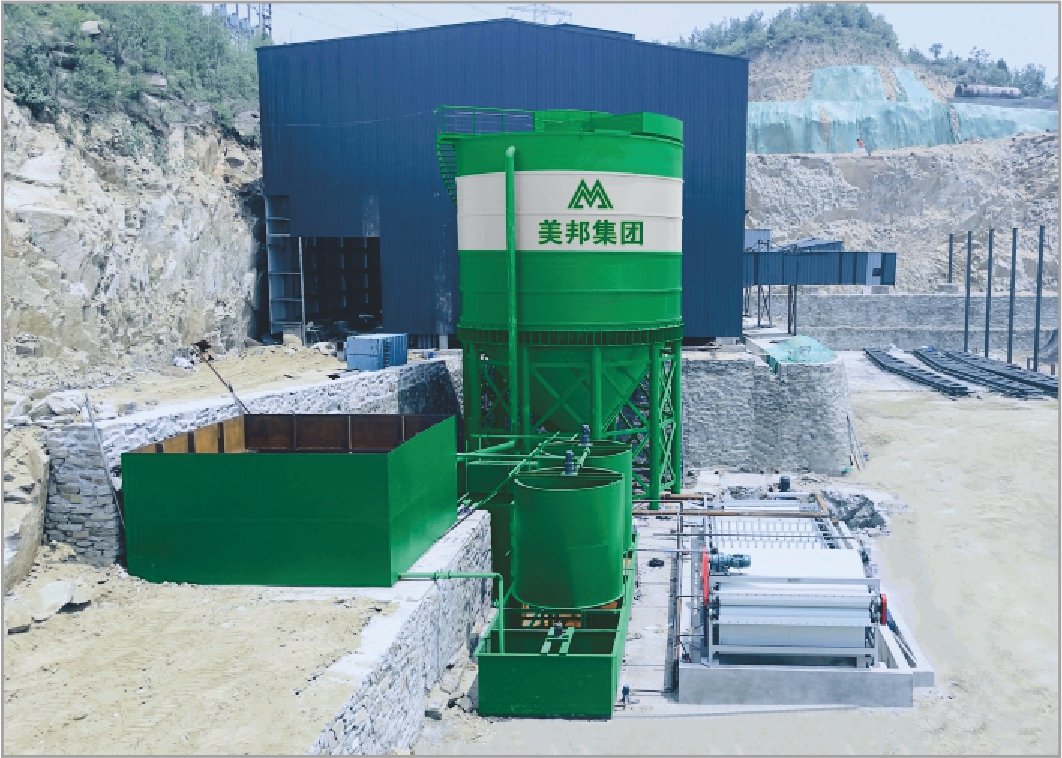
Modern belt filter presses often feature automated belt tracking, washing systems, and simple operation, making them suitable for facilities that require stable continuous operation.
Plate and frame filter presses can also be automated, especially in modern programmable systems, but the filtration process still occurs in cycles.
Typical Applications
Belt Filter Press Applications
Belt filter presses are widely used in:
- Municipal sewage treatment plants
- Paper mills
- Food processing industries
- Sludge treatment facilities
Plate and Frame Filter Press Applications
Plate and frame filter presses are commonly used in:
- Mining and mineral processing
- Chemical industries
- Pharmaceutical production
- Industrial wastewater treatment
These industries often require lower moisture content in the filter cake.
Maintenance and Operating Cost
Belt filter presses generally require regular maintenance of belts and rollers. However, they consume relatively low energy and operate continuously, which can reduce labor requirements.
Plate and frame filter presses may require periodic filter cloth replacement and chamber cleaning, but they provide superior dewatering performance, which can reduce downstream disposal costs.
Conclusion
Both belt filter presses and plate and frame filter presses play important roles in sludge dewatering and solid-liquid separation.
A Belt Filter Press is ideal for large-scale continuous sludge treatment, especially in municipal wastewater facilities.
A Plate and Frame Filter Press is better suited for applications requiring higher pressure and lower moisture content in the filter cake.
Choosing the right equipment depends on sludge characteristics, processing capacity requirements, and the desired dryness of the final solids.