

The Breakthrough: From “Survival Crisis” to “Project Continuity”
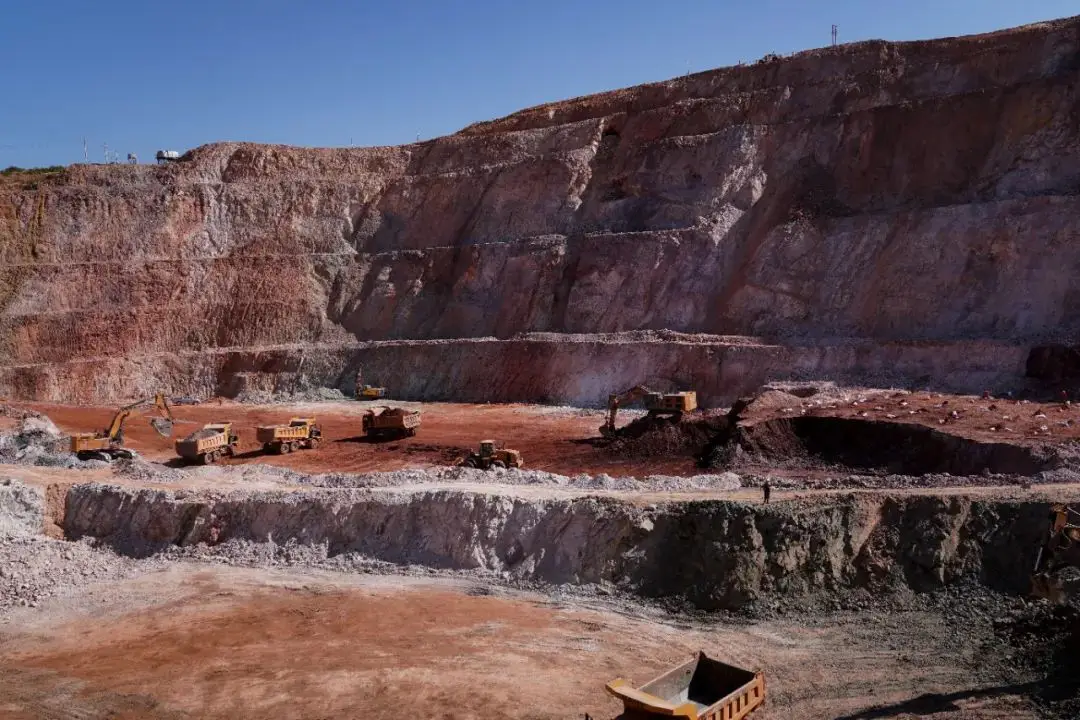
In Africa, mining is not merely a business activity; it is a race against geographical reality.
Unlike mature mining regions, many African mines face an incredibly harsh reality: unstable electricity supply, lack of centralized water networks, a shortage of skilled labor, and increasingly severe flood risks during the rainy season. The high-suspended-solids wastewater generated by mining tailings is not just an environmental issue here; it is a fatal killer of project shutdowns.
Once the sewage treatment system fails due to power or water shortages, the consequences are catastrophic: the risk of tailings dam overflow, a complete loss of washing efficiency, and equipment overheating due to a lack of cooling water. For investors, this means a direct bankruptcy of the capital chain.
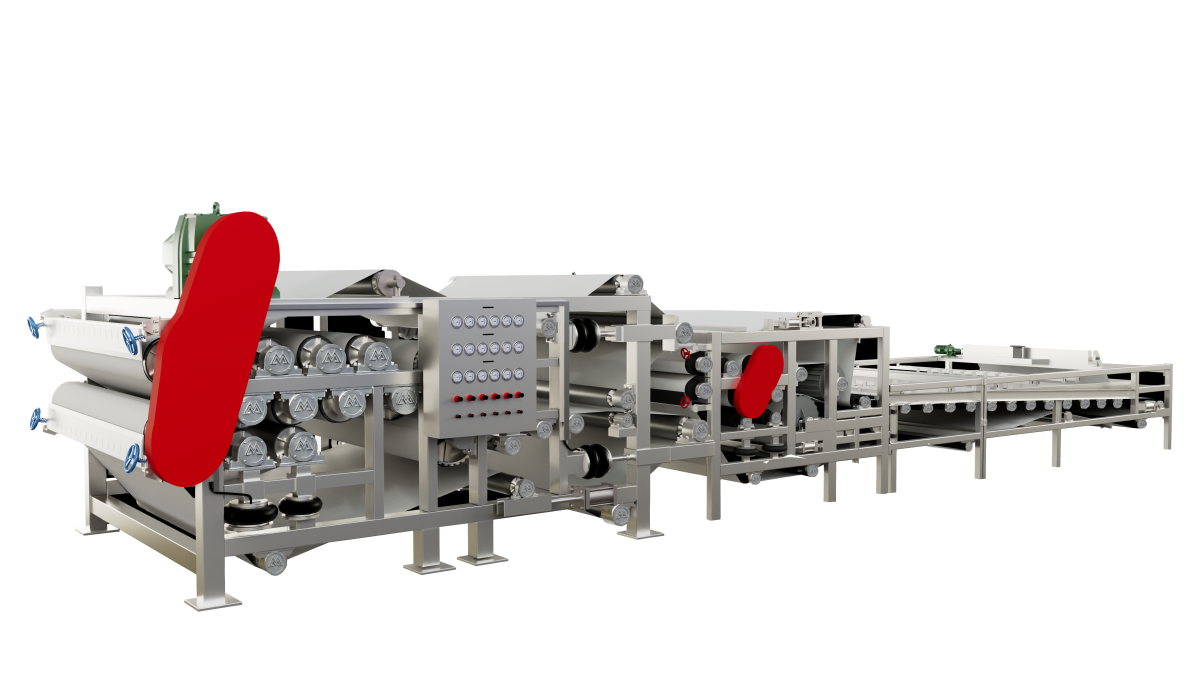
Traditional “high-end” automated solutions often do not fit the local soil here. In Africa, what keeps the operation running is the best solution. The belt filter press is no longer just an environmental equipment; it is the “lifeline” that guarantees the continuous operation of the washing process. Selecting equipment is, essentially, selecting a level of “risk resistance.”
Core Deconstruction: Adapted Process Flow and Selection
The traditional linear process flow for African mining slurry treatment must undergo a process of “dimensionality reduction” and “reinforcement” to adapt to the specific geographical and social conditions.
Inlet Slurry: Adapting to “No Piping” and “Dirty Water”
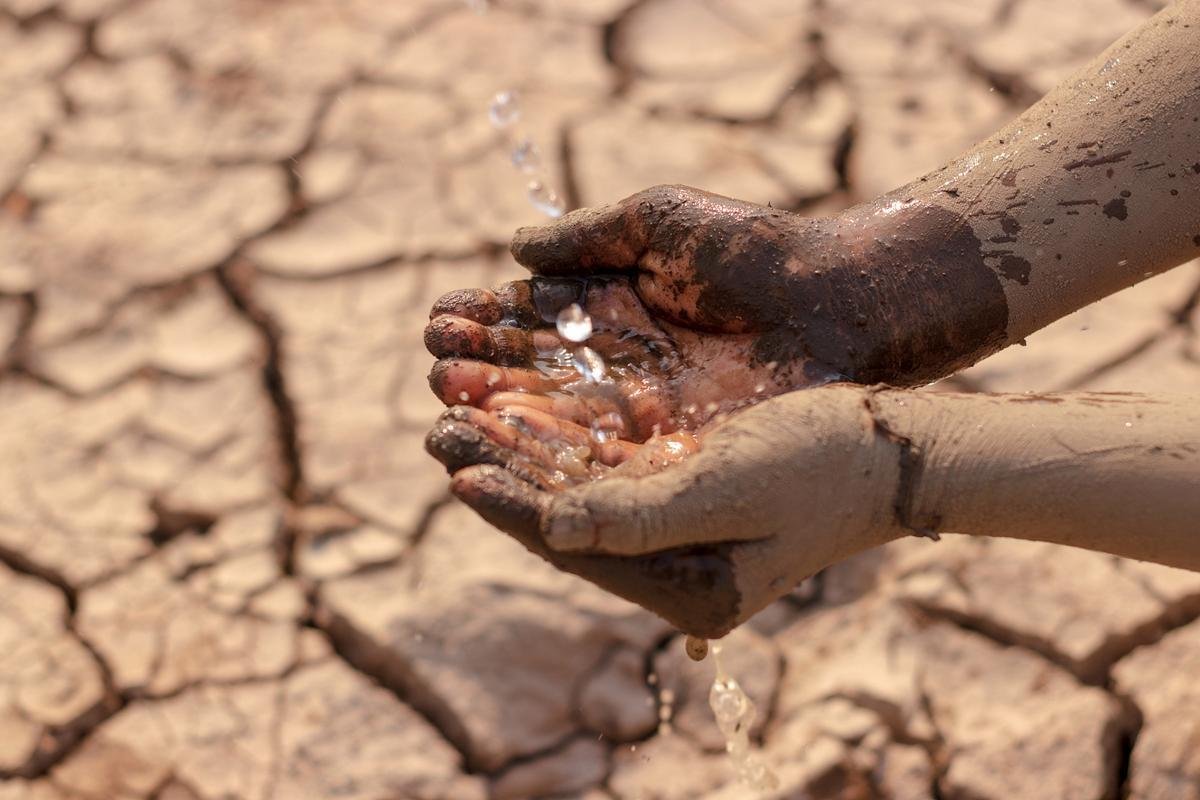
- Pain Point: African mining sites often lack centralized water piping networks. Slurry often comes from on-site settling tanks with fluctuating concentrations and abundant impurities.
- Selection Optimization:
- Large Diameter, High-Pressure Sealed Inlets: Must be equipped with large-diameter suction pipes to adapt to non-constant inflows, preventing cavitation or leaks caused by flow fluctuations.
- Anti-Clogging Design: African tailings are often coarse and contain iron impurities. The filter cloth pore design must feature larger pore sizes to prevent rapid initial clogging and forced shutdowns for cleaning.
Core Dewatering: Low-Voltage Tolerance and “Dumb” Operation
This is the most painful link for African mining sites. Complex PLC control systems are prone to failure under voltage fluctuations, and skilled engineers capable of repairing them are scarce locally.
- Core Selection Logic:
- Weak Grid Tolerance: Must select wider voltage range motors (e.g., 110V–220V AC) and equip the unit with a large-capacity diesel generator automatic switching system to ensure the machine does not shut down during power outages.
- Simplified Control Logic: Prioritize mechanical limit switches or simple programmable controllers. The logic should be designed as a “start, run, stop” one-click operation, allowing local workers with basic training to operate the machine, reducing reliance on technical experts.
- Vandalism and Dust Protection: Electrical cabinets must have an IP54 or higher protection rating to withstand tropical rain, mist, and dust. Critical spare parts (such as belts and rollers) should use a modular design for quick on-site replacement.
Filter Cloth and Materials: The Trial of a Tropical Climate
- Corrosion Resistance: African coastal mines face heavy salt spray, while inland mines experience large swings in pH. Filter cloth materials cannot only be evaluated for water pressure resistance; they must demonstrate chloride ion resistance and chemical agent tolerance.
- Abrasion Resistance: The characteristics of African gravel often lead to accelerated wear. Filter cloths should undergo special treatments or be paired with wear-resistant skeletons to extend service life and reduce the frequency of stoppages for replacement.
Value Validation: From “Cost Reduction” to “Production Guarantee”
In Africa, the cost-performance formula for equipment is no longer Cost=Labor+Reagent; it is Survival=Reliability+AvailabilitySurvival = Reliability + AvailabilitySurvival=Reliability+Availability.
Survival Value: Production Loss > Equipment Depreciation
- Washing is Profitable: African mining companies are extremely cost-sensitive. A 10% drop in washing efficiency results in losses far exceeding the cost of installing a dual-power supply system.
- Decision: Select belt filter presses with dual-circuit power switching to ensure at least 50% dewatering capability is maintained under any grid fluctuation, guaranteeing continuous washing operations.
Maintenance Value: Localized Spare Parts and Training
- Reject “Black Boxes”: Equipment must come with a complete and easily accessible local spare parts list. If a seal or motor part requires shipping from China for two months, the project will already be idle.
- Training First: An excellent solution should include hands-on practical training for local workers, simplifying complex workflows into visual, replicable standard actions to reduce downtime caused by human operational errors.
Energy Self-Sufficiency: Building a “Micro-Grid” Core
- Solar-Storage-Charging Integration: Considering that parts of Africa rely on diesel generators for grid power, the preferred option should support integration with solar panels and batteries. Utilize low-load periods at night for automatic operation to reduce high diesel generation costs, achieving true energy autonomy.
Vision Sublimation: From “Pollution Elimination” to “Mineral Industry Revival“
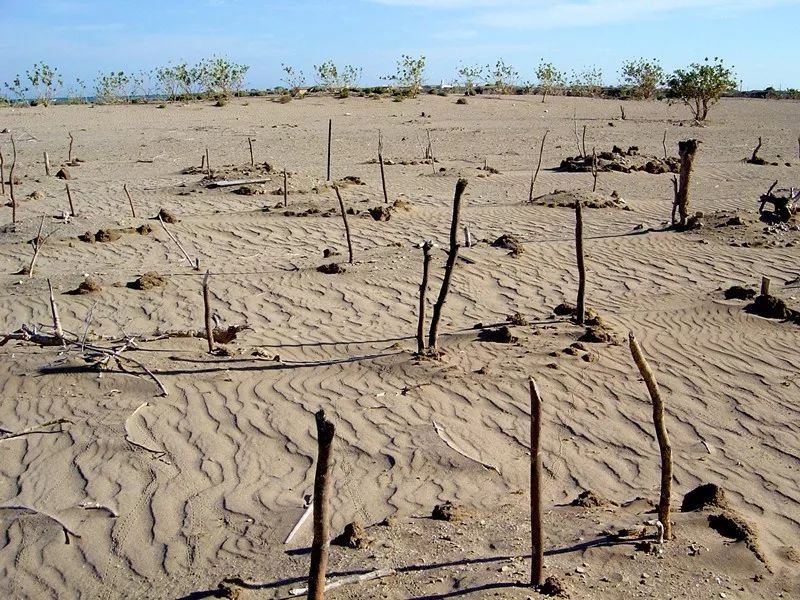
The development of the African mining industry carries the dream of resource-rich nations moving toward industrialization. And every belt filter press that can operate stably is a cornerstone of a “Green Mine” landing on the African continent.
Here, technology is not about displaying parameters; it is about winning trust.
- Not Just Equipment, But a Promise: When African owners see a machine running steadily through thunderstorms or power blackouts, they see not just a machine, but a trusted partner.
- Not Just Treatment, But Empowerment: Future African mines will possess the self-sufficient cyclic capability. Tailings will no longer be a blight on development but will be transformed into transportable construction materials through efficient dewatering. This allows mines to truly detach from environmental dependence, achieving “production without disturbing the community, where environmental protection is productivity.”
Conclusion:
In Africa, environmental red lines are not shackles restricting development; they are the bottom line for survival. Selecting an excellent mining slurry treatment system requires abandoning the blind pursuit of “high-end” and embracing a pragmatic philosophy of “durability, energy independence, and ease of use.”
Action Guide:
Immediately seek a partner with experience in African localization services. Ask them three questions:
- “How long can your equipment run continuously on a generator without power?”
- “If a critical part breaks, can you purchase and replace it within 72 hours?”
- “Have you trained local workers to operate the system independently?”
Let the belt filter press become the “peace of mind” of African mines. This is not just about treating sewage; it is about opening a life-long path to prosperity for the future of the mining region and the sustainable exploitation of resources.